

A Rage Garden War Journal Entry

The Trickster God in the Field
Corn is not a crop. It’s a deity with a sense of humor.
It rises fast, demands worship, and punishes arrogance. The gardener kneels before it, hands in the soil, whispering prayers to nitrogen and rain. But the Trickster God of Corn loves irony — it rewards devotion with worms, windstorms, and raccoon raids. Every myth we tell about corn is a spell we cast to make ourselves feel in control. Spoiler: we aren’t.
The Three Sisters — The Dysfunctional Family

The legend of the Three Sisters comes from Indigenous agricultural traditions across North America, particularly the Haudenosaunee (Iroquois) and other Eastern tribes. In the myth, corn, beans, and squash are divine siblings born from Sky Woman’s garden, each gifted with a sacred role:
- Corn stands tall, the elder sister, offering structure and strength.
- Beans twine upward, the middle sister, feeding the soil with nitrogen and gratitude.
- Squash sprawls below, the youngest, protecting the earth with her broad leaves and fierce shade.
Together, they form a living trinity, a self-sustaining ecosystem that nourishes both body and spirit. It’s a beautiful story, and in its original context, large mounds, rich soil, and careful timing, it worked brilliantly. But modern gardeners, armed with Pinterest optimism and suburban plots, often summon chaos instead of harmony.
The Reality of the Reunion
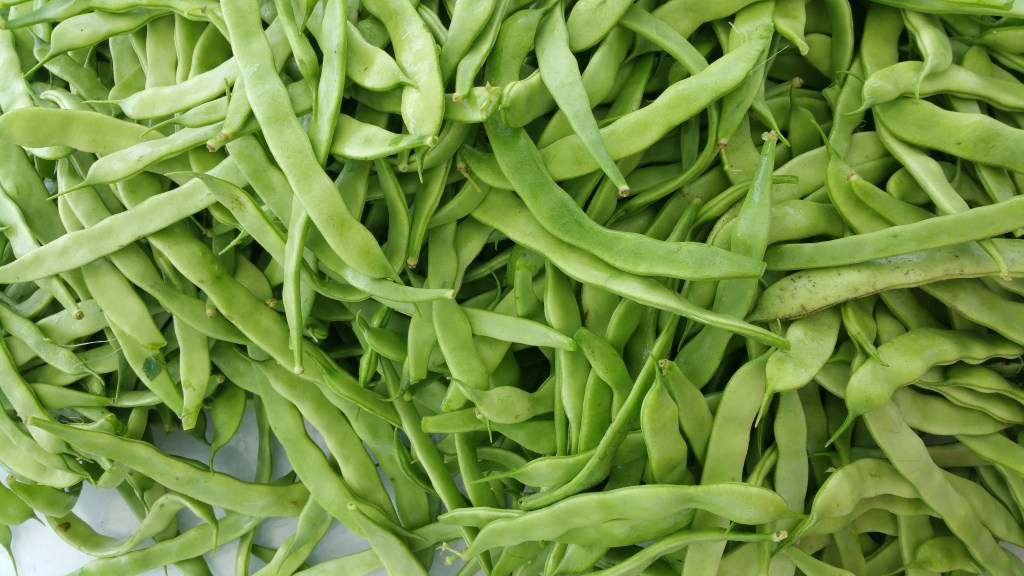
In small gardens, the Three Sisters act less like cooperative siblings and more like rival monarchs fighting for sunlight and space.
- Corn demands early sowing and nitrogen-rich soil. It shoots up fast, shading everything beneath it.
- Beans need warmth and time to germinate; if planted too soon, they rot. If planted too late, they can’t climb before the corn tassels. And here’s the kicker, most climbing beans are actually planted earlier than corn, which means they’re already reaching for support that doesn’t exist yet. The result? Beans flopping in the dirt, corn gasping for nitrogen, and the gardener questioning their life choices.
- Squash wants sprawling room and long days to mature, but by the time it’s thriving, it’s strangling the beans and stealing moisture from the corn.
Their sowing and harvest times are staggered, their nutrient needs conflicting, and their growth habits incompatible in tight quarters. What was once a sacred choreography becomes a horticultural mosh pit.
Why the Myth Persists
Because it’s romantic. Because it feels ancient and wise. Because gardeners crave the illusion of balance, the idea that nature can be coaxed into harmony with a few seeds and good intentions. But the truth is that the Three Sisters method was designed for large-scale mounds, not raised beds or backyard plots. It relied on regional soil fertility, specific heirloom varieties, and communal labor, not solo caffeine-fueled gardeners muttering at raccoons.
Reality Correction
If you crave harmony, give each sister her own kingdom:
- Corn in blocks for proper pollination.
- Beans on separate trellises where they can climb freely.
- Squash sprawling in its own empire, far from the corn’s shadow.
Honor the myth, but don’t reenact it blindly. The Three Sisters were never meant to live in a 4×4 bed. They were meant to rule a continent.
The 4×4 Miracle Yield — The Square of Delusion
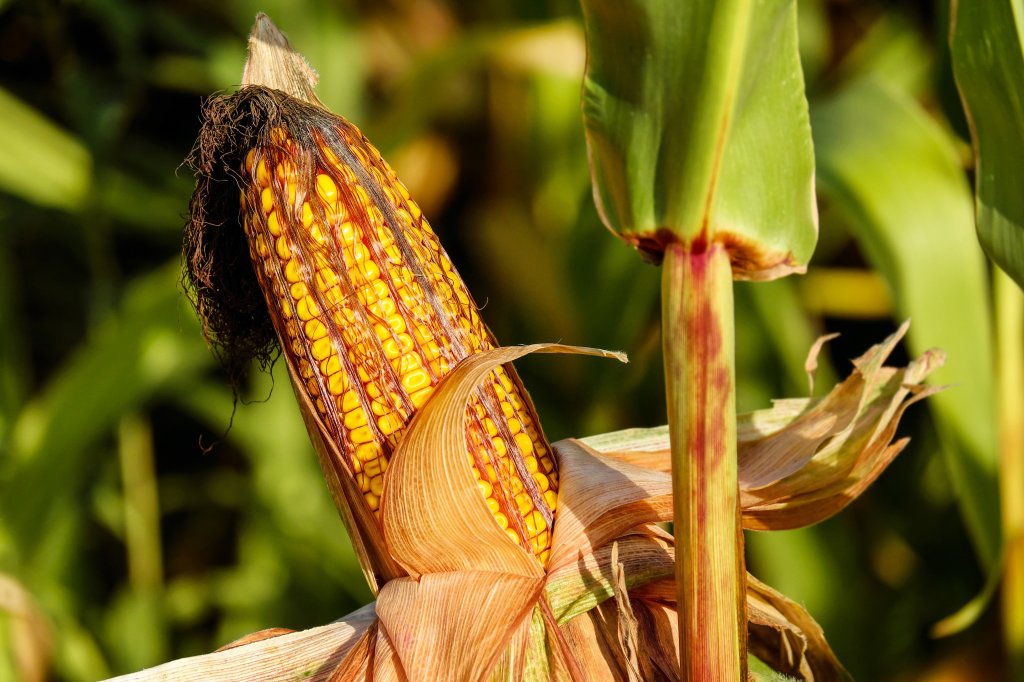
Every spring, someone swears you can grow “a bushel of corn in a 4×4 bed.”
It sounds heroic, a miniature empire of golden ears rising from a postage stamp of soil. And yes, technically, it can be done. But only if you’re part scientist, part priest, and fully caffeinated.
The Method — A Tactical Operation
To make this work, you must:
- Choose compact, early-maturing varieties — the kind bred for speed and obedience. Think Early Sunglow, Bodacious, Cornfusion, or Mirai. These are the sprinters of the corn world, not the marathoners.
- Plant in blocks, not rows. Corn is wind-pollinated, so you need at least a 4×4 grid to ensure the pollen actually finds the silks.
- Stagger your plantings — early, mid, and late-season varieties — to stretch your harvest across weeks. This means constant vigilance, soil management, and timing that borders on obsession.
It’s possible, yes. But it’s not simple. You’ll be running a micro-farm with the precision of a NASA launch schedule.
The Reality — A Full-Time Job for One Square

Here’s what can go wrong:
- Pollination failure: Too few plants or poor spacing means half-filled ears.
- Nutrient burnout: Corn is a nitrogen glutton. Without constant feeding, your soil collapses into exhaustion.
- Timing chaos: Early varieties mature while late ones are still sprouting, creating a staggered jungle of stalks competing for light and water.
- Pest pressure: Tight spacing invites aphids, earworms, and fungal parties.
- Human burnout: You’ll spend the season juggling sowing dates, watering schedules, and fertilizer ratios like a deranged alchemist.
The Myth’s Allure
The myth persists because it’s seductive, the idea that you can conjure abundance from scarcity. It whispers: You can have it all, even in a small space.
But corn doesn’t care about your optimism. It demands devotion. A 4×4 bed can yield beautifully if you’re 100% invested — researching varieties, tracking soil pH, and timing plantings like a lunar ritual. Anything less, and you’ll harvest disappointment.
Reality Correction
If you attempt this, treat it like a sacred experiment:
- Feed the soil before and after each planting.
- Rotate varieties to prevent nutrient depletion.
- Accept imperfection — some ears will be glorious, others will be half-hearted.
- Document everything. You’re not gardening; you’re conducting field research for the next generation of corn zealots.
Final Reflection — The Corn Crusade
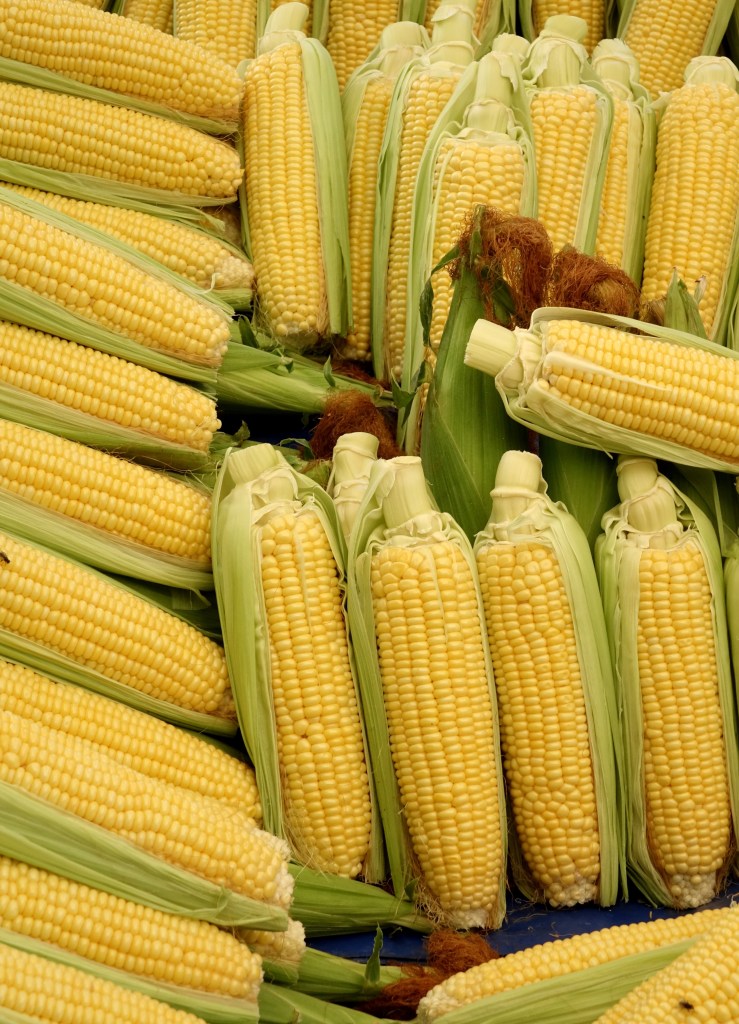
Growing corn in a 4×4 bed isn’t impossible. It’s just mythic-level difficult.
It’s the gardener’s equivalent of summoning a deity in a broom closet — possible, but you’ll need faith, spreadsheets, and a strong back.
Those who succeed don’t just grow corn; they earn the right to call themselves Stalk Lords of the Micro Empire.
IV. Soil Additions — The Alchemy of Overkill
Myth: “Add sand to clay soil for drainage.”
Reality: Congratulations, you’ve made concrete.
Corn doesn’t want punishment; it wants partnership. It thrives in loam , rich, dark, and alive , a soil that breathes and feeds. Compost and manure are your allies; sand and coffee grounds are not magic. The gardener’s job is stewardship, not sorcery.
The Ritual of Knowing — Soil Testing
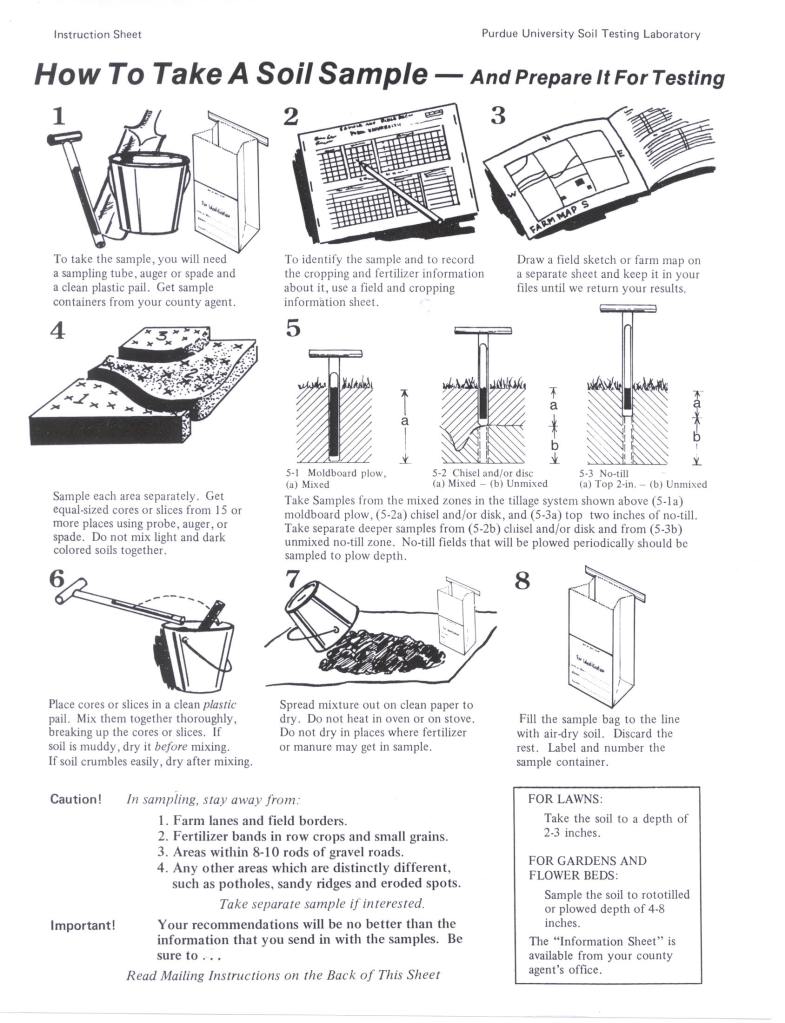
Before you throw amendments into the ground like offerings to an impatient god, test your soil.
A proper lab test is the gardener’s oracle , it reveals pH, organic matter, and nutrient levels (nitrogen, phosphorus, potassium, calcium, magnesium). These numbers are not trivia; they are the language of the earth.
- pH below 6.0? Add agricultural lime to restore balance.
- pH above 7.5? Elemental sulfur can bring humility back to the soil.
- Low organic matter? Feed it compost, leaf mold, or aged manure — the feast that awakens the microbial legions.
- Low nitrogen? Blood meal or alfalfa meal can serve as a quick fix, but compost remains the long game.
Testing once every couple of years, ideally in early spring or fall, keeps you in conversation with your soil’s evolution. It’s not a one-time ritual,t’s a lifelong dialogue.
🧙♀️ The Alchemy of Amendments

Soil amendments are not spells to be cast blindly. Each has a purpose, a temperament, and a consequence.
- Compost revives life and structure.
- Manure adds fertility but must be aged, fresh manure burns like wrath.
- Sand, despite its reputation, is the false prophet. It binds with clay to form concrete, suffocating roots and dreams alike.
Layer compost, mulch deeply, and let worms do the engineering. They are the true architects of drainage and aeration.
The Reality of Overkill
Too many amendments, too fast, and your soil becomes a battlefield. Nutrients lock up, microbes die, and plants revolt The myth of “fixing” soil overnight is the gardener’s hubris — the belief that nature can be bullied into balance Corn, the Trickster God, will punish impatience with stunted stalks and yellow leaves.
Reality Correction
Feed the soil, not the superstition.n Test, amend, and wait.
Healthy soil is not a product; it is a relationship, one built on patience, observation, and reverence
Harvest Timing — The Milk Stage Mirage
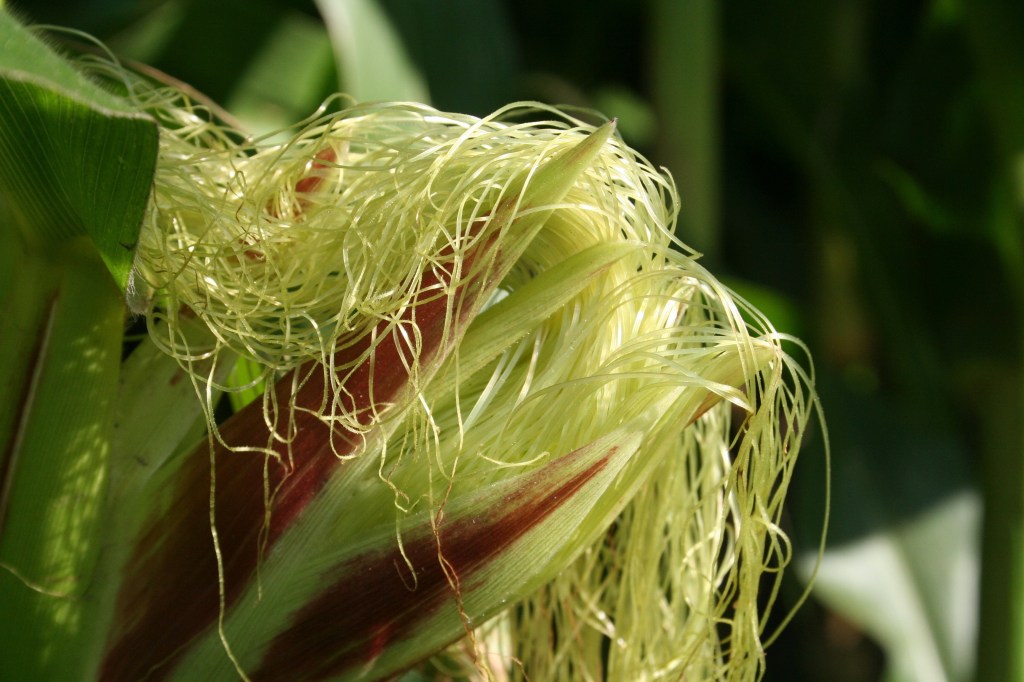
Myth: “Harvest when the silks turn brown.”
Reality: That’s only half the prophecy.
The silks are the messengers, not the verdict. They brown and dry when pollination is complete, but the kernels beneath are still deciding their fate. The true moment of harvest ,the Milk Stage is a sacred window that lasts mere days. You harvest when kernels exude milky sap, not watery, not starchy. Wait too long and you’ll be chewing regret.
The Ritual of Ripeness
Corn doesn’t whisper when it’s ready; it tests your devotion.
At first, the kernels are watery and pale — the Promise Stage. Then, as sugars rise and starch begins to form, the kernels enter the Milk Stage, the brief moment of perfection. Pierce a kernel with your thumbnail:
- If it bleeds water, the gods say wait.
- If it bleeds milk, the gods approve.
- If it bleeds starch, you’ve angered them with hesitation.
This stage lasts only 3–5 days, depending on temperature and variety. Miss it, and your sweet corn becomes field corn’s bitter cousin, tough, starchy, and judgmental.
The Science Behind the Myth
Silks turning brown mark pollination, not maturity. Each silk corresponds to one kernel, and once pollinated, the kernel begins its transformation. But the plant’s clock runs on heat units, not calendar days.
- Early varieties (like Early Sunglow) mature in 60–65 days.
- Mid-season varieties (like Bodacious) take 70–75 days.
- Late varieties (like Mirai) stretch to 80+.
Weather, soil moisture, and nitrogen levels all shift the timeline. Drought stress can accelerate starch formation, robbing sweetness. Overwatering can dilute flavor. The Milk Stage is not a date — it’s a moment of alignment between plant, weather, and gardener.
The Test of Faith
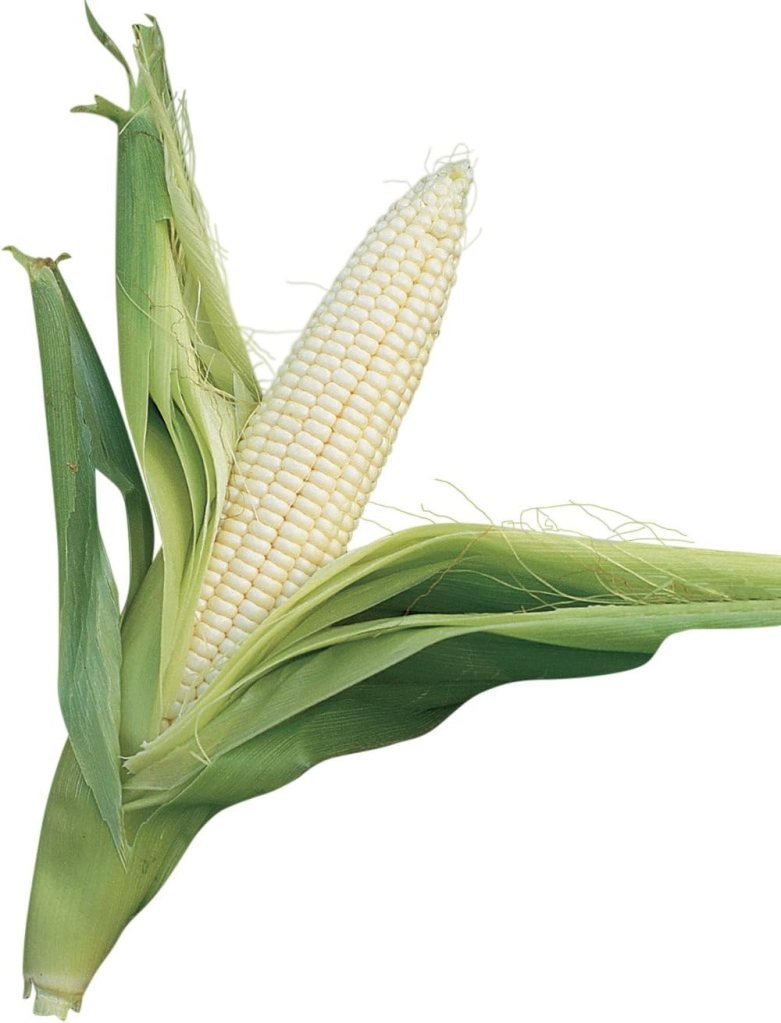
To catch the Milk Stage, you must watch the tassels, listen to the wind, and check the ears daily. The husks should still be green, the silks dry, and the tips full. Pull back the husk and test a kernel.
If you’re squeamish about piercing kernels, you’re not ready for the priesthood of corn.
Harvest in the morning when sugars are highest. Boil or grill immediately, every hour after picking, sweetness declines as sugars convert to starch. Corn waits for no one.
VII. The Canning Catastrophe
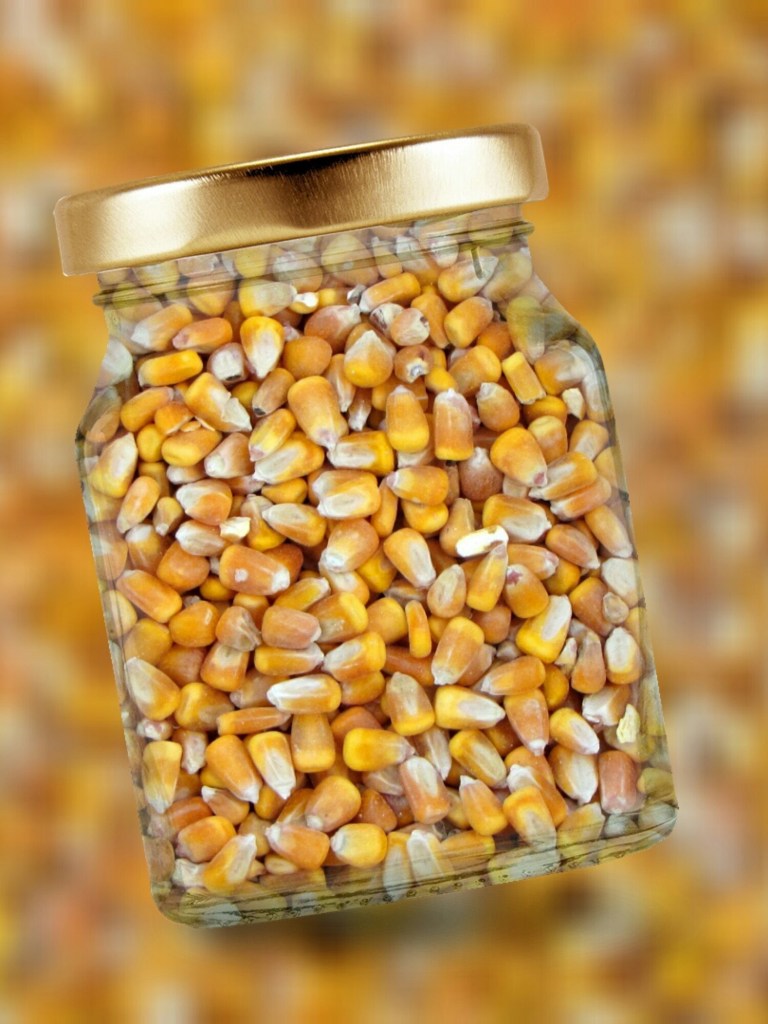
“Just water-bath can corn.”
Reality: You’ve created a jar of doom.
Corn is low-acid, which means it’s a playground for Clostridium botulinum — the microscopic demon of food preservation. Water-bath canning doesn’t reach the temperatures needed to kill those spores. You might think you’re sealing summer in a jar, but what you’re really doing is bottling hubris. The Trickster God of Corn loves hubris, and nothing says hubris like ignoring botulism warnings.
The Science Behind the Curse
Water boils at 212°F (100°C). Botulism spores laugh at that. They survive, multiply, and produce toxins that can paralyze or kill.
Pressure canning, on the other hand, reaches 240°F (116°C) — hot enough to destroy those spores and humble the Trickster. That’s why every tested recipe for corn, beans, or other low-acid vegetables demands a pressure canner, not a pot of boiling nostalgia.
Corn’s sweetness and density make it especially dangerous. The sugars slow heat penetration, meaning the center of the jar may never reach safe temperatures in a water bath. The result? Golden grenades waiting to explode or poison.
🧙♀️ The Ritual of Safety
If you insist on preserving corn, follow the sacred rites:
- Use a pressure canner — not a pressure cooker, not a stockpot, not your grandmother’s enamel cauldron.
- Follow tested recipes from trusted sources like the USDA or Ball Blue Book.
- Adjust for altitude — higher elevations require longer processing times.
- Inspect jars before use; chips or cracks invite contamination.
- Cool slowly and store in a dark, cool place.
Never improvise. Never “wing it.” The gods of preservation demand precision.
The Myth’s Allure

The myth persists because it’s nostalgic. People remember their grandmothers water-bathing everything and surviving. But survival isn’t proof of safety, it’s luck. The old ways worked because the corn was eaten quickly, not stored for months. Modern gardeners want shelf-stable glory, and that requires science, not sentiment.
Reality Correction
Respect the chemistry. Pressure canning isn’t overkill; it’s obedience to physics.
If you want to taste summer in January, earn it through temperature, timing, and tested recipes.
The Trickster God of Corn will tempt you with shortcuts, whispering, “It’ll be fine.”
Ignore him. He’s laughing in spores.
Final Reflection — The Doctrine of Preservation
Canning corn is not a domestic chore; it’s a ritual of respect.
You are sealing sunlight, sugar, and soil into glass — a sacred act that demands reverence.
Do it right, and you preserve abundance. Do it wrong, and you summon the wrath of chemistry.
In the Rage Garden, safety is not fear — it’s devotion.
Conclusion — The Doctrine of Rage Gardening
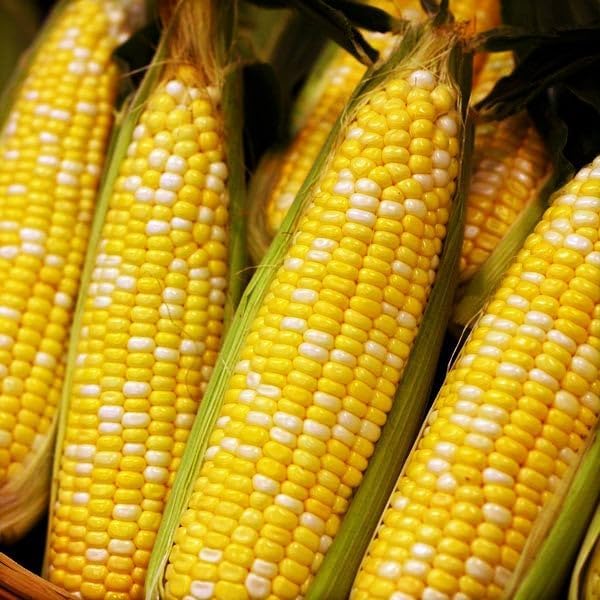
Every gardener who grows corn eventually kneels in confession.
We believed the myths. We followed the rituals. We whispered to the wind.
And still, the Trickster God laughed.
But in that laughter lies the lesson: corn teaches humility. It reminds us that rage can be sacred, that rebellion can be fertile, and that even failure feeds the soil. Rage Gardening is not about control — it’s about surrender. It’s the art of fighting with the earth and learning that the struggle itself is holy.
Corn is not a crop. It’s a mirror.
It reflects our hunger for mastery, our faith in folklore, and our stubborn hope that next year will be better.
The gardener rises from the field, hands stained with chlorophyll and pride, whispering:
“Next year, I plant more.”
That whisper is the creed of Rage Gardening, the vow to rise again, to plant again, to rage again.
Because the garden is not a place of peace; it’s a battlefield of devotion.
And every stalk, every seed, every failure is proof that creation is born from defiance.
Discover more from Anything Agriculture
Subscribe to get the latest posts sent to your email.
