
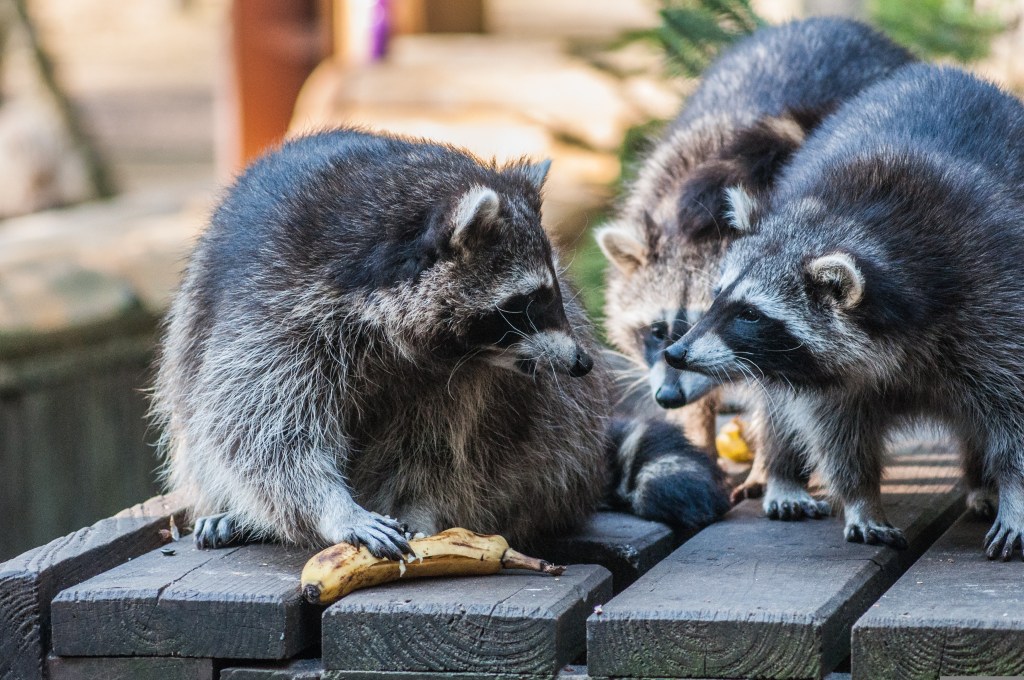
Every garden has its villains, but mine has assembled a full cast of characters worthy of a fantasy epic—if the fantasy epic involved more chewing, digging, and emotional damage. The raccoons are the masked marauders, descending under cover of darkness to ravage the corn with their unsettlingly human hands. They are clever, relentless, and powered by spite, requiring electric fences, motion lights, and the occasional midnight patrol to keep them at bay. The squirrels form the Squirrel Syndicate, a chaotic criminal organization that steals peaches, buries nuts in my raised beds, and digs up seedlings just to watch me suffer. They can be slowed with hardware cloth, tight netting, and bribery stations, but never truly stopped. The chipmunks are the jewel thieves, taking one perfect bite out of every tomato and then fleeing the scene, deterred only by secured netting and removing easy snacks. The deer are the elegant destroyers, members of the Deer Council of Tomato Destruction, who glide into the garden like runway models and leave devastation behind. Only tall fencing and constant scent rotation keep them from claiming the tomatoes as tribute. The rabbits lead the Bunny Rebellion, mowing down seedlings with adorable ruthlessness, stopped only by buried hardware cloth and removing hiding spots. The groundhog is the arch‑nemesis, a furry warlord with a personal vendetta, requiring deep fencing, vigilance, and the acceptance that he is smarter than I am. Even the birds get in on the action, pecking holes in fruit and gossiping loudly about my failures. And through it all, the possum wanders the battlefield like a weary diplomat, cleaning up the carnage and asking for nothing but a quiet place to snack. This bestiary is not a list of pests. It is a record of battles fought, lessons learned, and the ongoing saga of a gardener who refuses to surrender. The creatures are many. The chaos is constant. And the Rage Garden endures.
The Groundhog Files: A Dossier on My Furry Nemesis
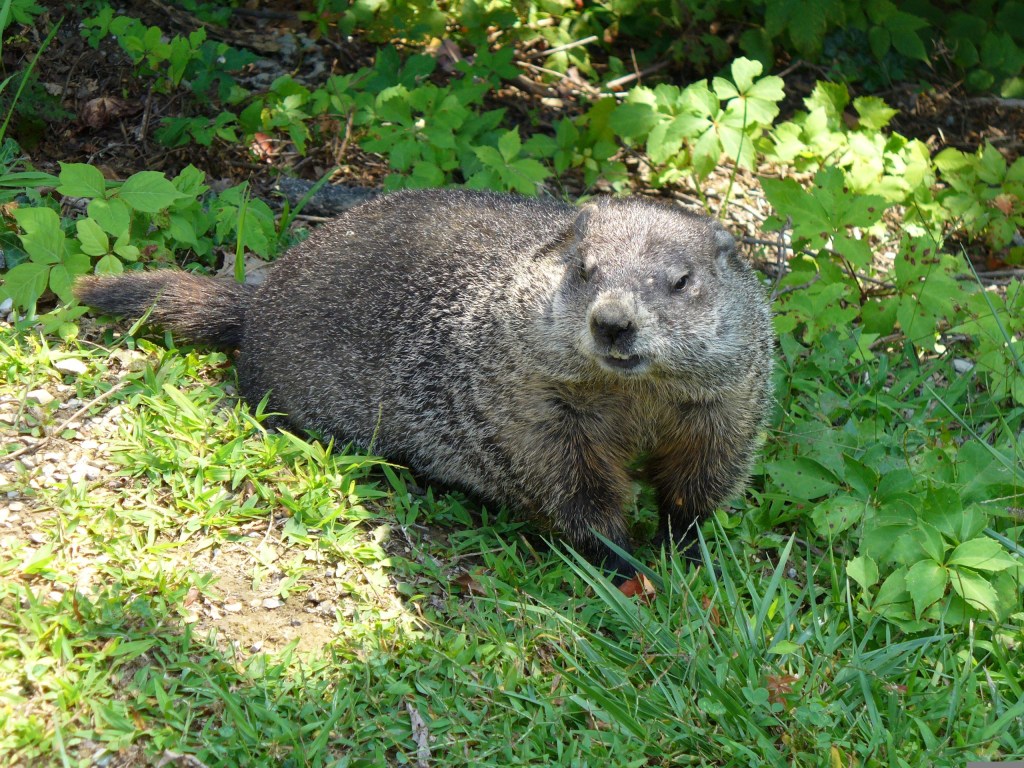
Every garden eventually gains a nemesis, and mine is a groundhog with the tactical brilliance of a retired general and the moral flexibility of a raccoon. He watches me plant with the cold, calculating stare of someone who has already planned the heist. He emerges from his bunker the moment I turn my back, mowing down seedlings with the efficiency of a tiny, vengeful lawnmower. Groundhogs do not nibble. They do not sample. They annihilate. Stopping them requires exclusion fencing buried deep into the soil, because groundhogs dig like they’re trying to reach the center of the earth. A fence that isn’t buried is merely a suggestion, and groundhogs do not take suggestions. Live traps can work, but groundhogs are surprisingly clever, and mine has learned to steal the bait without triggering the mechanism, leaving me questioning my intelligence and my place in the food chain. The only reliable strategy is a combination of deep fencing, garden vigilance, and the acceptance that this creature has declared a personal vendetta against you. The groundhog is not just an animal. He is a rival. And he is winning.
The Groundhog Peace Treaty That Will Never Happen
I have attempted diplomacy with the groundhog. I have spoken calmly. I have reasoned. I have offered compromises, boundaries, and even a designated sacrificial lettuce patch. He has rejected all negotiations with the smug confidence of a creature who knows he holds the high ground—literally, because his bunker system is more complex than my tax returns. The groundhog emerges from his subterranean fortress each morning like a furry warlord surveying his territory, which he believes includes my entire garden, my yard, and possibly my mortgage. He stares at me with the cold, unblinking eyes of someone who has already eaten the seedlings I planted yesterday. I have tried to explain that we could coexist, that we could share, that perhaps he could eat weeds instead of vegetables. He responded by chewing through a row of beans while maintaining direct eye contact. There will be no peace treaty. There will be no truce. The groundhog has declared eternal war, and I must accept my role as the opposing general in a conflict I did not choose. He digs under fences, laughs at traps, and treats my garden beds like a personal salad bar. I respect his determination, but I also fantasize about building a moat. The groundhog is not just a pest. He is a rival strategist. And he is winning.
Raccoon War Tactics: Surviving the Masked Marauders
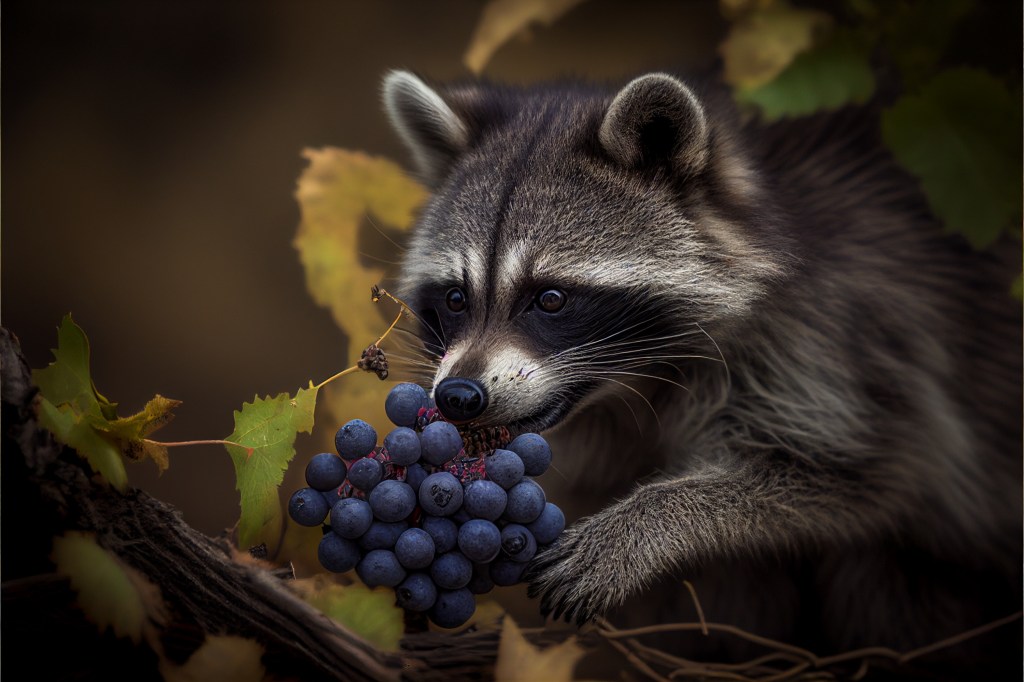
Raccoons are the warlords of the garden, the masked bandits who descend under cover of darkness to wreak havoc with their tiny, unsettlingly human hands. They do not simply steal corn. They take one bite out of every ear, leaving behind a field of half‑eaten casualties like they’re conducting a taste test for chaos. Raccoons are intelligent, persistent, and powered by spite. Stopping them requires strategy, not hope. A sturdy fence helps, but raccoons treat fences like puzzles. Motion lights may startle them, but only briefly, because raccoons are fueled by audacity. The most effective deterrent is an electric fence, which teaches them that perhaps the corn is not worth the existential crisis. Even then, raccoons will test your defenses nightly, because they believe in themselves. Removing attractants like unsecured compost or fallen fruit can reduce visits, but raccoons are opportunists who will break into your garden simply because they can. The key to raccoon defense is consistency, vigilance, and the willingness to sprint into the yard at midnight yelling, “Not today.” Raccoons respect only two things: electricity and chaos. Choose wisely.
The Raccoon War Log: Night Patrol Notes
Night in the garden is never quiet. It only pretends to be. The moment the sun goes down, the raccoons clock in for their shift like unionized chaos gremlins with excellent benefits. I patrol the perimeter with a flashlight in one hand and a sense of dread in the other, knowing full well that somewhere out there, a raccoon is watching me with the calm confidence of a creature who has already memorized my weaknesses. Their eyes glow in the dark like tiny judgmental lanterns, and their hands—those unsettlingly human hands—are capable of opening latches, undoing knots, and probably filing taxes if they felt like it. Every night I hear the rustle of leaves, the soft thump of paws, the unmistakable sound of a corn stalk being violated. I whisper threats into the darkness, and the raccoons whisper back with silence, which is worse. They test the fence. They test my patience. They test the very concept of hope. And yet, I patrol, because the alternative is waking up to a battlefield of half‑eaten corn and raccoon footprints that spell out “lol.” The war continues, night after night, and I record each encounter like a soldier scribbling notes in a trench. The raccoons are relentless, but so am I. This is not gardening. This is nocturnal combat.
Tomato Defense Strategies for the Emotionally Exhausted Gardener
Tomatoes are the crown jewels of the garden, which is why every creature in a five‑mile radius wants to eat them. Deer stroll in like elegant destroyers, nibbling the tops off your tomato plants with the casual confidence of creatures who know you cannot stop them. They will eat the blossoms, the leaves, the stems, and then look you in the eye as if to say, “You grew this for me, right.” The only truly effective deterrent is a tall fence, ideally eight feet or more, because deer are Olympic‑level jumpers with no respect for boundaries. Scent deterrents can help, but must be reapplied constantly, because deer have the attention span of toddlers and the appetite of goats. Meanwhile, smaller pests like chipmunks and squirrels will take one perfect bite out of your ripest tomato and leave the rest to rot, because they are agents of chaos. Protecting tomatoes requires a combination of fencing, netting, vigilance, and the emotional resilience of someone who has already cried over blossom end rot. The key is to stay unpredictable. Rotate deterrents. Move things around. Make the garden feel haunted. Tomatoes demand devotion, and if you want to taste even one perfect fruit, you must defend them like treasure.
The Deer Council of Tomato Destruction
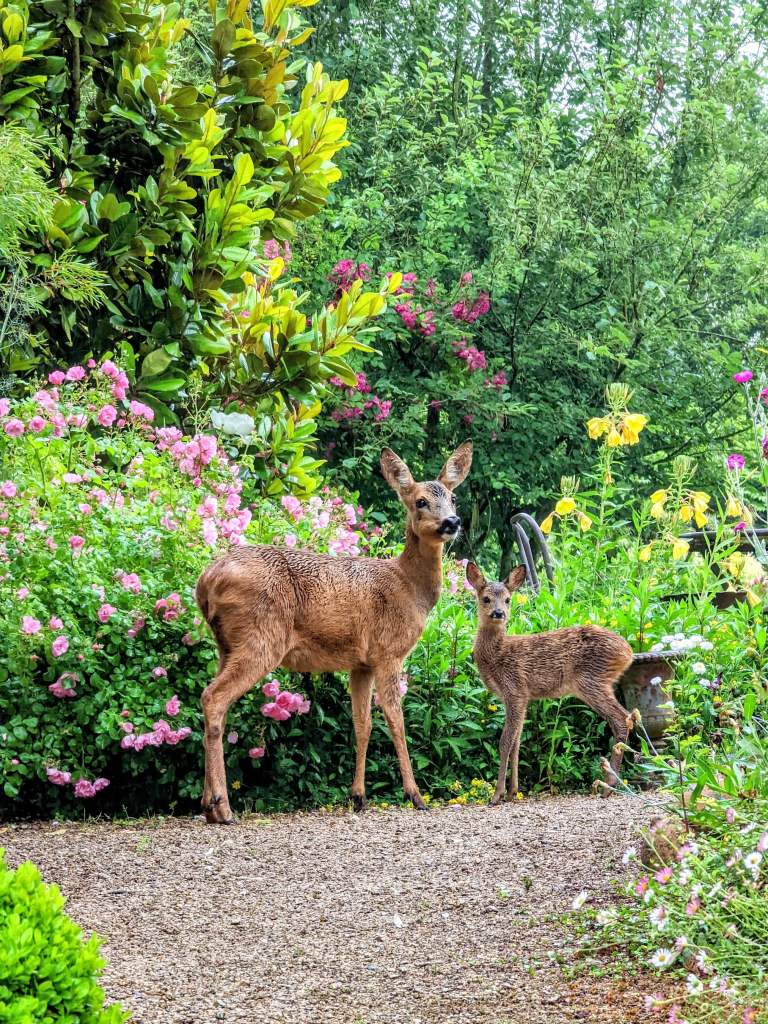
Every garden eventually discovers that deer are not gentle woodland creatures. They are a highly organized governing body with a single agenda: the systematic destruction of your tomatoes. I swear there is a Deer Council, a shadowy tribunal that meets at dusk to discuss which gardener they will emotionally devastate next. They stroll into the garden with the elegance of runway models and the moral restraint of toddlers. They nibble the tops off tomato plants, prune them into sad little stumps, and then look at you with big innocent eyes as if to say, “We did you a favor.” Deer do not care about your fencing unless it is tall enough to block out the sun. They do not care about your sprays unless you reapply them every time the wind sighs. They do not care about your hopes, dreams, or heirloom Brandywines. They will eat the blossoms, the leaves, the stems, and then leave hoofprints in the mulch like a signature. The only true defense is a fortress—an eight‑foot fence, reinforced, intimidating, and ideally humming with the energy of someone who has had enough. Even then, the Deer Council will stand at the edge of the yard, watching, plotting, waiting for the moment you let your guard down. They are patient. They are persistent. And they absolutely believe your tomatoes belong to them.
Chipmunk Crimes and Misdemeanors
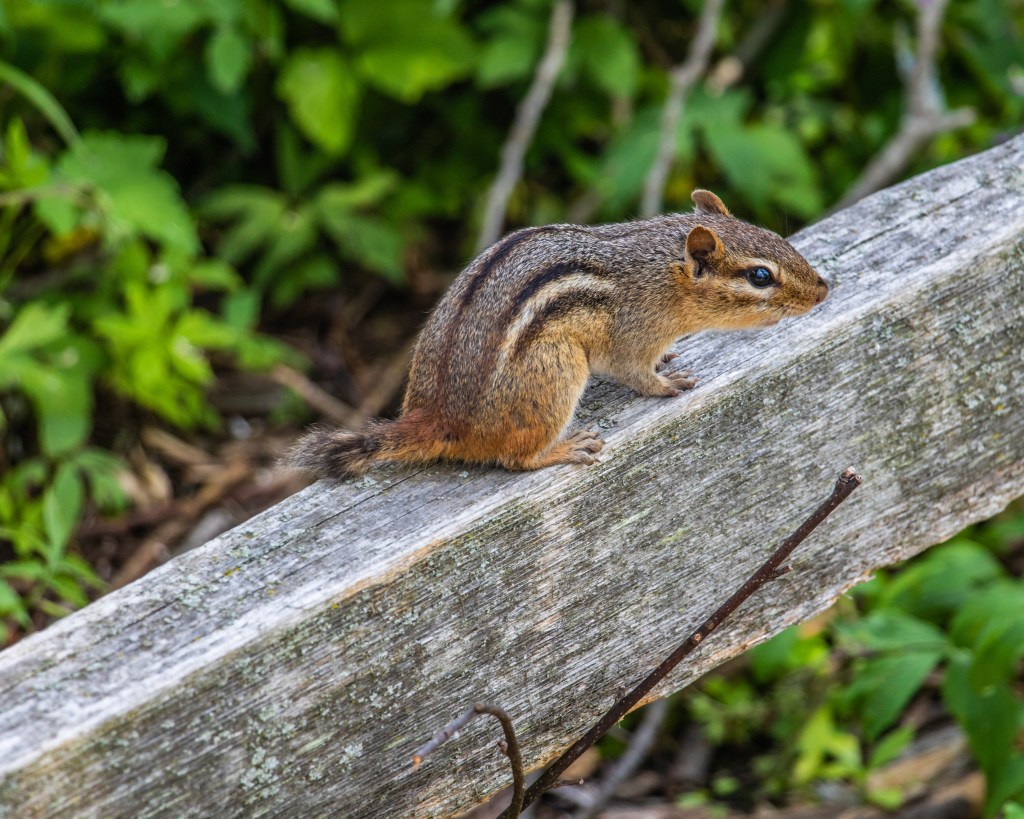
Chipmunks are the tiny, adorable criminals of the garden world. They look cute, but do not be fooled. Behind those shiny eyes and twitchy whiskers lies the soul of a seasoned thief. Chipmunks do not steal entire tomatoes. That would be too straightforward. Instead, they take one perfect bite out of the ripest fruit—the one you’ve been watching for days—and then leave the rest to rot, as if to say, “I just wanted to ruin your morning.” They operate with the precision of jewel thieves, darting in and out of the garden with stolen berries, sunflower seeds, and occasionally your sanity. They dig tunnels under raised beds, stash contraband in your mulch, and chirp angrily at you when you dare to exist in your own yard. Stopping them requires a combination of netting, exclusion barriers, and the acceptance that chipmunks are powered by chaos and caffeine. They are too small to trap easily, too fast to chase, and too smug to reason with. The best you can do is make your garden inconvenient—cover the tomatoes, secure the beds, and remove easy snacks. Even then, the chipmunks will sit on the fence, cheeks full of stolen produce, judging you. They are not pests. They are tiny agents of mischief, and they know exactly what they’re doing.
The Squirrel Syndicate
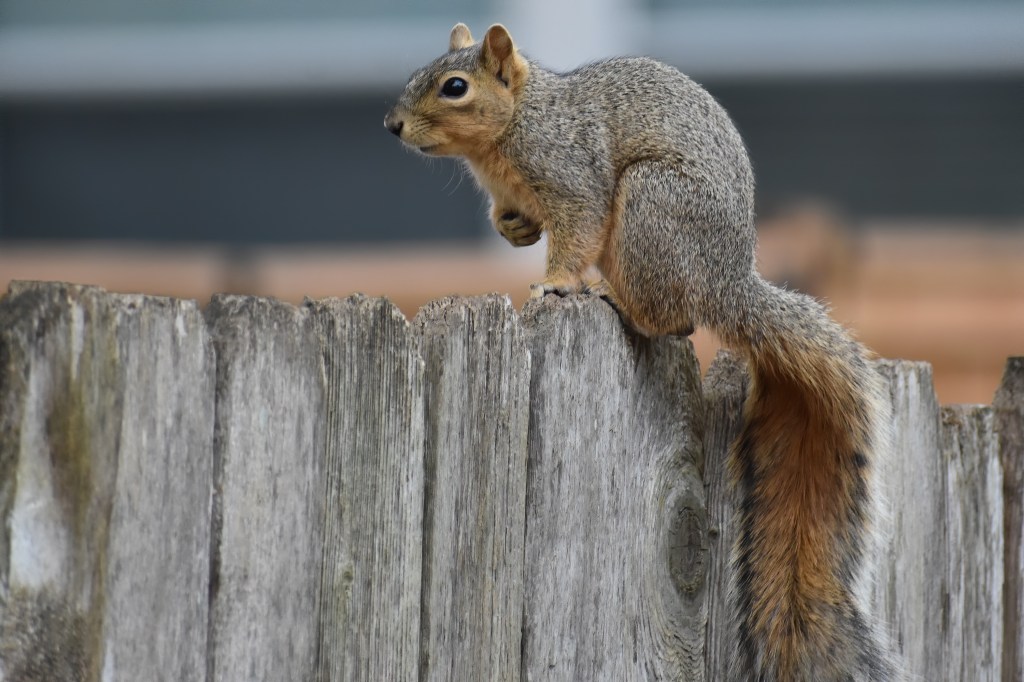
Squirrels are not individuals. They are an organization. A network. A fully operational crime syndicate with branches in every neighborhood and a leadership structure that rivals the mob. They sit on fences, tails flicking like cigar smoke, watching your garden with the calculating gaze of creatures who have already decided which tomatoes they will steal and which sunflowers they will decapitate for sport. Squirrels do not need your food. They have plenty. They steal because it brings them joy. They bury nuts in your raised beds, dig up seedlings just to see what happens, and take one triumphant bite out of every peach before tossing it aside like a rejected audition. Stopping them requires strategy, not hope. Hardware cloth around beds helps, because squirrels hate inconvenience. Bird netting can work if secured tightly, because squirrels treat loose netting like a puzzle toy. Motion‑activated sprinklers are surprisingly effective, because nothing insults a squirrel more than being sprayed mid‑heist. Removing easy snacks like fallen fruit or unsecured bird feeders reduces traffic, because squirrels are opportunists who love a free buffet. And if all else fails, give them a decoy feeding station far from the garden—sunflower seeds, corn, peanuts—because sometimes the only way to survive the Squirrel Syndicate is bribery. They will still judge you from the fence, but at least your tomatoes might live.
The Bunny Rebellion
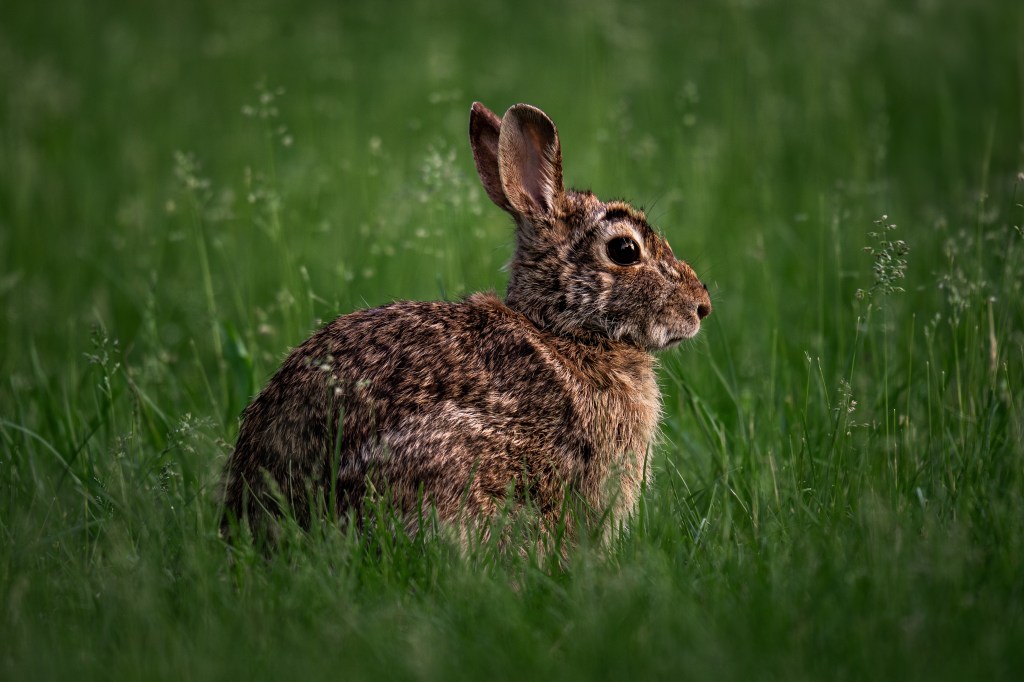
Rabbits are adorable until you realize they are tiny anarchists staging a rebellion in your garden. They hop in with big innocent eyes and soft little noses, and before you know it, they’ve chewed your lettuce to nubs and left your bean plants looking like crime scenes. Rabbits do not nibble politely. They mow down entire rows with the efficiency of a furry lawnmower powered by spite. They reproduce faster than your defenses can keep up, and every new generation arrives pre‑programmed with the knowledge that your garden is delicious. Stopping them requires physical barriers, because rabbits respect nothing except wire mesh. A fence of hardware cloth, at least two feet high and buried a few inches into the soil, is the gold standard. Anything less is a suggestion, and rabbits do not take suggestions. Scent deterrents like garlic spray, predator urine, or strong herbal oils can help, but must be reapplied constantly because rabbits forget they’re supposed to be afraid. Keeping grass trimmed and removing hiding spots reduces ambush points, because rabbits love cover. And if you really want to send a message, plant sacrificial clover or alfalfa far from the garden—an offering to the Bunny Rebellion that says, “Eat this, not my kale.” They will still test your defenses, because rebellion is in their blood, but at least you’ll have a fighting chance.
The Possum Diplomatic Corps
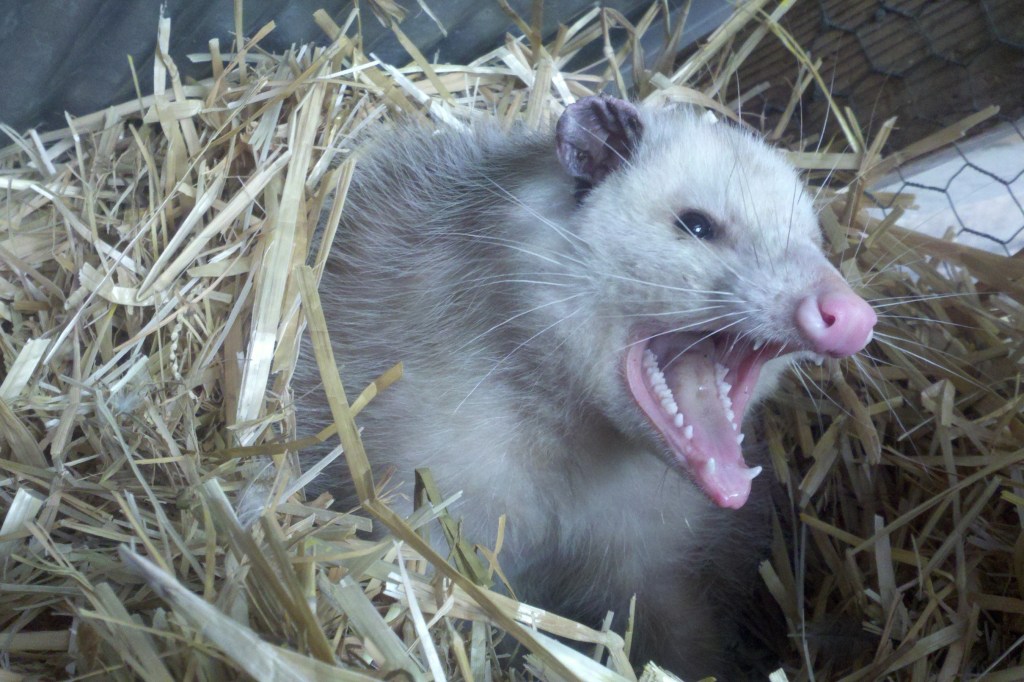
Possums are the unexpected diplomats of the garden world. They wander in at night looking like they’ve survived seventeen apocalypses and a bar fight, yet they mean surprisingly little harm. They shuffle through the beds with the weary dignity of creatures who have seen too much and eaten worse. While raccoons commit crimes and squirrels run organized syndicates, possums are the ones quietly cleaning up the mess—snacking on slugs, ticks, fallen fruit, and the occasional rodent like they’re performing community service. They freeze when startled, staring at you with the blank expression of someone buffering internally, and then either waddle away or flop over dramatically like they’ve been shot in a soap opera. They are not here to destroy your garden. They are here to negotiate peace, clean the battlefield, and maybe steal a snack if you leave something irresistible out. The best way to “deter” possums is simply to secure your compost and trash, because they are scavengers, not saboteurs. If you leave them alone, they will repay you by eating the pests you actually hate. In the grand hierarchy of garden chaos, possums are the diplomats—strange, scruffy, and unexpectedly helpful. They are the only creatures I welcome with a sigh instead of a scream.
What Doesn’t Work: A Rage Garden Reality Check
Every gardener eventually learns that the world is full of products that promise to repel wildlife but instead repel only your money from your wallet. Ultrasonic devices are the worst offenders. They claim to emit high‑frequency sounds that scare animals away, but the only thing they scare is your bank account. Wildlife in the Midwest has heard tornado sirens, fireworks, gunshots, and the neighbor’s teenager learning electric guitar. A little ultrasonic chirp is not going to send them running. If anything, the raccoons will sit under it like they’re at a spa. Predator urine works—when it’s fresh, which is about five minutes. The moment it rains, or even a heavy dew settles, the scent washes away and the animals stroll back in like the buffet has reopened. And honestly, the idea that I’m supposed to spend my summer reapplying coyote pee like it’s artisanal perfume is deeply offensive. Statues—owls, coyotes, scary silhouettes—work only if you are dedicated to moving them every single day. If you leave them in one spot, the animals figure out the ruse immediately. Deer will walk right up to a plastic coyote, sniff it, and then eat your tomatoes while making direct eye contact with you. Whirlygigs, flashy tape, spinning reflectors—they work for about a week. Then the animals adapt, because nuisance wildlife is basically running a graduate‑level course in urban survival. They’ve learned that flashing lights and weird noises don’t hurt them. They live in the suburbs. They’ve seen worse.
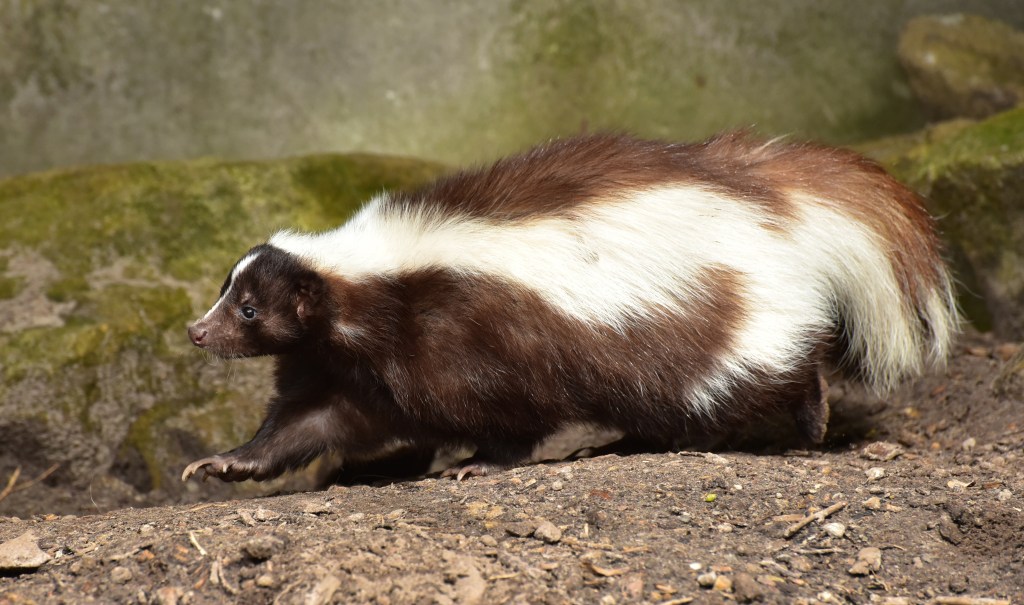
What actually works is the stuff gardeners have been using for centuries: fences. There’s a reason every old‑school garden looks like a tiny fortress. A proper fence is the line between you and chaos. Electric fencing is the gold standard. One wire six inches off the ground for raccoons, and one at four feet for deer. And if you really want to send a message, smear a little peanut butter on the hot wire the first night. The raccoons will touch it once, experience the shock of their tiny lives, and immediately reevaluate their career choices. Deer learn fast too—one zap and suddenly your tomatoes are no longer worth the emotional trauma. For diggers like groundhogs, rabbits, and skunks, hardware cloth buried six to twelve inches into the soil is the only thing that stops them. Anything less and they’ll tunnel under like they’re reenacting The Great Escape. Motion‑activated sprinklers can help, but only as part of a larger strategy. Animals get used to everything eventually, because urban wildlife has evolved into a league of tiny, furry supervillains who know that most noises and lights are empty threats.
The truth is simple: animals are not stupid. They are bold, adaptable, and deeply committed to eating your garden. They’ve learned that humans make a lot of noise but rarely follow through. That’s why the only real solutions are physical barriers, electric persuasion, and the occasional strategic peanut‑butter booby trap. Everything else is just decoration. And in the Rage Garden, we do not decorate—we defend.
Discover more from Anything Agriculture
Subscribe to get the latest posts sent to your email.
