
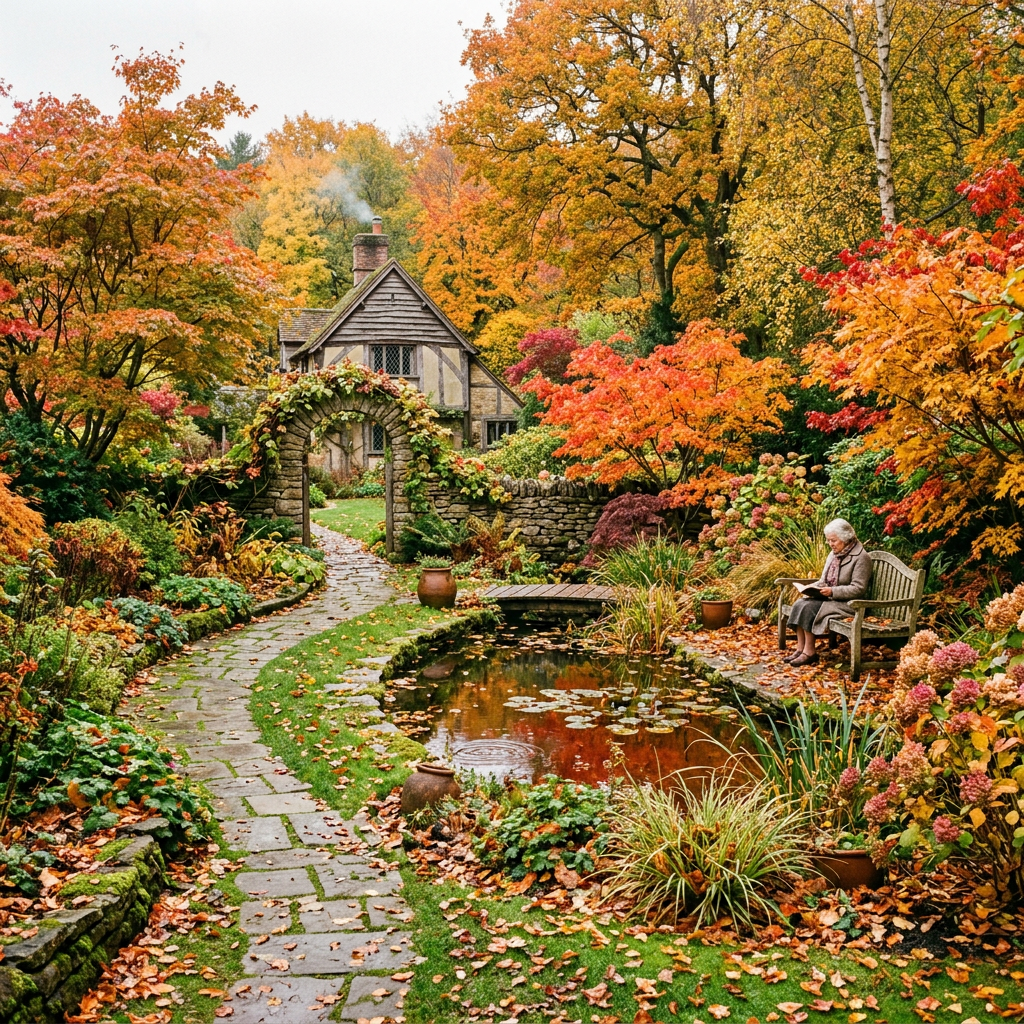
I felt the air shift this morning, that cool breath of autumn sliding across the garden like a soft warning. Summer’s chaos is finally losing its grip. The tomatoes have stopped screaming. The squash bugs have ended their coup. Even the chipmunk paused his usual judgmental stare, as if to say, “Ah. She survived another summer.” Fall is the season where the Rage Garden exhales, and fall vegetables are the quiet rebels who thrive when everything else is tired. They do not demand perfection or punish you for burnout. They do not hold grudges. They simply rise because the season is right.
Lettuce is always the first to remind me that gentleness has power. In medieval Europe, lettuce was believed to calm tempers and soothe the heart, a plant associated with peace, rest, and cooling the hot humors. It grows fast and soft, forgiving every mistake I made in July. After months of plants acting like drama queens, lettuce feels like a friend who shows up with soup and says, “You do not have to be strong today.” Even the chipmunk respects lettuce season. He sits on the fence like a tiny therapist, nodding approvingly as if he is proud of me for choosing something easy for once.
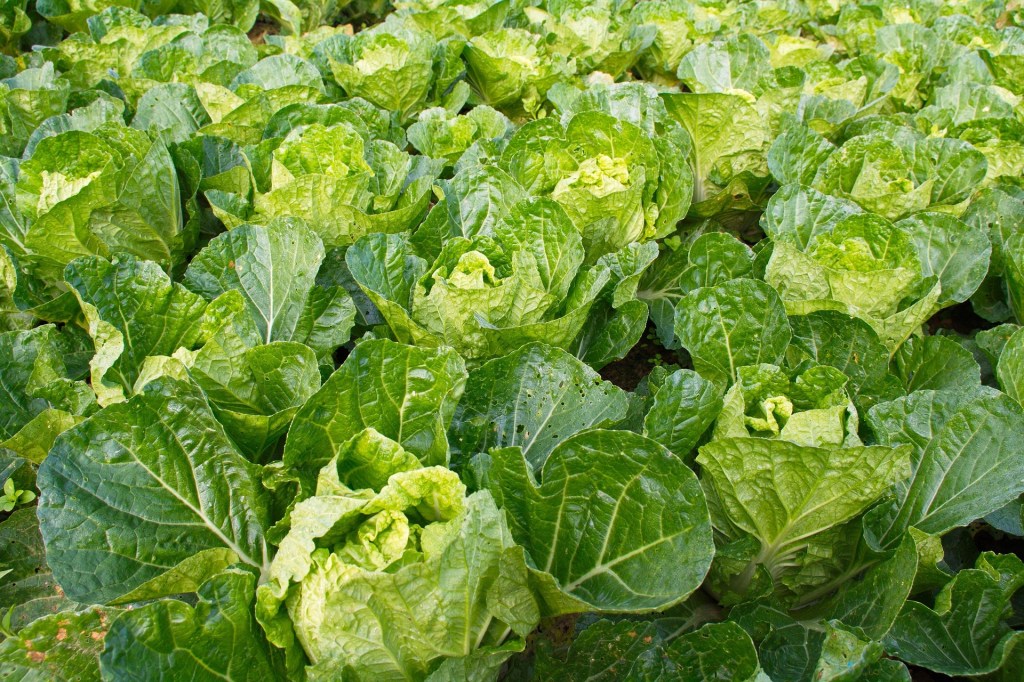
Spinach moves more slowly, savoring the short days like a plant finally entering its true season. In Persian folklore, spinach was considered a strengthening green, something warriors ate before battle because it was believed to fortify the blood. It curls under frost and straightens itself again with the kind of resilience I wish I had during the heat of summer. Spinach teaches patience and steadiness. It reminds me that not everything needs to rise quickly. Some things grow best when they take their time, and spinach seems to know this better than any other fall crop.
Radishes, on the other hand, sprint toward harvest like they are late for a meeting. They mature so fast it feels like they are trying to prove a point. In German folklore, radishes were considered protective, hung in doorways or carried in pockets to ward off illness and misfortune. They are the ADHD vegetable, the “I did this in twenty five days, what have you accomplished” vegetable. Their speed is a gift in fall, a reminder that productivity can be simple and joyful. Radishes do not need months of tending. They just need cool soil and a gardener willing to be delighted.
Kale stands in stark contrast to radishes’ chaos. It becomes sweeter after frost, as if the cold teaches it courage. In Scottish tradition, kale was used in divination rituals on Halloween night. Young people would pull a kale stalk from the field to predict the personality of their future spouse. A crooked stalk meant a difficult partner. A tall, straight one meant a good match. Kale stands tall when other plants collapse, surviving snow like a warrior who refuses to leave the battlefield. It is the midlife vegetable, hardy, unapologetic, and unwilling to shrink itself for anyone. Kale reminds me that resilience is not loud. It is steady, frost forged, and deeply rooted.
Turnips swell quietly in the cool soil, offering both roots and greens. In Celtic folklore, turnips were carved into lanterns long before pumpkins, the original jack o lanterns meant to ward off wandering spirits during Samhain. They are the two for one deal of the fall garden, the buy one get one emotional lesson. Turnips teach duality and flexibility. They remind me that I can be more than one thing at once, soft and strong, tired and rising, rooted and reaching. They also remind me that if I ignore them too long, they will become the size of softballs and judge me silently from the crisper drawer.
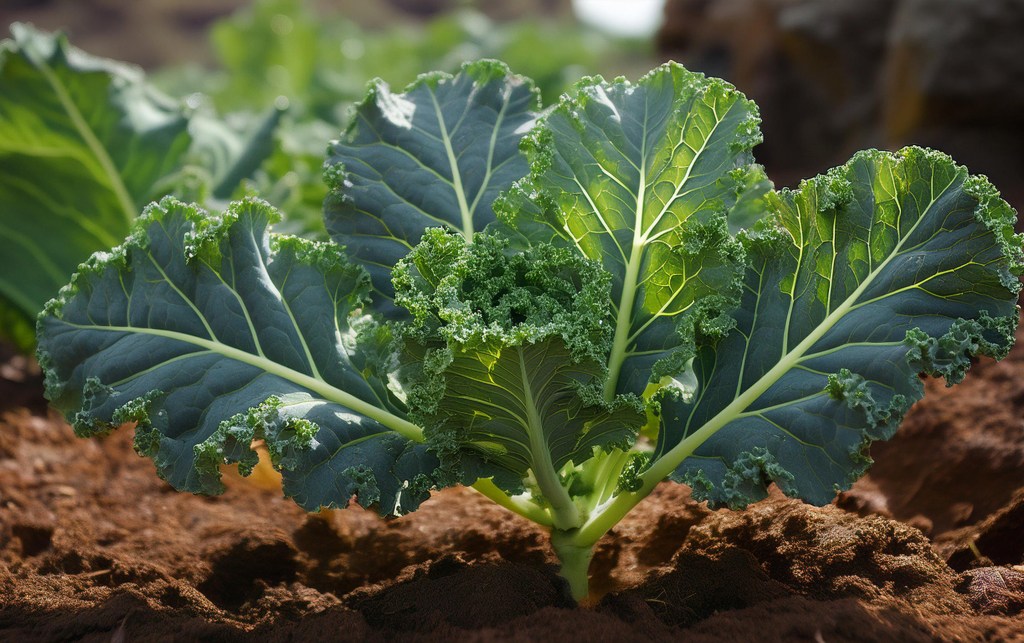
Asian greens, bok choy, tatsoi, mizuna, bow politely to the season. In Chinese tradition, bok choy symbolizes prosperity and long life, often used in New Year dishes to invite good fortune. These greens thrive in chill, flatten under frost, and rise again when the sun warms the soil, like dancers taking dramatic cues from the weather. Tatsoi especially is the ballerina of the fall garden. It collapses theatrically under cold, then pops back up with the energy of someone who dramatically fainted and then remembered they had things to do. These greens bring grace to the autumn beds, moving with a rhythm that feels almost ceremonial.
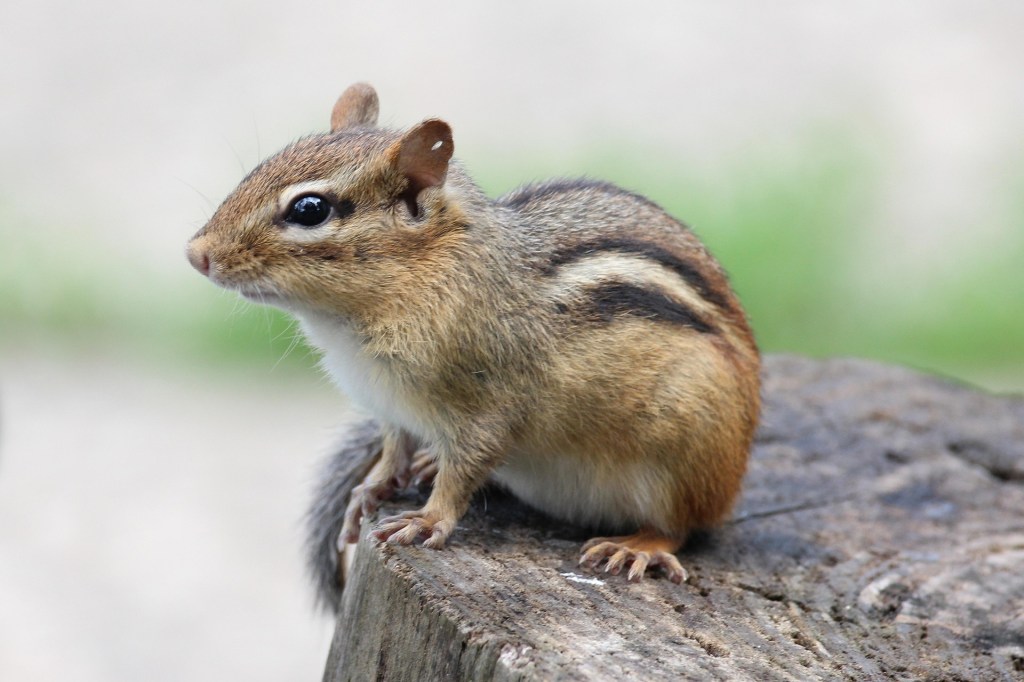
Rocko, the garden chipmunk menace, will not eat them. He just sits near the Asian greens like he is guarding ancient secrets. Then, without breaking eye contact, he grabs a single mizuna leaf and drags it three feet away. He does not eat it. He does not hide it. He simply relocates it, looks back at me, and chitters with the smug satisfaction of someone who believes he has improved the energy flow of the entire garden. I swear he does this solely to keep me humble.
Fall vegetables are not just crops. They are emotional allies. They carry centuries of folklore, superstition, and seasonal wisdom. They teach gentleness, patience, resilience, duality, forgiveness, and quiet strength. They grow when the world cools down. They thrive when chaos fades. They rise when you are tired. Fall vegetables are the garden’s way of saying, “You do not have to fight right now. You can just grow.”
As I finish planting the last row of spinach, the garden inhales the cool air beside me. The mums swell with color. The pumpkins anchor the season. The gourds glow like lanterns left out for the turning year. And the Rage Garden, wild, stubborn, mythic, whispers its agreement.
Let us do this.
Discover more from Anything Agriculture
Subscribe to get the latest posts sent to your email.
