
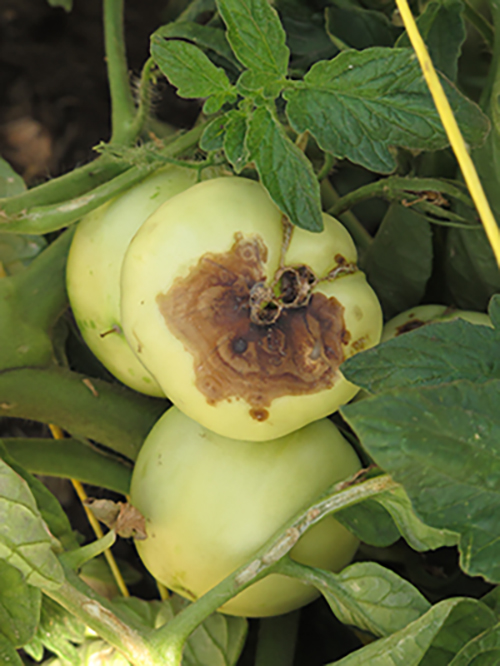
It started innocently enough. I was admiring my tomatoes, plump, green, full of promise, when I noticed something horrifying. The bottoms were turning black. Not dramatic, gothic black. More like “forgot to pay the calcium bill” black.
Blossom‑end rot. The name sounds poetic, but it’s really just nature’s way of saying, “You messed up your watering schedule again.” I stared at the sad fruit, muttering, “Oh sure, rot at the end. Why not go for the middle next time? Really commit to the bit.”
I googled solutions while drinking coffee and crying. The internet told me to add calcium, water evenly, and stop panicking. I did two of those things. I crushed eggshells like a medieval apothecary, sprinkled them around the plants, and whispered, “This is your calcium therapy. Don’t say I never do anything nice for you.”
The soil, as usual, judged me silently. The basil looked smug. The cucumbers pretended not to notice. The tomatoes just kept rotting, as if to spite me personally.
Then came the advice from every gardening forum: “It’s not the plant’s fault, it’s yours.” Oh, thank you, Brenda from Zone 6, I hadn’t realized I was personally responsible for the emotional well‑being of my tomatoes. I’ll just add “calcium counselor” to my résumé.
I tried everything, crushed eggshells, bone meal, even a desperate offering of Tums. The garden looked like a pharmacy exploded. I watered evenly, or at least I think I did; the hose kinked halfway through, and I took that as divine punishment.
Of course, all that calcium I heroically dumped into the soil won’t actually help this season. It takes time to break down , months, sometimes longer , which means my tomatoes will continue their tragic performance while the soil slowly digests my efforts. Blossom‑end rot isn’t really a calcium problem; it’s a watering problem wearing a fancy name tag. Uneven watering makes the plant panic, and when tomatoes panic, they rot dramatically, as if auditioning for a Shakespearean tragedy.
So yes, I’ve learned that the cure for blossom‑end rot isn’t more calcium , it’s consistency. Water evenly, stay calm, and resist the urge to throw eggshells like confetti. The garden doesn’t need theatrics; it needs therapy and a functioning hose.
By the end of the week, I was pacing the rows like a detective in a crime drama, muttering, “Who killed the calcium?” The tomatoes remained silent, their blackened ends glistening in the sun like tiny accusations.
I’ve decided blossom‑end rot is less a disease and more a personality test. It asks, “How much chaos can you endure before you start talking to your plants like coworkers who missed a deadline?”
Blight Strikes Back
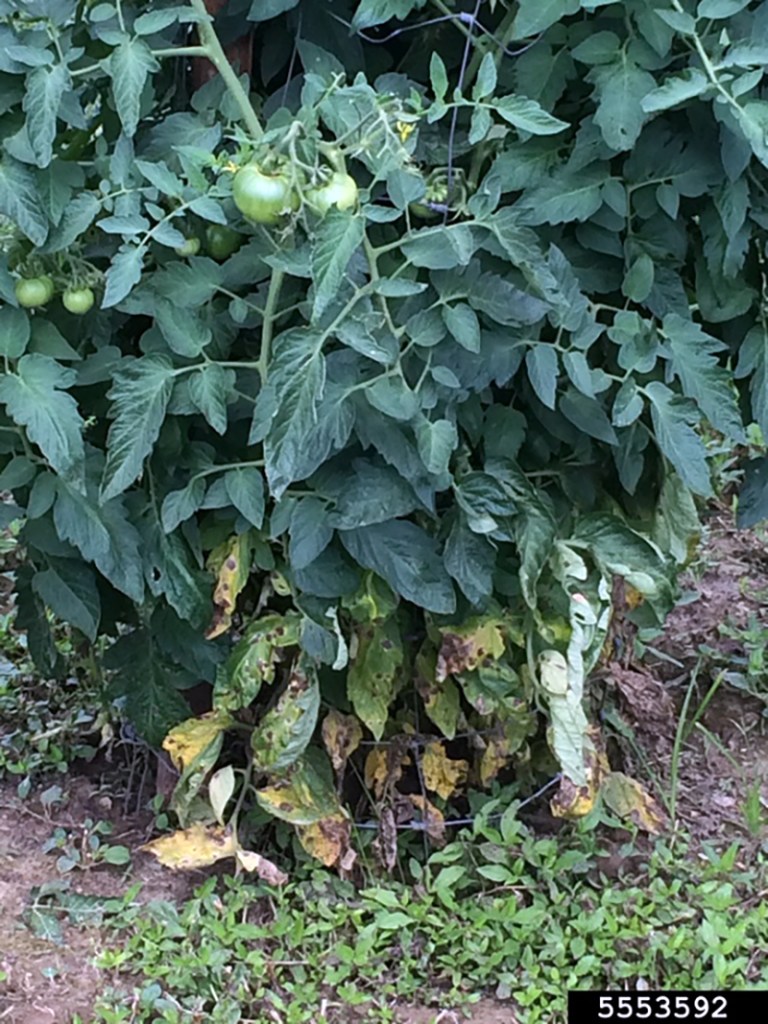
Just when I thought I’d survived the calcium crisis, early blight strutted in like a villain entering stage left. Brown spots appeared on the leaves, small at first, then spreading faster than gossip at a garden club. I stared at them, horrified, as if my tomatoes had suddenly joined a cult.
Early blight doesn’t sneak; it announces itself. It’s the drama queen of fungal infections. One day your plants are thriving, the next they look like they’ve been through a bad breakup. I trimmed the infected leaves, sprayed organic fungicide, and gave a motivational speech. “You are strong! You are photosynthetic! You will not die on my watch!” The tomatoes ignored me, obviously.
By noon, I was sweating, swearing, and narrating my own downfall. “Here we see the gardener, losing her mind while pretending to understand spore propagation.” I brewed compost tea that smelled like despair and hope, poured it over the soil, and prayed to the gods of nitrogen.
The blight didn’t care. It spread anyway, like a rumor that refuses to die. I considered burning the garden down and starting a basil farm instead. Basil never betrays you, it just bolts dramatically when you forget to water it.
I tried every remedy: copper spray, neem oil, whispered threats. The blight laughed in spores. It’s not just a disease; it’s a lifestyle. It thrives on humidity, chaos, and my tears. I even caught myself bargaining with it. “Okay, you can have the bottom leaves, just leave the fruit alone.” Spoiler: it did not negotiate.
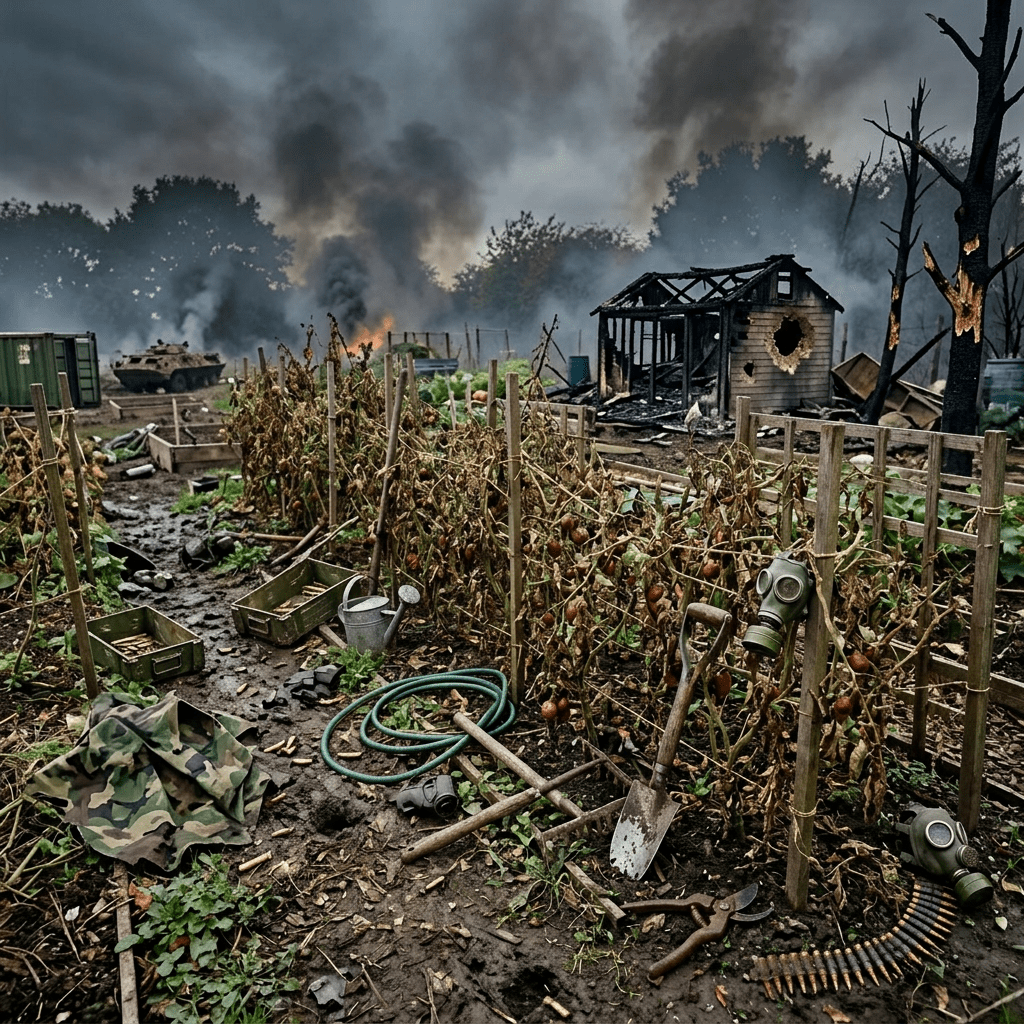
By evening, I accepted my fate. The garden looked like a battlefield, the tomatoes spotted and weary, the gardener emotionally compromised. I poured myself a glass of wine and toasted the survivors.
Early blight, I’ve decided, is the garden’s way of teaching humility. You can’t control everything, not the weather, not the fungus, not your own tendency to overwater out of guilt. You just keep pruning, keep spraying, and keep pretending you’re in charge.
Tomorrow, I’ll wake up, drink too much coffee, and do it all again. Because rage, when properly composted, becomes resilience , and resilience, apparently, is what keeps the tomatoes alive and the gardener only slightly unhinged.
Discover more from Anything Agriculture
Subscribe to get the latest posts sent to your email.
