
The Hornworm War
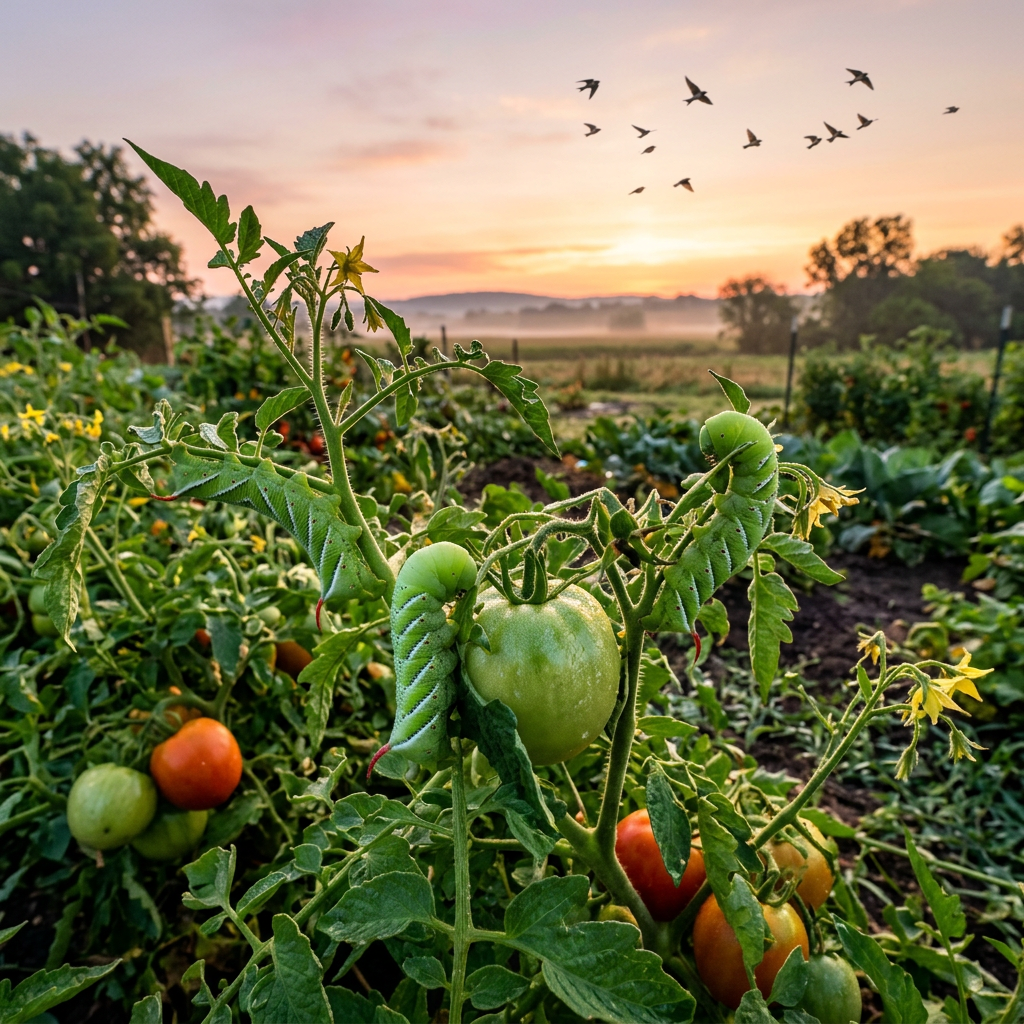
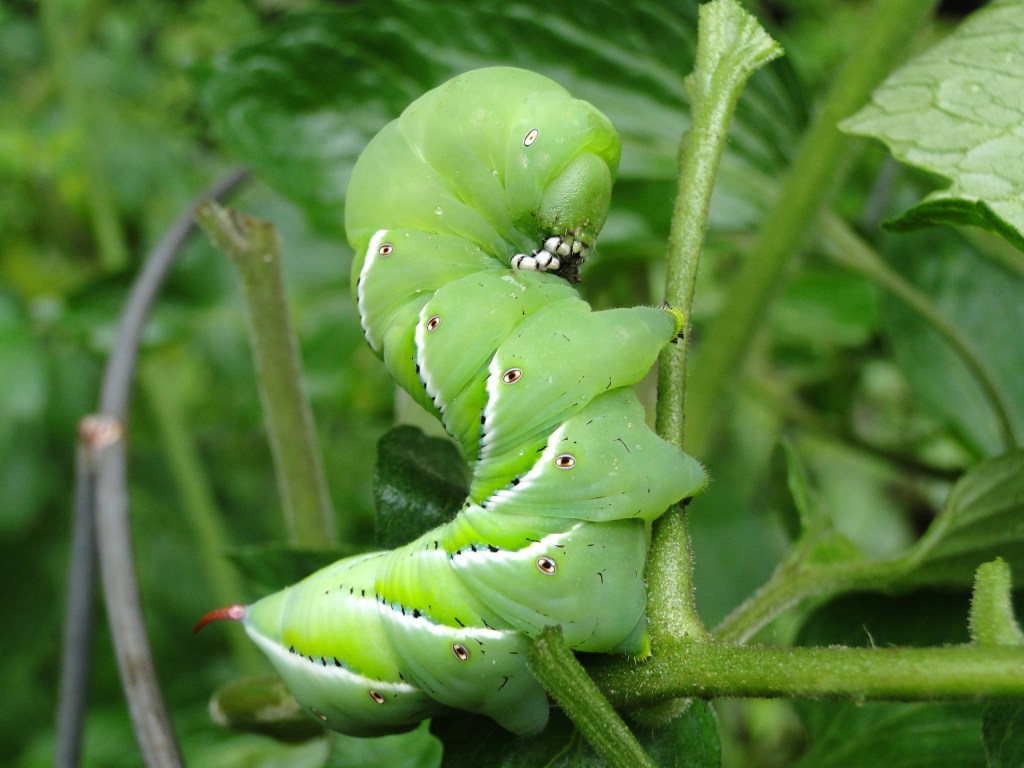
The hornworms have returned, fat and smug, like tiny green tanks rolling through my tomato empire. They chew with confidence, as if they’ve signed a treaty granting them unlimited salad rights. I did not sign that treaty. I signed up for vengeance.
At dawn, I launch my counterattack. Armed with pruning shears and caffeine, I march into the field like a general who forgot her helmet but remembered her rage. The hornworms cling to the undersides of leaves, pretending to be innocent. I know better. I’ve seen their work. They leave behind half‑eaten tomatoes like crime scenes.
I spot the first one — enormous, glistening, and smug. I whisper, “You picked the wrong garden.” Then I remove it with the precision of a surgeon and the fury of someone who just found aphids on her roses. I crush it between my fingers, whispering a eulogy that mostly consists of swear words.
The birds join the battle. Wrens and robins swoop in like feathery fighter jets, feasting on the enemy while I cheer them on. “Get him, boys!” I yell, startling the neighbor’s cat. The air fills with victory songs and worm guts. It’s glorious.
I plant basil and dill as decoys, the espionage agents of the garden. Their scent confuses the enemy and attracts reinforcements. The hornworms don’t stand a chance. I even start naming my troops — Basil the Brave, Dill the Distractor, and Tomato the Eternal Victim.
By midday, I’m sweating, swearing, and narrating my own war documentary. “Here we see the commander in her natural habitat, losing her mind but saving her crops.” The soil listens patiently, absorbing my rage and turning it into nitrogen. It’s the only therapist that doesn’t charge by the hour.
When the battle ends, I stand among the vines, hands stained green, victorious but slightly unhinged. The hornworms are gone, the garden scarred but alive. I salute the survivors and promise them compost tea and emotional support.
Tonight, I drink to victory — and to the rage that keeps my garden growing. Tomorrow, the hornworms may return, but so will I, armed with caffeine, sarcasm, and a deep, unrelenting love for this ridiculous battlefield.
Disease and Decay
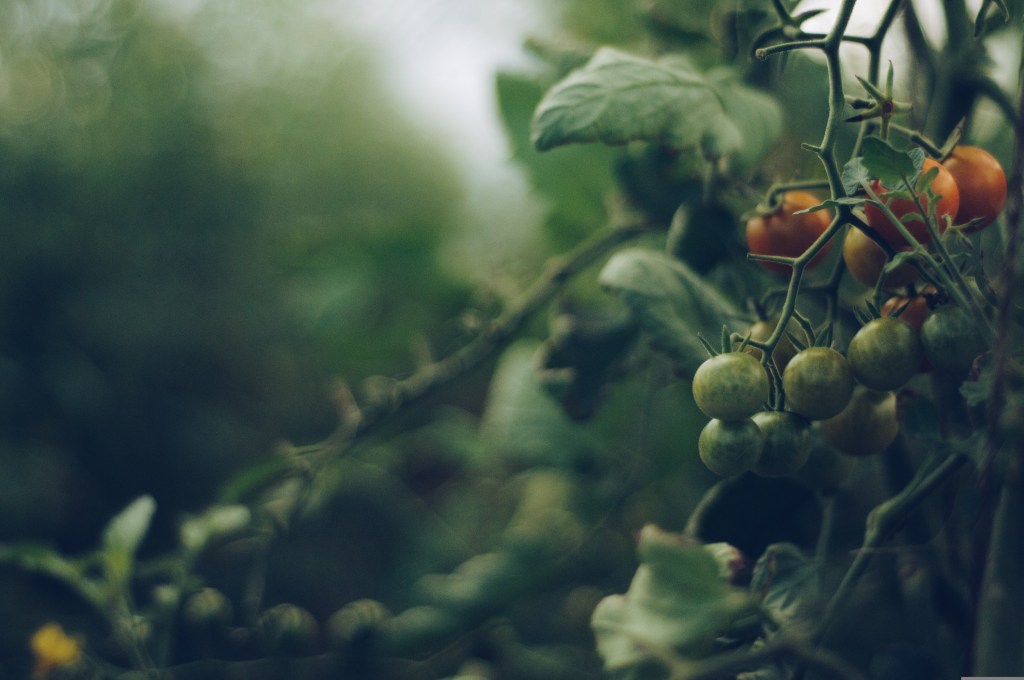
The hornworms are gone, but peace is a myth. The garden now suffers from post‑traumatic stress and fungal blight. The tomatoes look like they’ve seen things. The peppers are drooping like soldiers who just want to go home. I walk the rows like a weary medic, armed with pruning shears and denial.
Blight creeps in like gossip at a family reunion. One leaf turns black, then another, and suddenly everyone’s infected. I cut away the diseased branches, whispering, “It’s not you, it’s me,” like a breakup I didn’t want. The compost pile becomes a graveyard of regrets.
I brew compost tea like a witch, making potions for emotional recovery. It smells like swamp and hope. I pour it over the soil and tell myself it’s healing, even though it mostly smells like something that could summon frogs.
The garden is dramatic, but I can’t blame it. We’ve been through war. Now we’re in therapy. I talk to the plants about resilience while they quietly rot. The cucumbers pretend they’re fine, but I can tell they’re not. The basil has started stress‑flowering again.
I remind myself that rot is not failure. It’s a transformation. The fallen leaves become mulch, the blackened stems feed the worms, and the worms judge me silently while doing their job better than I do mine.
By evening, I’m sitting beside the compost pile like it’s a campfire, sipping wine and reflecting on my life choices. The garden hums softly, decomposing in rhythm. It’s strangely peaceful. I realize that rage doesn’t just destroy — it rebuilds. It’s the fertilizer of persistence.
Tomorrow I’ll replant. Tonight, I’ll toast to decay, because even in ruin, the garden is still teaching me how to grow.
Allies in the Battle and The Doctrine of Resilience
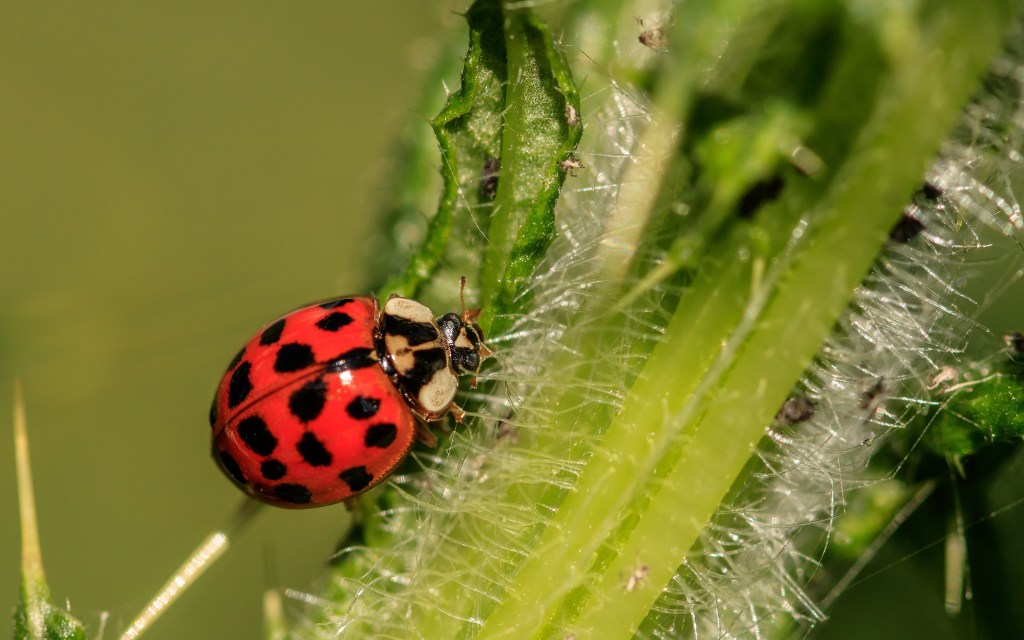
The war is over, but the peace talks are a mess. The garden has formed alliances without consulting me. The ladybugs have taken over pest control, the lacewings are running reconnaissance, and the birds have declared themselves air support. I am apparently just the janitor with a watering can.
The ladybugs patrol the leaves like tiny red tanks, devouring aphids with the enthusiasm of toddlers at a snack table. The lacewings float around like ethereal spies, pretending they’re delicate while their larvae eat everything that moves. I salute them daily, mostly because they’re doing my job better than I am.
The robins and wrens have become my aerial division. They swoop in, feast on hornworms, and sing victory songs that sound suspiciously smug. I cheer them on like a deranged coach yelling, “Take the big one! He’s chewing the heirlooms!” The birds ignore me, obviously, but I like to think we’re
Discover more from Anything Agriculture
Subscribe to get the latest posts sent to your email.
