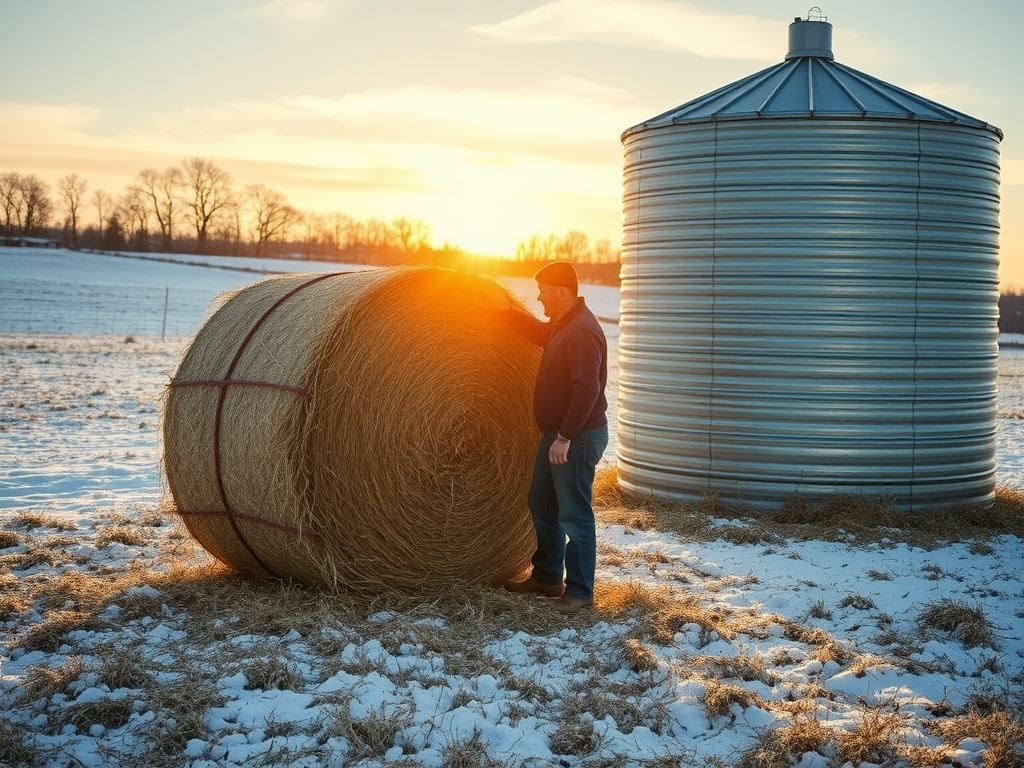
As winter approaches, livestock producers must strategize to keep their animals healthy. Three primary methods—hay, silage, and rotational grazing—offer unique benefits and challenges. Combining these approaches can create a resilient system, ensuring adequate nutrition, enhancing soil health, and reducing costs while adapting to the specific needs of each farm.
Category Archives: Sustainable homestead
Rotational Grazing After the Last Cut” – How to manage pasture health heading into winter.
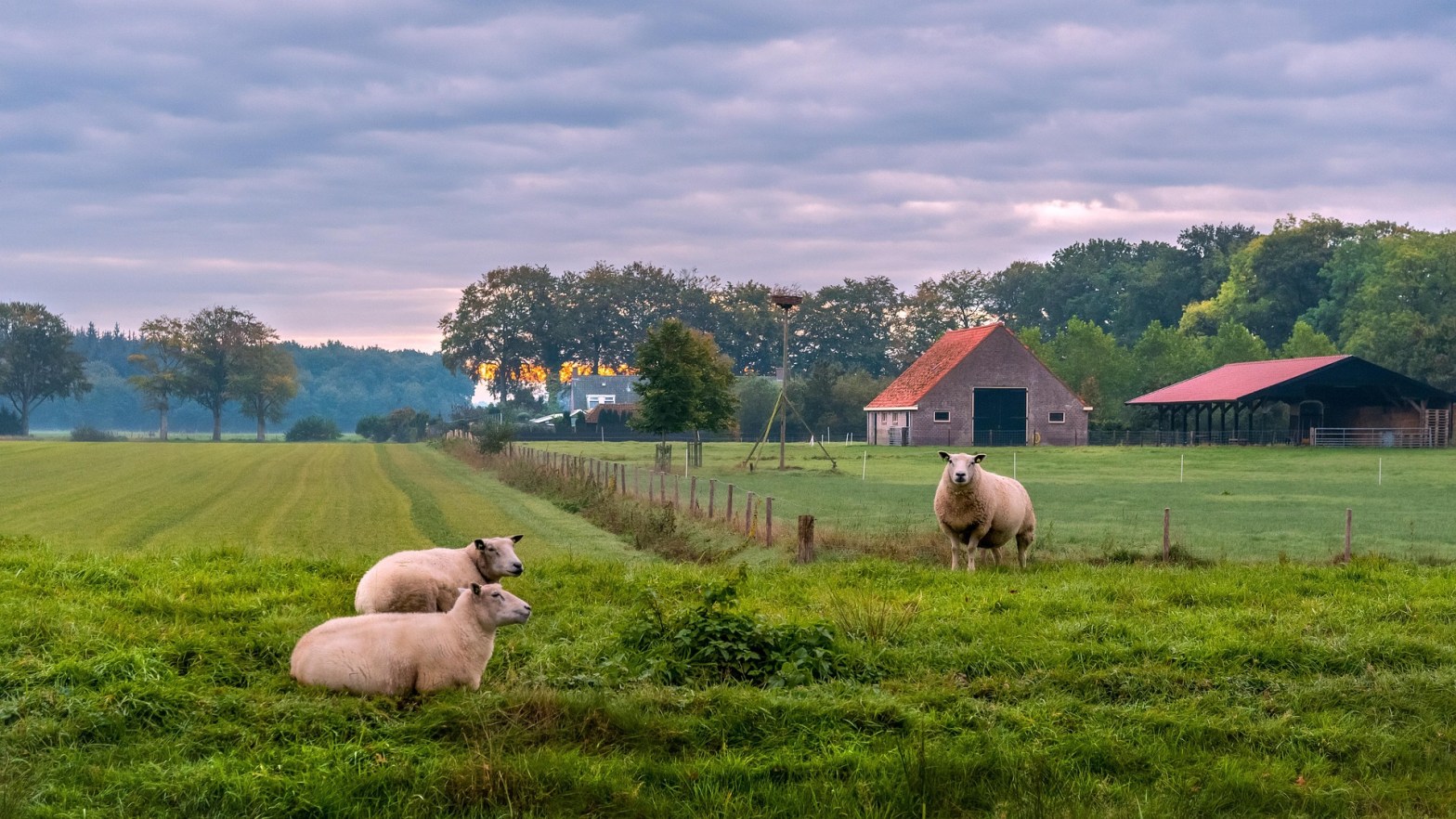
Fall is crucial for rotational grazing, preparing pastures for winter and enhancing year-round resilience. Strategic adjustments in stocking rates, sowing cool-season forage, and protecting regrowth improve soil health, extend grazing, and reduce feed dependency. Careful fall planning cultivates effective grazing systems, ensuring livestock welfare and sustainable agricultural practices.
Sunlight’s Last Stand: Fueling the Garden When the Light Fade

Fall gardening isn’t about fading light—it’s about fierce strategy. As sunlight retreats, photosynthesis slows and soil microbes stall. But rage gardeners adapt. Learn how to fuel your fall garden with resilient crops, compost layering, and tactical mulching. Discover fall gardening tips that turn seasonal decline into underground resilience.
Rage Garden Roots

Composting is rebellion with a purpose. It transforms kitchen scraps and garden waste into nutrient-rich fuel that feeds your soil, boosts microbial life, and builds resilience from the ground up. Whether you’re trenching banana peels or running a worm bin, composting turns waste into power—and your garden into a fortress.
Frost vs. Rage Garden: The Final Harvest Hustle

Frost’s coming. Your rage garden doesn’t flinch—it gears up. Cover like you’re hosting a ghost convention. Mulch like you’re hiding evidence. Hydrate like it’s the last warm drink before bed. Whether it’s buckets, burlap, or black cloth that traps heat like tactical gear, your garden’s not just surviving—it’s staging a full-blown resistance.
Rage Garden Reality Check: What You Thought You’d Harvest vs. What Actually Showed Up
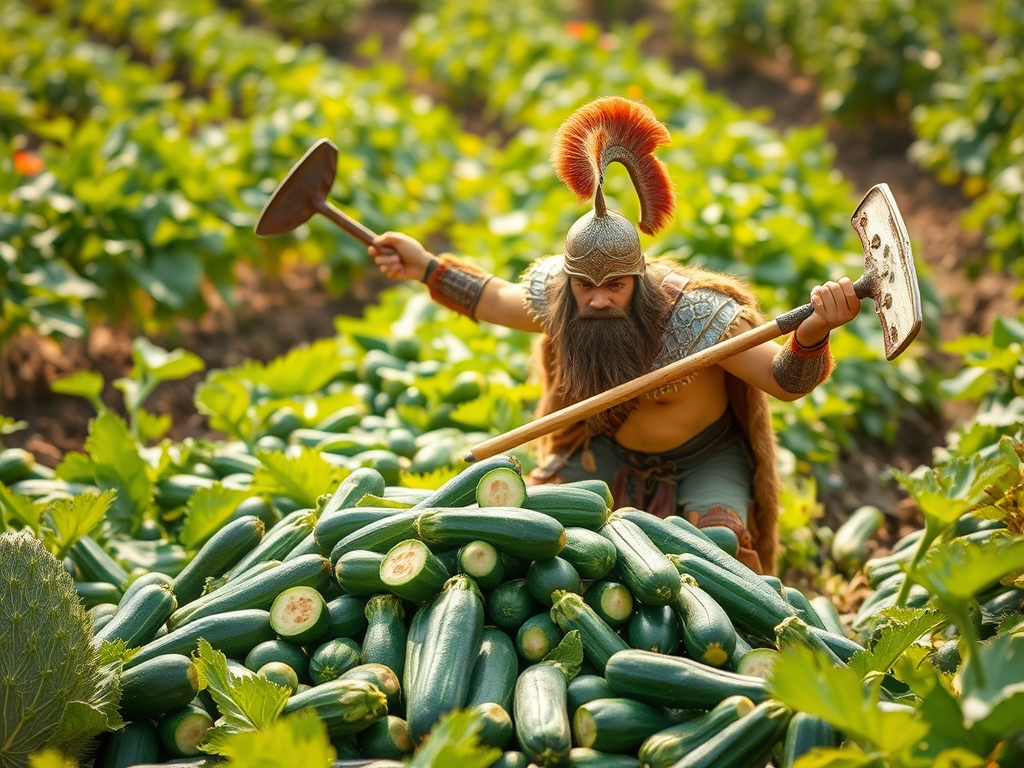
Reflect on the comedic chaos of an unexpected zucchini harvest, highlighting the gap between garden planning and reality. It offers creative storage solutions and ways to utilize excess produce, like cooking, crafting, and trading. Emphasizing resilience, it encourages adjusting future planting based on actual yields and making the most of abundance.
Rage Gardening Fall Gardens: Because Summer Doesn’t Own the Soil

Who decided summer was the only season for growing food? Probably the same people who think a pristine lawn is a personality. But here’s the truth: fall gardens are fierce. They yield like champs, laugh in the face of pests, and demand less water while giving you more back. The catch? Winter’s lurking. Frosts creepContinue reading “Rage Gardening Fall Gardens: Because Summer Doesn’t Own the Soil”
Create a Business Plan for Your Small Farm Homestead
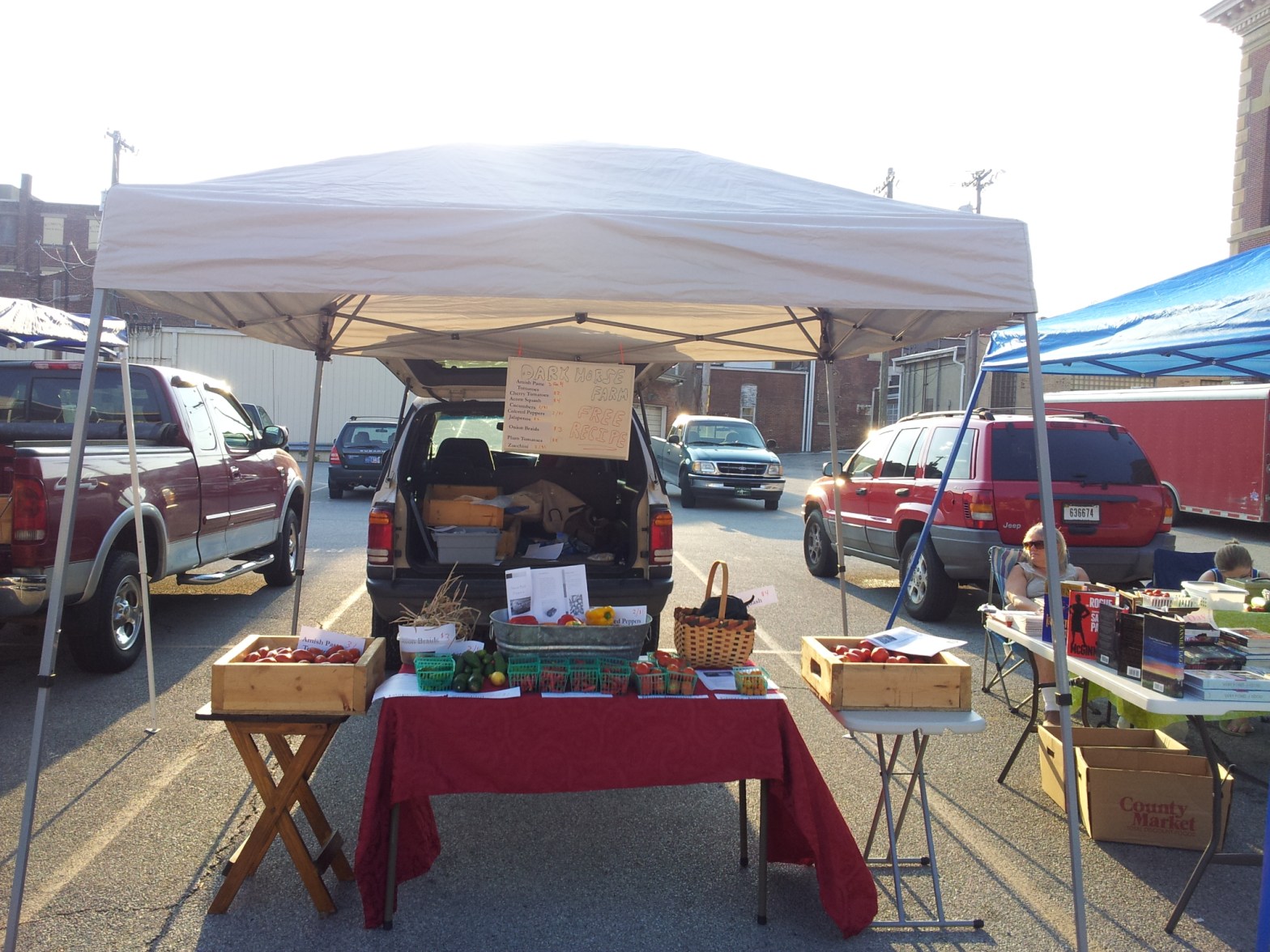
To transform your homestead into a thriving business, creating a solid business plan is essential. This plan clarifies your vision, aids financial management, secures funding, ensures legal compliance, and fosters risk management. By outlining your products, market strategy, and operational framework, you can effectively navigate challenges and enhance your business’s sustainability.
Smart Homesteading: Hacks to Save Time and Effort

The article presents time-saving homestead hacks to enhance productivity and reduce effort. Key strategies include batch processing, automation, multi-tasking, raised garden beds, mulching, rainwater collection, and efficient composting. These methods streamline chores and optimize resources, allowing homesteaders to focus on what matters most while enjoying their farming experience.
The Well-Placed Rage Garden: Companion Planting Your Allies

In the garden battlefield, Ann carefully plants her crops like warriors, forming strategic alliances for mutual defense and growth. Companion planting enhances soil health, controls pests, and improves yield. However, certain combinations can be detrimental. Ultimately, this collaborative ecosystem thrives, leading to a bountiful harvest and a victorious garden.
