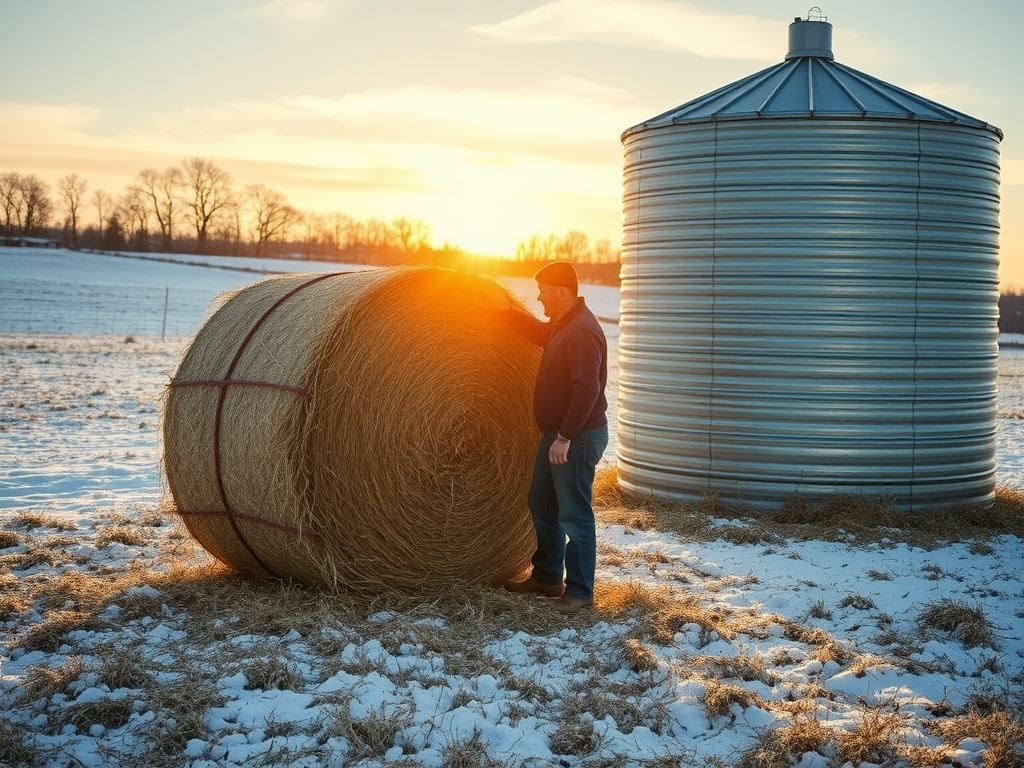
As the growing season fades and frost begins to bite, livestock producers face a critical challenge: how to keep animals fed, healthy, and thriving through winter. Whether you’re raising cattle, sheep, or goats, your forage preservation strategy isn’t just about feed—it’s about soil health, pasture recovery, and keeping feed costs from spiraling. So let’s break down the three main approaches—hay, silage, and rotational grazing—and explore how to build a winter system that’s as tough and adaptable as you are.
Hay: The Backbone of Winter Feeding
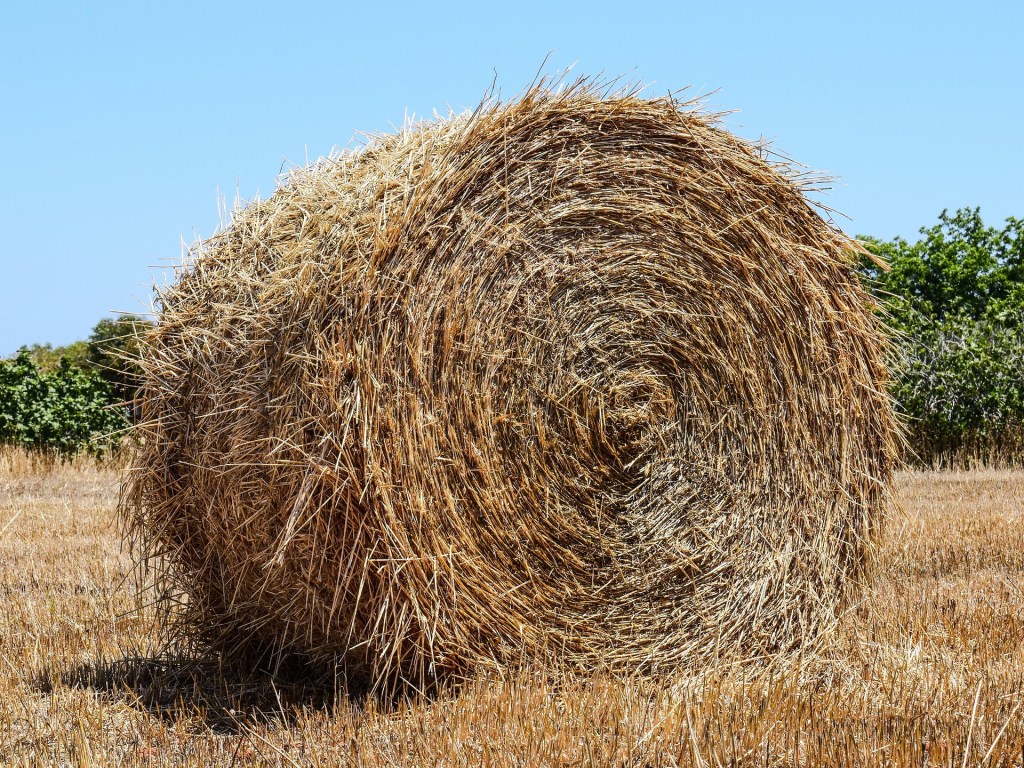
Hay is the old reliable—dried grasses or legumes, cut and baled at peak growth. It’s familiar, accessible, and can be harvested from surplus summer pasture. When stored properly, hay offers a long shelf life and is easy to transport and feed. But it’s not without its drawbacks. The drying process is weather-dependent, and nutrient loss during curing and storage is common. Producing hay also demands serious labor and equipment, and it often needs supplementation to meet protein and energy needs. For small to mid-sized operations with solid hay storage and equipment access, hay remains a cornerstone of winter feeding—but it’s not the whole story.
Pros:
- Long shelf life when stored properly
- Easy to transport and feed
- Familiar and accessible for most producers
- Can be harvested from excess summer pasture
❌ Cons:
- Weather-dependent drying process
- Nutrient loss during curing and storage
- Requires significant labor and equipment
- May need supplementation for protein and energy
Best for: Small to mid-sized operations with reliable hay storage and equipment access.
Silage: Power-Packed Forage for High-Performance Herds

Silage flips the script. Instead of drying, it ferments—locking in moisture and nutrients. Made from crops like corn, sorghum, or grass and stored in airtight conditions, silage delivers higher energy and digestibility than hay. It’s less vulnerable to weather during harvest and makes efficient use of forage crops. That said, silage demands specialized equipment and storage, and if it’s not sealed properly, spoilage can ruin the batch. It’s heavier, harder to transport, and often cost-prohibitive for smaller farms. But for larger operations—especially those focused on dairy, finishing beef, or intensive feeding—silage is a nutritional powerhouse worth the investment.
Pros:
- Higher energy and digestibility than hay
- Less weather risk during harvest
- Efficient use of forage crops
- Ideal for dairy and fast-growing animals
❌ Cons:
- Requires specialized equipment and storage
- Risk of spoilage if not properly sealed
- Heavier and harder to transport
- Can be cost-prohibitive for small farms
Best for: Larger operations or those focused on dairy, finishing beef, or intensive feeding.
Rotational Grazing: Grazing Smarter, Not Harder
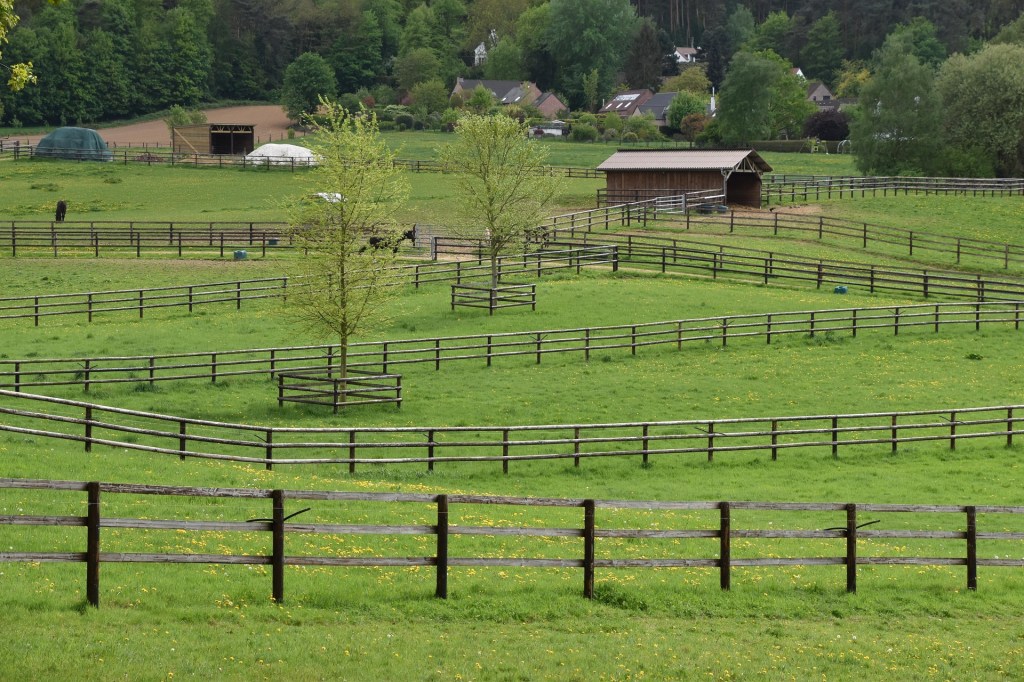
Rotational grazing is more than a feeding strategy—it’s a philosophy. By moving livestock through paddocks, you allow forage to recover, improve soil health, and extend the grazing season deep into winter. It’s a cost-effective way to maximize pasture use, support animal welfare, and integrate stockpiled forage or cover crops. But it’s not a set-it-and-forget-it system. Strategic planning, fencing, and a keen eye on forage availability are essential. Snow cover can limit access, and not all pastures are winter-grazeable. Still, for producers committed to regenerative practices, rotational grazing is a game-changer—especially when paired with backup hay or silage.
Pros:
- Reduces feed costs by maximizing pasture use
- Improves soil health and forage regrowth
- Supports animal welfare and natural behavior
- Can integrate stockpiled forage and cover crops
❌ Cons:
- Requires strategic planning and fencing
- Limited by snow cover and forage availability
- May need hay or silage supplementation
- Not all pastures are winter-grazeable
Best for: Producers committed to regenerative practices and year-round pasture management.
The Strategic Blend: Building a Resilient Winter System
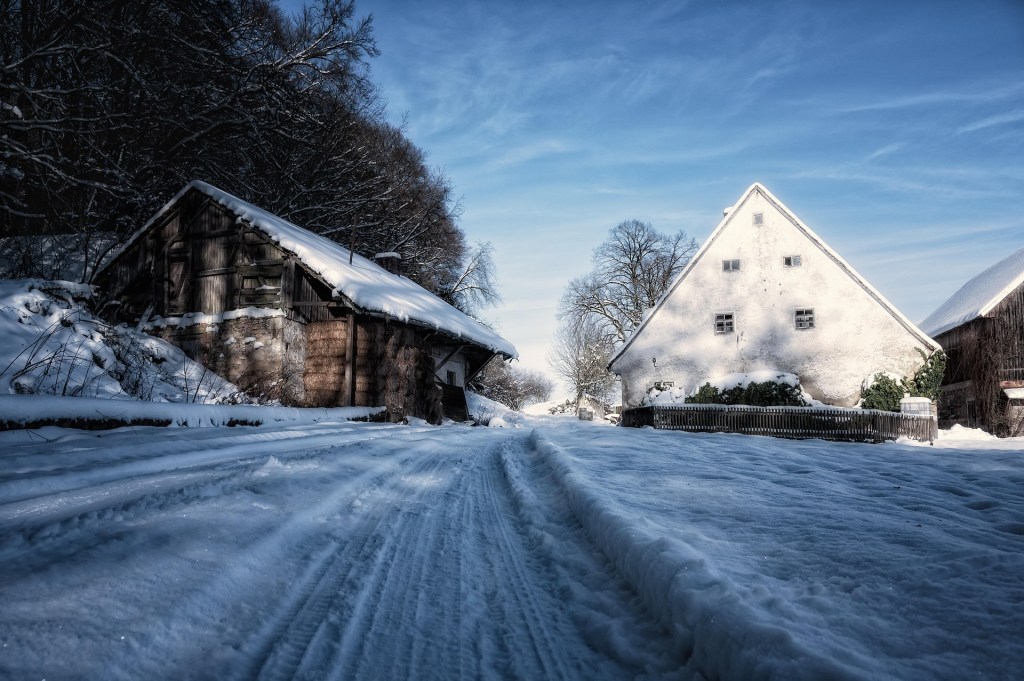
Here’s the truth: no single method fits every farm. The most resilient overwintering systems combine hay, silage, and rotational grazing in a way that suits your land, your animals, and your goals. Use rotational grazing to stockpile fall forage and reduce reliance on stored feed. Harvest hay from summer surplus to build your winter reserves. And when weather throws a curveball, silage can fill the nutritional gap with high-energy feed. By diversifying your approach, you protect your soil, support your livestock, and reduce winter stress—for both animals and farmers.
scribing, you’ll gain access to a wealth of valuable information that can save you thousands of dollars and hundreds of hours of time. Don’t miss out—sign up today and start benefiting from expert insights and exclusive content!
Don’t forget to check out Anything Agriculture on social media! Follow us on YouTube, Facebook, and Instagram, for more great content. Like and subscribe to stay connected!
Ready to take your homesteading journey to the next level? Book an appointment with me today! With decades of experience, I provide personalized advice to solve any homesteading challenge. Whether you’re a newbie or a seasoned homesteader, I offer expert guidance to make your homestead thrive. Don’t miss out—schedule a chat and unlock the full potential of your homestead with Anything Agriculture. Let’s turn your dreams into reality!


All Rights Reserved
Discover more from Anything Agriculture
Subscribe to get the latest posts sent to your email.
