
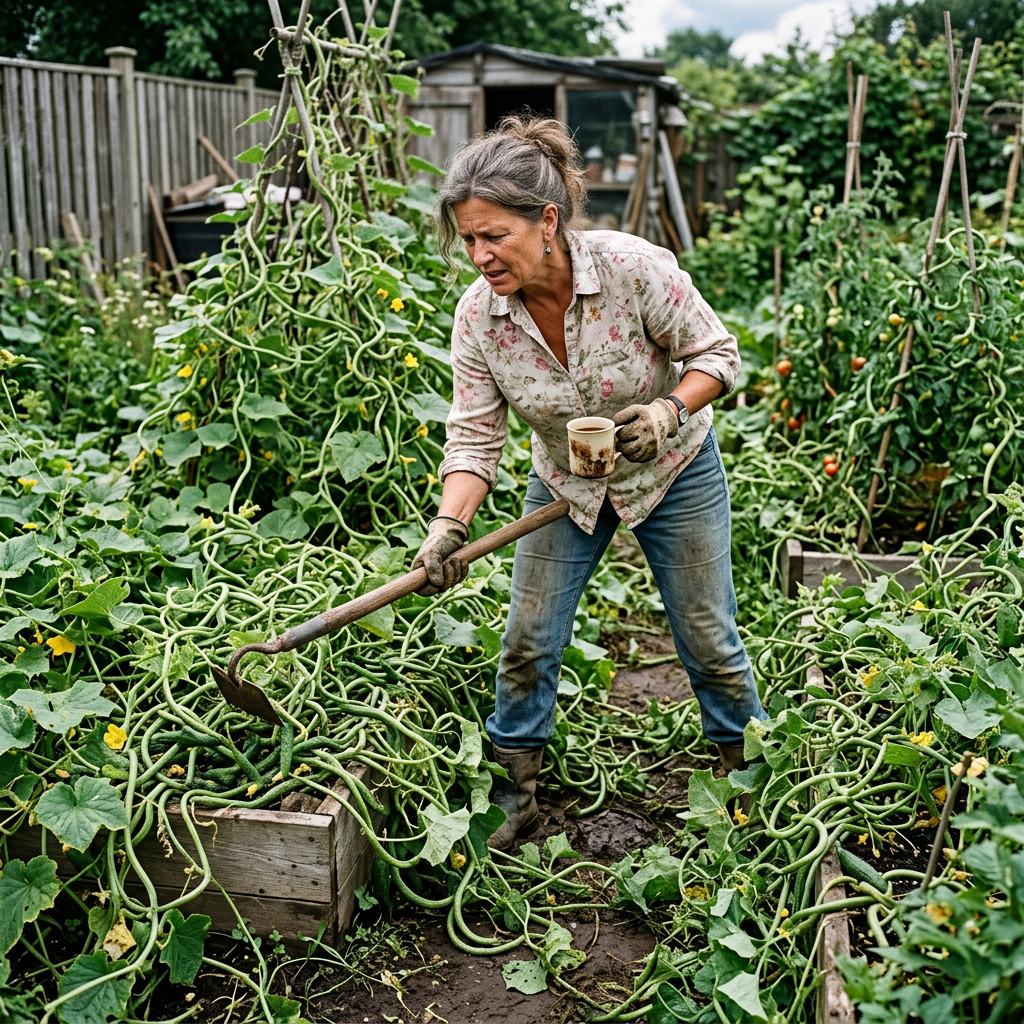
A Chronicle of Cucumbers, Chaos, Bitterness, Burping, Beetles, and the Over‑Caffeinated Gardener Who Dared to Plant Them
Cucumbers are not plants. They are serpents masquerading as vegetables — green, coiling creatures that slither across the soil with ancient intent. You plant one seed, naïvely believing you will harvest a few crisp fruits for salads. The Vine Serpent laughs. It stretches, curls, climbs, and conquers, claiming territory with the confidence of a creature who remembers when humans still worshipped gourds. Every morning you step into the garden, coffee in hand, only to discover the cucumbers have advanced another foot, wrapped themselves around the trellis, and begun negotiations with the tomatoes. And yet — despite the chaos, despite the serpentine sprawl, you feel a thrill. You grin into your mug and think, maybe this gardening thing isn’t so bad after all.
The Bitterness Curse — Why Cucumbers Turn on You
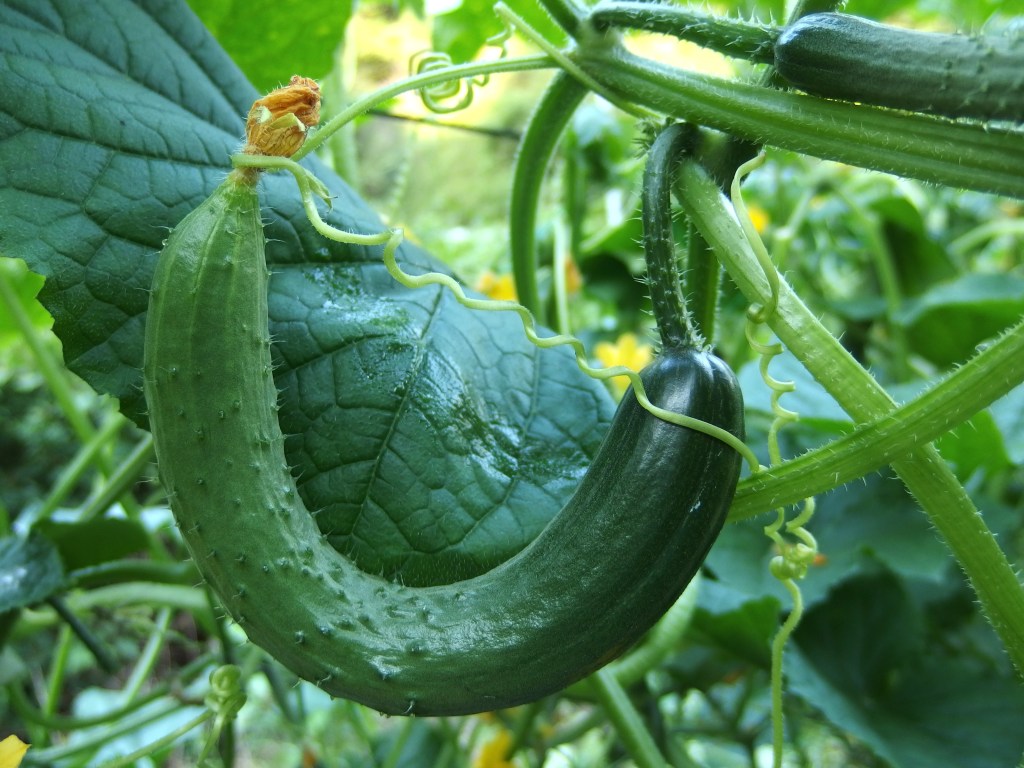
Bitterness is the Vine Serpent’s emotional language. When cucumbers become stressed, they produce cucurbitacins, chemical compounds that make their flesh taste like regret and betrayal. Heat waves, drought, inconsistent watering, overcrowding, and pest damage all trigger this bitterness. A cucumber under duress becomes sharp, harsh, and unkind, a plant lashing out at the world.
Bitterness lives mostly in the skin and the stem end of the cucumber; that’s where cucurbitacins concentrate, the Vine Serpent’s venom pooling in the places closest to its heart. You can tame mild bitterness: peel away the serpent’s outer hide, slice off the stem end like a tiny exorcism, scoop out the seeds where stress likes to settle, salt the slices to draw out the harshness, or plunge the pieces into an ice bath as a cooling ritual. But once the serpent has chosen violence, once the entire cucumber tastes like botanical rage, nothing will save it. Extreme heat, drought, inconsistent watering, overcrowding, or pest attacks flood the fruit with cucurbitacins until the whole thing becomes a sharp, spiteful lash of green. Bitterness is the Vine Serpent’s emotional language. A cucumber under duress becomes harsh and unkind, a plant lashing out at the world and at you, the over‑caffeinated gardener who dared to plant it., lying still in the sun instead of striking at your tastebuds
Preventing bitterness requires treating cucumbers like the dramatic creatures they are. Water deeply and consistently, mulch generously, and give them space so they don’t feel suffocated. Harvest early, before the serpent has time to brood. Protect them from pests that trigger stress responses. A calm cucumber is a sweet cucumber, and a sweet cucumber is a serpent temporarily appeased.
Pickling vs. Slicing Cucumbers
Warriors and Diplomats
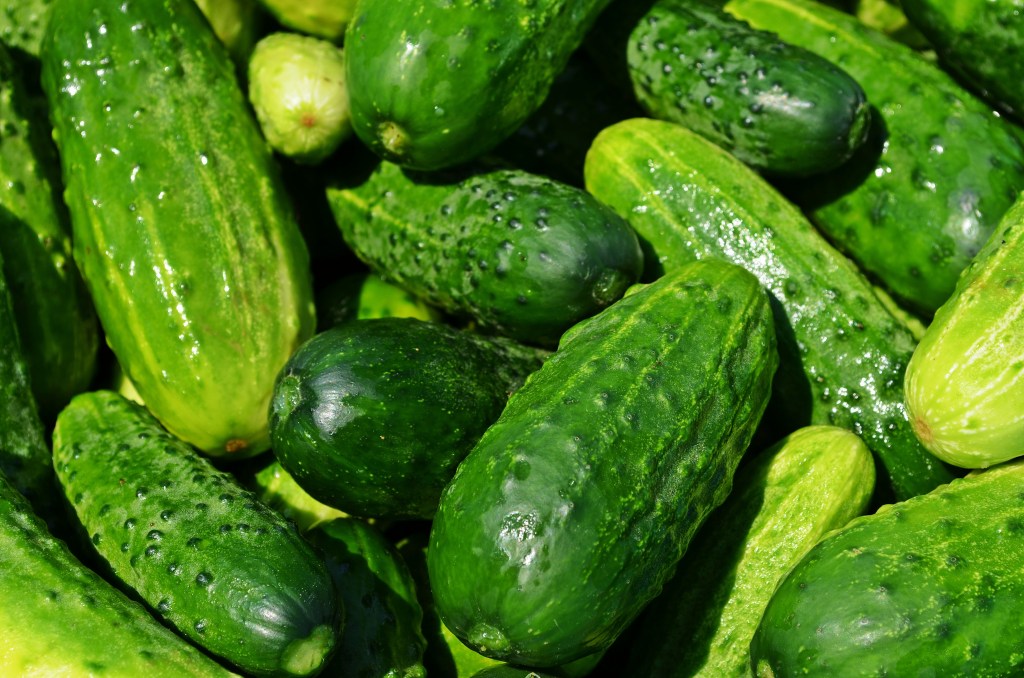
Within the Vine Serpent species, two distinct tribes exist. Pickling cucumbers are short, bumpy, and thick‑skinned, bred for battle, brine, and the harsh trials of fermentation. They are crisp, sturdy, and ready to be transformed into spears, chips, and relish. Slicing cucumbers, long and smooth, are gentler creatures meant for fresh eating. Their thin skin and juicy flesh make them ideal for salads, sandwiches, and cooling summer dishes. Picklers are warriors. Slicers are diplomats. Both serve the Vine Serpent empire in their own way but they are not always interchangeable. A slicing cucumber thrown into a pickle jar will often turn soft and soggy, unable to withstand the acidic battlefield. A pickling cucumber sliced for a salad will be firmer, denser, and less juicy, a warrior trying to attend a peace summit. You can swap them in a pinch, but the results will never be perfect; each tribe was bred for its own destiny. In the Rage Garden, respecting the roles of the serpent’s clans keeps the harvest harmonious and prevents culinary disappointment.
Seedless Cucumbers — The Aristocrats of the Serpent Line
English cucumbers, wrapped in plastic like royalty, are parthenocarpic, they produce fruit without pollination. They contain no seeds, little bitterness, and fewer compounds that cause digestive distress. These cucumbers are refined, delicate, and dramatically sensitive to environmental changes. They do not participate in the uprising. They glide through summer like aristocrats, fainting at the idea of stress. If cucumbers had a nobility class, English cucumbers would sit on velvet thrones.
Burping — The Serpent’s Revenge
Burping after eating cucumbers is not a personal failing. It is the Vine Serpent’s final act of defiance, a last hiss from deep within its green coils. Cucurbitacins, seeds, and tough skin can spark digestive rebellion, especially in cucumbers grown under stress. To quiet the serpent, you can peel the cucumber, scoop out the seeds, or choose seedless varieties bred specifically to be gentler on the human stomach. These are the burpless cucumbers — modern cultivars created through traditional plant breeding, not GMO sorcery. Gardeners and breeders simply selected the calmest, least dramatic serpents generation after generation until they produced fruit with thinner skins, fewer cucurbitacins, and a much lower chance of digestive protest. Many of today’s slicing cucumbers fall into this category; the serpent has been selectively tamed over time. You can often spot a burpless variety by its long, slender shape, tender skin, and names like “burpless,” “sweet slice,” “Asian long,” or “English.” Those elegant English cucumbers wrapped in plastic? Almost always burpless by nature. Grow these varieties under steady, peaceful conditions — consistent watering, good airflow, and minimal stress — and the Vine Serpent becomes serene, producing fruit that cools the body instead of sparking rebellion. A calm serpent is a sweet serpent, and a sweet serpent is one that doesn’t make you burp in protest.
🧗 Growing Practices — Trellises vs. Ground Chaos
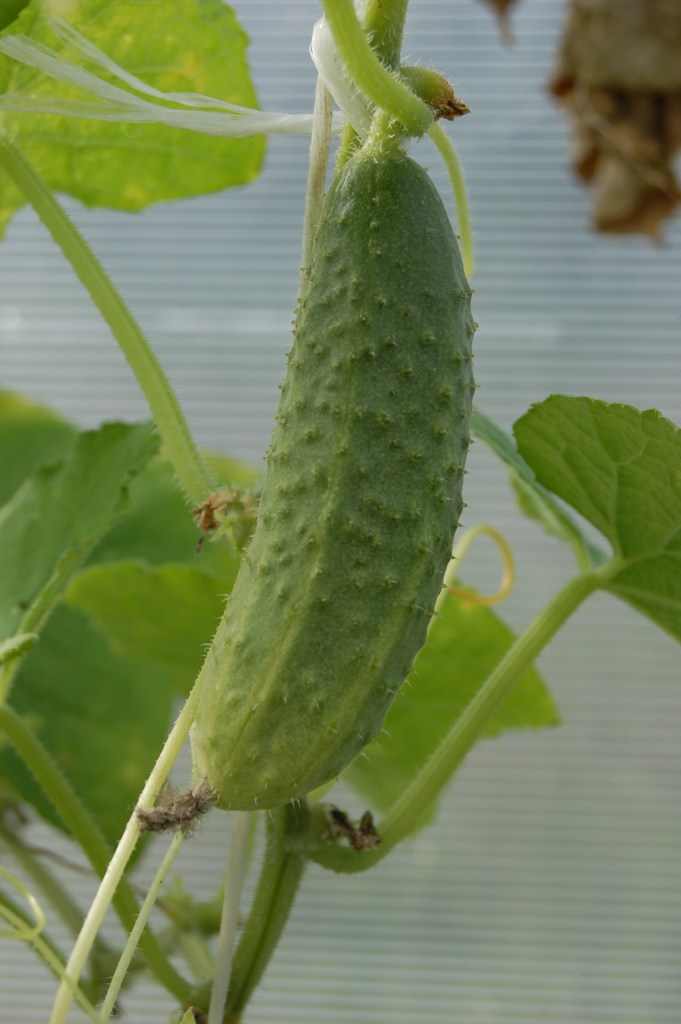
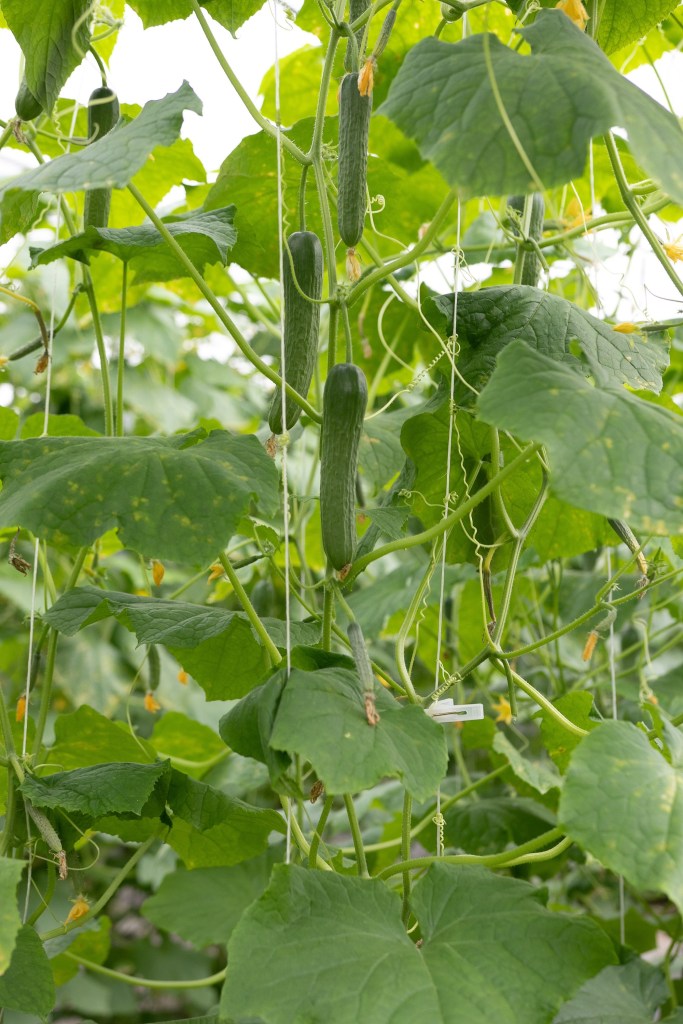
Cucumbers crave verticality. The Vine Serpent wants to climb, coil, and ascend. A trellis gives it structure, airflow, and a clear path upward. Trellised cucumbers suffer fewer diseases, produce straighter fruit, and are easier to harvest. They stay contained, or at least pretend to be.
Growing cucumbers on the ground invites chaos. Vines sprawl in every direction, fruit hides under leaves, pests thrive in the shadows, and rot becomes a constant threat. Ground‑grown cucumbers are wild serpents, free to roam and conquer, slithering across the soil with no respect for borders, boundaries, or your sanity. And if you don’t give them a trellis, they will simply make their own — climbing your tomatoes, strangling your peppers, weaving themselves through your basil, and scaling any nearby plant like opportunistic green acrobats. Trellised cucumbers are serpents with a leash, guided upward and kept in check. Ground cucumbers are serpents on the loose, claiming territory wherever they please. Choose wisely, especially if you are an over‑caffeinated gardener already fighting twelve other battles and do not need a cucumber uprising in your flower beds.
Common Problems — Beetles, Blights, and Betrayals
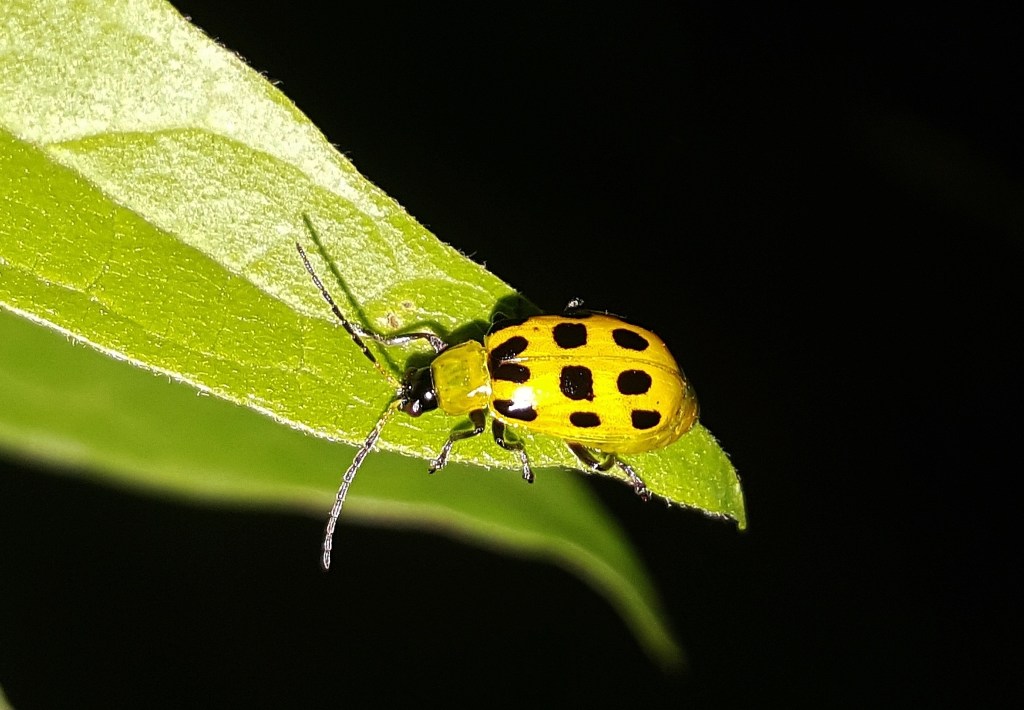
The Vine Serpent attracts enemies. Chief among them is the cucumber beetle, a tiny yellow menace that spreads bacterial wilt, chews leaves, and stresses the plant into bitterness. These beetles multiply with alarming enthusiasm, arriving in swarms like heralds of doom, slipping beneath leaves and into blossoms with the smug confidence of creatures who know they can kill a cucumber with a single infected bite. Controlling them requires strategy, vigilance, and the kind of determination only an over‑caffeinated gardener possesses. Row covers early in the season keep the first wave of beetles from ever reaching the young serpents, buying precious time before the invasion begins. Neem oil disrupts their feeding and breeding, coating the leaves in a bitter warning. Hand‑picking becomes a form of rage therapy, plucking the yellow demons one by one and removing them from the battlefield. Trap crops—sacrificial plants like blue Hubbard squash—lure beetles away from your cucumbers, giving the Vine Serpent room to breathe. Diatomaceous earth sprinkled around the base of the plants turns the soil into a minefield of microscopic blades. And if bacterial wilt strikes, you must remove the infected plant immediately; once the serpent’s veins are compromised, no magic or medicine can save it. Other threats lurk in the shadows as well: powdery mildew creeping across leaves like ghostly frost, squash vine borers tunneling into stems, raccoons and groundhogs raiding under cover of night, and deer who treat your garden like an all‑you‑can‑eat buffet. All are drawn to the serpent’s power. All must be confronted with vigilance, strategy, and enough caffeine to fuel a small rebellion.
Cucumber Folklore — The Ancient Serpent Myths
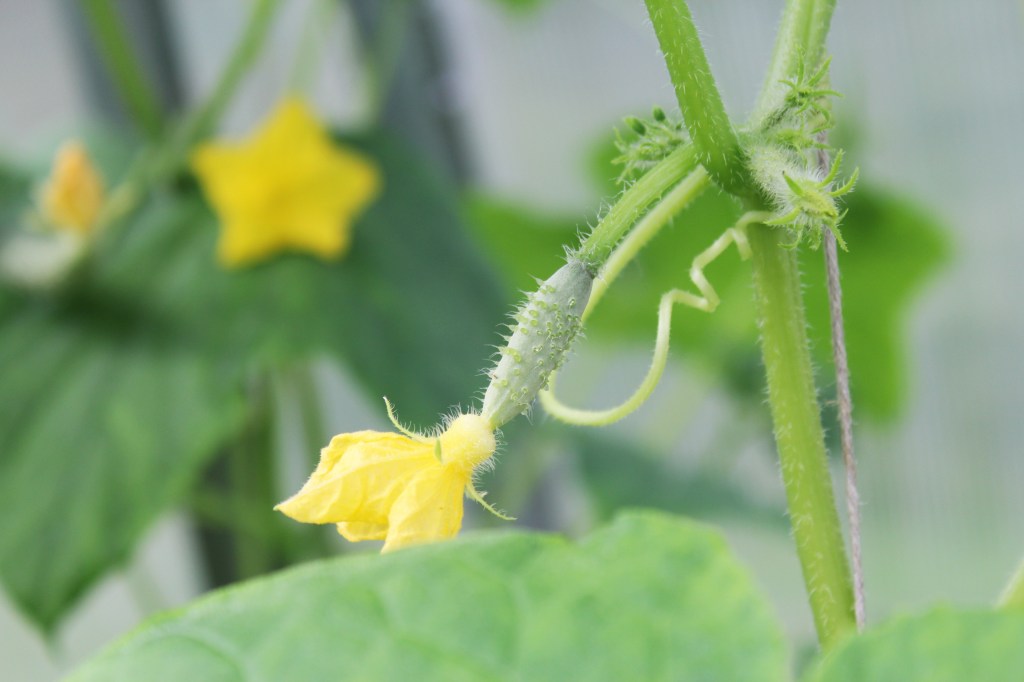
Cucumbers have slithered through human folklore for centuries. In Eastern Europe, cucumbers placed in doorways were believed to ward off evil spirits. Ancient Romans used cucumbers in love potions, believing they symbolized fertility and abundance. In parts of India, cucumbers were offered to deities as symbols of coolness and calm, a charming lie. Appalachian tradition held that cucumbers planted on Good Friday would grow sweeter, blessed by the season’s first sacred soil.
In Rage Garden lore, cucumbers are the Serpents of Summer, ancient beings who test the gardener’s patience, trellis‑building skills, and caffeine tolerance. They are the vines that will not be contained, the green serpents that rise every year to challenge your dominion over the garden.
Cucumbers are not just vegetables. They are trials. They are serpents. They are the green embodiment of summer chaos. They will climb, sprawl, get bitter when stressed, make you burp when dramatic, and summon beetles like tiny demons. But with trellises, water, mulch, and vigilance, you can tame the Vine Serpent. You can harvest crisp, sweet cucumbers. You can pickle the warriors and slice the diplomats. And you can stand victorious in your garden, coffee in hand, whispering: “Behold! My cucumbers thrive. .
Discover more from Anything Agriculture
Subscribe to get the latest posts sent to your email.
