

The Invasion
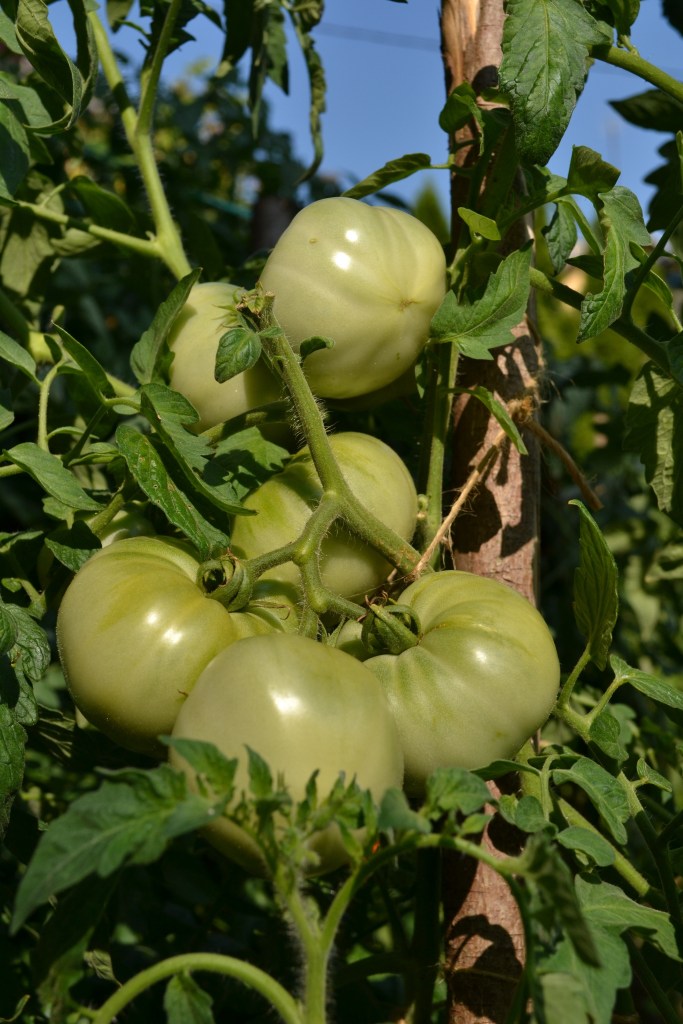
I woke up ready to sip coffee and admire my tomatoes. Instead, I found a scene straight out of a horror movie. The hornworms had arrived — fat, green, smug little caterpillars pretending to be part of the foliage like they paid rent. They didn’t. They ate rent. They ate everything.
I stood there, garden gloves on, muttering words that would make the compost blush. Their camouflage was perfect, their appetite biblical. I swear one looked me dead in the eye while chewing through a leaf. That was the moment I declared war.
I raged. I cursed. I fought. I stomped around the garden like an angry deity with pruning shears. But the garden demanded more than fury. It demanded strategy. I learned to read the leaves like crime‑scene evidence. Yellow veins meant nutrient theft. Black spots meant fungal sabotage. Curling edges meant dehydration — or possibly emotional exhaustion, which I understood completely.
I crushed the worms between my fingers, whispering apologies to the soil like a guilty mob boss. Rage, I realized, is not destruction. It’s devotion with bad manners. The garden bled, but it did not surrender.
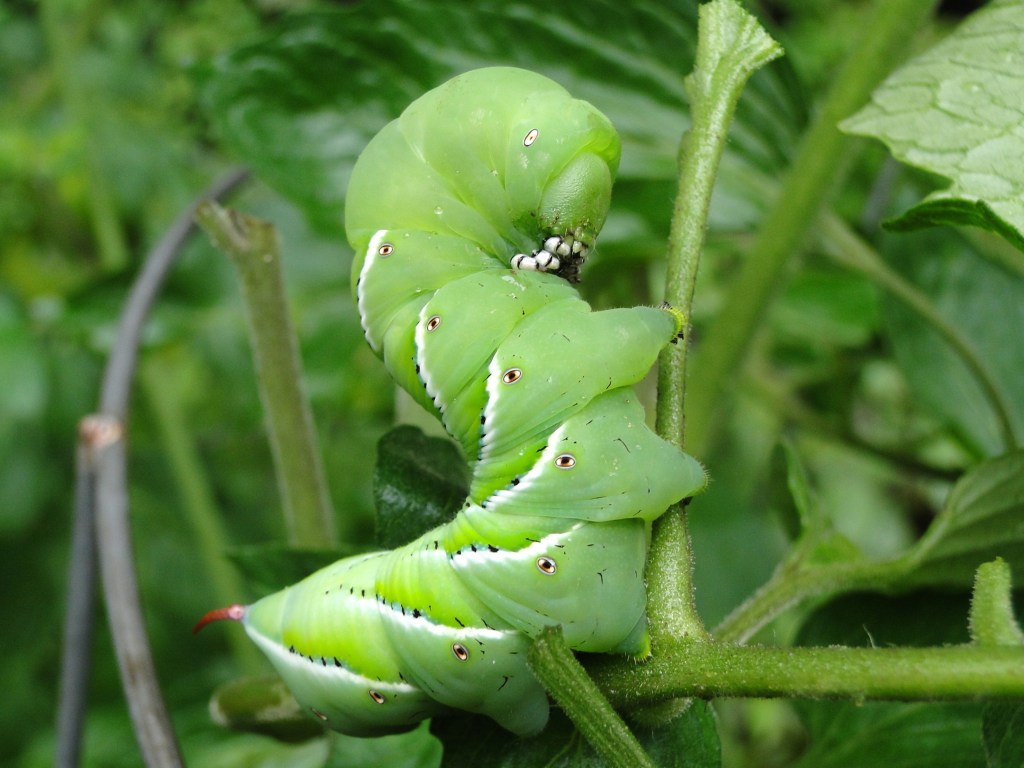
By noon, I was sweating, swearing, and talking to the plants like they were soldiers. “Hold the line, basil! You’re my only hope!” The hornworms were relentless, but so was I. I planted reinforcements — dill and basil, the decoys of war. I even recruited the birds, who swooped in like feathery mercenaries. Wrens and robins feasted on the enemy while I cheered them on like a deranged coach.
The soil became my therapist. I knelt in the dirt, ranting about betrayal and resilience. It listened, as soil does, quietly absorbing my rage and turning it into nitrogen.
By sunset, I was victorious — or at least less homicidal. The hornworms were gone, the garden scarred but alive. I stood among the vines, hands stained green, feeling like a general who’d won a battle but lost her sanity.
Tomorrow, I will make compost tea and pretend I’m calm. But tonight, I drink to victory — and to the rage that keeps my garden growing.
Reading the Omens
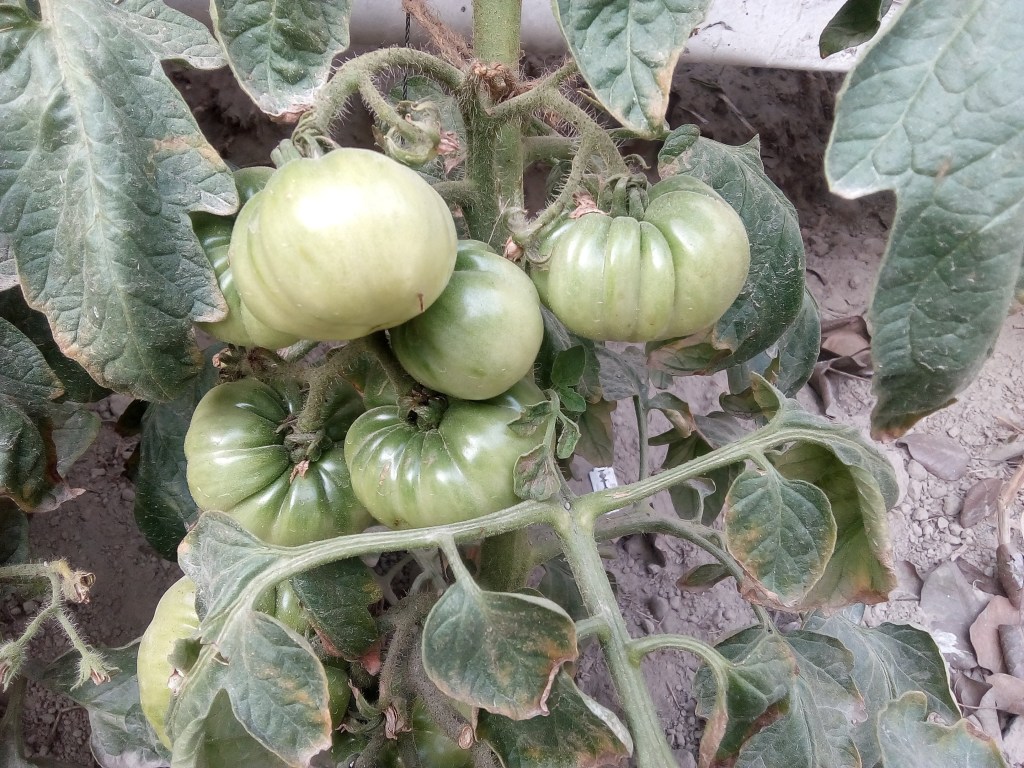
Every leaf in this garden is a drama queen. I kneel among the rows like a therapist at a group session, listening to their complaints. The tomatoes sigh about thirst, the peppers gossip about mildew, and the basil just wants attention. I swear the parsley is spreading rumors again.
Yellowing leaves? That’s the plant’s way of saying, “You’ve neglected me for two whole days, you monster.” Black spots? Fungal blight, or possibly revenge. Curling edges? Heat stress, or emotional instability — hard to tell. I take notes like a detective in a soap opera.
I’ve learned that the garden doesn’t just grow; it performs. Every symptom is a cry for help wrapped in melodrama. I walk the rows at dawn, coffee in hand, muttering, “Alright, who’s dying today?” The cucumbers always act innocent, but I know they’re plotting something.
Observation has become my first act of mercy and my second act of sarcasm. I wait before I act, because sometimes the plants just want to be dramatic. I’ve learned to listen before I strike, mostly because I’m too tired to strike.
The soil is the only one that doesn’t gossip. It just hums quietly, absorbing my frustration and turning it into nitrogen. Meanwhile, the hornworms are probably holding secret meetings under the leaves, discussing my weaknesses.
I am no longer a gardener. I am a battlefield correspondent reporting from the front lines of chlorophyll chaos. The plants speak in riddles, the pests in whispers, and I answer with caffeine and compost.
The garden doesn’t need peace. It needs management, therapy, and possibly a restraining order. But I love it anyway.
The Deficiency Debacle
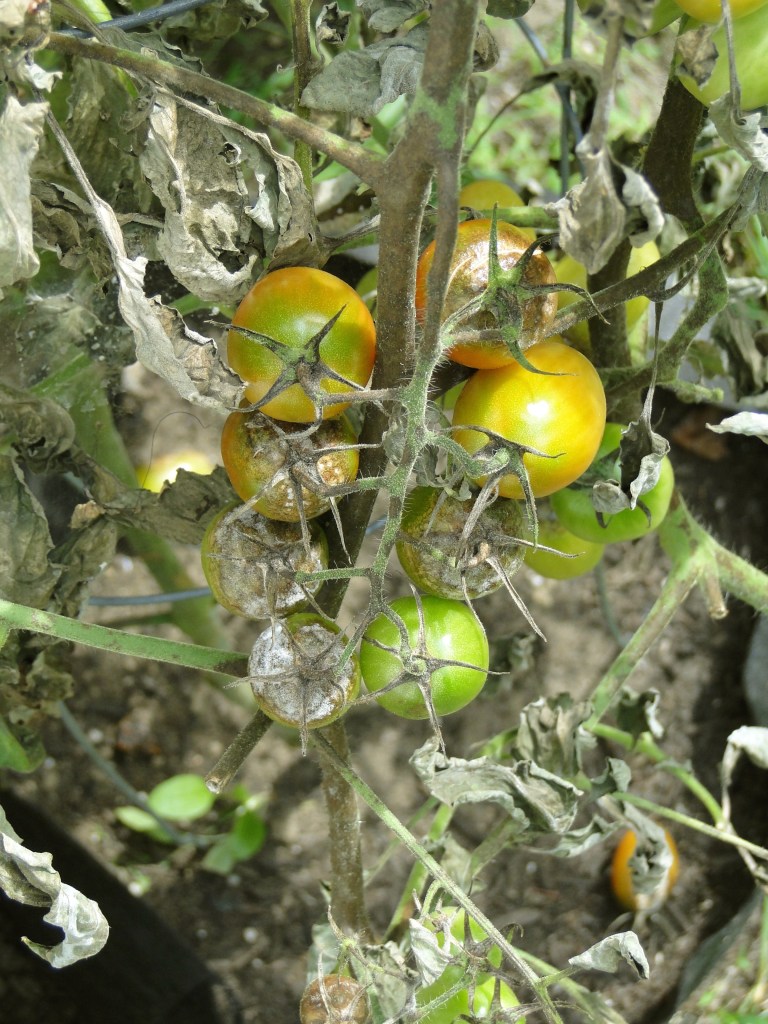
Just when I thought I’d earned a moment of peace, the garden decided to stage a nutritional protest. The tomatoes started turning pale, the basil looked like it hadn’t slept in weeks, and the cucumbers were drooping like overworked interns. I panicked, obviously. I googled “plant deficiency symptoms” and fell into a rabbit hole of guilt.
Turns out my soil was running low on nitrogen — the garden equivalent of forgetting to feed your pets for a week. I mixed up a batch of compost tea that smelled like something that could legally be classified as a biohazard. I poured it over the beds while whispering apologies, promising to do better.
Within days, the leaves perked up like they’d just had a triple espresso. The basil forgave me. The tomatoes stopped looking like Victorian ghosts. The cucumbers, however, remained dramatic. I’ve accepted that some plants just thrive on emotional manipulation.
Moral of the story? If your garden starts looking like it’s auditioning for a tragedy, check your nutrients before you check your soul. A little nitrogen and a lot of humility go a long way.
Discover more from Anything Agriculture
Subscribe to get the latest posts sent to your email.
