
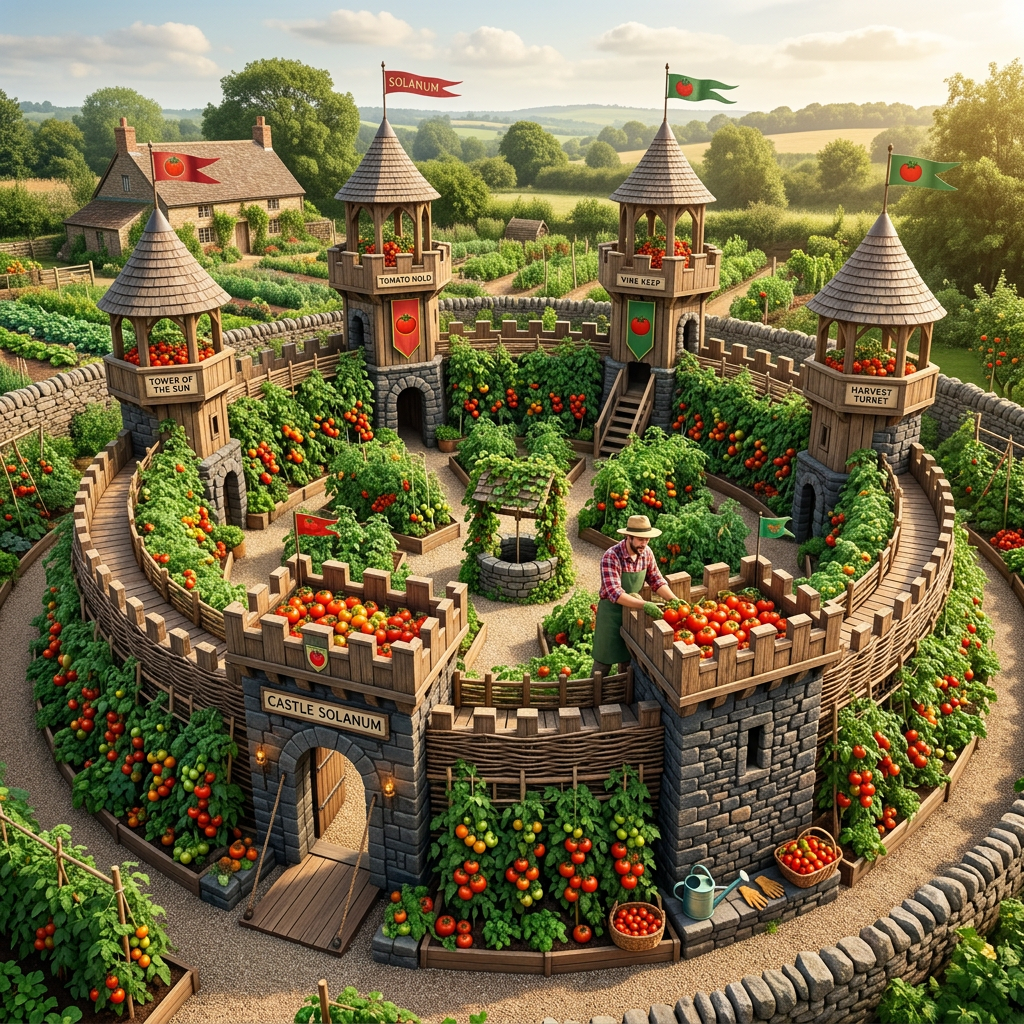
The Rise of the Tomato Legion
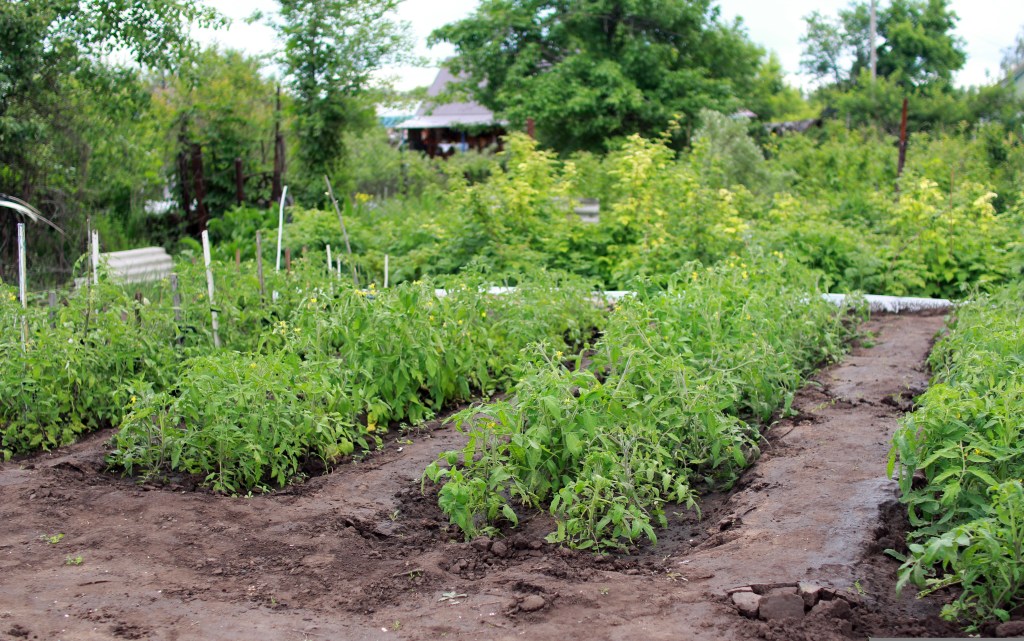
I spent the morning walking the rows, watching the tomatoes rise. They’ve grown wild and defiant, their stems thickening like muscle, their leaves reaching for conquest. It feels less like tending plants and more like preparing for battle. I built cages today, not to contain them, but to crown them. Each one a halo of wire and intention, a promise that these vines will not fall under their own ambition.
The soil feels different now, heavier with purpose. I’ve become a sentinel, guarding this small kingdom of green. Sovereignty means vigilance, not against the plants themselves, but against the chaos that waits beyond the fence. Rabbits, wind, blight, and time all press at the edges, testing the walls I’ve built.
The Rage Garden has awakened as a living army. Bees patrol the air, toads crouch in the shadows, and garter snakes coil beneath the mulch. Every creature has its post, every root its duty. I’m learning that defense isn’t isolation; it’s alliance. The garden doesn’t need to be kept apart from the wild. It needs to learn to live beside it.
The cages rise like crowns, the stakes stand like swords, and the perimeter hums with life. My rage has become discipline, and discipline has turned to devotion. This isn’t a conquest anymore. It’s a covenant, a vow to protect what grows and to fight for its right to thrive.
The Tomato Fortress : The Philosophy of Support
I used to think strength meant standing alone. But the tomatoes have taught me otherwise. Strength is not freedom from support; it’s grace within it. Every cage, every stake, every tie of cloth is a quiet act of care. I used to see them as restraints; now I see them as devotion.
When I tie a vine to its stake, I’m not limiting it. I’m helping it rise. The cage doesn’t trap the plant; it crowns it. The metal rings catch the sunlight, and the vines weave through them like dancers finding rhythm. Even the wild ones, the tomatoes that refuse to be tamed, teach me something about choice.
Choosing support is personal. Some plants want the discipline of a stake, others the freedom of a sprawl. I’ve learned to listen. A staked plant stands tall and clean, its fruit lifted high. A caged plant grows within its crown, protected yet free to expand. A sprawling plant claims the earth itself, rooting wherever it touches, wild and untamed.
There is no single right way to build strength. The garden reminds me that structure is not submission but partnership. I decide how my plants will rise, and in that decision, I define my own kind of power.
Tonight, as the sun lowers behind the fence, I walk the rows and touch each vine. The ties are soft, the cages steady. The garden hums with quiet order, and I feel the truth settle in my chest, support is not weakness. It is love made visible.
The Tomato Fortress: The Weapons of Defense
Today I walked the rows with twine in one hand and purpose in the other. The tomatoes have grown heavy, their vines thick and unruly. It’s time to arm the fortress.
Cages as Crowns
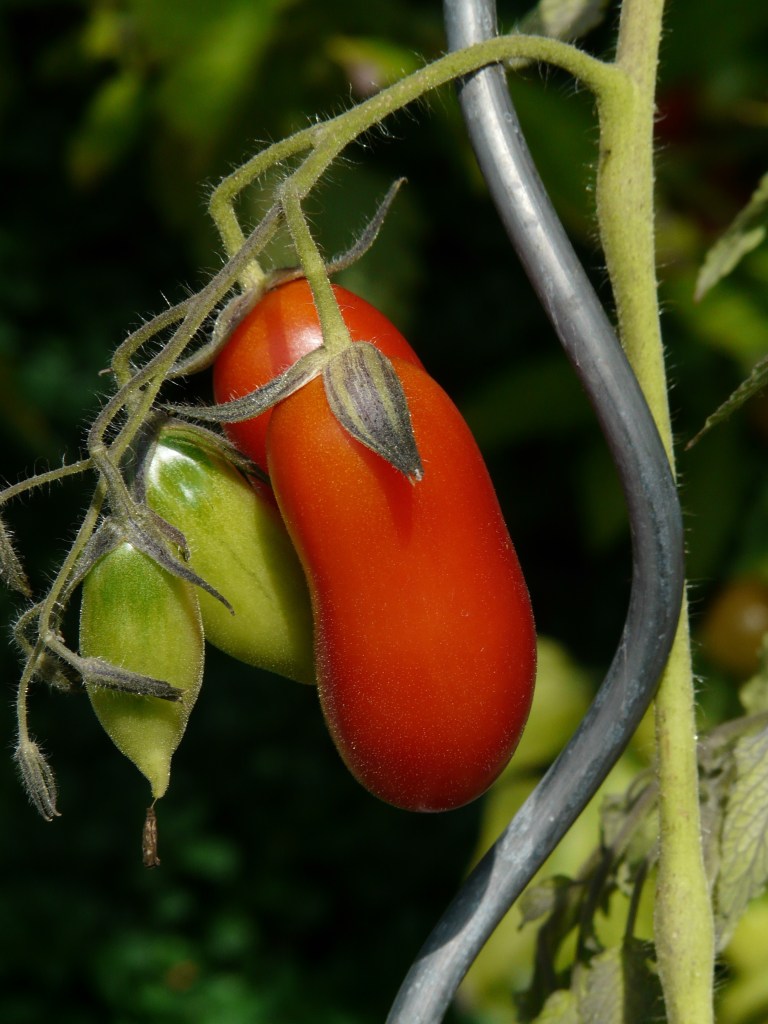
I set the cages first. They stand like crowns around each plant, catching the morning light. The wire feels cool against my palms, and I press it deep into the soil until it holds steady. The cages don’t confine the vines; they lift them. Each ring gives the plant a place to lean, a promise that its weight will not break its own body. I’ve learned to see these structures as blessings, not barriers.
Stakes as Swords
Then come the stakes. I drive them into the earth with quiet rhythm, each one a declaration of care. The single stake method is simple and strong, one post beside each plant, tied loosely with cloth so the stems can breathe. For the long rows, I weave the Florida Weave, looping twine between stakes in a crisscross pattern that cradles the vines. It’s a dance of tension and release, a living braid that grows stronger with each pass. Bamboo stakes give a rustic grace; metal rods gleam like polished blades. Whatever the material, the rule is the same — restraint must be gentle, discipline must serve vitality.
The Doctrine of Wildness
Not every plant wants armor. Some sprawl across the ground, fierce and free. Their stems root wherever they touch, claiming the earth as their own. I let a few wander, just to remember what wildness looks like. They grow thick and tangled, fruit hidden beneath leaves, life spilling in every direction. It’s messy, but it’s honest. The wild ones remind me that control is not the only form of strength.
DIY Supports and Creative Armor
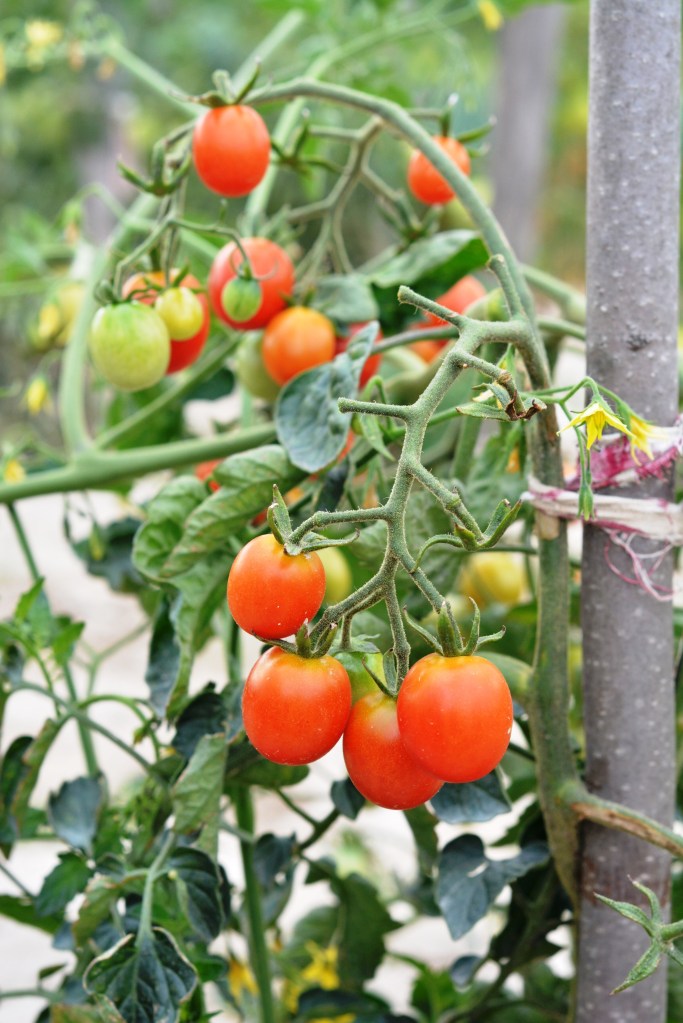
I’ve built supports from whatever the garden offers, fallen branches, old fencing, even the frame of a discarded chair. Twine becomes a lifeline, cloth becomes a bond. Each piece tells a story of adaptation. The act of building is its own ritual, a way of saying: I will meet this garden where it is, not where I wish it to be.
By evening, the fortress stands renewed. The cages gleam, the stakes hum with tension, and the wild vines curl at their edges like rebels at peace. I step back and watch the light fade across the rows. The weapons of defense are not tools of control but instruments of devotion
The Animal and Wild Defenses
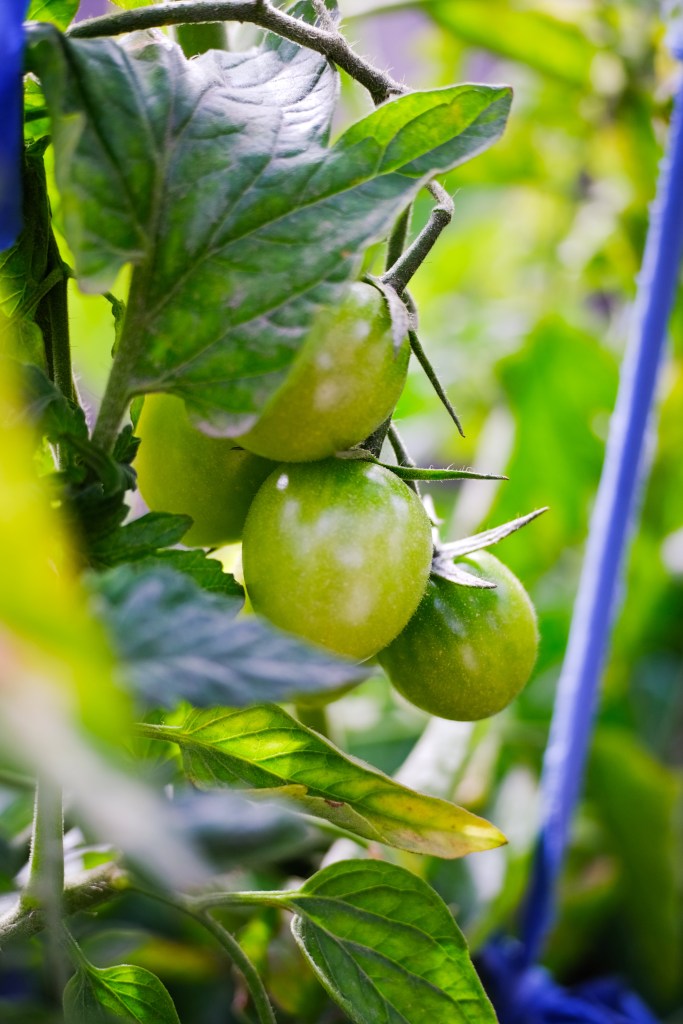
I’ve started to notice how alive the garden really is. It’s not just plants and soil, t’s movement, sound, and presence. The fortress doesn’t stand alone; it breathes. Every creature that passes through becomes part of its defense.
The garter snakes glide through the mulch, silent and precise. I used to flinch when I saw them, but now I greet them like old friends. They keep the slugs and beetles in check, guardians of the underworld. The toads crouch beneath the cages, patient and ancient, waiting for the tremor of a pest. Spiders weave their silver nets between stakes, catching what would harm the fruit. Bees patrol the air, and hoverflies hover like tiny sentinels. Even the wrens and robins have joined the watch, singing from the fence posts as they hunt for caterpillars.
I’ve learned that defense isn’t about exclusion; it’s about alliance. The garden thrives because it welcomes these allies
Of course, not every visitor comes in peace. Rabbits and deer slip through the perimeter, drawn by tender foliage. Groundhogs and raccoons test the walls, clever and persistent. I’ve learned to defend without cruelty. Garlic and basil confuse their noses; marigolds and mint mark the boundary with scent. Motion lights and wind chimes startle the bold.
There’s a paradox I’ve come to accept. A healthy garden is one that every animal and insect wants to eat. If nothing hungers for it, something is wrong. The soil might be sterile, the balance broken. The presence of pests and critters means the ecosystem is alive. My task isn’t to erase hunger but to manage it to keep the feast from becoming a siege.
Tonight, as I walk the rows, I see tracks pressed into the damp soil. A rabbit’s trail, a bird’s footprint, the faint coil of a snake. The fortress is alive, and I am part of its rhythm. Defense, I’ve learned, is not isolation but conversation. The garden speaks through every rustle and shadow, and I listen.
The Ritual of Maintenance
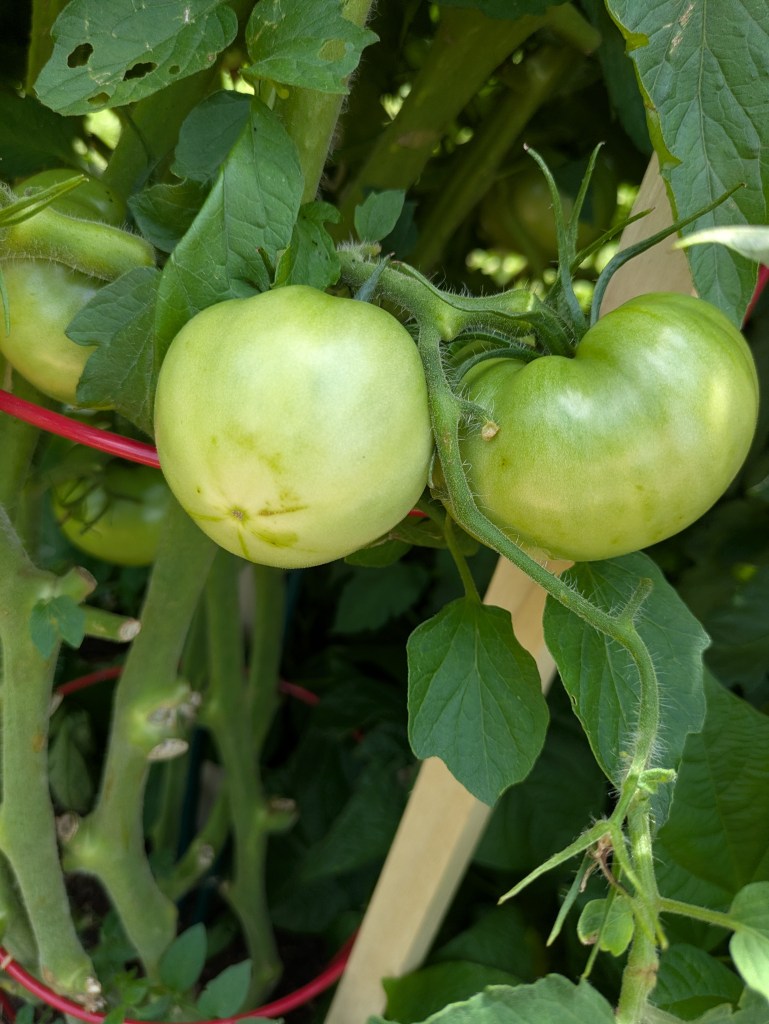
Every morning begins with water. I move through the rows slowly, listening to the soil. The act feels less like a chore and more like a ceremony. The sound of water against earth is steady and grounding, a rhythm that reminds me to breathe. I watch the droplets sink, darkening the mulch, and I think of how care is built from repetition.
Pruning has become its own meditation. I cut with intention, removing what no longer serves growth. Each snip is a small act of clarity. The vines respond almost immediately — the air moves more freely, the fruit catches more light. I’ve learned that pruning isn’t punishment; it’s renewal.
After storms, I walk the perimeter. Stakes lean, cages shift, and the soil bears the marks of wind and rain. I press the earth back into place, tighten ties, and lift fallen stems. These small repairs feel like rebuilding faith. The garden always survives the storm, but it asks to be tended afterward — to be reminded that it is still protected.
I’ve started noticing the signs left behind by visitors. A rabbit’s trail near the fence, a feather caught in wire, the faint coil of a snake in the mulch. The garden writes its own story every night, and I read it each morning. It’s a living map of alliance and intrusion, of balance maintained and boundaries tested.
Maintenance is not monotony; it’s devotion. The Rage Garden teaches me that defense is not a single act but a rhythm — water, prune, rebuild, observe. Each gesture is a conversation with the living world. The fortress endures because I keep showing up.
The Moral of The Fortress
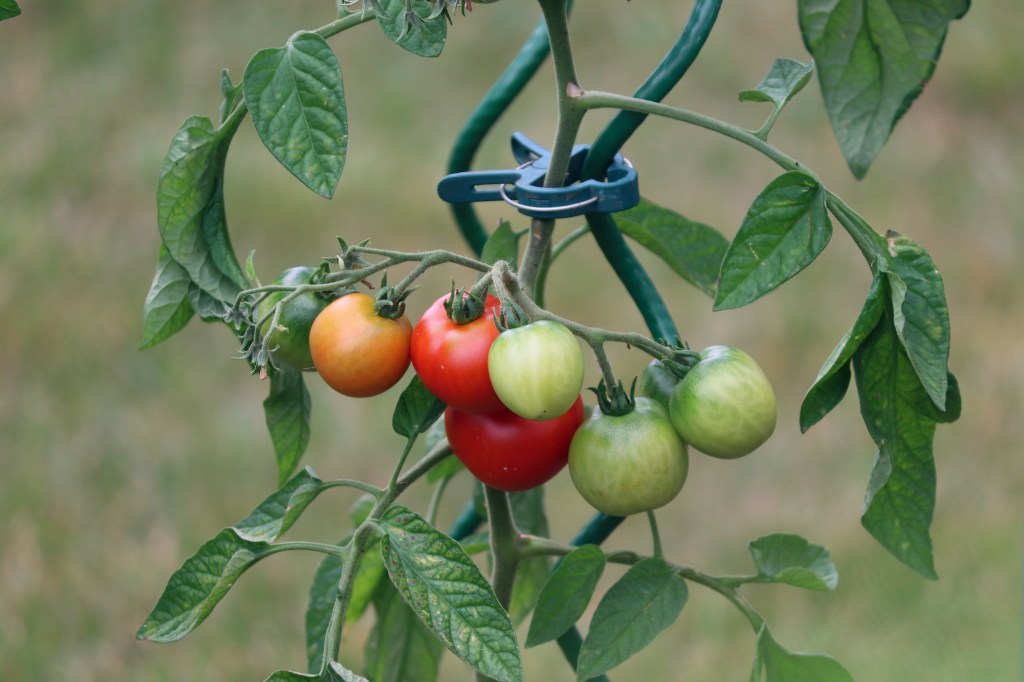
I’ve come to understand that sovereignty in the garden is not about control. It’s about relationship. The cages, the stakes, the wild perimeter — they are not barriers against life but invitations to coexist with it. Every boundary I build is also a bridge.
The garden has taught me that rage must learn grace. Even fury must bow to rhythm. I began this season ready to fight — against pests, against weather, against decay. But the longer I tend this fortress, the more I see that defense is devotion. The act of protecting what grows is not war; it’s love made steady.
Strength, I’ve learned, is not the absence of vulnerability. It’s the courage to protect what is fragile. The vines lean into their cages, the soil holds their roots, and I hold the space between them. The garden thrives because it welcomes both order and wildness, both discipline and desire.
Tonight, as the light fades, I walk the rows one last time. The air smells of basil and iron. The vines whisper against their cages, and the toads settle into the cool shadows. The fortress stands, not as a wall but as a promise — that rage can become reverence, and defense can become devotion.
Tomorrow, the siege will come — wind, blight, hunger, and time. But tonight, the garden rests in its strength. The soil remembers every act of care, and the vines rise again, armored in love.
Discover more from Anything Agriculture
Subscribe to get the latest posts sent to your email.
