
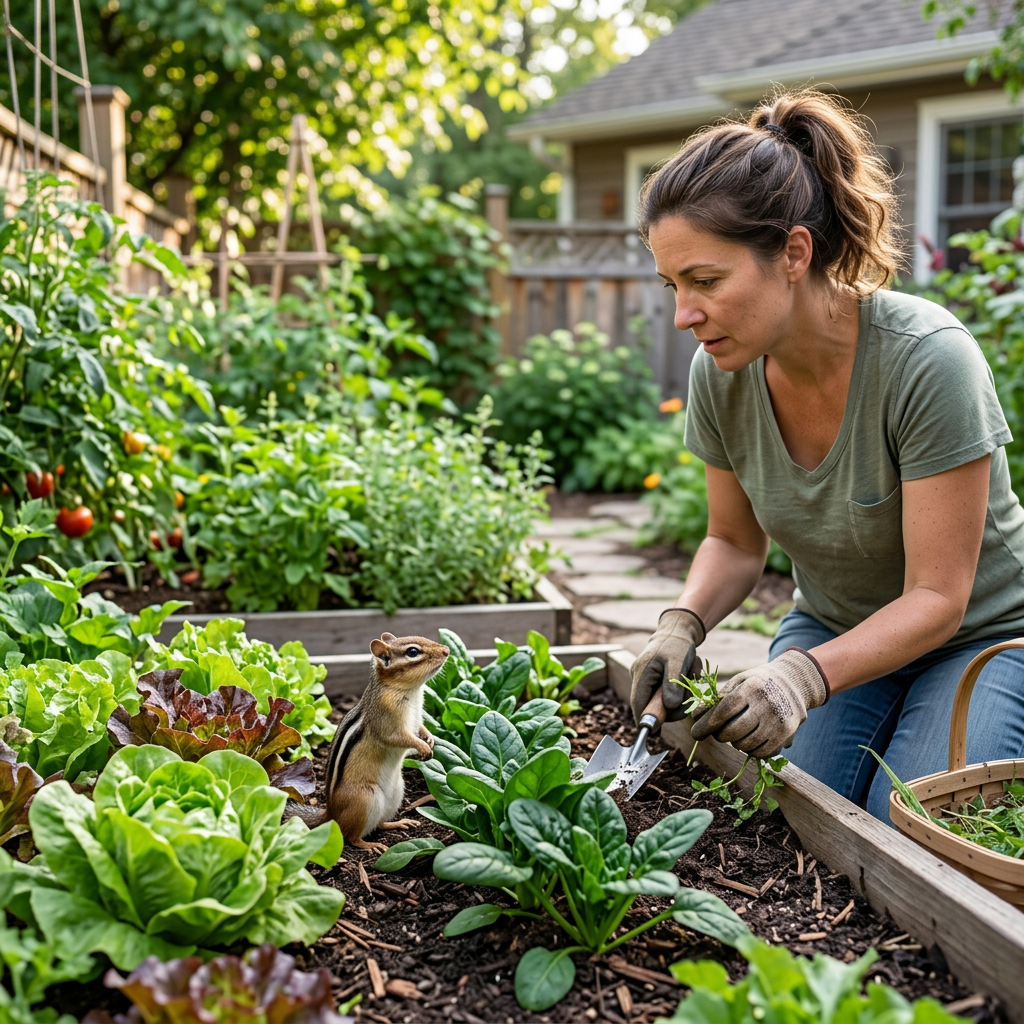

Lettuce is always the first to remind me that gentleness has power. In medieval Europe, people believed lettuce could calm tempers and soothe the heart. Physicians wrote that it cooled the hot humors, easing anger and restlessness. It grows fast and soft, forgiving every mistake I made in July. After months of plants behaving like dramatic performers, lettuce feels like a friend who shows up with soup and tells me I do not have to be strong today.
And then there is the old Rapunzel tale, the one before it was softened into a tower romance. In the original German folklore collected by the Brothers Grimm, Rapunzel was not named for her hair. She was named for a particular kind of lettuce growing in a witch’s garden. Her mother craved that lettuce so intensely that her husband stole it to soothe her. The witch caught him and demanded their unborn child in exchange. Rapunzel’s fate began with a craving for greens so powerful that it broke boundaries and rewrote destinies.
I think about that story every fall. The world always tells women to be the princess in the tower, waiting for rescue, waiting for permission, waiting for someone else to decide when her life begins. But the older I get, the more I realize the real power in that story belongs to the witch. She is the one with the garden. She is the one with the knowledge. She is the one whose plants are so potent that people risk everything to steal them. She is the one who understands craving, boundaries, and the cost of desire.
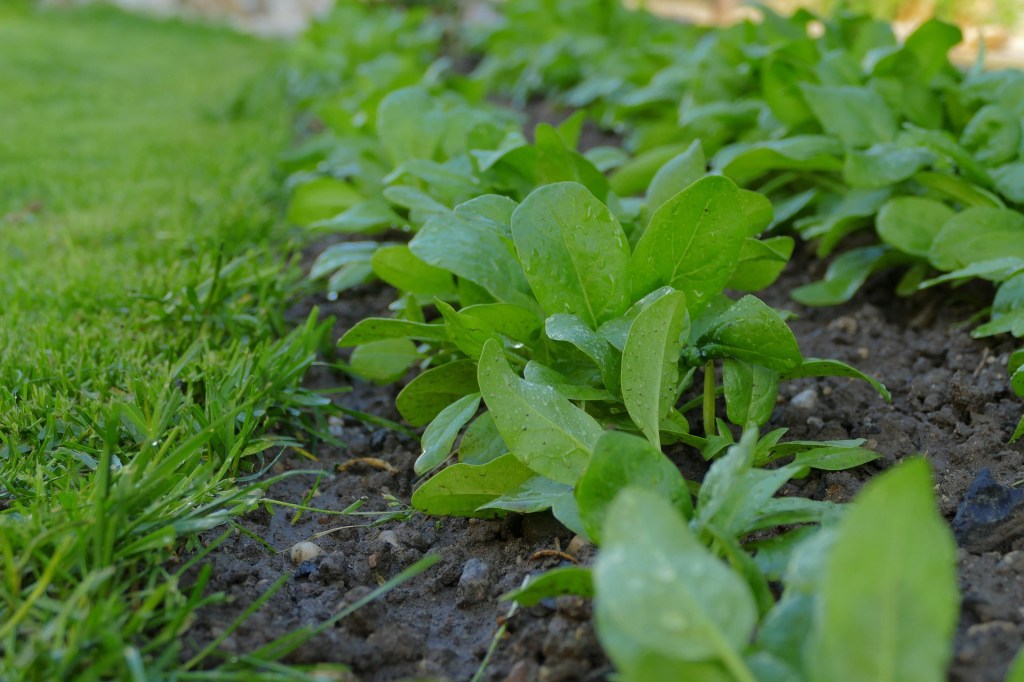
Planting lettuce feels like stepping into her role. The soil is cool and open to receiving seed. I scatter the tiny grains across the surface, barely covering them, because lettuce prefers to rise toward the light rather than hide in the dark. The autumn sun is gentle enough to welcome them, and the shorter days keep them from bolting into bitterness. I water softly, letting the soil settle around the seeds like a blanket. Lettuce does not demand elaborate rituals. It asks only for cool weather, steady moisture, and a gardener willing to return to softness. In that simplicity, it becomes a spell of its own.
Then there is the garden chipmunk. The tiny familiar I didn’t ask for. the small guardian who appears in every folktale just before the woman realizes she is no longer the princess in the tower. In stories, creatures like him are never accidental. They show up when the boundary shifts, when the garden recognizes its keeper, when the woman steps fully into her own magic. He watches me from the fence with bright, knowing eyes, the way small creatures in old stories watch witches at work. He sees the way my hands move with intention as I tuck the lettuce seeds into the soil. He sees the way my shoulders lower, the way I claim the garden as mine. He tilts his head, not because he approves of the lettuce, but because he recognizes the transformation.

He is the familiar who marks the moment of change, the creature who knows the garden belongs to the woman who tends it. He is the keeper of tiny secrets, the watcher at the threshold, the one who sees me step fully into the witch’s role. Not wicked, not feared, but sovereign, rooted, and entirely my own. And in that moment, as the lettuce seeds settle into the earth, I feel the truth of it. I am not the princess. I am the witch with the garden full of desire.
Spinach arrives next, not with softness but with steadiness. In Persian folklore, spinach was considered a strengthening green, something warriors ate before battle because it was believed to fortify the blood and sharpen courage. It grows slowly, savoring the shorter days like a plant finally entering its true season. Spinach curls under frost and straightens itself again with the kind of resilience I wish I had during the heat of summer. It does not rush. It does not panic. It simply endures, becoming sweeter and stronger as the nights grow colder.
Planting spinach feels different from planting lettuce. Lettuce is a whisper. Spinach is a vow. I press the seeds a little deeper, giving them the darkness they prefer. The soil is cool and firm, and the seeds settle into it like they are preparing for a long, steady rise. Spinach likes the chill. It likes the slow pace of autumn. It likes a gardener who understands that not all growth needs to be fast. I water it with the same gentleness, but the intention is different. Lettuce is planted for comfort. Spinach is planted for strength.
Rocko wasn’t always your garden mascot. He earned his name the day you found him standing triumphantly on top of a decorative landscaping rock, chittering at you like he was delivering a prophecy. You tried to shoo him away. He refused to leave. You tried ignoring him. He followed you. You tried bribing him with sunflower seeds. He took them, buried them in your herb bed, and came back with reinforcements. By the end of the week, he had claimed the garden, the fence, and you. Rocko decided he belonged here, and that was that. .
Now he watches you plant spinach with the judgmental intensity of a tiny foreman who believes he was raised by garden spirits and therefore knows better than you. He tilts his head again, unimpressed, as if silently asking whether you truly understand the gravity of planting warrior greens. He knows you are not planting for beauty or ease. You are planting for endurance. You are planting for the season ahead. You are planting because you are no longer waiting in a tower. You are the one who grows the greens that begin the story.
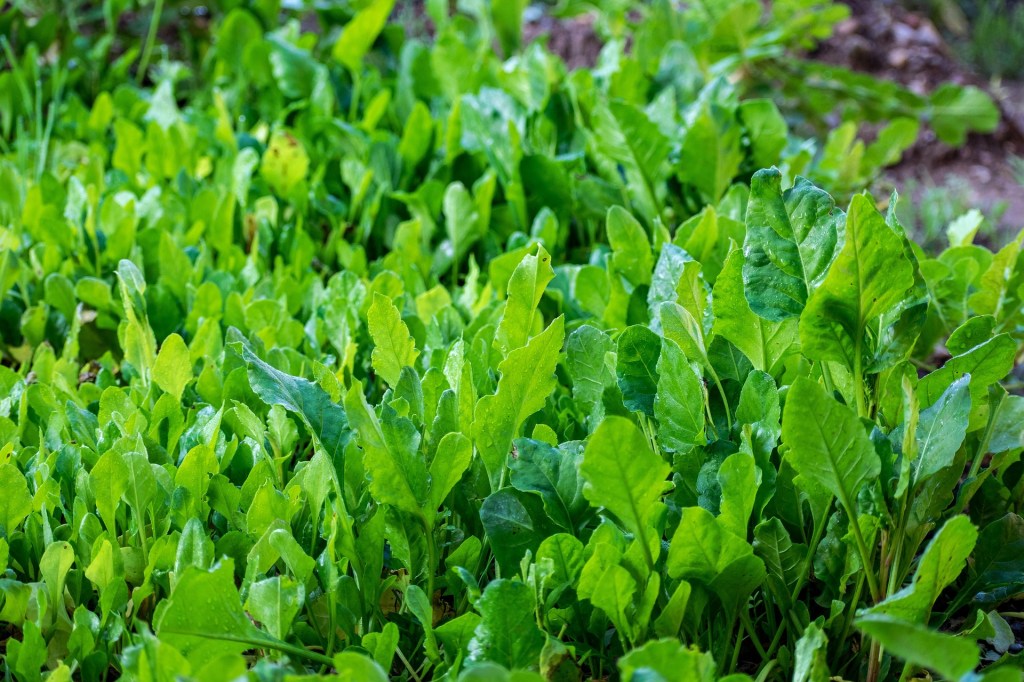
Lettuce teaches softness. Spinach teaches strength. Together they create the autumn spell that steadies me. They rise in the cool soil, one tender, one resilient, both necessary. And as the chipmunk settles into his place on the fence, watching the garden shift around us, I feel the truth settle in my bones. I am not the princess. I am the witch with the garden full of desire and the greens that answer it.
Discover more from Anything Agriculture
Subscribe to get the latest posts sent to your email.
