

Frost’s coming. Your rage garden doesn’t flinch—it gears up. Cover like you’re hosting a ghost convention. Mulch like you’re hiding evidence. Hydrate like it’s the last warm drink before bed. Whether it’s buckets, burlap, or black cloth that traps heat like tactical gear, your garden’s not just surviving—it’s staging a full-blown resistance.
Tag Archives: Soil
Rage Garden Reality Check: What You Thought You’d Harvest vs. What Actually Showed Up
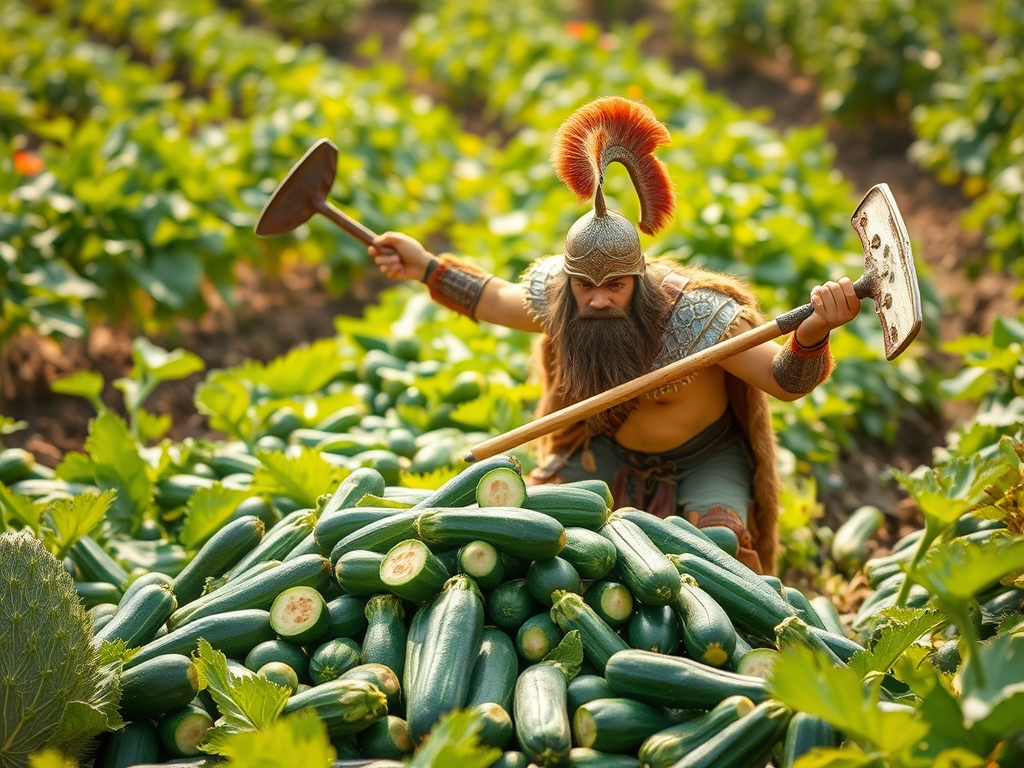
Reflect on the comedic chaos of an unexpected zucchini harvest, highlighting the gap between garden planning and reality. It offers creative storage solutions and ways to utilize excess produce, like cooking, crafting, and trading. Emphasizing resilience, it encourages adjusting future planting based on actual yields and making the most of abundance.
Sustainable Rage: Endure, Rise, Fight, Thrive

A rage garden embodies resilience and sustainability, demanding active participation in gardening. It emphasizes organic practices, water conservation, native plants, and recycling resources. By avoiding weak turf and pesticides, while fostering partnerships with nature, gardeners create a thriving ecosystem. Victory in gardening comes from strategy and continual adaptation, building a formidable, self-sufficient space.
The Well-Placed Rage Garden: Companion Planting Your Allies

In the garden battlefield, Ann carefully plants her crops like warriors, forming strategic alliances for mutual defense and growth. Companion planting enhances soil health, controls pests, and improves yield. However, certain combinations can be detrimental. Ultimately, this collaborative ecosystem thrives, leading to a bountiful harvest and a victorious garden.
Transform Your Homestead: Embrace Technology for Sustainable Living
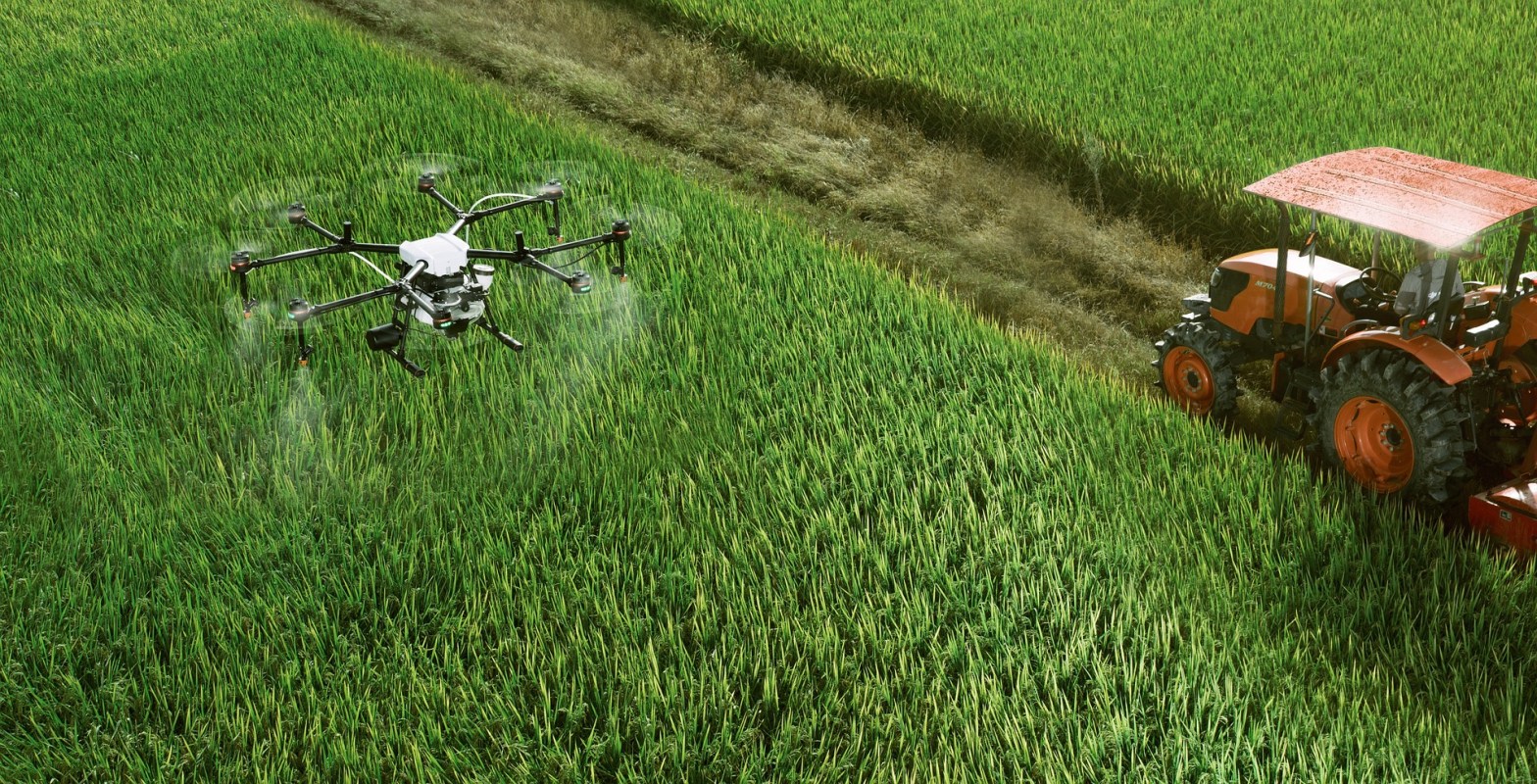
The post discusses the challenges and misconceptions of homesteading and sustainability, emphasizing it as a long-term commitment requiring creativity and patience. It highlights sustainable practices like soil health assessment, crop rotation, and precision agriculture, advocating for integrating technology with traditional methods to enhance productivity while protecting the environment.
Rage Garden Battle Timing: Understanding Frost-Free Dates for Maximum Victory

This article may have affiliate links A rage garden is not just planted—it is strategically deployed. Timing is everything, and knowing your frost-free dates is the difference between a thriving army of plants and a battlefield of casualties. A rage garden isn’t just about planting—it’s about timing your attack. If you plant too early, frostContinue reading “Rage Garden Battle Timing: Understanding Frost-Free Dates for Maximum Victory”
Rage Garden Battlefield Soil

To cultivate a successful rage garden, understand that soil is a vital asset, not mere dirt. Conduct tactical soil testing to assess its health, ensure proper nutrient levels, and address deficiencies. Strengthen your soil with organic matter, pH balance, and necessary amendments to create a solid foundation for thriving plants and ultimately secure victory.
Rage Gardening: Building your Warrior’s Journey.

Your rage garden is a force to be reckoned with—a rebellion against fragility, a testament to persistence, and a glorious battlefield of roots and resilience. Let’s craft something that reflects that raw energy while giving new gardeners the tools to wield their own defiant greenery. Cultivating Fury Not all gardens whisper in the breeze. SomeContinue reading “Rage Gardening: Building your Warrior’s Journey.”
Essential Greenhouse Tips for Successful Gardening
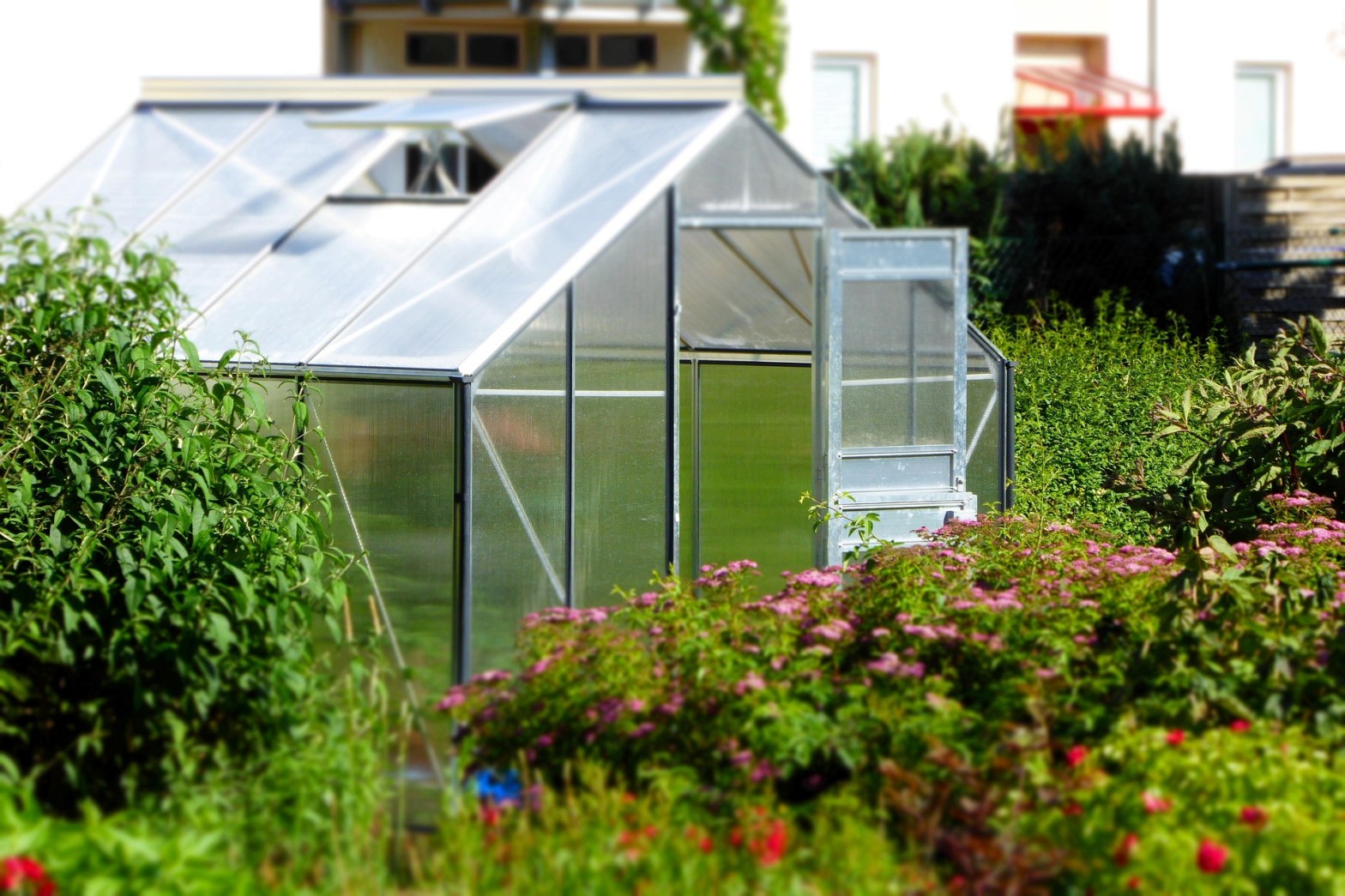
Home greenhouses and cold frames are essential for extending growing seasons and protecting plants. They require careful consideration of purpose, location, and practical factors like heating, ventilation, and budget. Effective pest management and planning for future growth are critical. Beginners should start small and expand with experience for successful gardening.
Forage Species for your rotational grazing operations Part 2
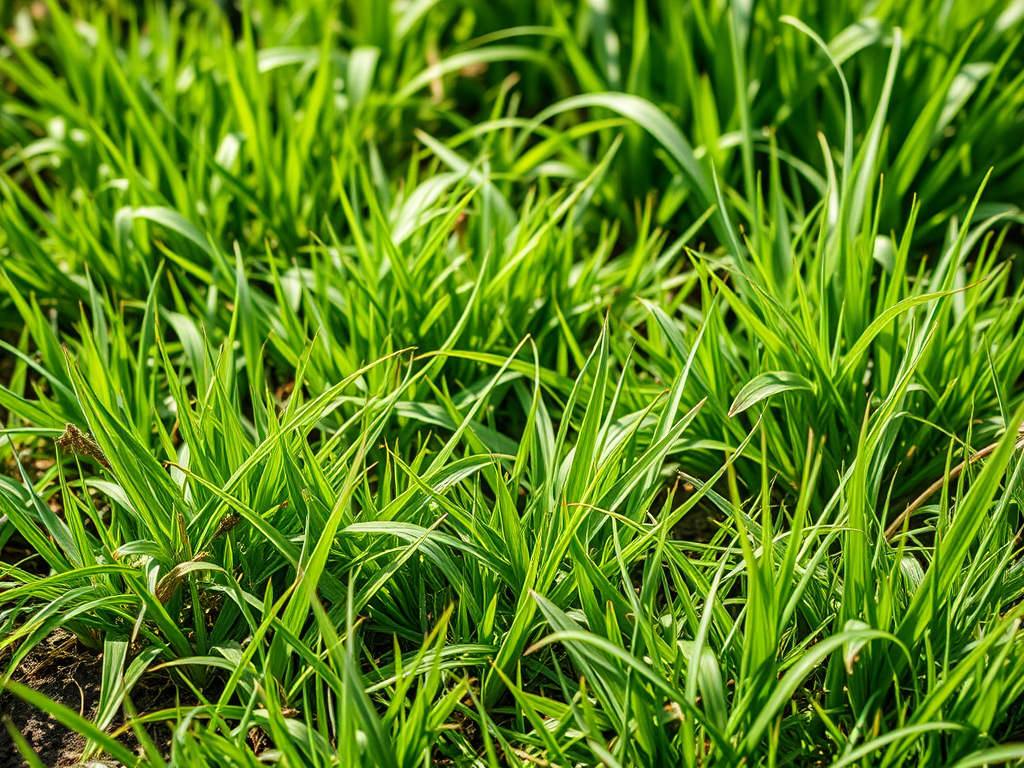
The content discusses common forages in the Midwest, emphasizing their qualities, yields, and soil adaptability. Key species include Kentucky Bluegrass, Orchardgrass, Reed Canary Grass, and various legumes such as Alfalfa. The overview highlights their benefits for rotational grazing and the importance of informed choices for effective pasture management.
