

🌿 Mint: The Garden’s Chaotic Neutral 🌿 Think mint is just a harmless herb? Think again. This rogue-class plant will flavor your tea, soothe your nerves, and then quietly annex your raised bed. Learn how to grow mint without letting it take over your garden—and discover quick recipes, containment hacks, and tactical uses for this fragrant rebel.
Tag Archives: Small farms
Preserving Forage for Winter: Hay, Silage, and Rotational Grazing—A Homestead Hero’s Guide
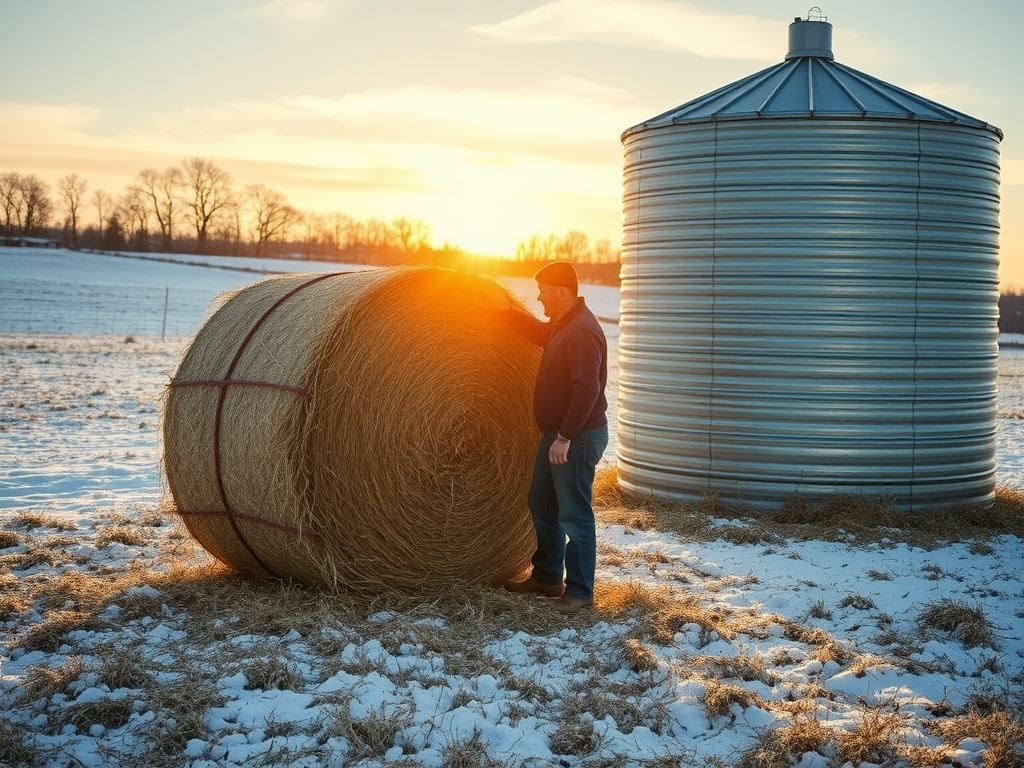
As winter approaches, livestock producers must strategize to keep their animals healthy. Three primary methods—hay, silage, and rotational grazing—offer unique benefits and challenges. Combining these approaches can create a resilient system, ensuring adequate nutrition, enhancing soil health, and reducing costs while adapting to the specific needs of each farm.
Rotational Grazing After the Last Cut” – How to manage pasture health heading into winter.
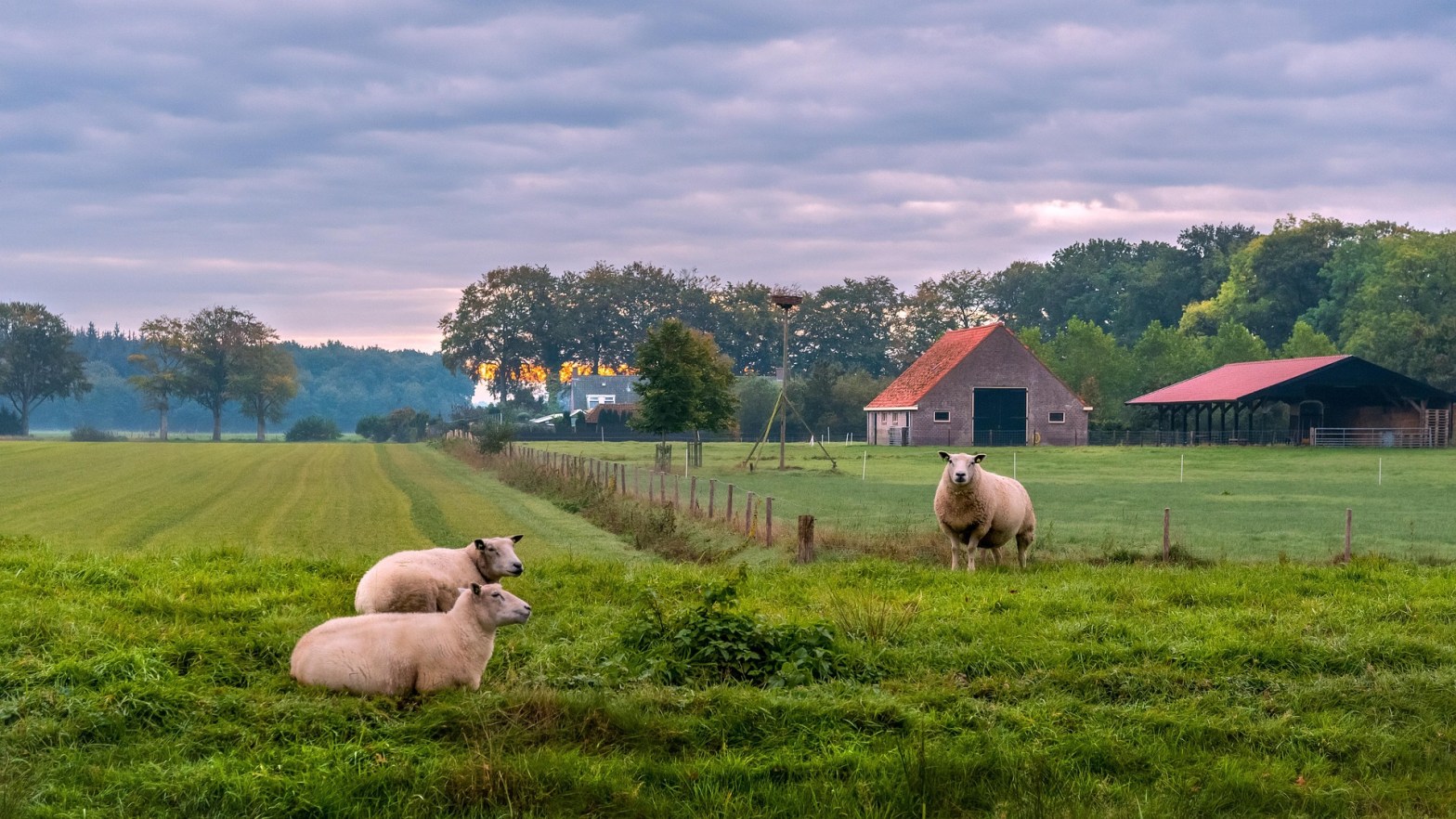
Fall is crucial for rotational grazing, preparing pastures for winter and enhancing year-round resilience. Strategic adjustments in stocking rates, sowing cool-season forage, and protecting regrowth improve soil health, extend grazing, and reduce feed dependency. Careful fall planning cultivates effective grazing systems, ensuring livestock welfare and sustainable agricultural practices.
Rage Garden Roots

Composting is rebellion with a purpose. It transforms kitchen scraps and garden waste into nutrient-rich fuel that feeds your soil, boosts microbial life, and builds resilience from the ground up. Whether you’re trenching banana peels or running a worm bin, composting turns waste into power—and your garden into a fortress.
Create a Business Plan for Your Small Farm Homestead

To transform your homestead into a thriving business, creating a solid business plan is essential. This plan clarifies your vision, aids financial management, secures funding, ensures legal compliance, and fosters risk management. By outlining your products, market strategy, and operational framework, you can effectively navigate challenges and enhance your business’s sustainability.
Unleash Your Fury: Wage War on Weeds with Rage Gardening

Weeds—the relentless invaders of your homestead. They creep in, steal nutrients, and mock your gardening efforts. But this time, you fight back. Rage gardening isn’t about gentle pruning or mindful pulling—it’s war. Armed with a hori-hori knife, mulch, and sheer determination, you’ll torch, smother, and rip those stubborn weeds from existence. Ready to reclaim your garden and show weeds who’s boss? Let’s dive into the most satisfying, brutal, and effective weeding tactics yet.
Sustainable Rage: Endure, Rise, Fight, Thrive

A rage garden embodies resilience and sustainability, demanding active participation in gardening. It emphasizes organic practices, water conservation, native plants, and recycling resources. By avoiding weak turf and pesticides, while fostering partnerships with nature, gardeners create a thriving ecosystem. Victory in gardening comes from strategy and continual adaptation, building a formidable, self-sufficient space.
Smart Homesteading: Hacks to Save Time and Effort

The article presents time-saving homestead hacks to enhance productivity and reduce effort. Key strategies include batch processing, automation, multi-tasking, raised garden beds, mulching, rainwater collection, and efficient composting. These methods streamline chores and optimize resources, allowing homesteaders to focus on what matters most while enjoying their farming experience.
Waging War Against the Gods of Weather: Commanding the Wind

In the garden battlefield, Ann carefully plants her crops like warriors, forming strategic alliances for mutual defense and growth. Companion planting enhances soil health, controls pests, and improves yield. However, certain combinations can be detrimental. Ultimately, this collaborative ecosystem thrives, leading to a bountiful harvest and a victorious garden.
The Well-Placed Rage Garden: Companion Planting Your Allies

In the garden battlefield, Ann carefully plants her crops like warriors, forming strategic alliances for mutual defense and growth. Companion planting enhances soil health, controls pests, and improves yield. However, certain combinations can be detrimental. Ultimately, this collaborative ecosystem thrives, leading to a bountiful harvest and a victorious garden.
