
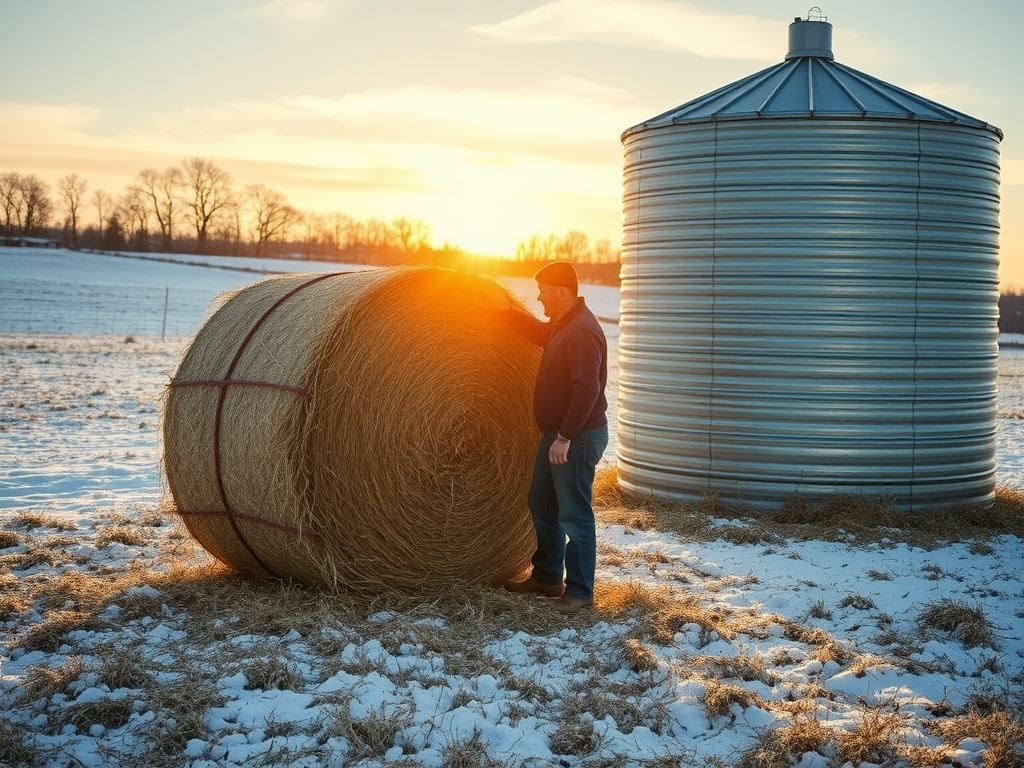
As winter approaches, livestock producers must strategize to keep their animals healthy. Three primary methods—hay, silage, and rotational grazing—offer unique benefits and challenges. Combining these approaches can create a resilient system, ensuring adequate nutrition, enhancing soil health, and reducing costs while adapting to the specific needs of each farm.
Tag Archives: rotational grazing
Rotational Grazing After the Last Cut” – How to manage pasture health heading into winter.
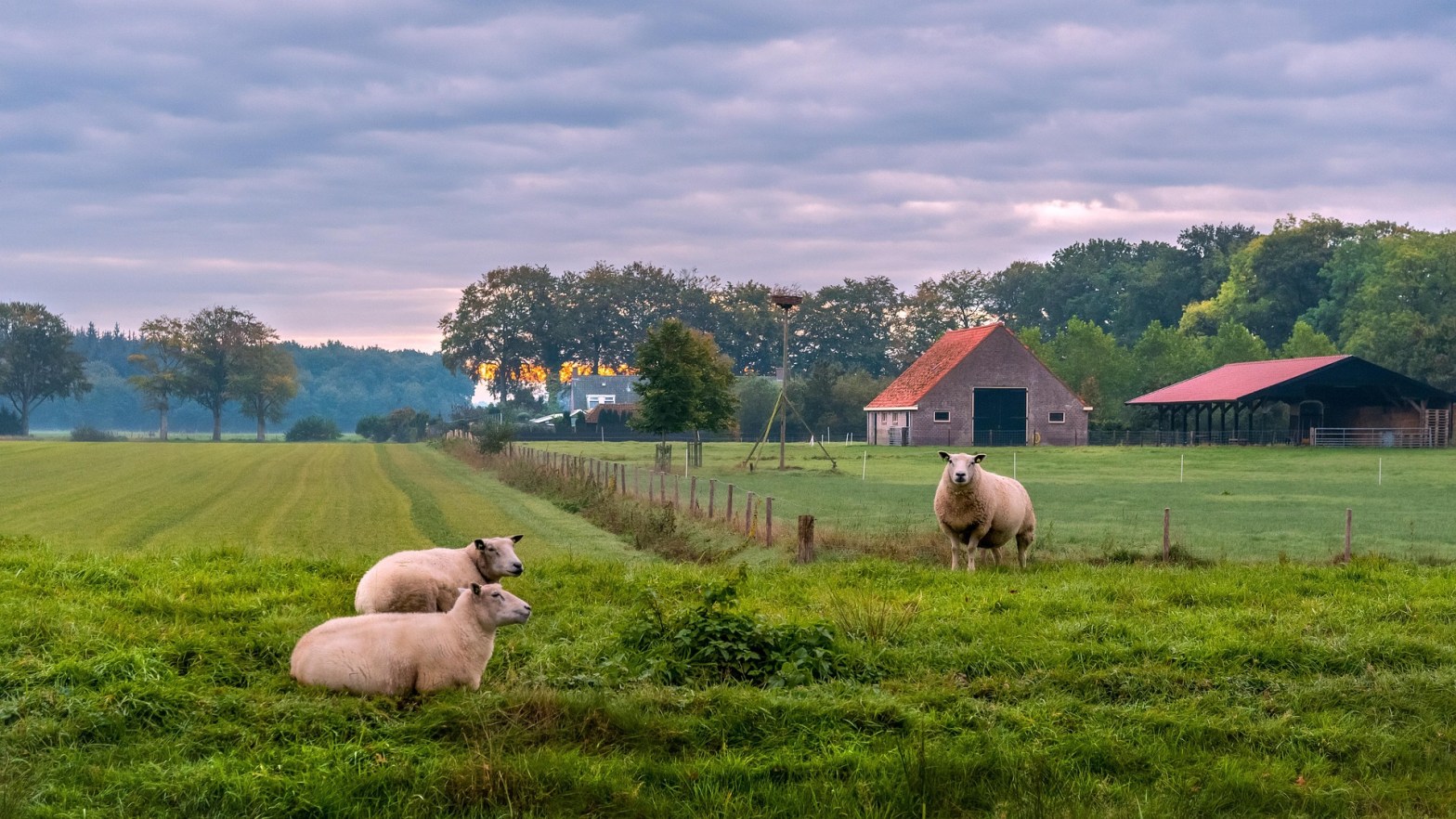
Fall is crucial for rotational grazing, preparing pastures for winter and enhancing year-round resilience. Strategic adjustments in stocking rates, sowing cool-season forage, and protecting regrowth improve soil health, extend grazing, and reduce feed dependency. Careful fall planning cultivates effective grazing systems, ensuring livestock welfare and sustainable agricultural practices.
Good Fences Make Good Neighbors

Fencing is essential in grazing systems for containing livestock and fostering neighbor relations. Key types include external fencing, which must be strong and compliant with local laws, and internal fencing for paddock management. Good practices, like clear communication and maintenance, enhance neighbor relations, promote goodwill, and prevent disputes.
Goat Fencing: Ensuring Safety and Containment
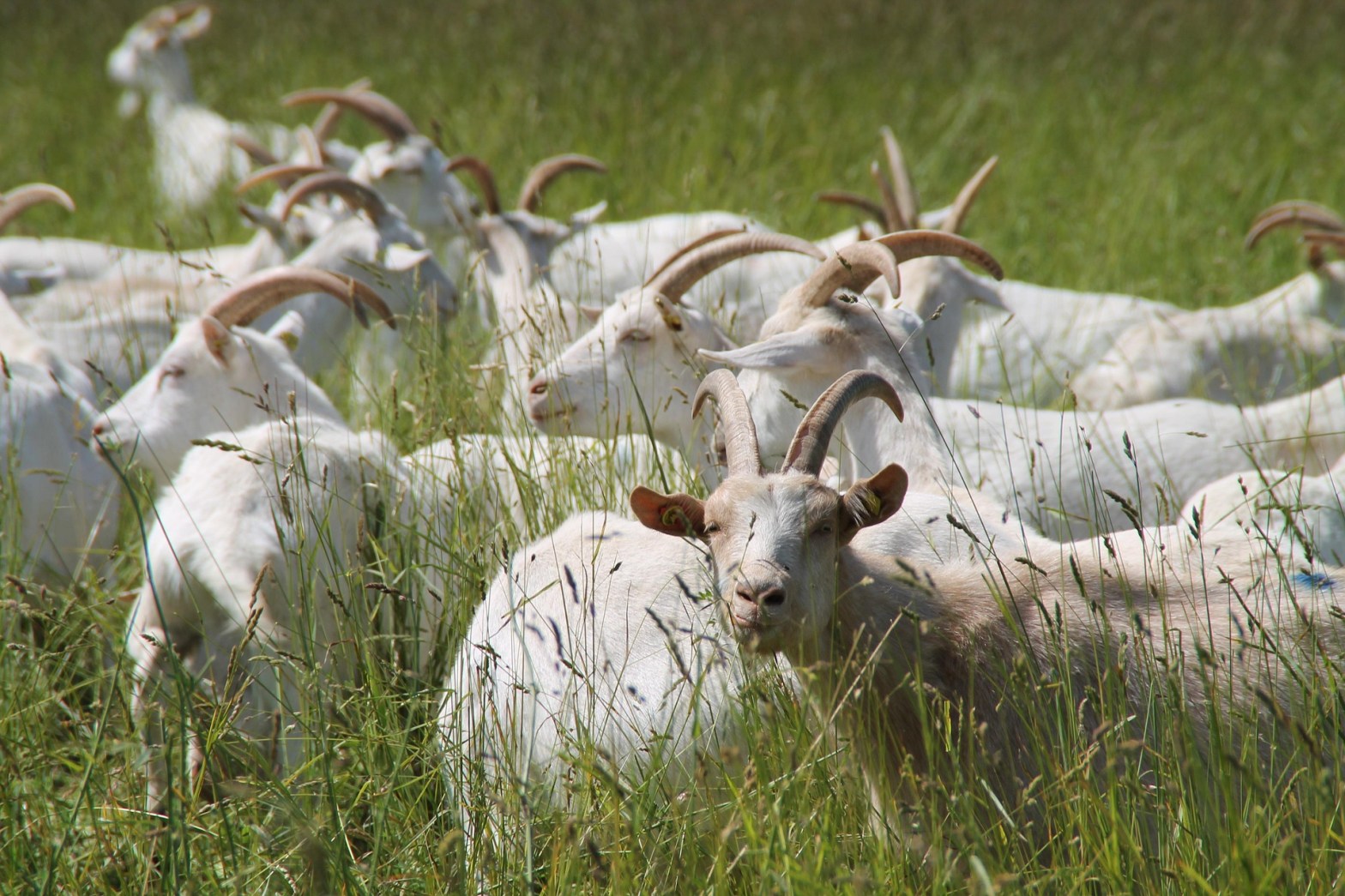
Fencing is vital for goat farming, ensuring safety and containment while protecting from predators. Understanding goat behavior, such as their climbing instincts and escape capabilities, is essential for selecting appropriate fencing like woven wire or electric options. Additionally, creating a secure shelter with proper ventilation, flooring, and cleanliness promotes goats’ well-being.
Time Management Tips for Animal Care on Your Homestead

Incorporating animals into your homestead is a fulfilling step, but it also demands careful consideration of time management. Animals require daily care and attention, and balancing their needs with other homesteading responsibilities is key to maintaining a successful and enjoyable lifestyle. Here are some tips to help you manage your time effectively: Start Small BeginContinue reading “Time Management Tips for Animal Care on Your Homestead”
Confidently Identify Grasses: Tips and Techniques

This guide on grass identification emphasizes the importance of learning key characteristics like growth habits, seed heads, leaf shapes, and collar regions to accurately recognize different grass species. While apps can assist, developing skills through observation will provide a valuable expertise. Mastering these traits enables better land management decisions and a deeper connection with nature.
Best Easy-Care Animals for Your Homestead

Introducing animals to your homestead is a vital step in achieving self-sufficiency. Beginners should select manageable, adaptable animals that provide resources like eggs, milk, or manure. Starting small, establishing routines, and investing in efficient tools are essential for effective time management, ensuring a fulfilling and successful homesteading experience.
Goat Grazing: A Cost-Effective Solution for Land Management

Goat grazing offers numerous advantages, such as economic sustainability, improved animal health, and effective weed control, while also requiring careful management to address challenges like weather impacts and predator threats. Mastering grazing techniques transforms land and livestock care, ultimately fostering a sustainable and thriving agricultural ecosystem.
Essential Steps for Starting a Small Farm Homestead with Animals
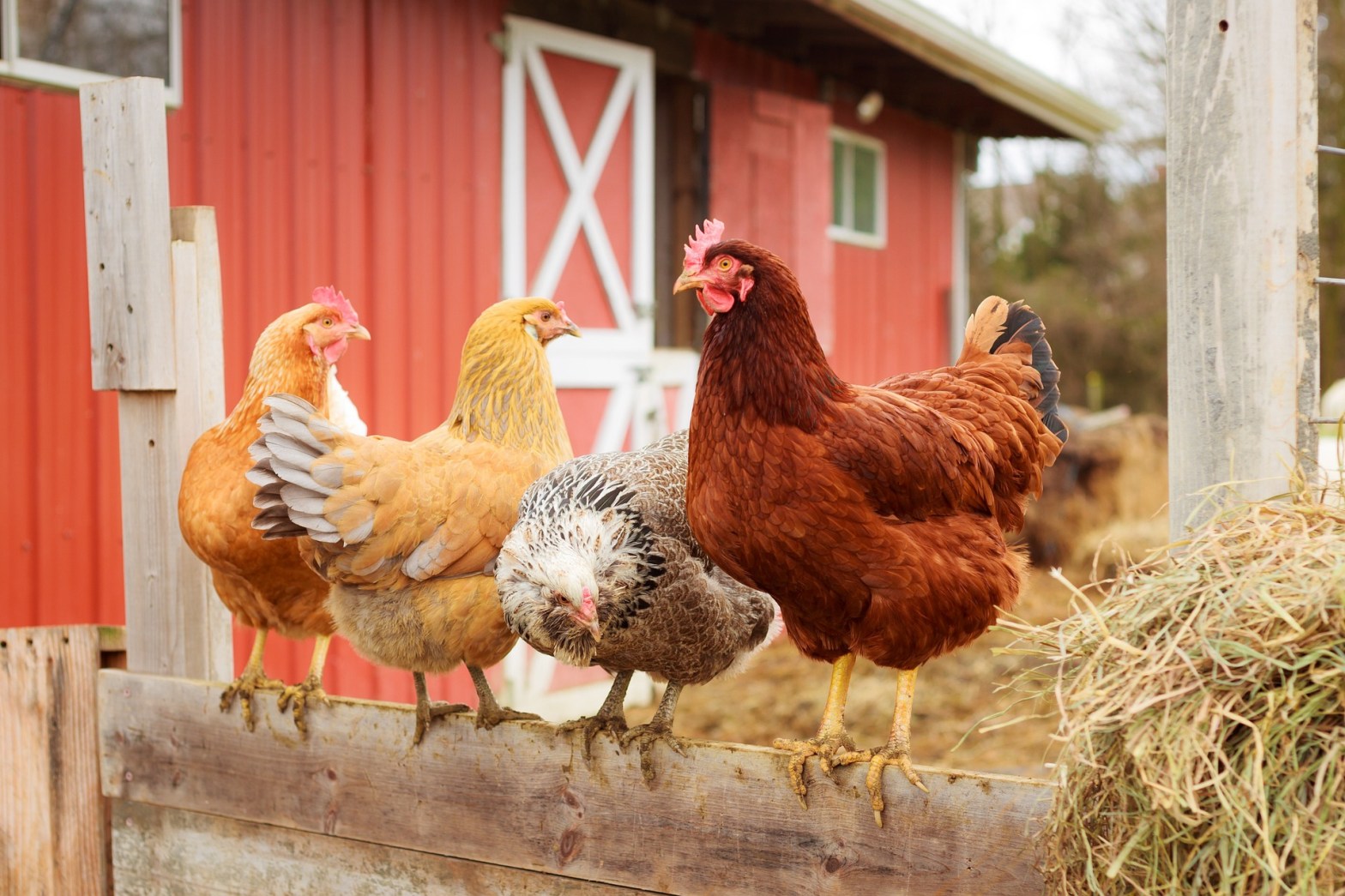
This guide introduces newcomers to small farm homesteading, emphasizing the importance of understanding animal care, housing, nutrition, and local regulations. It encourages starting with low-maintenance animals, promotes gradual expansion, and highlights community involvement and record-keeping as key to successful and sustainable homesteading practices. Embrace the journey with enthusiasm!
Embrace Homesteading: Unlock Self-Sufficiency and More
Emily and her family’s transition from urban life to homesteading highlights the profound benefits and challenges of this journey. They cultivated self-sufficiency, embraced a healthier lifestyle, and strengthened family bonds. Despite facing trials like financial investments and learning curves, their commitment led to fulfillment and a meaningful connection to the land.
