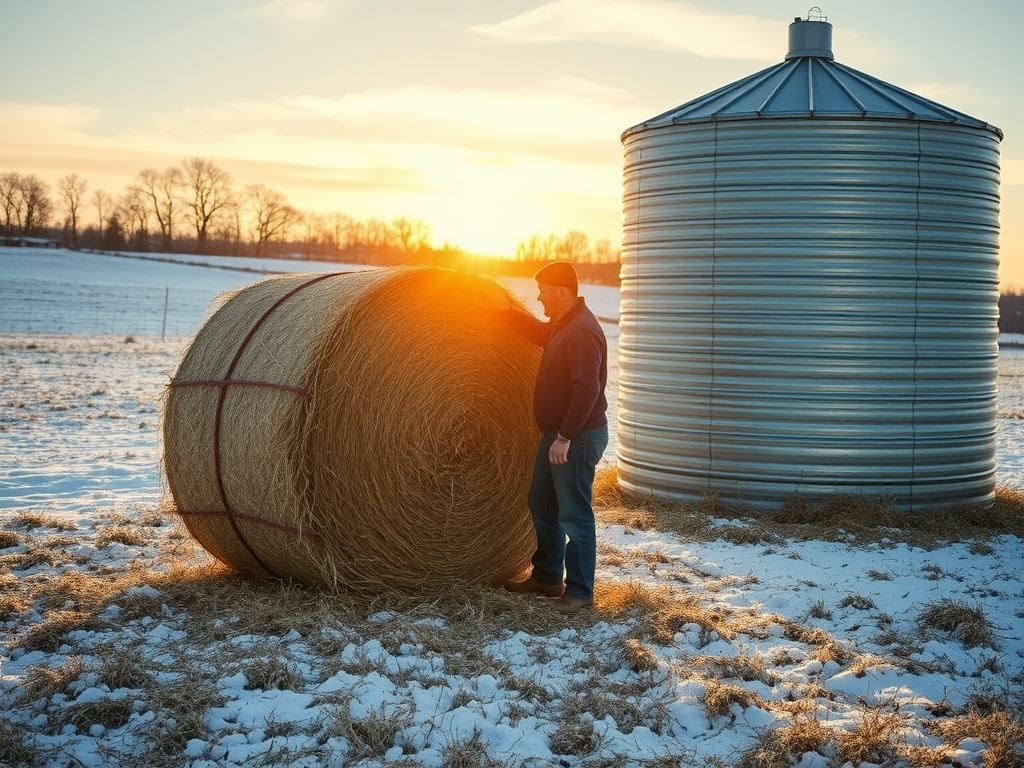
As winter approaches, livestock producers must strategize to keep their animals healthy. Three primary methods—hay, silage, and rotational grazing—offer unique benefits and challenges. Combining these approaches can create a resilient system, ensuring adequate nutrition, enhancing soil health, and reducing costs while adapting to the specific needs of each farm.
Category Archives: Soil
Sunlight’s Last Stand: Fueling the Garden When the Light Fade

Fall gardening isn’t about fading light—it’s about fierce strategy. As sunlight retreats, photosynthesis slows and soil microbes stall. But rage gardeners adapt. Learn how to fuel your fall garden with resilient crops, compost layering, and tactical mulching. Discover fall gardening tips that turn seasonal decline into underground resilience.
Rage Gardening Fall Gardens: Because Summer Doesn’t Own the Soil

Who decided summer was the only season for growing food? Probably the same people who think a pristine lawn is a personality. But here’s the truth: fall gardens are fierce. They yield like champs, laugh in the face of pests, and demand less water while giving you more back. The catch? Winter’s lurking. Frosts creepContinue reading “Rage Gardening Fall Gardens: Because Summer Doesn’t Own the Soil”
The Well-Placed Rage Garden: Companion Planting Your Allies

In the garden battlefield, Ann carefully plants her crops like warriors, forming strategic alliances for mutual defense and growth. Companion planting enhances soil health, controls pests, and improves yield. However, certain combinations can be detrimental. Ultimately, this collaborative ecosystem thrives, leading to a bountiful harvest and a victorious garden.
Transform Your Homestead: Embrace Technology for Sustainable Living
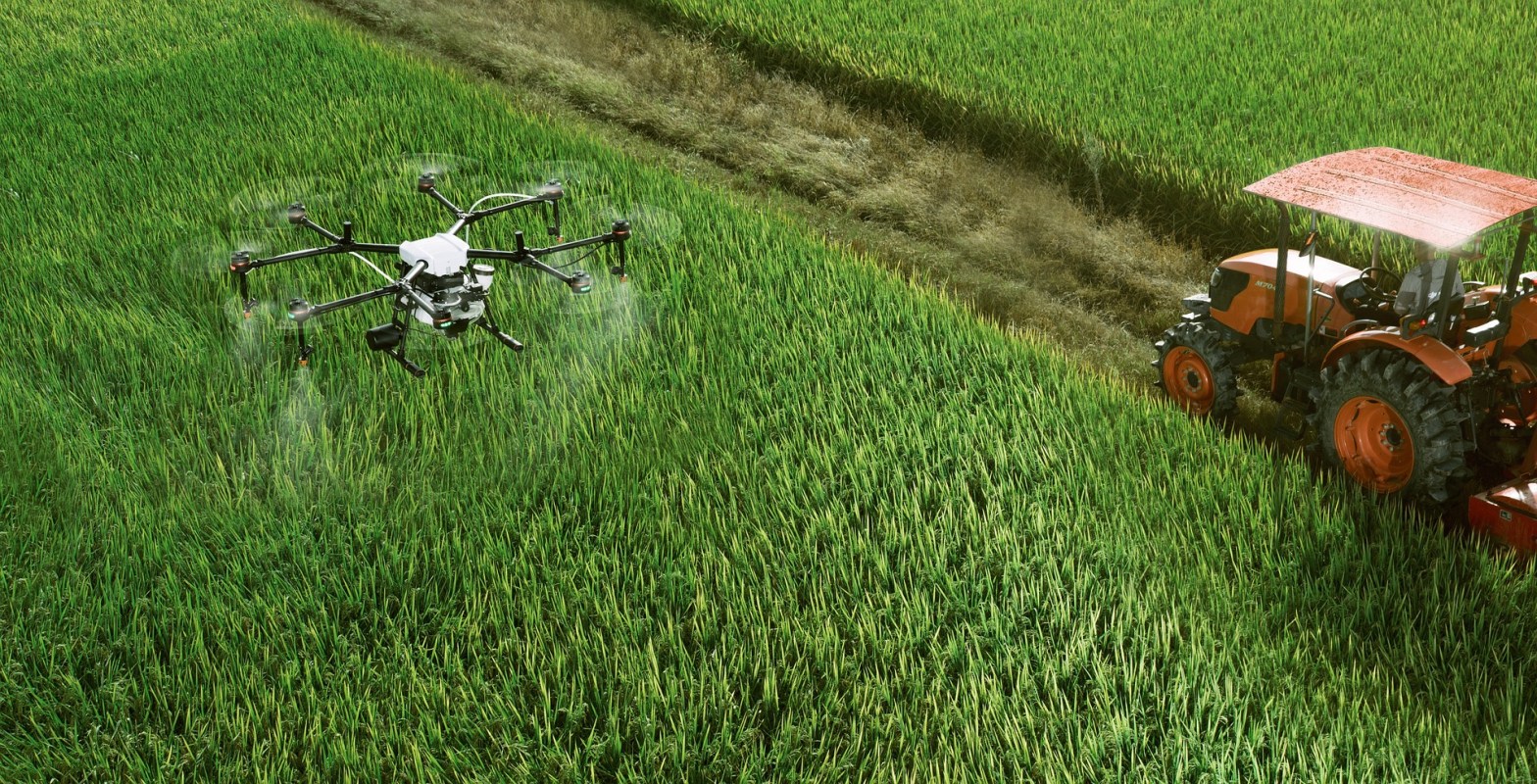
The post discusses the challenges and misconceptions of homesteading and sustainability, emphasizing it as a long-term commitment requiring creativity and patience. It highlights sustainable practices like soil health assessment, crop rotation, and precision agriculture, advocating for integrating technology with traditional methods to enhance productivity while protecting the environment.
Rage Garden Battlefield Soil
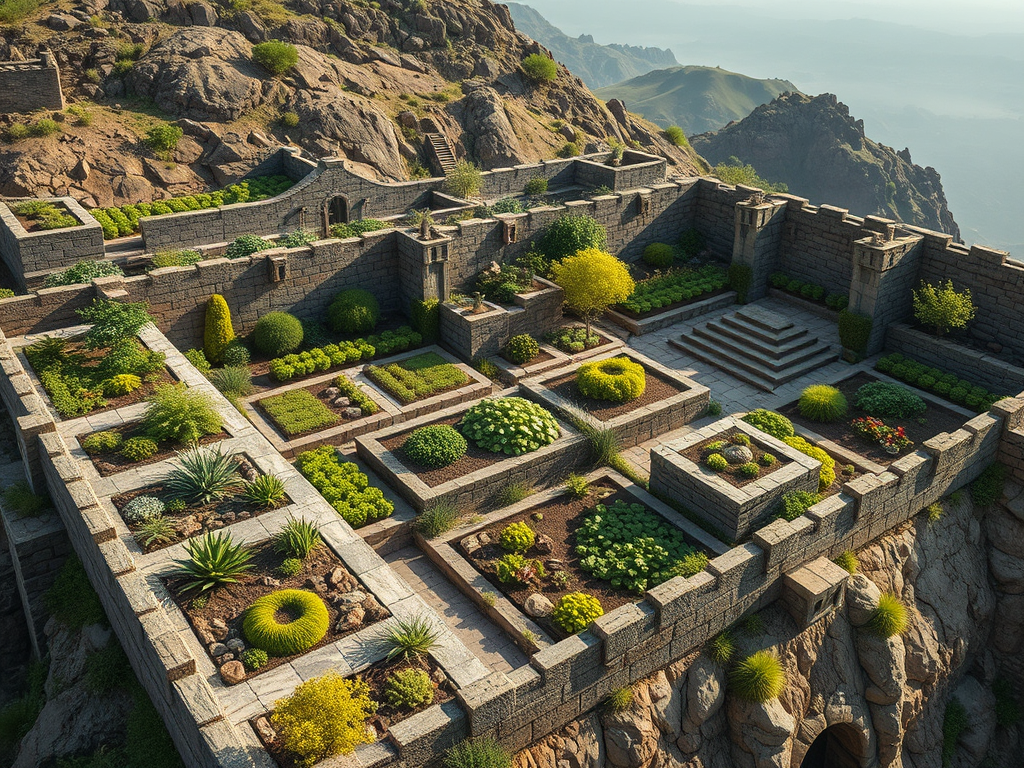
To cultivate a successful rage garden, understand that soil is a vital asset, not mere dirt. Conduct tactical soil testing to assess its health, ensure proper nutrient levels, and address deficiencies. Strengthen your soil with organic matter, pH balance, and necessary amendments to create a solid foundation for thriving plants and ultimately secure victory.
Holy Moly! Mole Management: Effective Strategies and Ecological Benefits
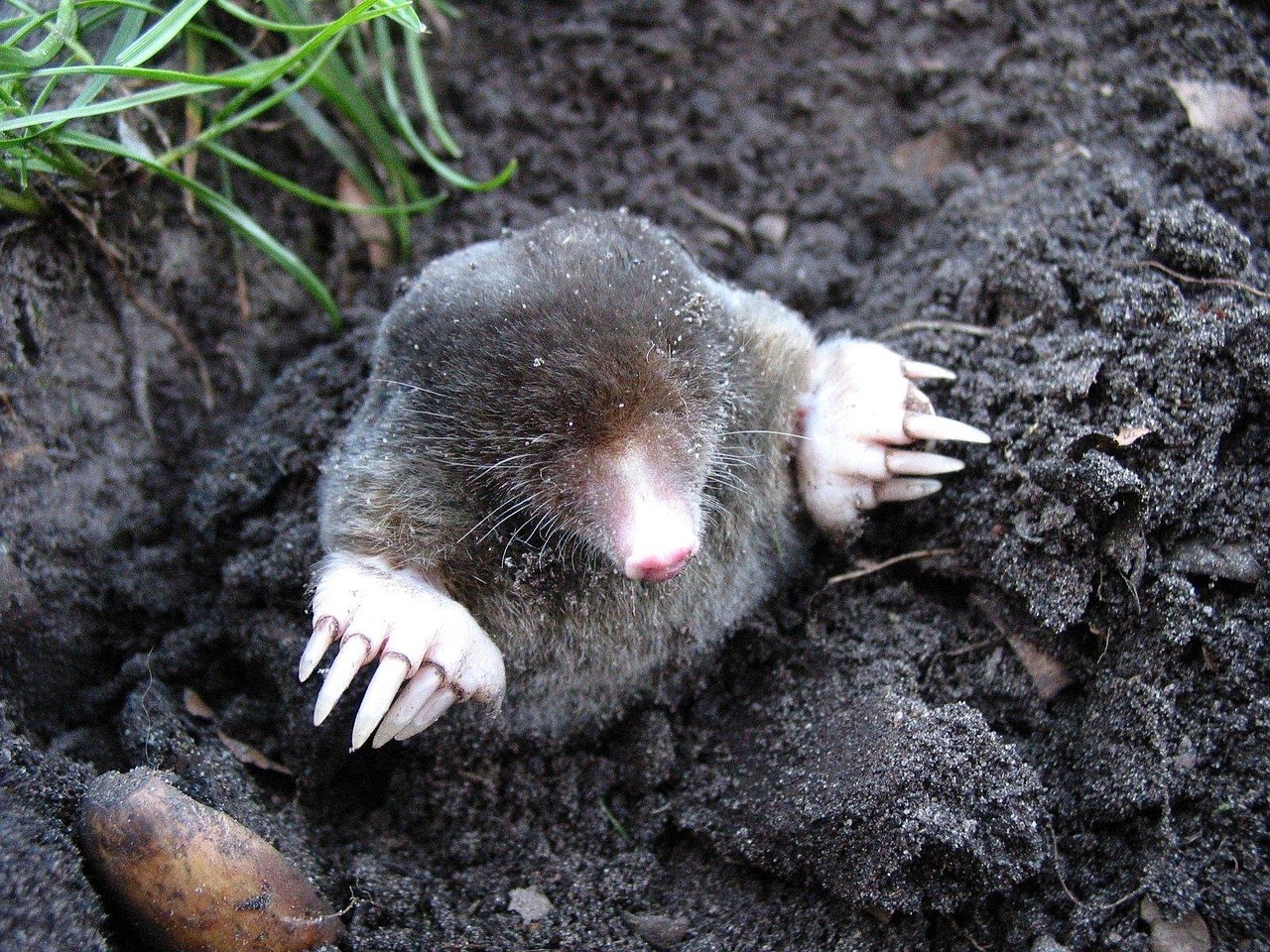
Moles, common in Indiana, can damage lawns but provide ecological benefits like soil aeration and pest control. They are insectivores with unique adaptations for burrowing. Effective mole control relies on trapping, while ineffective methods include pesticides and home remedies. Understanding moles’ role can help balance management with their ecological importance.
Your November Gardening Checklist for Success

Welcome to my monthly Newsletter. This newsletter will help you save money and time. No need to ask what you should be doing or when it should be done. You will have the Know How. This newsletter has it all. This is the best way to stay on top of tasks. These tasks help maintain and grow your garden or farmstead
Soil is not Dirt!
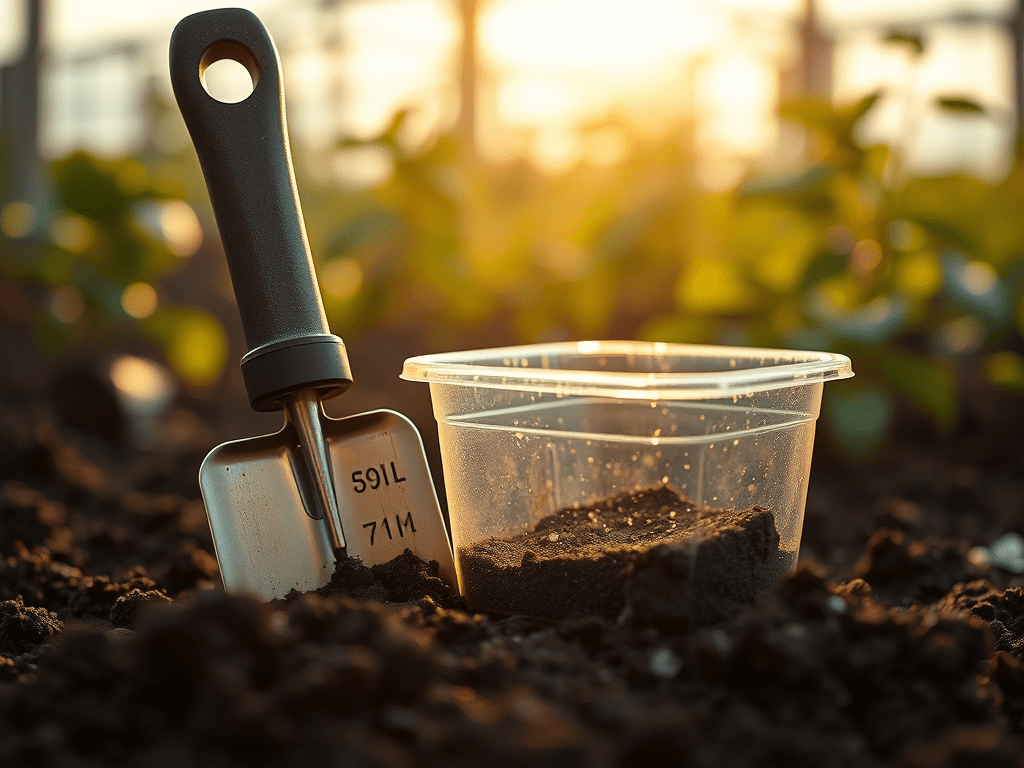
Soil, unlike dirt, is essential for a productive garden, containing air, water, sand, silt, clay, and organic matter. A soil test is crucial for understanding soil quality and necessary amendments. Proper pH and nutrient levels lead to healthy plants, while organic matter enhances soil structure and water retention, promoting overall growth.
