
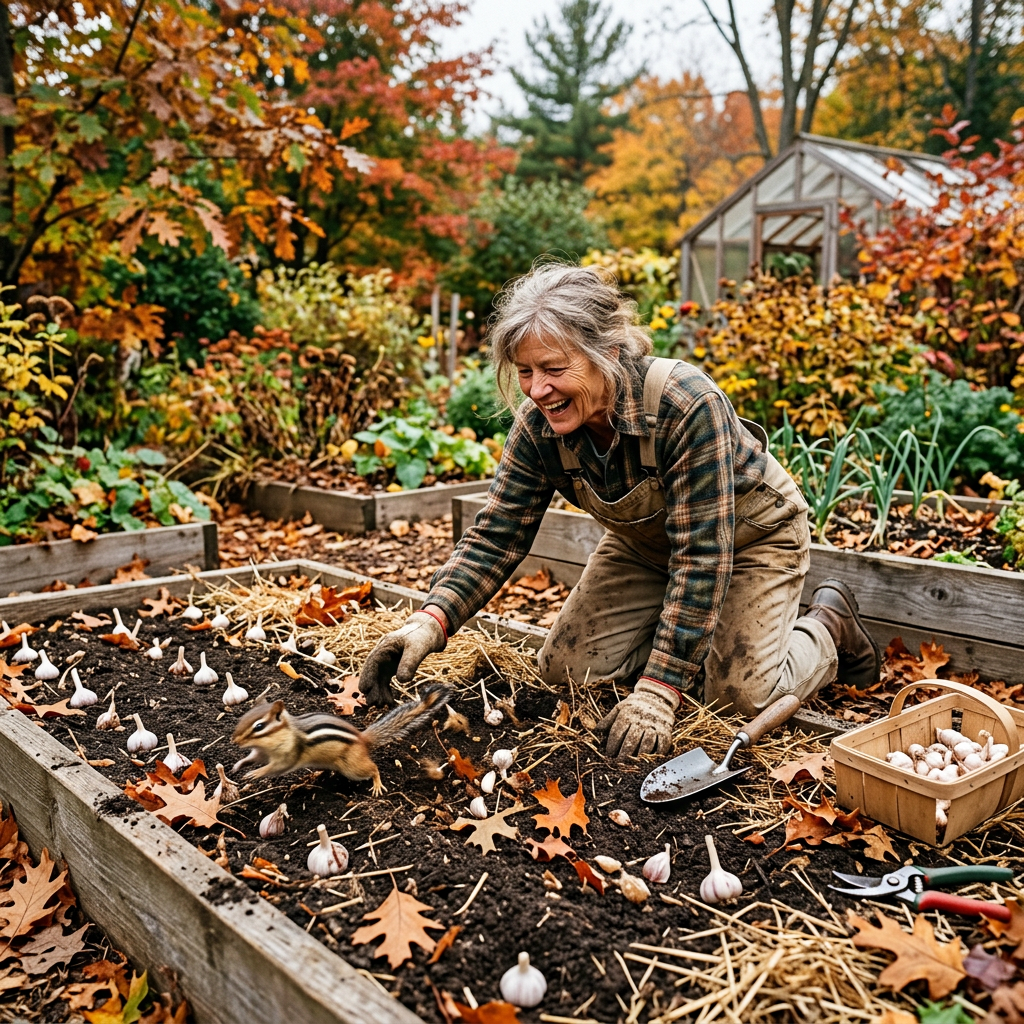
By late autumn, the garden feels like it is exhaling. The greens have settled. The radishes have sparked. The kale has anchored itself. The turnips and Asian greens have woven their quiet blessings into the soil. When you step outside now, the air feels different. It has weight. It has memory. It has that hush that comes before winter begins its long conversation with the earth.
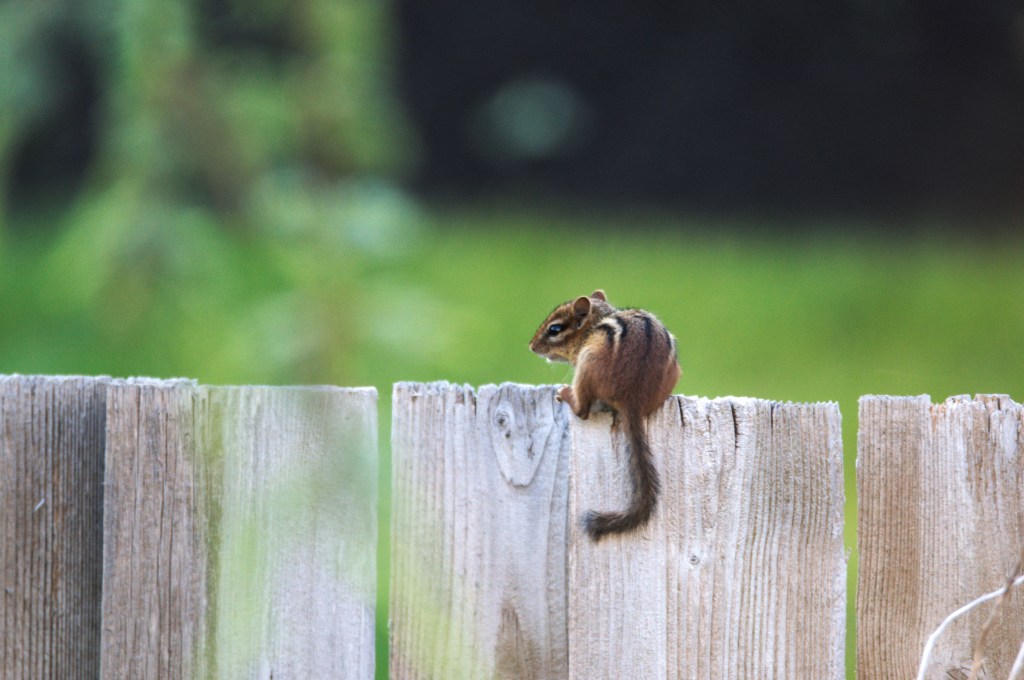
Rocko senses it too, but unlike the solemn creatures in folklore, he does not sit quietly. He scampers along the fence with the jittery urgency of someone who has just remembered he left the stove on. He pauses, stares at you, and then dramatically drops a walnut at your feet like an offering. You have no idea what the walnut is supposed to mean, but he looks very proud of himself, so you accept it. Rocko believes offerings are part of gardening. You have stopped arguing with him about this.
This is when the garlic calls to you
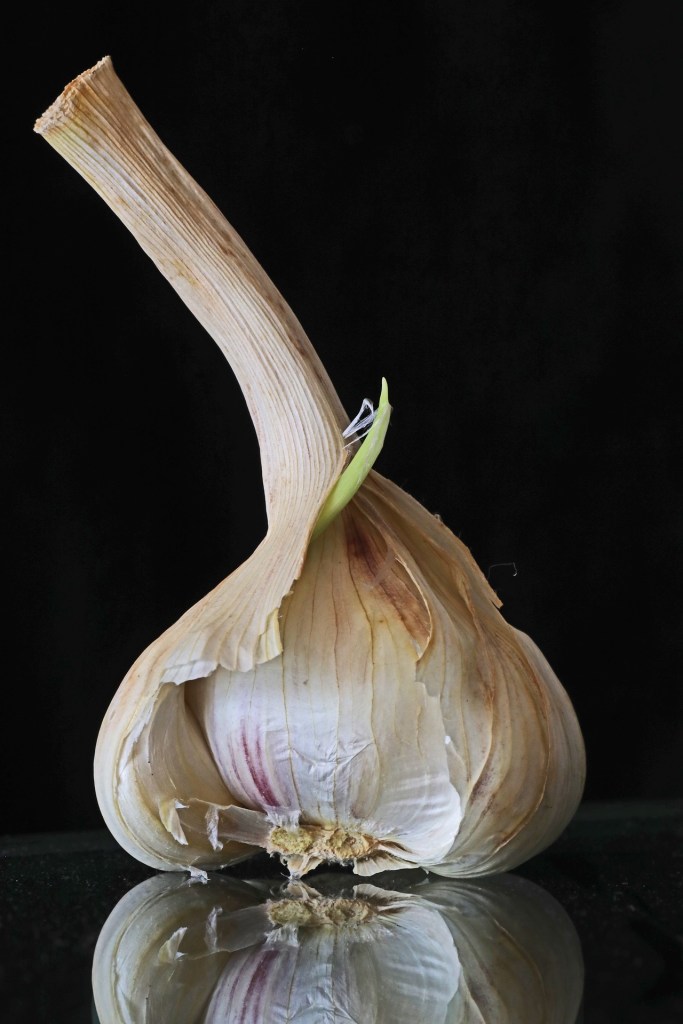
Garlic has always belonged to witches. In old European folklore, garlic was hung in doorways to keep harm away, tucked into pockets for protection, and planted at the edges of fields to guard the harvest. It strengthens the body, sharpens the senses, and keeps wandering spirits at bay. Garlic is not subtle. Garlic is not shy. Garlic is a boundary in plant form.
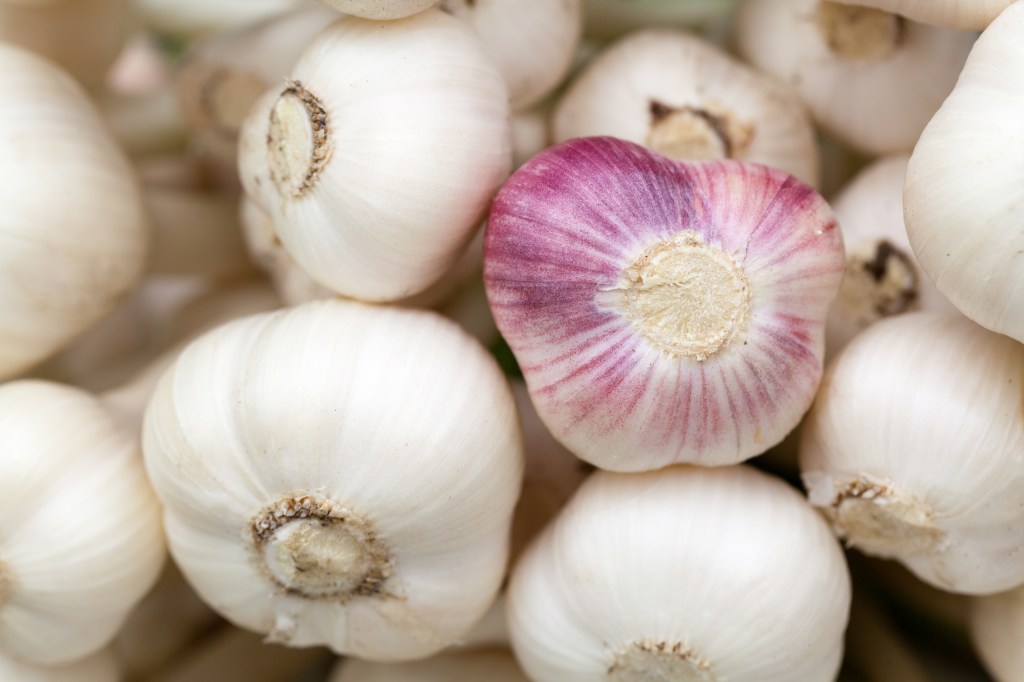
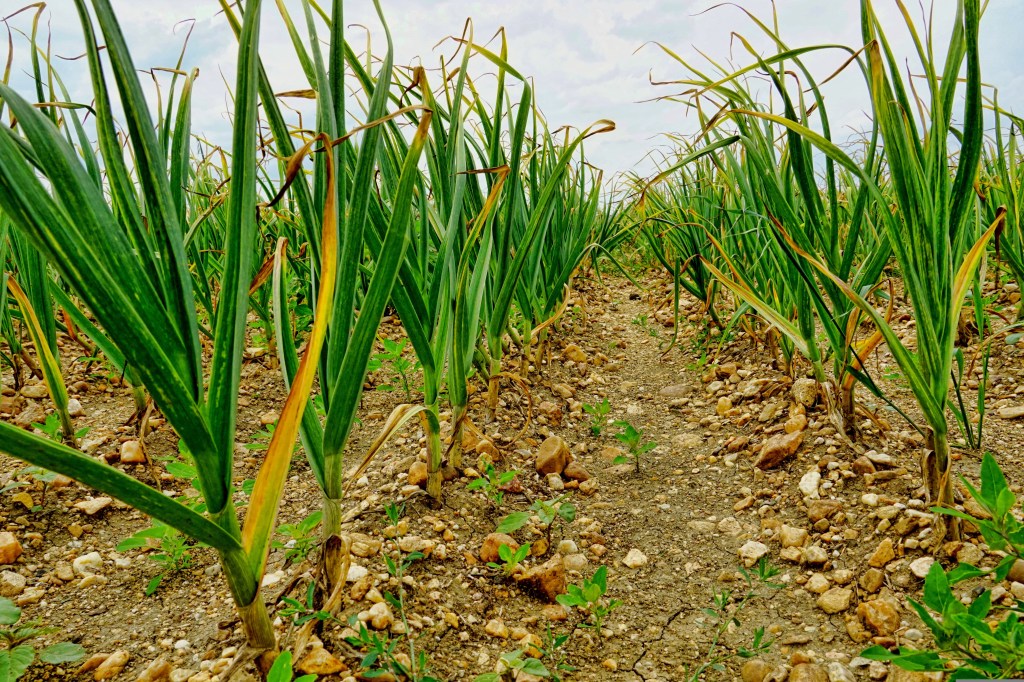
When you plant garlic, you break apart the bulb, choosing the largest cloves, each one a small, pale promise. The soil is cool now, almost cold, and you press each clove into it with a deliberate hand. Pointed end up. Root end down. Two inches deep. Six inches apart.
Rocko looks offended, as if you have rejected his avant‑garde garlic philosophy. And you know the little bastard is going to dig some of this up later. Sure enough, the next morning a few cloves are dug up and relocated like tiny, chaotic landmines. You stare at the mess and wonder, not for the first time, if this is why you found garlic growing in a flower pot last spring.
Garlic prefers to begin its life in darkness. It roots quietly through the cold months, dreaming beneath frost and snow, gathering strength in the silence. It does not rise until spring, and it does not reveal its full self until summer. Planting garlic is planting a future version of yourself. It is planting patience. It is planting faith. It is planting the belief that something powerful can grow even when the world is frozen.
Rocko, having lost the garlic argument, decides to supervise instead. He scurries up onto the garden fence, staring down at your spacing choices with the baffled disapproval of a creature who has never planted anything correctly in his life but is somehow certain you’re doing it wrong. When you press the last clove into the soil, he doesn’t nod like a foreman — he lets out a sharp, judgmental chirp, the kind that sounds suspiciously like he’s filing a complaint. Then he darts off to dig a random hole somewhere else, just to keep you humble.
Winter is not only for planting. Winter is for keeping. Winter is for storing what you have grown. Root storage is its own kind of magic, a quiet ritual that connects you to every gardener who has ever prepared for the dark season. Carrots, turnips, beets, onions, and winter radishes all carry their own winter stories. They hold sweetness in their cores, deepening in flavor as the cold settles around them.
In many places, you can leave root crops in the ground all winter, tucked beneath mulch and snow, pulling them as needed like treasures hidden in the earth. But Indiana is trickier. The freeze‑thaw cycles can heave roots right out of the soil, lifting them like tiny offerings to the sky. You’ve walked out before and found a beet sitting on top of the ground like it climbed out on purpose. Rocko was sitting next to it, looking smug, which did not help.
So you store what you can. You brush the soil from their skins, trim their greens, and place them gently into their winter beds. Carrots nestle into sand like sleeping embers. Onions cure in dry air, their papery skins tightening like armor. Turnips settle into straw, pale and round, remembering their lantern lore.
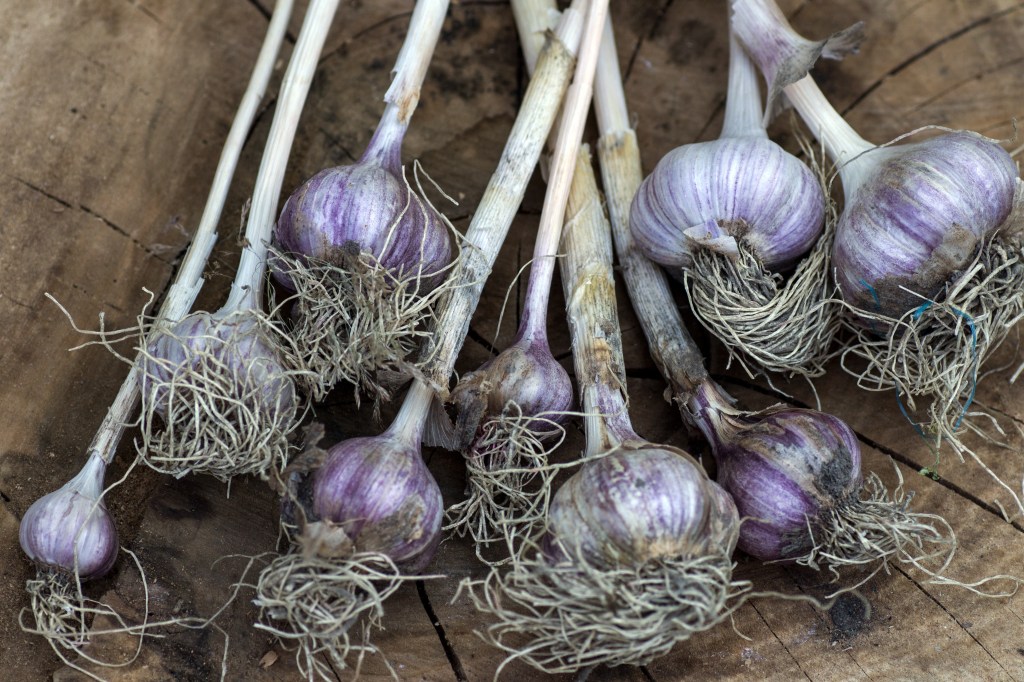
Garlic and stored roots deepen the winter spell. Garlic brings protection. Carrots bring sweetness. Onions bring memory. Turnips bring guidance. Radishes bring bite. Together they create a winter larder that feels like safety made of food. And Rocko, keeper of small secrets and occasional chaos, knows you are not preparing for survival. But honestly, with Rocko in the garden, you might just start your villain arc.
Discover more from Anything Agriculture
Subscribe to get the latest posts sent to your email.
