
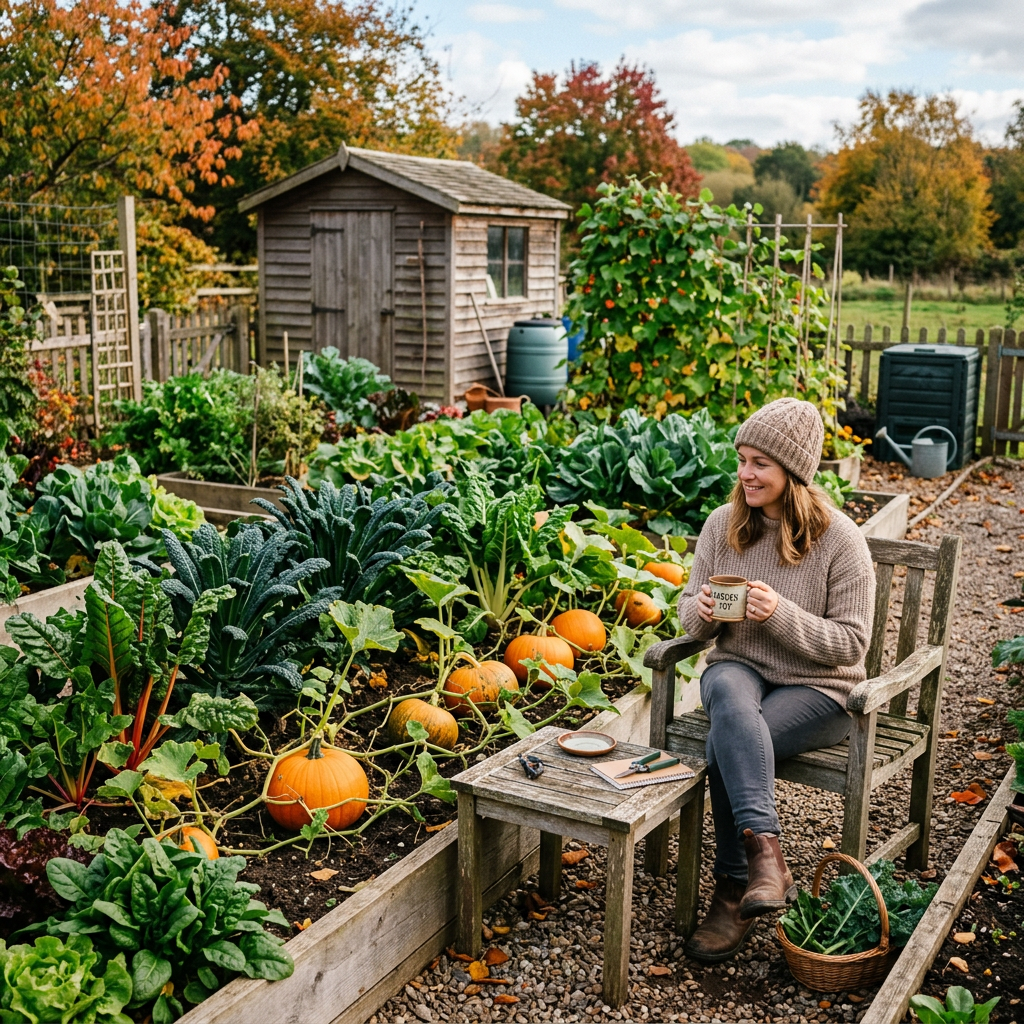
Sitting at the Edge of Autumn
I sat at the edge of the garden today and felt the shift in the air. Autumn has a way of settling around you like a soft blanket, reminding you that the year is turning whether you are ready or not. As I looked over the beds, I realized there are really two kinds of fall gardens. There is the one you plan all year, the one built from careful notes and seed packets tucked away like promises. And then there is the fall garden born from chaos, the one you plant because summer slipped through your fingers and you need a gentler season to begin again. Both are real. Both matter. Both belong to the Rage Garden.
The Fall Garden I Dreamed About All Year
I think often about the fall garden I dreamed of back in spring. I imagined neat rows of lettuce glowing like emeralds in the low autumn sun, kale standing like armored soldiers, spinach stretching slowly through the shortening days. I pictured garlic settling into the soil for its long winter sleep, each clove planted like a whispered intention. A planned fall garden is a quiet triumph. It is the moment when the garden does not fade with summer but transforms into something calmer, sweeter, and more intentional. It is the garden that peaks when the world cools down.
The Fall Garden Born From Chaos
But this year, my fall garden is born from chaos. Summer got away from me. Heat waves scorched the tomatoes. Storms flattened the beans. Pests threw a parade in the cucumbers. I went on vacation and came home to a kingdom that had crowned itself without me. The garden turned wild, and I turned tired. So now autumn feels like a second chance. Cool‑season crops forgive neglect. They rise quietly, without demanding perfection. They do not care that I missed a week of watering or that the weeds had their fun. They simply grow because the season is right and the soil is willing.
Why Fall Gardens Work So Well
Fall gardens work because autumn is kinder than summer. Cool nights soothe stressed plants. Short days deepen flavor and slow growth to a manageable pace. Moisture lingers in the soil instead of evaporating in a rage. Pests retreat. Weeds lose their ambition. The whole garden seems to exhale after months of heat and chaos. It feels like the earth is finally ready to cooperate again.
Notes to Myself on Cool‑Season Growing
I remind myself that cool‑season crops want gentleness. They prefer moist soil and steady watering. They appreciate mulch to hold the chill and shade during the last warm days. They do not rush. They do not bolt. They grow in rhythm with the turning year, each one with its own pace and its own way of handling the cold.
Lettuce rises fast and soft, grateful for the cool. Most varieties mature in thirty to fifty days, which feels like a small miracle after the long waits of summer crops. Lettuce handles light frosts without complaint, especially romaine and butterhead types. The cold tightens the leaves and deepens the flavor, making autumn lettuce taste cleaner and sweeter than anything grown in July.
Spinach stretches slowly, savoring the short days. It takes forty to fifty days to reach full size, but baby leaves can be harvested much earlier. Spinach loves the cold more than most plants. It can survive hard frosts and even brief freezes, curling slightly but bouncing back as soon as the sun returns. In fall, spinach feels like a plant that finally gets the season it was made for.
Radishes sprint toward harvest, eager to prove themselves. They mature in twenty‑five to thirty days, sometimes even faster in cool soil. Radishes tolerate frost well and often become crisper and sharper after a cold night. They are the little athletes of the fall garden, quick, determined, and always ready to show off.
Kale becomes sweeter after frost, as if the cold teaches it courage. It takes fifty to seventy days to mature, depending on the variety, but it can be harvested leaf by leaf long before that. Kale is one of the hardiest crops in the garden. It can survive repeated frosts, hard freezes, and even snow. In autumn, kale feels like a plant that refuses to give up, no matter how the season shifts.
Turnips swell in cool soil, offering both roots and greens. They mature in forty to sixty days, and their greens can be harvested earlier. Turnips tolerate frost easily, and some varieties can handle temperatures dipping into the twenties. The cold sharpens their flavor, making the roots sweeter and the greens more tender.
Asian greens bow politely to the season, thriving in the chill. Bok choy, tatsoi, mizuna, and their cousins mature quickly, often in thirty to forty‑five days. They handle frost with surprising grace, especially tatsoi, which can flatten under cold and then rise again when the sun warms the soil. These greens feel like autumn dancers, bending and returning with every shift in temperature.
Mache and claytonia whisper their winter magic, surviving cold that would break other plants. Mache matures in forty to sixty days and can survive temperatures near freezing without losing its delicate texture. Claytonia takes forty to fifty days and can endure frost, freeze, and even light snow. These are the true winter survivors, the quiet souls of the late garden, growing slowly and steadily when almost everything else has surrendered.
Cool‑season crops do not demand perfection. They simply ask for a bit of soil, a bit of water, and the patience to let them rise in their own time. They remind me that autumn is not an ending but a gentler beginning, a season where the garden grows in whispers instead of shouts.
Garlic: The Autumn Warrior
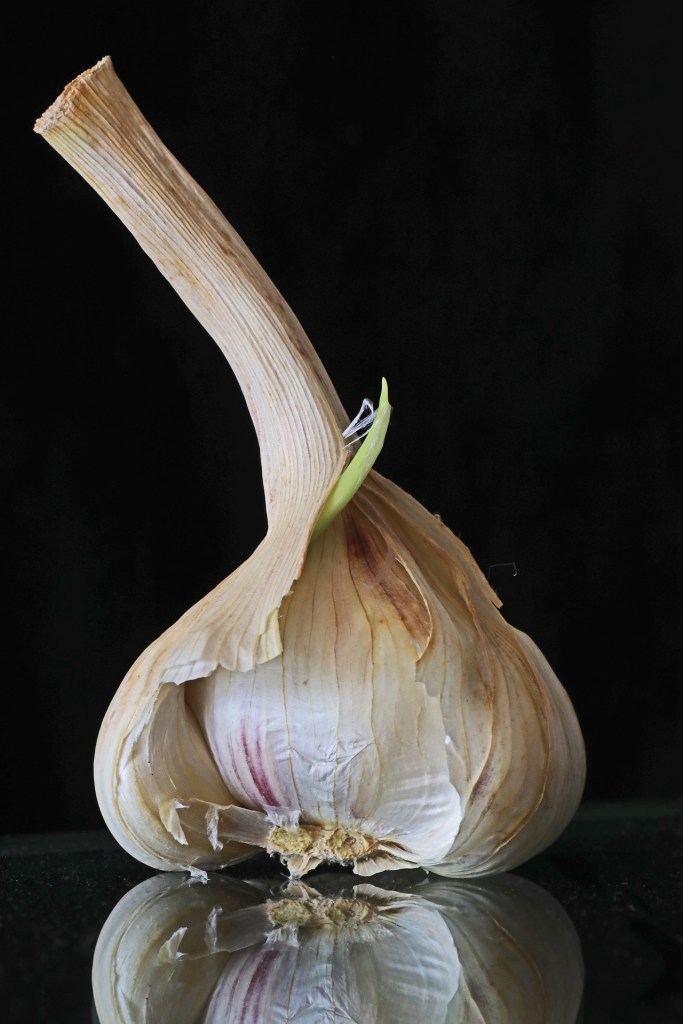
And then there is garlic, the autumn warrior. Planting garlic feels like planting promises. I press each clove into the soil four to six weeks before the ground freezes, knowing it will dig deep and sleep through winter. Hardneck garlic rises in spring with scapes curled like serpents. Softneck garlic stores long and braids beautifully. Garlic teaches patience. It teaches trust. It reminds me that some harvests begin in the cold.
Storing the Roots of Summer
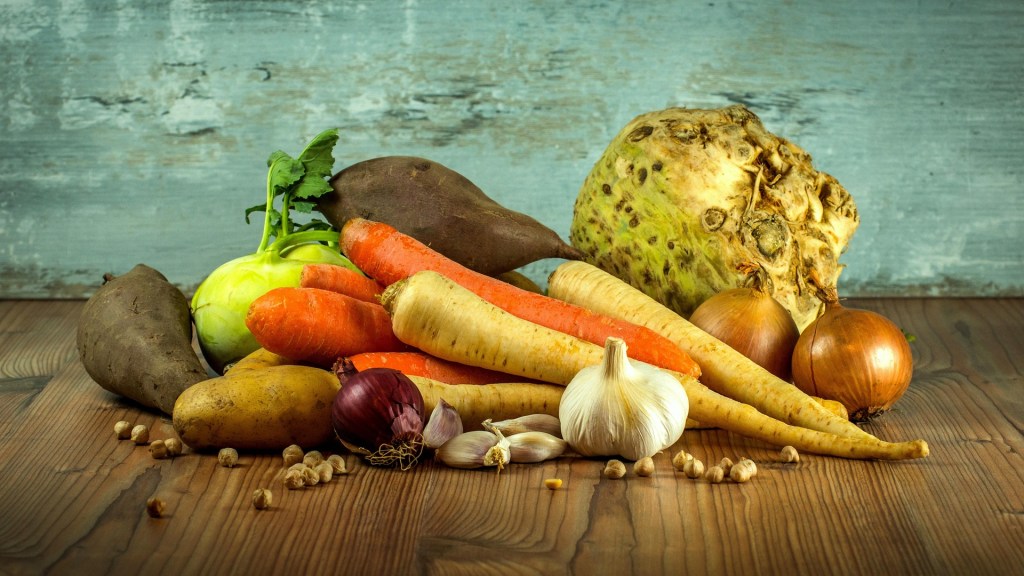
Autumn is not only for planting. It is for keeping what survived. Carrots can stay in the ground under a blanket of mulch, growing sweeter with every frost. Or they can be lifted and stored in damp sand, resting in the dark like treasure.
Beets, rutabagas, and parsnips deepen in flavor as the cold settles in, becoming more themselves with every frost.
The Winter Survivors
Some crops do not fear the cold. They welcome it. Winter lettuces, kale, spinach, mache, claytonia. They stand quietly under frost, waiting for the sun to return. These plants are the guardians of the late garden, proof that life continues even when the world grows cold.
Choosing My Autumn Path
So I ask myself which autumn path I am choosing this year. The planned fall garden or the improvised one. Both reconnect me to the soil. Both remind me that the garden is not a test but a relationship. Both are valid ways to begin again.
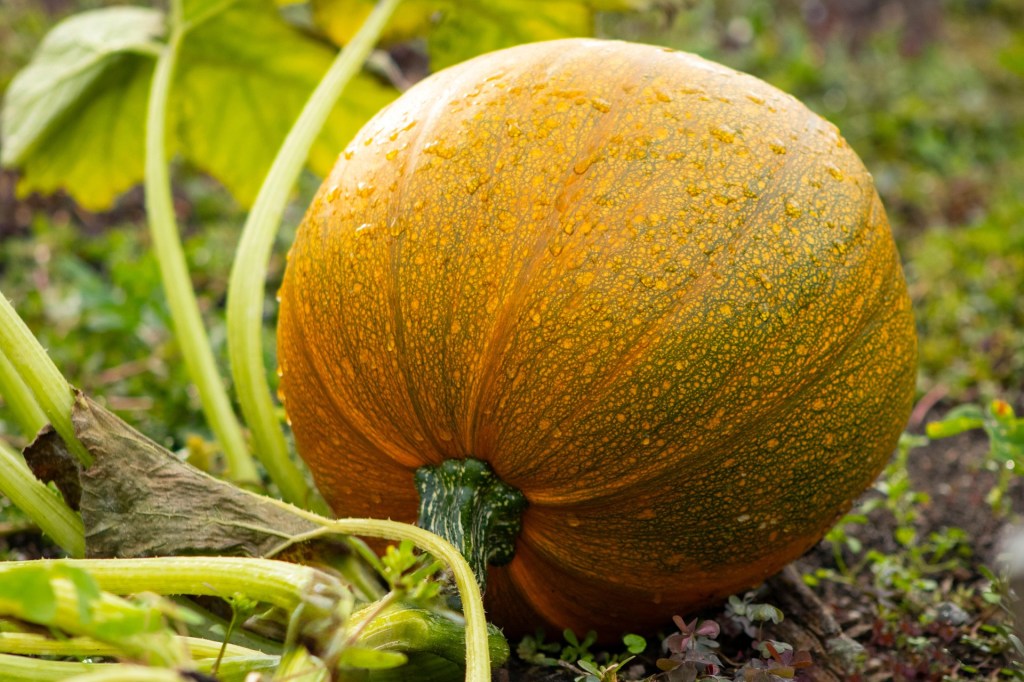
And as I walk the edges of the beds, I feel autumn gathering around me. The mums are starting to swell with color, those tight buds ready to burst into the kind of golds and purples that make the season feel ceremonial. Gourds and pumpkins sit heavy on their vines, wearing the exact shades of autumn I love to work around. Their skins glow like lanterns left out for the turning year, each one a reminder that fall carries its own kind of abundance.
These are the things that make me fall in love with the season every time. The earthy smell of drying vines. The cool air that finally lets me breathe. The way pumpkins anchor the garden like old friends who waited patiently through the chaos of summer. They give the Rage Garden a sense of gravity, a sense of purpose, a sense of “we’re still here.”
I stand in the middle of it all and feel the garden take a breath with me. A long, cool inhale. A settling. A readiness. My Rage Garden, wild and stubborn and honest as ever, seems to whisper back, let’s do this. Not with urgency. Not with pressure. But with the quiet confidence that autumn brings. The confidence of a season that knows how to begin again.
Discover more from Anything Agriculture
Subscribe to get the latest posts sent to your email.
