

Every garden eventually learns the truth: plants are easy. Animals are the problem. The moment your garden begins to thrive, the local wildlife forms a committee, drafts a battle plan, and launches a coordinated assault on everything you love. You can mulch, water, fertilize, and whisper affirmations to your tomatoes, but none of it matters when a raccoon with the moral compass of a pirate decides your corn patch is his personal buffet. Animal pest control is not a hobby. It is a war fought with strategy, stubbornness, and the faint hope that this year, maybe, the creatures will show mercy. They won’t.
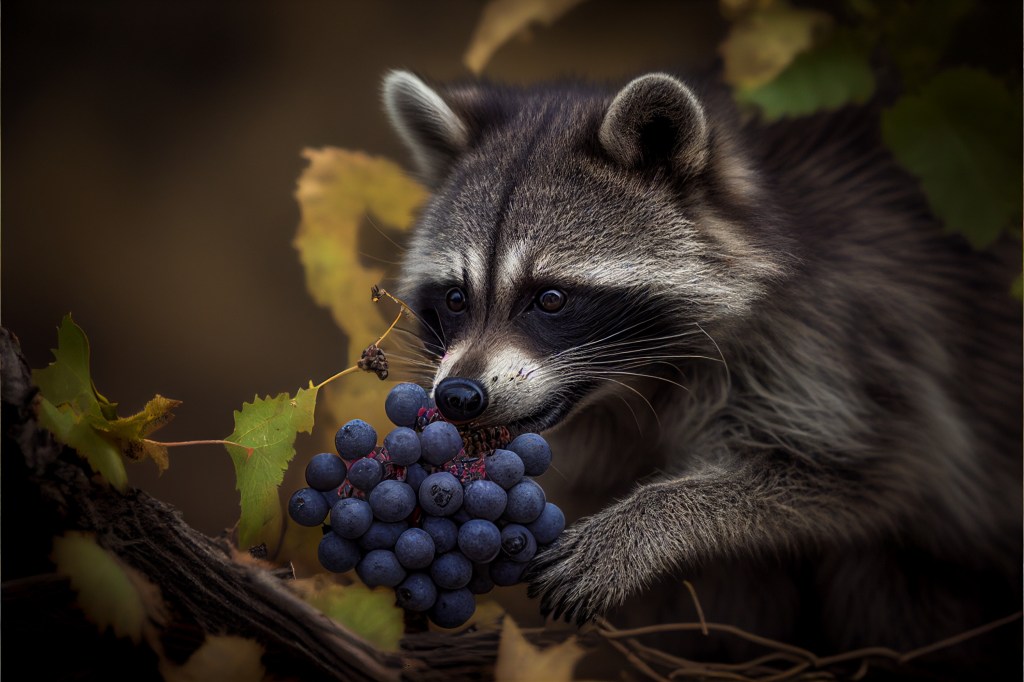
Raccoons are the undisputed warlords of the cornfield. They wait until the exact night your sweet corn hits peak perfection, then descend like masked marauders with tiny hands and zero shame. They do not take one ear. They take bites out of every ear, leaving behind a field of half‑eaten casualties. Stopping them requires a combination of fencing, motion lights, and the kind of emotional fortitude usually reserved for medieval knights. A sturdy fence buried a few inches into the soil helps, but raccoons treat fences like puzzles. Motion lights can startle them, but only for a moment, because raccoons are powered by chaos and spite. The most effective deterrent is a fully enclosed garden or an electric fence, which teaches them that perhaps the corn is not worth the existential crisis. Even then, raccoons will test your defenses nightly, because they believe in themselves.
Deer, meanwhile, are the elegant destroyers of the tomato realm. They stroll into the garden like they own the place, nibbling the tops off your tomato plants with the casual confidence of creatures who know you cannot stop them. Deer do not care about your hopes, dreams, or heirloom varieties. They will eat the blossoms, the leaves, the stems, and then look you in the eye as if to say, “You grew this for me, right?” The only truly effective deterrent is a tall fence, ideally eight feet or more, because deer are Olympic‑level jumpers with no respect for boundaries. Scent deterrents can help, but must be reapplied constantly, because deer have the attention span of toddlers and the appetite of goats. If you want tomatoes, you must defend them like treasure.
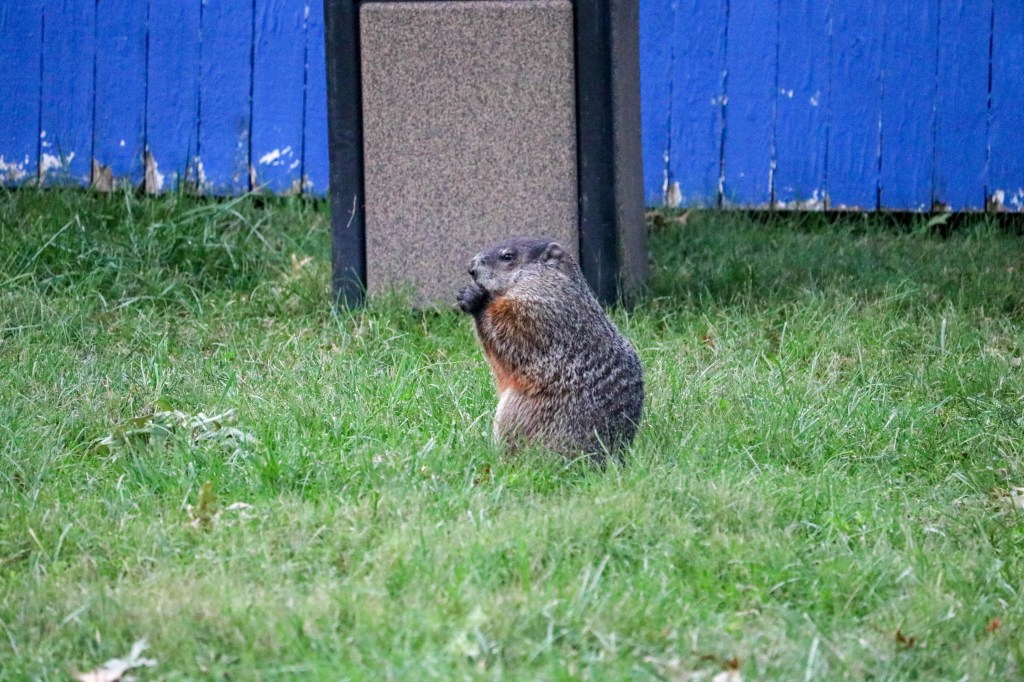
And then there is the groundhog. Every garden has one. Mine is a furry little menace who has declared a personal vendetta against me. He watches me plant with the intensity of a rival general. He waits until the exact moment I turn my back, then emerges from his underground bunker to mow down seedlings with the efficiency of a tiny, vengeful lawnmower. Groundhogs are relentless, strategic, and fueled by the belief that your garden is a buffet created solely for their enjoyment. Stopping them requires exclusion fencing buried deep into the soil, because groundhogs dig like they’re auditioning for a mining job. Live traps can work, but groundhogs are surprisingly clever, and mine has learned to steal the bait without triggering the mechanism. I respect him. I also fear him.
Animal pest control in the garden is a delicate balance of prevention, persistence, and accepting that wildlife will always test your patience. Fencing is the most reliable defense, especially when buried or reinforced. Motion lights, scent deterrents, and noise devices can help, but must be rotated frequently because animals adapt faster than we do. Removing attractants like fallen fruit, unsecured compost, or easy hiding spots can reduce visits. And sometimes, the best strategy is simply outsmarting them with timing, vigilance, and the willingness to sprint into the yard at midnight in your pajamas yelling, “Not today.”
Gardening with wildlife is not peaceful coexistence. It is a negotiation with creatures who do not negotiate. But every victory, every saved tomato, every untouched ear of corn feels like triumph. And every gardener eventually learns that the animals are not villains. They are simply hungry, determined, and very good at their jobs. Our job is to be better.
The Urban Wildlife Mafia
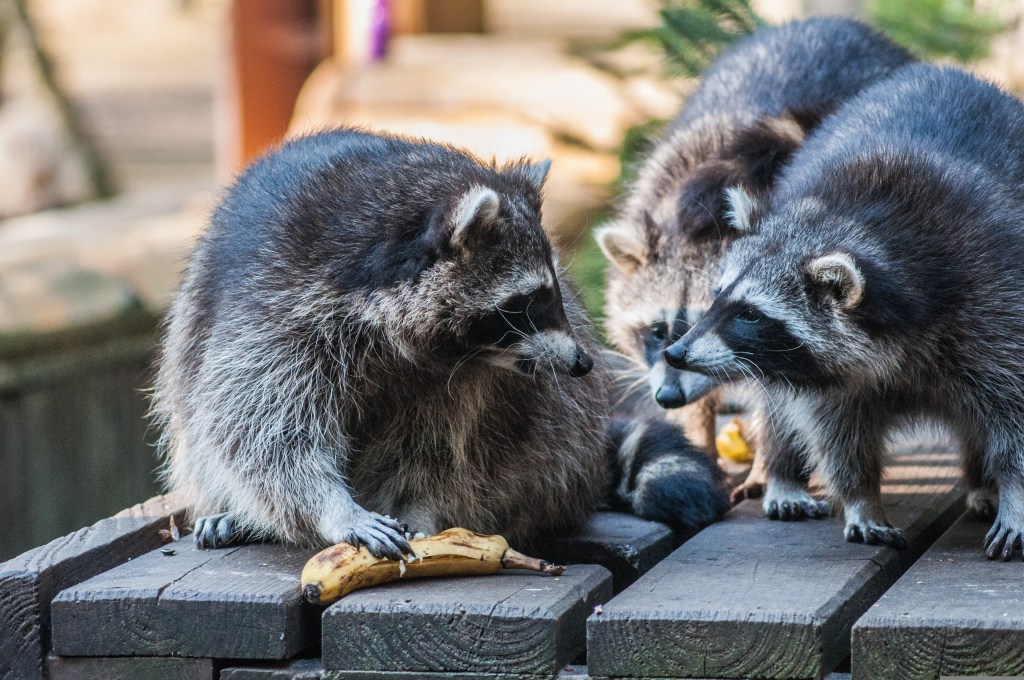
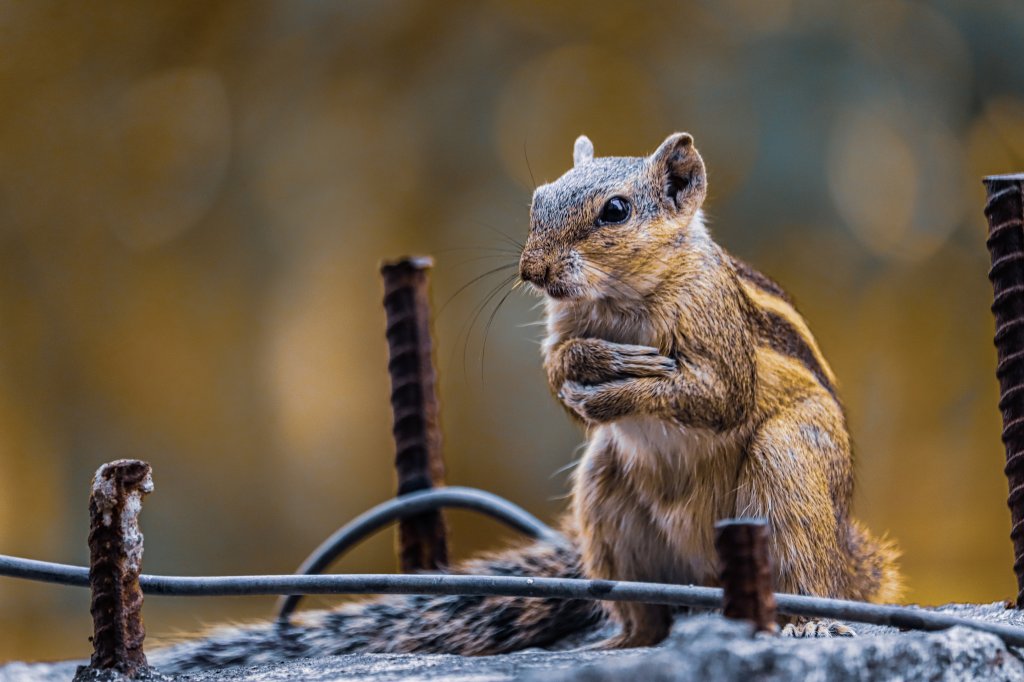
Every city has a criminal underworld, but gardeners know the truth: the real mafia isn’t human. It’s the Urban Wildlife Mafia, a network of furry, feathered, and whiskered operatives who run the neighborhoods with tiny paws and zero fear. They move through backyards like they own the place, enforcing their own laws, collecting their own taxes, and treating your garden like a protection racket. The raccoons are the capos, swaggering in at night with their little bandit masks and unsettlingly human hands, taking one bite out of every ear of corn as a “reminder” of who’s in charge. The squirrels run the syndicate’s day shift, burying nuts in your raised beds, digging up seedlings, and performing high‑wire acrobatics across power lines like they’re casing the joint. The Deer Council acts as the muscle, strolling in with the confidence of creatures who know you can’t stop them, pruning your tomatoes down to nubs as a territorial warning. The rabbits lead the Bunny Rebellion, mowing down seedlings with adorable ruthlessness, while the groundhog operates as the shadowy mastermind, emerging from his bunker only to destroy entire rows in a single afternoon. And the chipmunks? They’re the pickpockets,small, fast, and always guilty. Surviving the Urban Wildlife Mafia requires strategy, not hope. Ultrasonic devices are useless; the mafia has heard worse in the suburbs. Flashy tape and whirlygigs work for a week until the animals realize they’re harmless. Predator urine works only when fresh, which is approximately five minutes before dew or rain washes it away. Statues fool no one unless you move them daily like you’re running a haunted garden attraction. What actually works is the old‑school stuff: fences, hardware cloth, and electricity. A proper garden fence is the equivalent of hiring a very large, very serious bouncer. Electric fencing is the gold standard,one wire six inches off the ground for raccoons, one at four feet for deer, and a smear of peanut butter on the hot wire the first night to ensure the lesson is unforgettable. Hardware cloth buried deep stops the diggers, because the mafia loves a tunnel job. Motion‑activated sprinklers can help, but only as part of a rotating defense, because urban wildlife adapts faster than we do. The truth is simple: the Urban Wildlife Mafia isn’t going anywhere. They’ve lived alongside humans long enough to know our tricks. But with the right defenses, a little strategy, and the occasional electrified peanut‑butter booby trap, you can hold your ground. In this city, the garden that survives isn’t the prettiest. It’s the one that fights back.
What Doesn’t Work: A Rage Garden Reality Check
Every gardener eventually learns that the world is full of products that promise to repel wildlife but instead repel only your money from your wallet. Ultrasonic devices are the worst offenders. They claim to emit high‑frequency sounds that scare animals away, but the only thing they scare is your bank account. Wildlife in the Midwest has heard tornado sirens, fireworks, gunshots, and the neighbor’s teenager learning electric guitar. A little ultrasonic chirp is not going to send them running. If anything, the raccoons will sit under it like they’re at a spa. Predator urine works,when it’s fresh, which is about five minutes. The moment it rains, or even a heavy dew settles, the scent washes away and the animals stroll back in like the buffet has reopened. And honestly, the idea that I’m supposed to spend my summer reapplying coyote pee like it’s artisanal perfume is deeply offensive. Statues,owls, coyotes, scary silhouettes,work only if you are dedicated to moving them every single day. If you leave them in one spot, the animals figure out the ruse immediately. Deer will walk right up to a plastic coyote, sniff it, and then eat your tomatoes while making direct eye contact with you. Whirlygigs, flashy tape, spinning reflectors,they work for about a week. Then the animals adapt, because nuisance wildlife is basically running a graduate‑level course in urban survival. They’ve learned that flashing lights and weird noises don’t hurt them. They live in the suburbs. They’ve seen worse.
What actually works is the stuff gardeners have been using for centuries: fences. There’s a reason every old‑school garden looks like a tiny fortress. A proper fence is the line between you and chaos. Electric fencing is the gold standard. One wire six inches off the ground for raccoons, and one at four feet for deer. And if you really want to send a message, smear a little peanut butter on the hot wire the first night. The raccoons will touch it once, experience the shock of their tiny lives, and immediately reevaluate their career choices. Deer learn fast too,one zap and suddenly your tomatoes are no longer worth the emotional trauma. For diggers like groundhogs, rabbits, and skunks, hardware cloth buried six to twelve inches into the soil is the only thing that stops them. Anything less and they’ll tunnel under like they’re reenacting The Great Escape. Motion‑activated sprinklers can help, but only as part of a larger strategy. Animals get used to everything eventually, because urban wildlife has evolved into a league of tiny, furry supervillains who know that most noises and lights are empty threats.
Prepare Yourself for What Comes Next
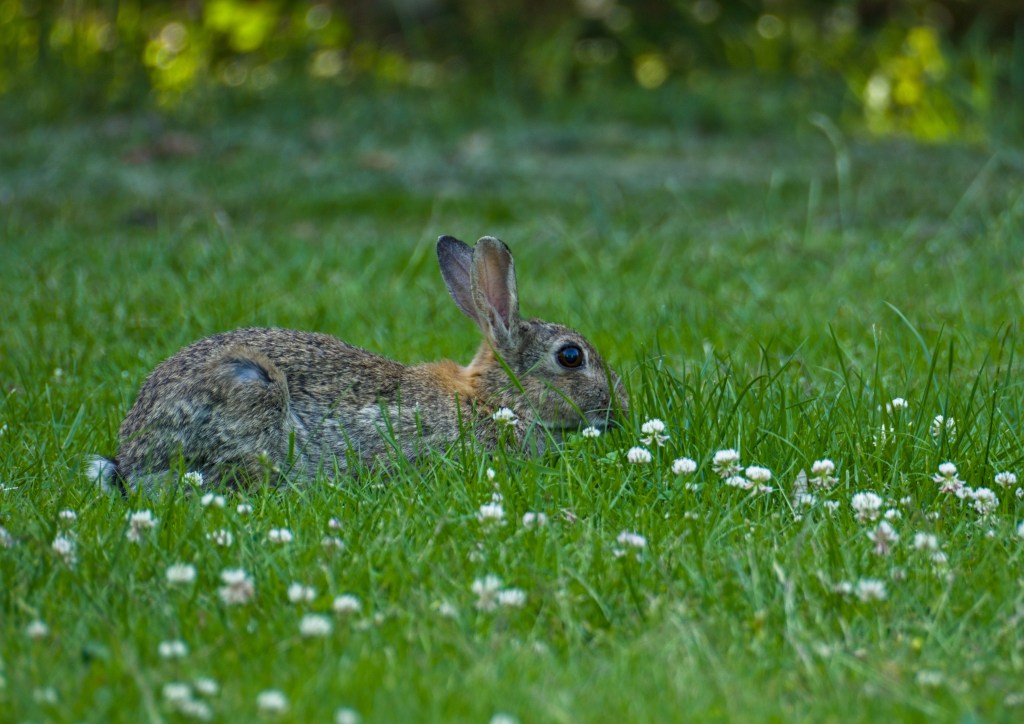
If you’ve made it this far, congratulations , you now understand that gardening is less “peaceful hobby” and more “ongoing turf war with the Urban Wildlife Mafia.” You’ve learned what works, what doesn’t, what shocks raccoons into rethinking their life choices, and why every garden eventually ends up looking like a tiny medieval fortress. You’ve also learned that animals are bold, clever, and absolutely committed to eating your hard work with the confidence of creatures who have never paid rent. But don’t worry. This is only the beginning. Because now that you know the tactics, the traps, the failures, and the electrified peanut‑butter diplomacy, it’s time to meet the cast of characters behind the chaos. The furry masterminds. The masked marauders. The tiny anarchists. The elegant destroyers. The scruffy diplomats. The underground warlords. The Rage Garden Bestiary is coming, and it will reveal every creature that has wronged me, betrayed me, or forced me to sprint into the yard at midnight in my pajamas. Sharpen your trowels. Fortify your fences. And brace yourself. The next post will introduce you to the full roster of villains, allies, and questionable woodland personalities who make gardening the most dramatic hobby on earth. The saga continues.
Discover more from Anything Agriculture
Subscribe to get the latest posts sent to your email.
