
Establishing the Empire
Planting sweet corn begins with the dangerous belief that this will be simple. It never is. Sweet corn demands rich, well‑fed soil, and if you don’t give it enough nitrogen, it will punish you with pale, sulking stalks that look like they regret being born. But before you go tossing random organic matter into the ground like a chaotic compost fairy, let me save you from a historical misunderstanding. We all grew up hearing the story about the Pilgrims being taught to bury a fish with their corn seeds. It sounds wholesome, ancient, and vaguely magical. What the story leaves out is that the fish was already decomposing, and the Native Americans who taught this method understood soil biology far better than the Pilgrims who were, frankly, one bad winter away from becoming a cautionary tale. They weren’t burying fresh fish. They weren’t tossing whole carcasses into the ground like confused raccoons. They were using properly aged organic matter, placed with intention, timing, and cultural knowledge the Pilgrims absolutely did not possess.
So no, you should not bury a fresh fish under your corn. You should not bury fresh kitchen scraps, fresh manure, or anything that still resembles the creature or plant it used to be. Uncomposted material introduces rot, fungal issues, nitrogen theft, and the worst problem of all: wildlife. If you bury something smelly under your corn, every raccoon, opossum, stray cat, and neighborhood cryptid will dig it up, destroy your careful block spacing, and leave you standing in the garden at 6 a.m. screaming into the void. Compost first. Always. Sweet corn wants nutrients, not a shallow grave.
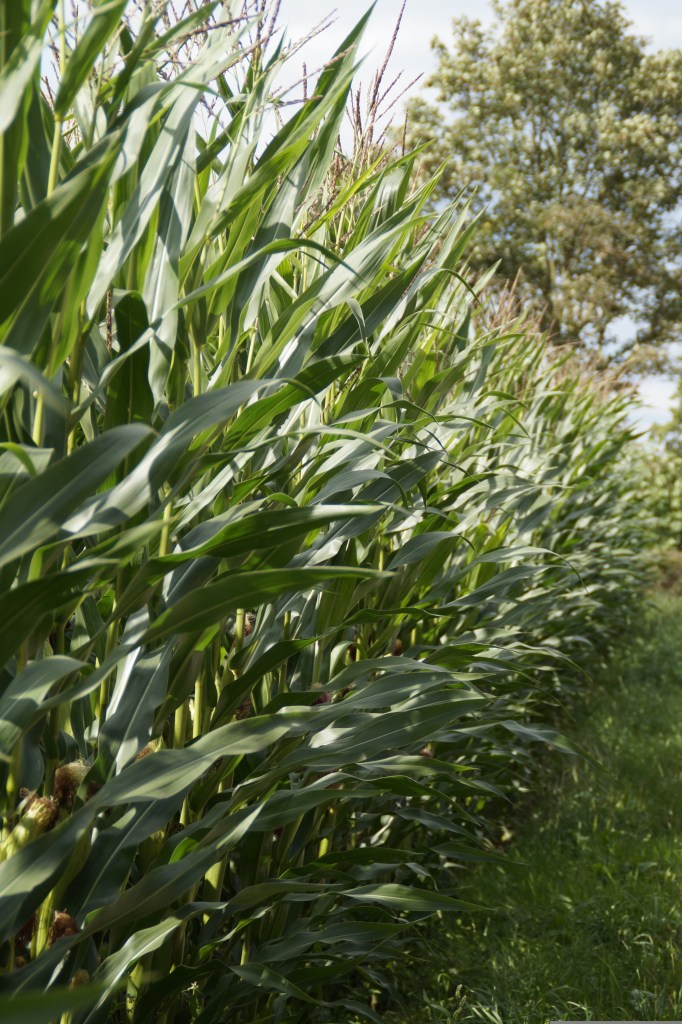
Once the soil is properly fed, you must plant in blocks, not rows, because corn relies on wind pollination, and the wind is a fickle, chaotic deity who respects geometry more than human suffering. I planted my seeds with reverence and caffeine‑fueled optimism, whispering, “May these seeds rise taller than my patience,” fully unaware of the emotional journey ahead.
II. The Wind, the Enemy, the Architect
Success with sweet corn depends entirely on understanding that the wind is not your friend. It is not your ally. It is not even neutral. The wind is a chaotic force of nature that delights in ruining your pollination just to watch you suffer. Corn relies on wind to carry pollen from tassel to silk, which means you must plant in dense blocks, not long, lonely rows. A block gives the wind enough pollen to work with, even if it’s in one of its moods. If you plant a single row, you will get ears with bald patches that look like dental nightmares. During tasseling season, I found myself standing in the garden like a desperate cleric, begging the breeze to blow in the correct direction. “Please blow north to south today. Please. I am begging.” The wind ignored me, as it always does, swirling pollen everywhere except where it needed to go. The only reason any kernels formed at all was because corn is stubborn enough to survive my emotional instability. If you want success, plant enough corn that the wind has no choice but to cooperate
III. The Tassel and the Silk, The Coronation
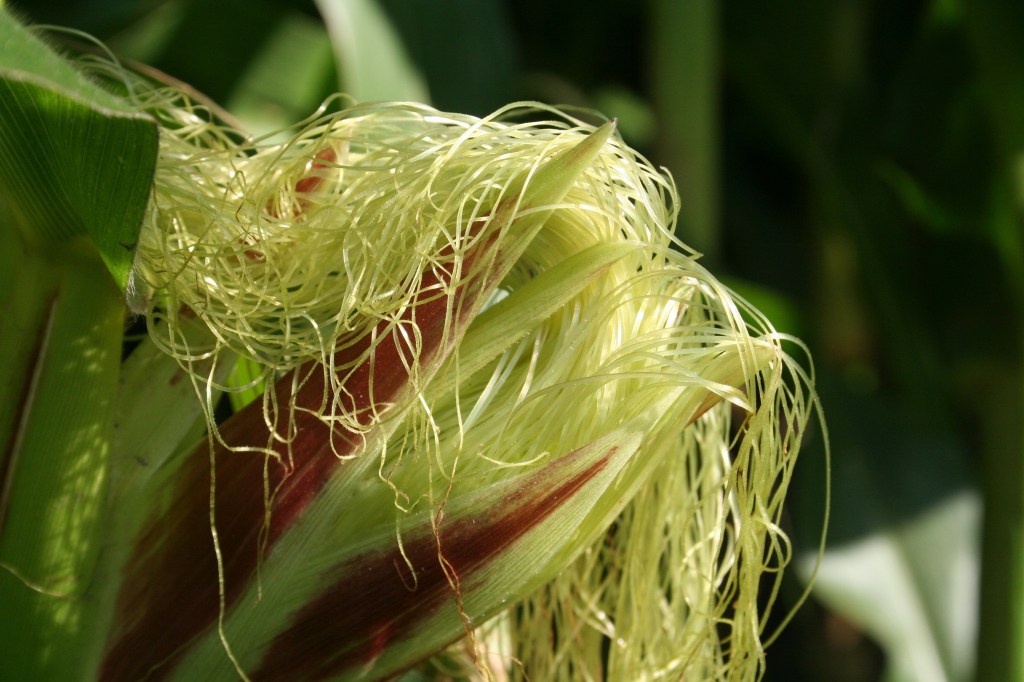
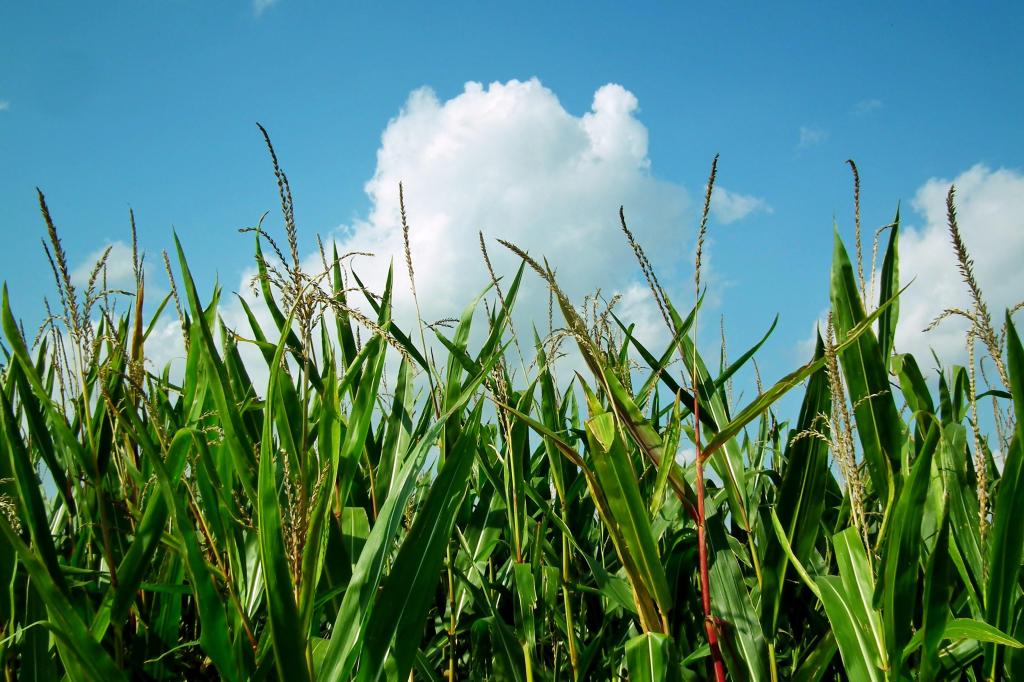
The tasseling and silking stage is where sweet corn transforms from a plant into a full‑blown diva production. Tassels release pollen like royal confetti, and the silks emerge demanding attention, moisture, and perfect timing. Each silk corresponds to a single kernel, which means every silk must receive pollen or you end up with ears that look like they’re missing teeth. For success, you must keep the corn evenly watered during this stage; drought stress will cause the silks to shrivel and the kernels to abort out of pure spite. This is not the time to forget your garden exists. This is not the time to go on vacation. This is the time to hover like an anxious stage manager, checking moisture, checking tassels, checking your sanity. And speaking of tassels, this is the moment when every Midwestern kid who ever detasseled corn for summer money feels a phantom ache in their shoulders. Detasseling was the rite of passage no one asked for: long days in humid fields, yanking tassels off hybrid rows to control pollination, soaked in sweat, pollen, and the crushing realization that agriculture is hard labor disguised as “character building.” It was done to ensure hybrid vigor, but it mostly ensured that generations of teenagers learned the true meaning of exhaustion. Meanwhile, the corn grows taller and taller, turning into a green labyrinth that absolutely should not be explored by wandering children. Every year, some kid gets the bright idea to “go play in the corn,” and within minutes they’re lost, disoriented, and starring in their own low‑budget remake of Children of the Corn. And if you have pollen allergies, this is your sign to stay out of the Midwest entirely during tasseling season. The air becomes a yellow haze of misery, and even people without allergies start sneezing out of sympathy. Through all of this, the corn remains regal and indifferent, performing its ancient ritual while you panic in the wings. If you want full, glorious ears, this is the moment to show up.
IV. Harvest, The Judgment of the Stalk Lords
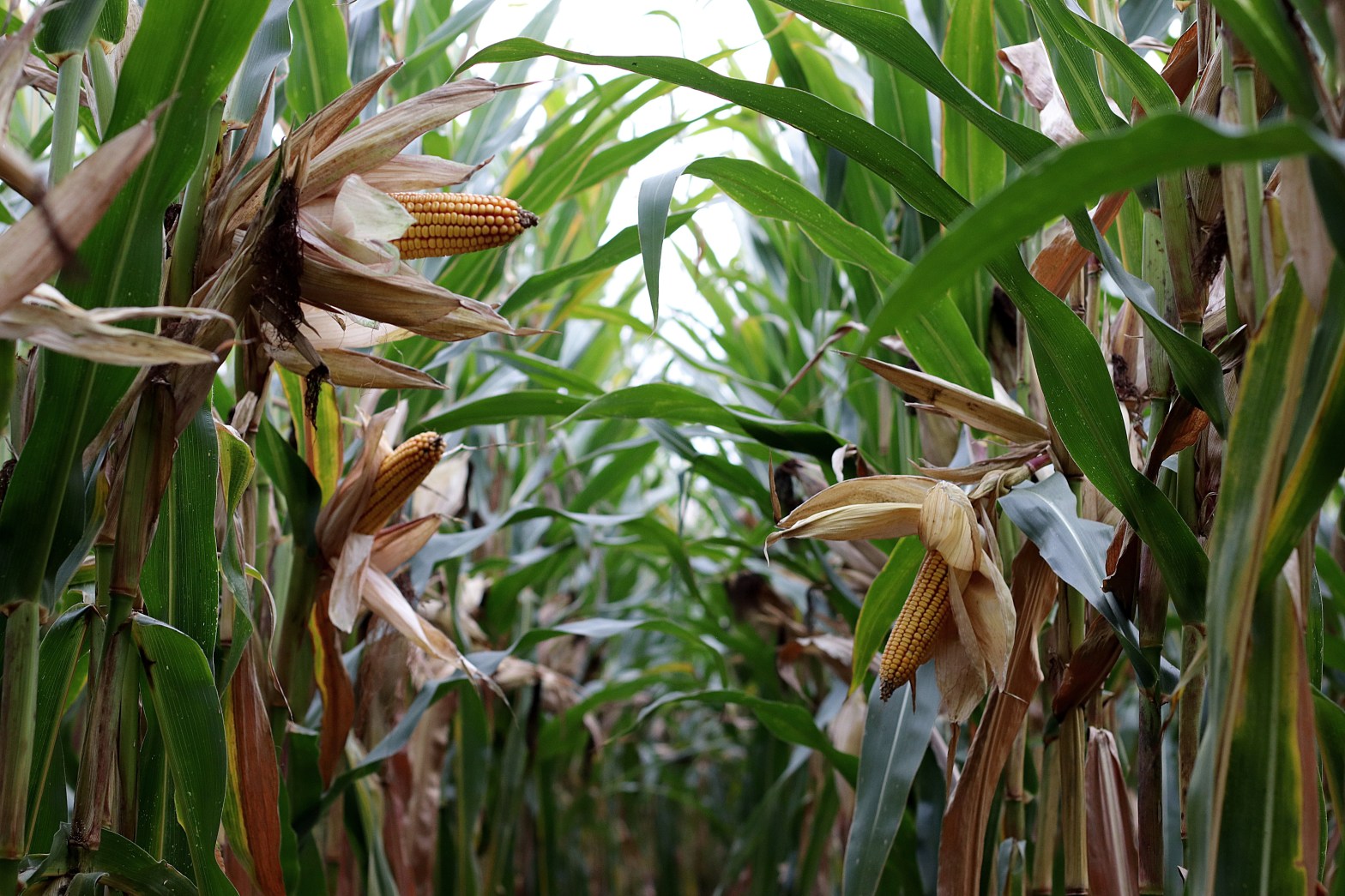
Corn does not politely ask when it is ready. It declares readiness like a monarch issuing a decree, and you must obey without hesitation. The milk stage arrives suddenly, and if you are not prepared, the corn will punish you with starchy disappointment. You peel back the husk, pierce a kernel, and if it squirts like a dairy commercial, you have achieved glory. But sweet corn waits for no one. The harvest window is brutally short, and when it hits, it hits all at once with the force of a golden tidal wave. One moment you are admiring your beautiful stalks, and the next you are drowning in ears, frantically boiling water, calling neighbors, bribing coworkers, and questioning why you planted so much. Your family will be eating corn for dinner every night, and by week three they will be looking at you with the hollow, haunted eyes of people who have seen too much maize. The first bite tastes like victory, butter, and trauma. The next twenty ears taste like panic and regret. You will be shucking until your hands cramp, blanching until your kitchen steams like a sauna, and stuffing freezer bags like you’re preparing for the apocalypse. And just when you think you’ve conquered the mountain, you’ll find three more ears hiding in the garden, mocking you. If you hesitate even a day, the corn turns starchy and judgmental, reminding you that you are merely its servant. Harvest is not a moment. It is a siege.
V. What To Do When You Suddenly Have 87 Ears of Corn
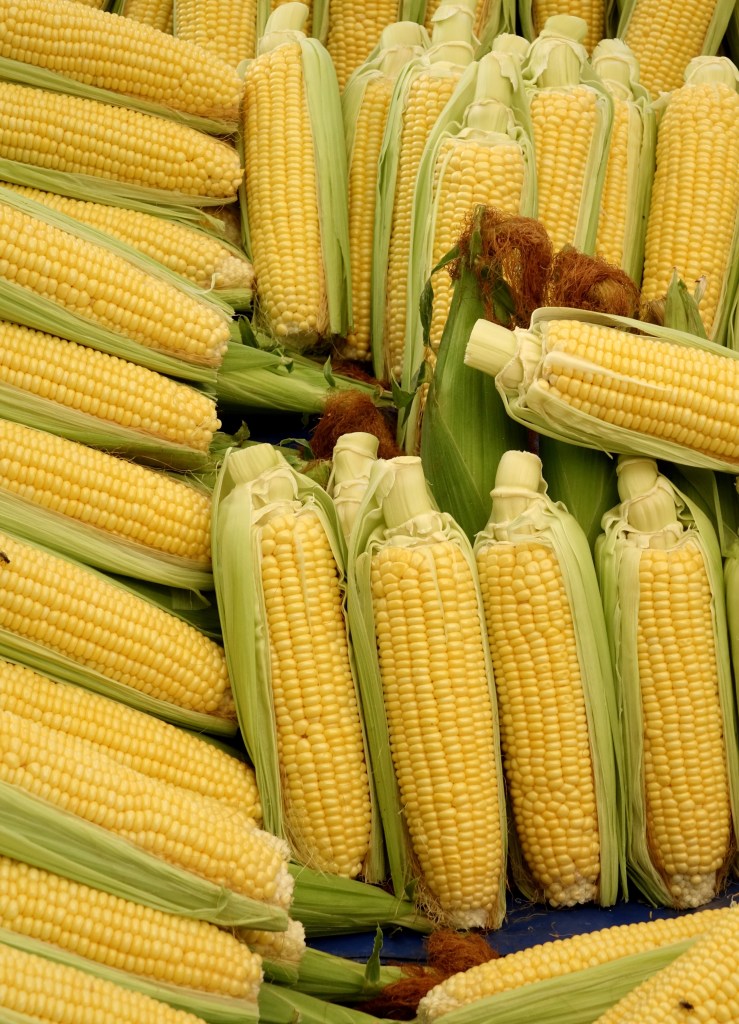
This is the moment every gardener faces: the corn is ready, all of it, and you are one human with limited freezer space and questionable decision‑making skills. You can freeze it, grill it, gift it, or stand in your kitchen eating it like a feral raccoon. But if you decide to can it, you must do it correctly. Corn is a low‑acid food, which means it must be pressure‑canned. Not water‑bathed. Not “my grandma did it this way.” Not “I saw a TikTok.” Improperly canned corn can ferment, spoil, or — in the worst case — create jars that explode like tiny golden grenades. Use a pressure canner, follow tested recipes, and resist the urge to improvise unless you enjoy botulism as a personality trait.
VI. Lessons From the Battlefield
I share all of this not to discourage you, but to save you from the same corn‑based heartbreak that has shaped me into the butter‑stained warrior I am today. Sweet corn is glorious, but it is also a tyrant that demands precision, planning, and the emotional resilience of someone who has already survived several garden betrayals and at least one zucchini uprising. Plant in blocks like you’re arranging troops for battle. Feed the soil like it’s training for the Olympics. Water consistently, because corn throws tantrums when thirsty. Pray to the wind even though it will ignore you. Watch the silks like they owe you money. Prepare for a harvest that arrives like an avalanche and consumes your entire household until your family is begging for anything—anything—that is not corn. Accept that corn is dramatic, petty, and fully aware of its power, and that you are merely its exhausted, butter‑covered servant. Growing sweet corn is not a hobby. It is a saga, a war, a Midwestern epic written in kernels, sweat, and hubris. And despite everything—the chaos, the panic, the three straight weeks of corn‑based dinners—I will plant it again next year. Not because it’s easy. Not because it’s sensible. But because I, too, am dramatic, and the Corn Dominion calls me back like a mythic quest I am destined to fail gloriously at. And if you think this was wild, just wait until the next post. We haven’t even gotten to the raccoons yet.
Discover more from Anything Agriculture
Subscribe to get the latest posts sent to your email.
