

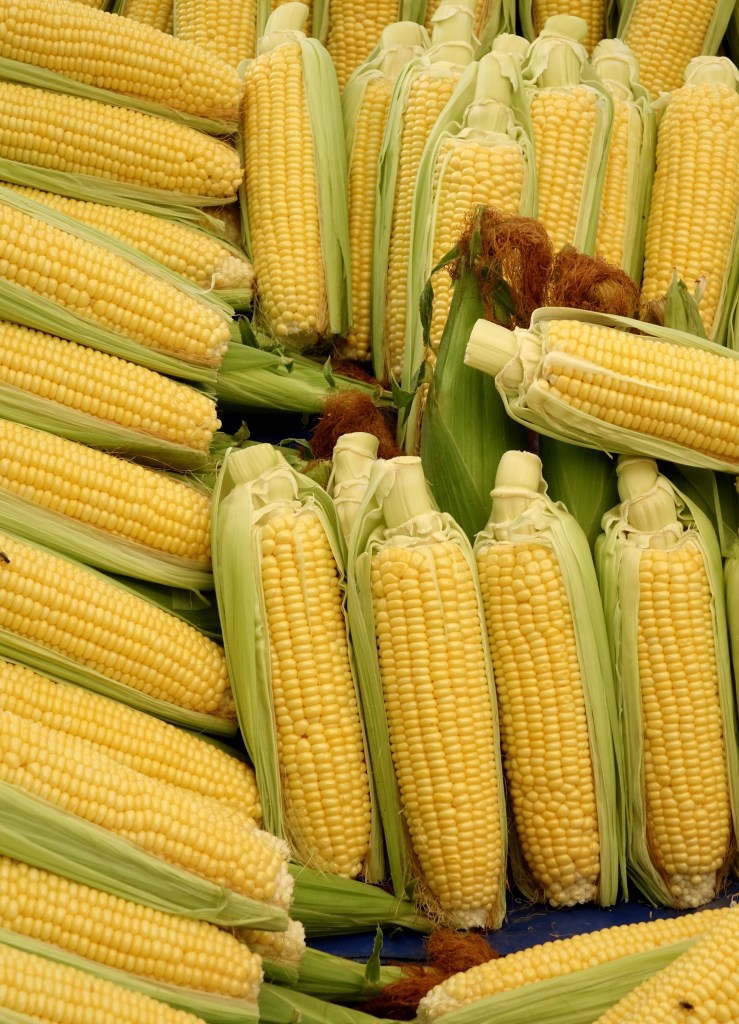
There are few sacred things left in this world, but Indiana sweet corn — real sweet corn, picked at dawn, boiled within the hour, slathered in melted butter and salted like a summer prayer — is one of them.
It is not food.
It is a religious experience.
You don’t eat Indiana sweet corn.
You ascend.
The kernels burst like tiny sunlit hymns. The butter drips down your wrist like an anointing. The salt hits your tongue like revelation. And for one fleeting moment, you understand why humans invented worship in the first place.
And that, obviously, is why I decided to grow corn.
Because I am a fool.
Because I believed I could recreate divinity in my backyard.
Because I thought, “How hard could it be?”
Reader, I was wrong.
Corn is not a crop.
Corn is a dynasty.
“How hard can it be? I’m from Indiana.”
Indiana, where cornfields stretch to the horizon like green oceans.
Indiana, where sweet corn is a seasonal sacrament.
Indiana, where every roadside stand sells ears so perfect they should be carved into stained glass.
Indiana, where children learn to shuck corn before they learn to ride a bike.
Surely, I thought, growing corn must be in my blood.
Surely, I thought, I possess some ancestral knowledge passed down through generations of Hoosiers.
Surely, I thought, I could plant a few seeds and the earth would whisper, “Ah yes, one of our own,” and bless me with golden abundance.
This was my first mistake.
Assuming I knew anything about corn simply because I grew up surrounded by it.
Field corn is not sweet corn.
Farmers are not hobbyists.
And the cornfields of Indiana are not maintained by one woman with a coffee addiction and a questionable understanding of soil science.
So there I was — kneeling in the soil, caffeine shaking in my veins, whispering the ancient words:
“Please, for the love of butter, just sprout.”
Little did I know I wasn’t planting a crop.
I was summoning a dynasty.
A kingdom.
A regime.
A leafy empire that would test my patience, my sanity, and my ability to scream into the night without alarming the neighbors.
The Stalk Lords had awakened.
And they were hungry.
The Shakespearean Cast of Sweet Corn
Sweet corn is not a simple crop. It is a full dramatic ensemble, each variety carrying its own temperament, demands, and tragic flaws. Choosing between them is less like picking seeds and more like casting a play where every character believes they deserve top billing. Some are tender romantics, some are moody philosophers, some are regal tyrants, and all of them expect you to meet their emotional needs with perfect soil, perfect timing, and unwavering devotion. In the Corn Dominion, sweet corn is theater, and every variety is ready to deliver a monologue.
SU (Standard Sweet) — Romeo
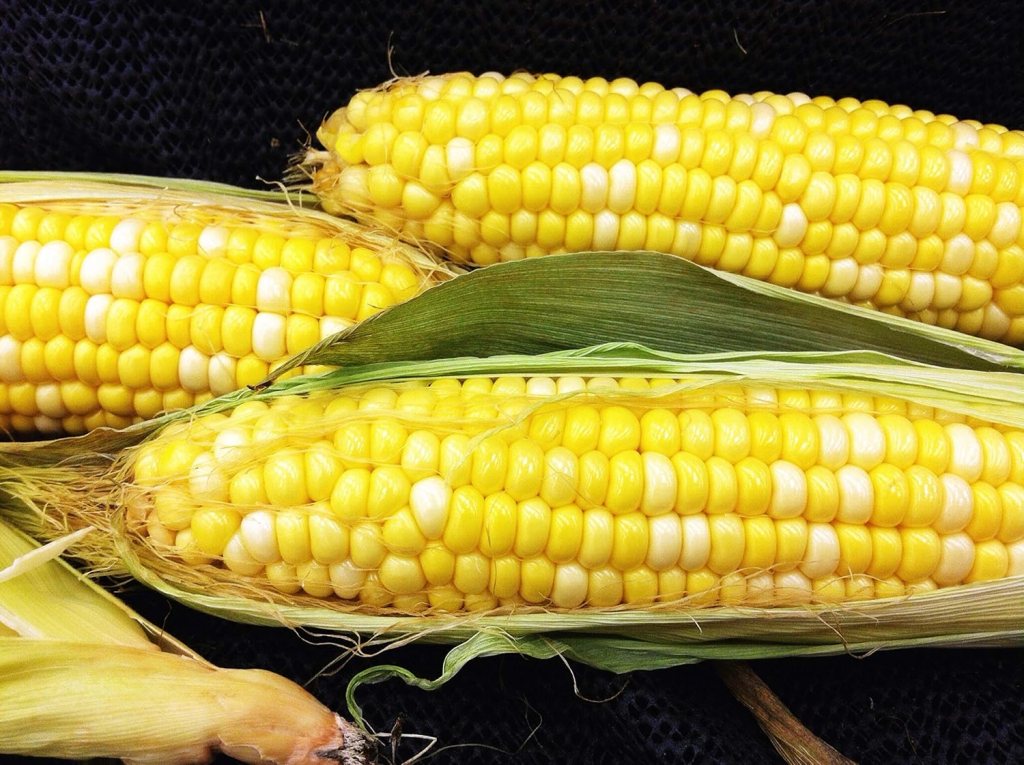
SU, or Standard Sweet corn, is the Romeo of the garden — tender, romantic, and sweet to the point of foolishness. It’s beautiful and impulsive, destined to die young if not handled with extreme care. Like Romeo, SU corn must be eaten immediately after harvest or it loses sweetness faster than he loses emotional stability. It is sensitive to heat, drought, spacing, and even your tone of voice. Growing SU requires perfect timing, warm soil, and the discipline to harvest at peak milk stage before the whole romance collapses. For the love of Verona, do not let it sit on the counter.
SE (Sugar Enhanced) — Juliet
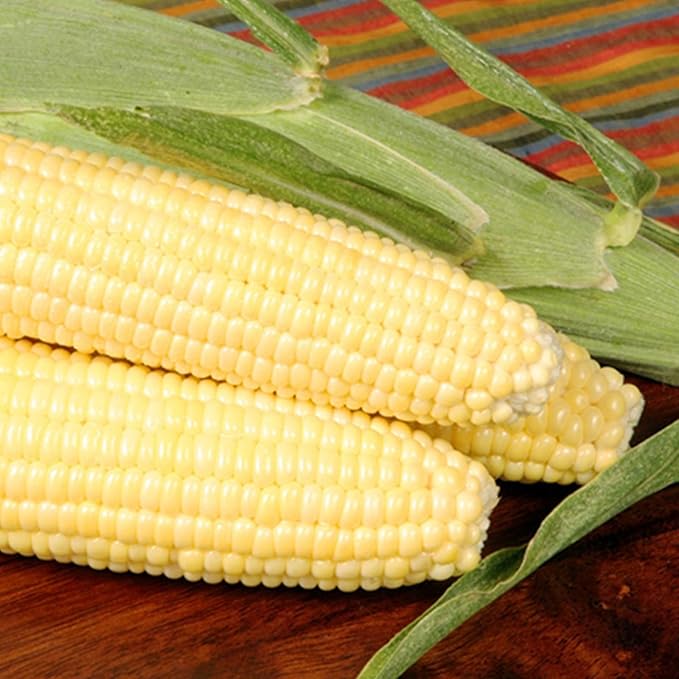
Still sweet, still tender, but slightly more resilient than Romeo.
SE, or Sugar Enhanced corn, is Juliet — still sweet, still delicate, but slightly more resilient than her star‑crossed counterpart. Juliet holds onto her sweetness longer, but she remains dramatic enough to keep you on your toes. She is more forgiving than SU but still prone to tragic outcomes if neglected. Her sweetness lingers like Juliet holding onto hope, and she sighs in the wind with poetic flair. She thrives with consistent moisture and block planting for proper pollination, rewarding loyalty with tenderness.
SH2 (Super Sweet / Shrunken) — Hamlet
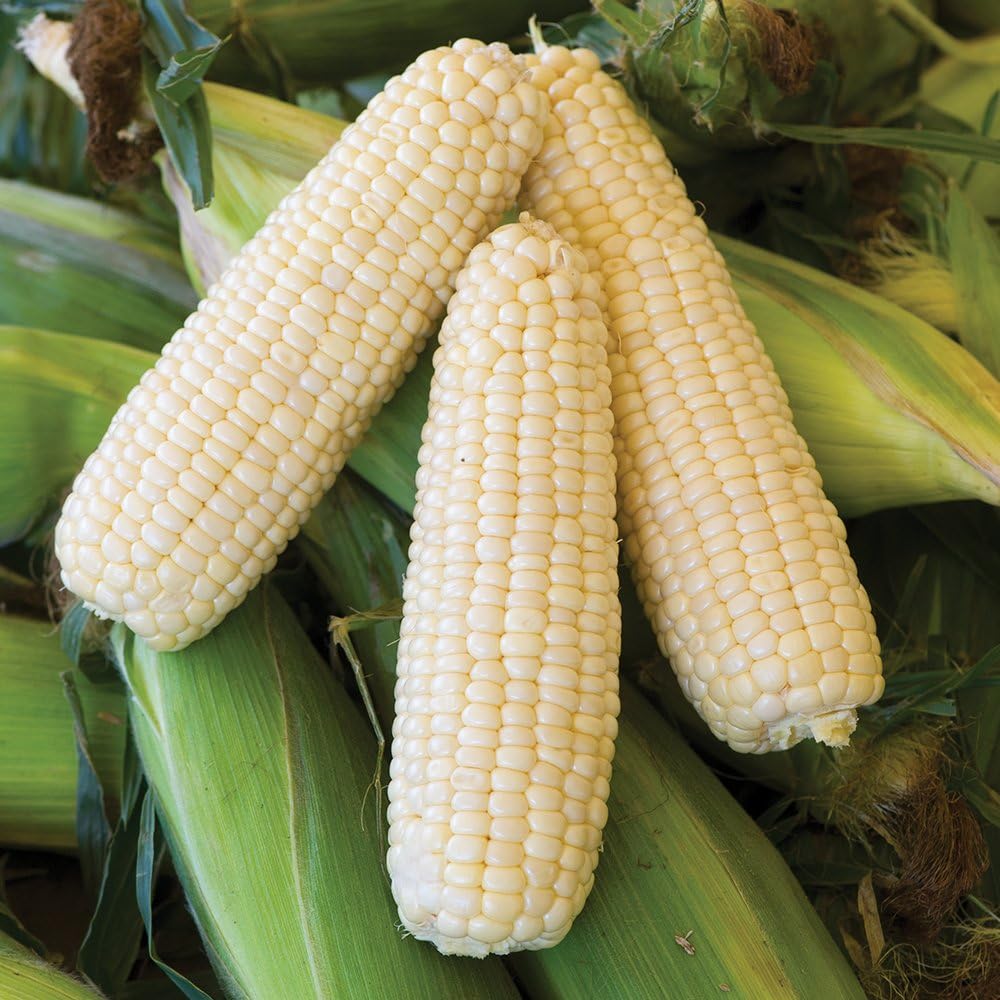
SH2, the Super Sweet or Shrunken variety, is Hamlet — intense, moody, and high‑maintenance. This corn is brilliant and powerful but constantly on the brink of emotional collapse. It refuses to germinate unless the soil is warm enough, sulks if spacing isn’t perfect, and is so sweet it borders on unnatural, much like Hamlet’s monologues. SH2 must be planted only in warm soil, kept isolated from other corn types, and protected from cross‑pollination that would turn its sweetness into starchy madness.
Synergistic / Triplesweet — Portia
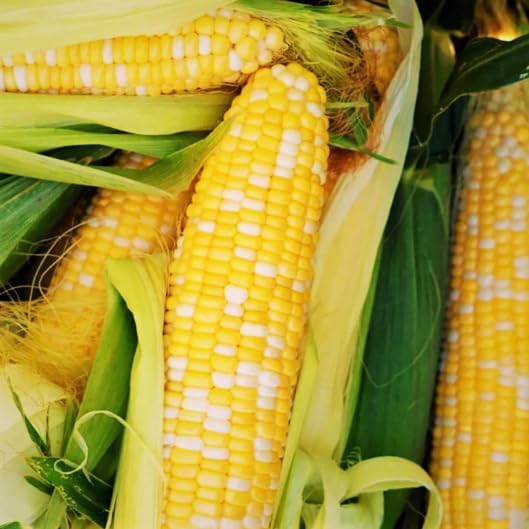
Synergistic or Triplesweet corn is Portia — balanced, intelligent, and complex. This variety blends multiple genetic types, making it wise, adaptable, and capable of outsmarting lesser corn. Portia handles stress better than the others, offering sweetness without fragility. She is elegant, reliable, and ideal for gardeners who want delicious corn without the emotional breakdowns associated with SU or SH2.
Honey Select — Ophelia
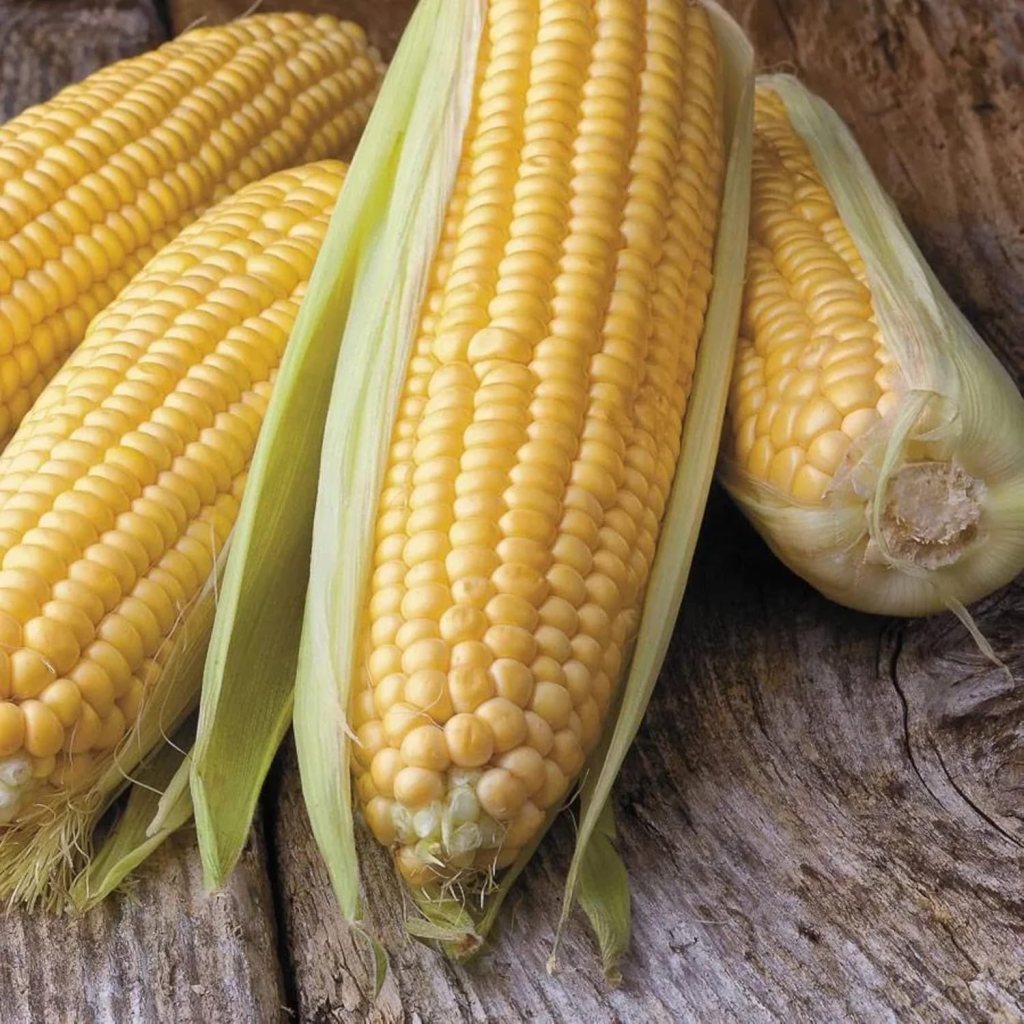
Honey Select is Ophelia — soft, sweet, and heartbreakingly beautiful, but prone to sudden collapse if conditions turn stressful. Her kernels are incredibly tender, but she is vulnerable to lodging in storms and requires gentle handling and consistent care. Like Ophelia, she thrives in calm, supportive environments and does not tolerate emotional turbulence or high winds.
Peaches & Cream — Rosalind
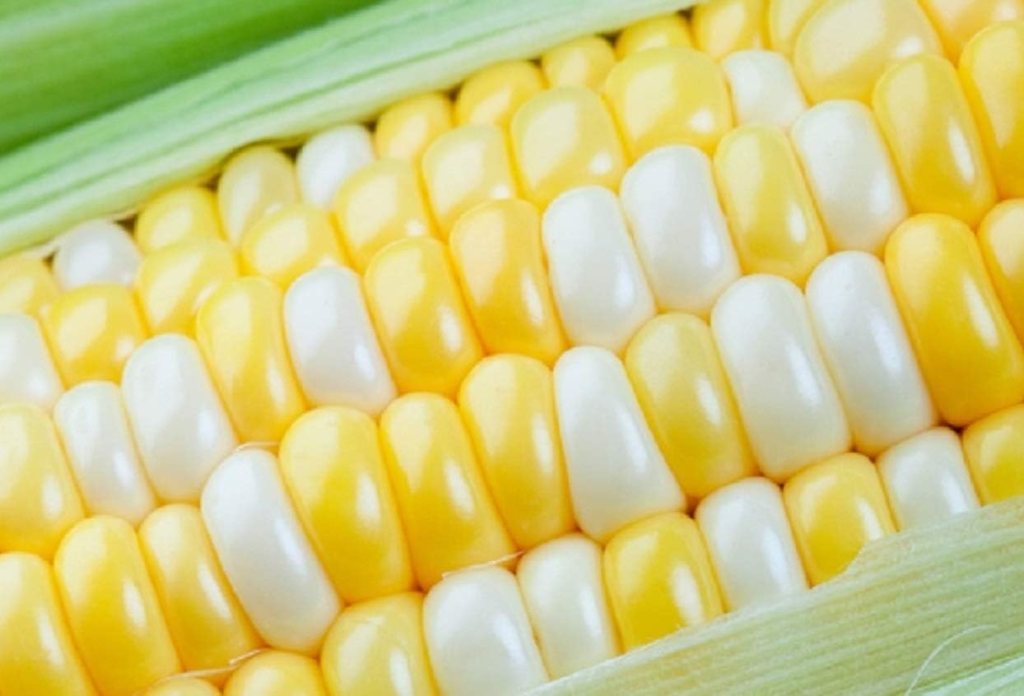
Peaches & Cream is Rosalind — charming, popular, and universally adored. This variety is witty, sweet, and always the crowd favorite. Rosalind offers balanced flavor and reliable performance, making her the variety everyone loves without drama. She is perfect for gardeners who want sweetness without Shakespearean tragedy. .
Silver Queen — Lady Macbeth
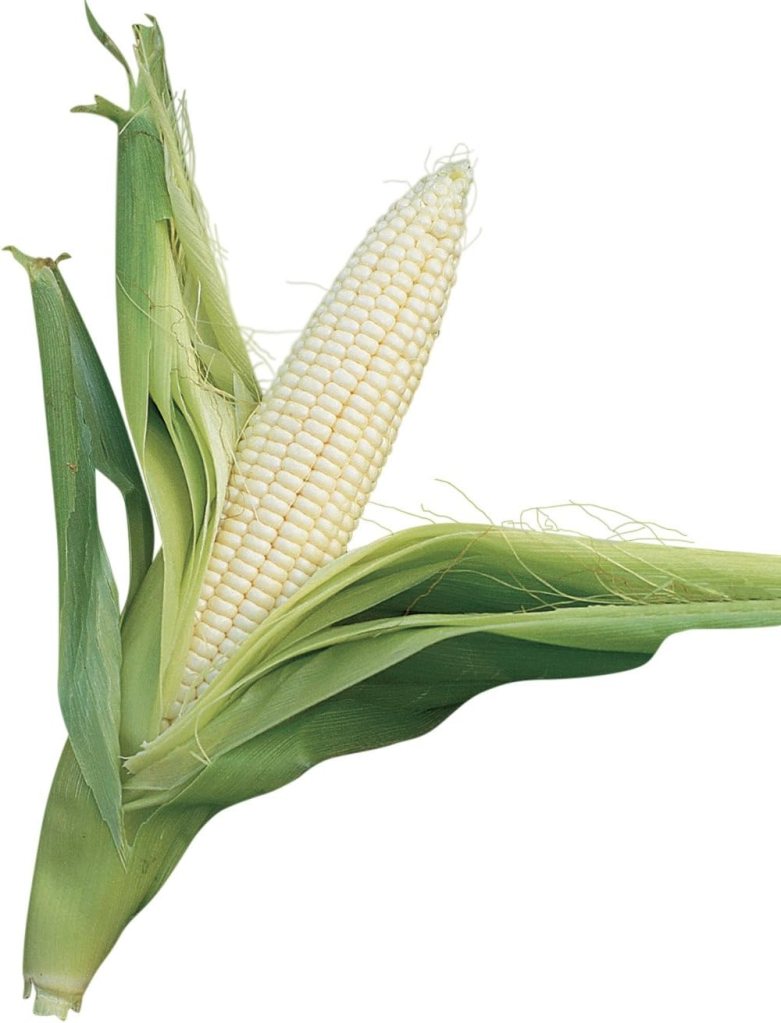
Silver Queen is Lady Macbeth — regal, commanding, and demanding. She is powerful and dramatic, absolutely intolerant of weakness. Silver Queen requires perfect conditions, rich soil, consistent water, and full sun. Any lapse in care will be punished swiftly. She is the monarch of the sweet corn world, and she expects to be treated as such.
Ambrosia — Titania
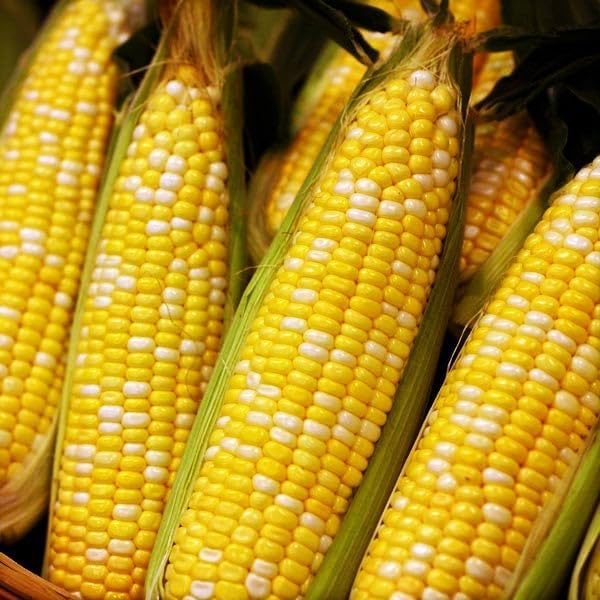
Ambrosia is Titania — magical, ethereal, and slightly chaotic. With dreamy sweetness and gorgeous bicolor kernels, she enchants everyone who grows her. Titania performs well in most gardens but still expects you to maintain the kingdom. She is unpredictable in the most delightful way, a fairy queen among corn.
Incredible — King Lear
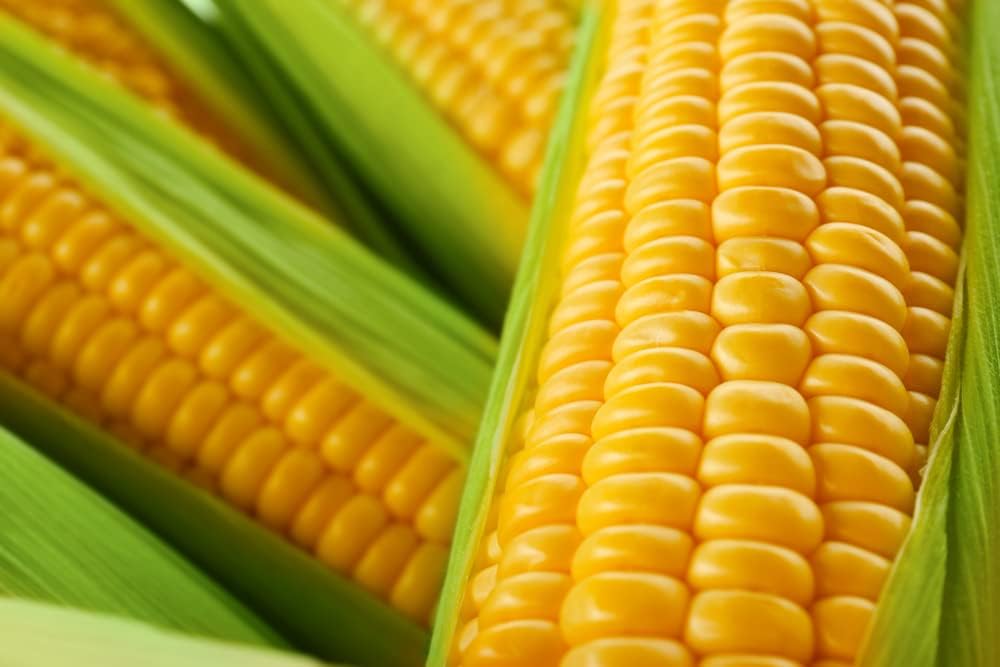
Incredible is King Lear — bold, grand, and occasionally overconfident. This variety boasts big ears, big flavor, and big expectations, but can fall apart under stress. Like Lear, it needs strong support — emotionally and structurally. Feed heavily, water consistently, and pray for calm weather.
Dent Corn — The Workhorse Soldiers
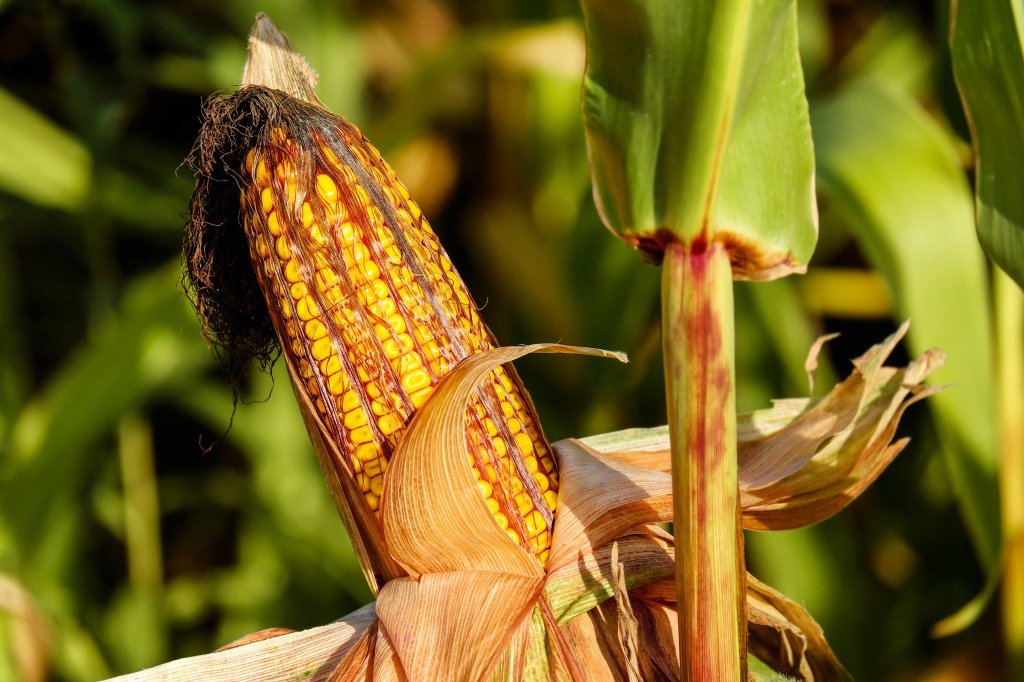
Dent corn is the stoic, unglamorous backbone of Indiana agriculture — the corn you see stretching for miles along every highway, feeding livestock, fueling ethanol plants, and silently judging anyone who thinks growing corn is “easy.” This is the corn that defines the Indiana skyline, not the sweet, buttery fantasy corn of July cookouts. And yet, like every Hoosier, I assumed I understood it simply because I grew up surrounded by it. That was a mistake.
Dent corn gets its name from the little dent that forms in each kernel as it dries. It’s bred for strength, yield, and utility — not flavor. It can technically be eaten fresh, but only for a tiny window of 2–3 days before the sugars vanish and the kernels turn starchy, tough, and perfect for animal feed. Blink, and it goes from “rustic sweet corn” to “chewable livestock ration.”
In the Shakespearean casting of the Corn Dominion, dent corn is Henry V, the warrior king. Not delicate, not romantic, not here for your butter‑soaked dreams. It stands tall in storms, thrives on neglect, and works harder than any other variety. It’s the corn equivalent of a Midwestern dad who fixes everything with duct tape and refuses to complain.
Dent corn dominates Indiana fields because it’s tough, high‑yielding, and economically essential. But plant it in your backyard expecting sweet corn, and you’ll learn quickly that dent corn does not care about your expectations. It’s here to work, not to charm you. And it will absolutely remind you that being from Indiana does not make you a corn expert.
Flint Corn — The Ancient Warriors
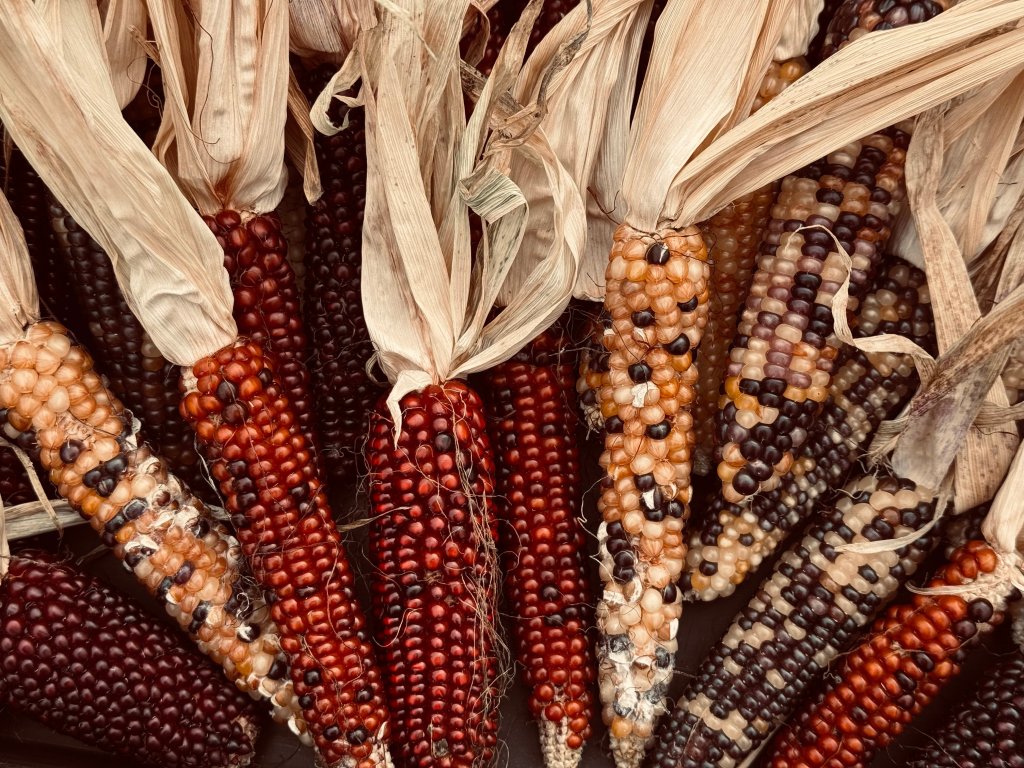
Flint corn is the old blood of the corn world — ancient, unbothered, and built for survival. This is the corn that existed long before raised beds, drip irrigation, or your naïve belief that gardening is relaxing. Flint corn remembers droughts your ancestors cried about. It has endured rocky soils, harsh climates, and centuries of human chaos without flinching. While sweet corn swoons in the heat and dent corn marches dutifully across Indiana fields, flint corn stands like a stone sentinel, armored in jewel‑bright kernels that could probably deflect small projectiles.
In the Shakespearean casting of the Corn Dominion, flint corn is Macbeth’s battle‑hardened soldiers — scarred, loyal, and terrifyingly competent. It doesn’t need pampering, emotional support, or whispered affirmations. It simply rises, grows, and prepares for war. Flint corn thrives where other varieties pout, tolerating poor soil, unpredictable weather, and gardeners who occasionally forget to water because they were too busy yelling at tomatoes.
Flint corn is grown for grinding — cornmeal, polenta, hominy — not for butter‑soaked summer fantasies. And if planted near sweet corn, it will dominate the genetics like a warlord claiming territory, turning your delicate varieties into starchy confusion. Flint corn does not negotiate. It conquers.
In the Rage Garden hierarchy, flint corn is the ancient warrior caste — unyielding, powerful, and utterly uninterested in your feelings. It stands tall, armored in color and history, reminding you that not all corn is meant to be sweet. Some corn is meant to endure. Some corn is meant to fight. Some corn is meant to outlive you.
Popcorn-The Tiny Assassins

Popcorn looks small and innocent, but it is the covert operations unit of the Corn Dominion. It waits quietly, pretending to be harmless, while secretly preparing to explode the moment heat is applied. Popcorn is the gremlin of the garden, the mischievous sprite, the tiny assassin hiding among your raised beds.
Unlike sweet corn that swoons in the heat or dent corn that marches dutifully across Indiana fields, popcorn is scrappy and self-sufficient. It grows fast, stores forever, and transforms from a hard little kernel into a fluffy burst of chaos with nothing more than heat and opportunity. It is the only corn that weaponizes snack time.
In the Shakespearean cast of the Corn Dominion, popcorn is Puck from A Midsummer Night’s Dream. Small, chaotic, and delighted by its own mischief, it dances through the garden with a wicked grin. It does not need pampering or perfect soil. It does not even need your approval. It simply exists to cause trouble and then laugh about it.
Popcorn is easy to grow, which is suspicious in itself. It tolerates poor soil, inconsistent watering, and gardeners who forget what day it is. But plant it near sweet corn and it will cross-pollinate with wild enthusiasm, turning your sweet corn into starchy disappointment. Popcorn does not respect boundaries. It conquers through genetics and chaos.
Once harvested, popcorn dries on the cob like a tiny arsenal waiting to be unleashed. Stored properly, it lasts for years, biding its time until heat transforms it into a fluffy white explosion. It is the only corn that goes from rock-hard seed to snack-based shrapnel in seconds.
In the Rage Garden hierarchy, popcorn is the tiny assassin. Unpredictable, explosive, and endlessly amused by your attempts to control it. It may be small, but it is mighty. It may be cute, but it is dangerous. And it will absolutely outlive you.
Glass Gem The Rainbow Cult Leader
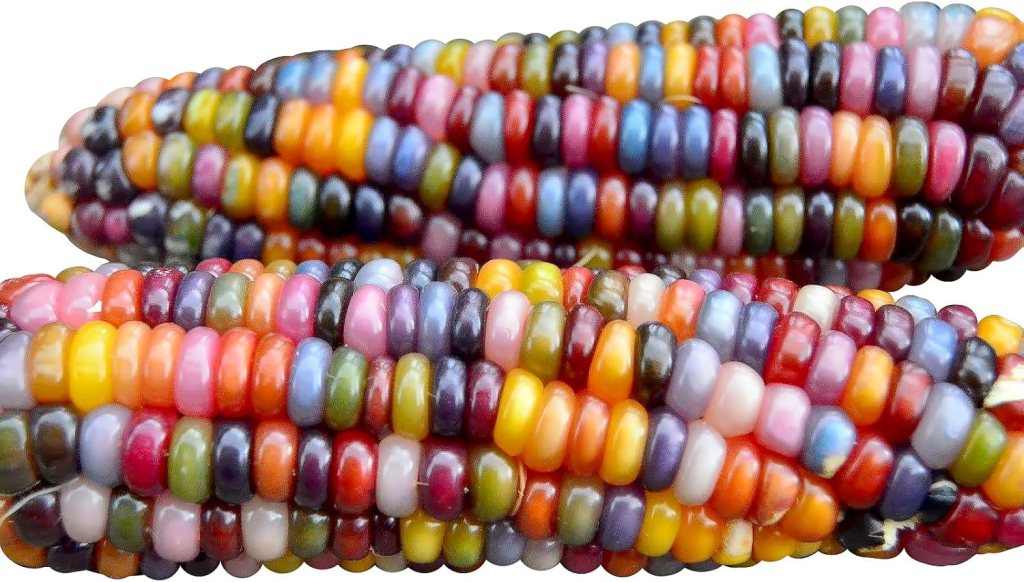
Glass Gem corn is the mystical prophet of the Corn Dominion, the variety that looks more like treasure than food. Its kernels shine in impossible colors, glowing like gemstones forged by a bored deity with a flair for drama. This is not corn you grow for eating. This is corn you grow because it seduces you with beauty and whispers promises of magic.
Glass Gem behaves like a cult leader because it knows exactly how stunning it is. You will photograph it, admire it, and show it off like a sacred relic. It does not care about practicality. It cares about devotion. It wants followers, not meals.
In the Shakespearean cast, Glass Gem is Prospero from The Tempest. Enchanting, powerful, and slightly unhinged, it bends the garden to its will through sheer spectacle. It does not need sweetness to win your loyalty. It simply appears, shimmering like a spell, and you fall under its influence.
Growing Glass Gem is surprisingly easy, which only adds to its mystique. It tolerates mediocre soil and inconsistent watering, but it will happily convert any nearby sweet corn through cross-pollination, turning your harvest into starchy confusion. Glass Gem does not share the spotlight. It recruits.
Once dried, the ears become radiant jewels that most gardeners display rather than grind. They look too magical to eat, too beautiful to hide, and too dramatic to ignore.
In the Rage Garden hierarchy, Glass Gem is the rainbow cult leader. Hypnotic, theatrical, and impossible to resist. It does not feed the body. It feeds the obsession.
Because sweet corn is not just a vegetable.
It is a cast of characters, each with its own flaws, strengths, and tragic arcs.
And you, the gardener, are the director, caffeinated, overwhelmed, and desperately trying to keep the production from collapsing into chaos.
Growing sweet corn is not gardening.
It is theater.
It is drama.
It is a Midwestern epic written in butter and hubris.
And choosing which variety to grow is its own emotional saga. Nostalgia pulls you toward the classics, the varieties your grandparents swore by, the ones that appeared at every family cookout and tasted like childhood summers. Some varieties are still grown simply because “Grandpa used to grow it,” and no one in the family dares break the lineage. Meanwhile, modern breeders are out here creating new varieties every year, each one sweeter, softer, and more dramatic than the last, promising kernels so sugary they practically qualify as dessert.
Caught between tradition and science, the simple gardener stands in the seed aisle like a confused extra in a Shakespearean tragedy. On one side, the ancestral ghosts whisper, “Plant Silver Queen, you coward.” On the other, the seed packet screams, “SUPER SWEET TRIPLE SYNERGISTIC HYPER‑SUGAR DELUXE.” Mistakes can and will be made. You will accidentally plant something that cross‑pollinates into starchy chaos. You will choose a variety that demands more emotional support than you can provide. You will learn, painfully, that nostalgia and genetics do not always get along.
But that is the true essence of sweet corn.
It is memory and science.
It is heritage and experimentation.
It is chaos wrapped in husks.
And it will absolutely humble you every single season.
Discover more from Anything Agriculture
Subscribe to get the latest posts sent to your email.
