
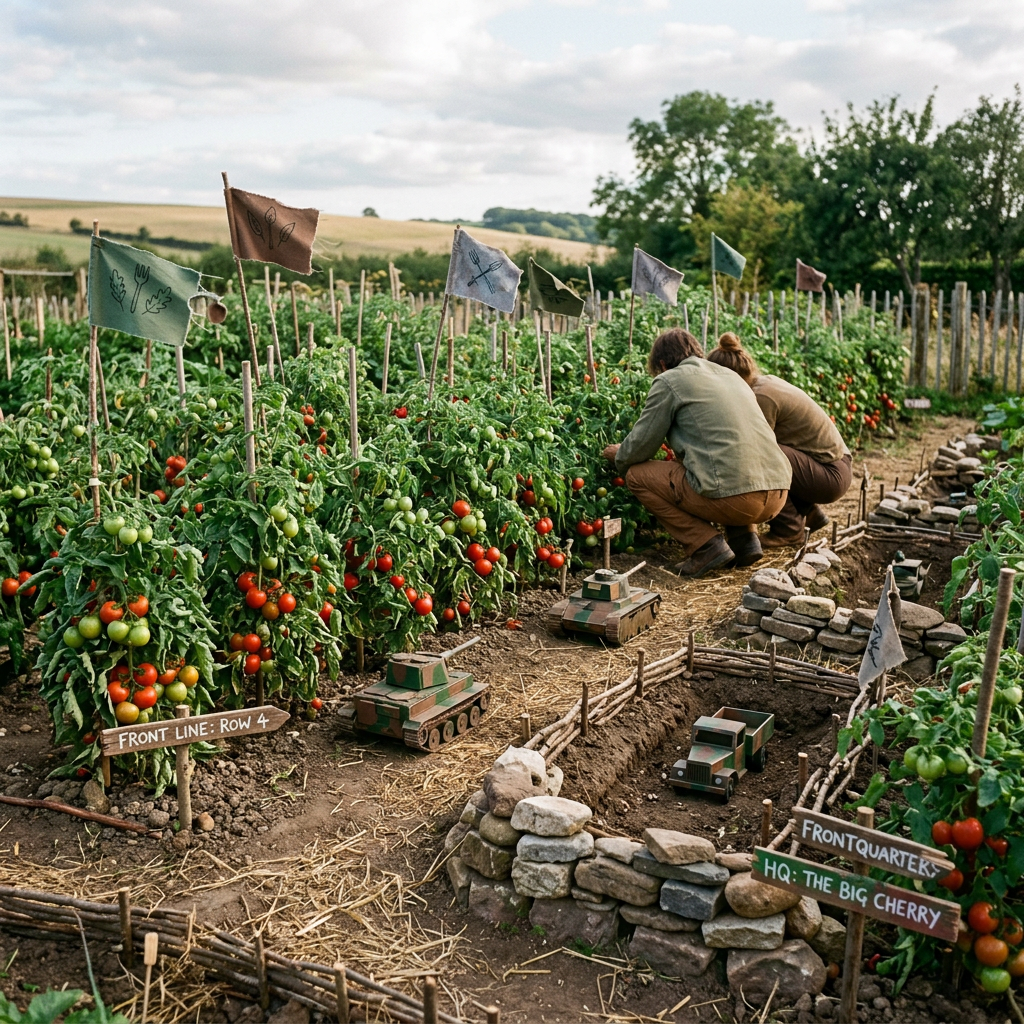
Journal Entry: Day One of the Campaign
The soil waits before dawn, quiet and trembling, hungry for conquest. I kneel with my tray of tomato starts, each one a soldier waiting for orders. The hybrids whisper of efficiency and yield. The heirlooms hum with memory and rebellion. I press my fingers into the earth and feel its pulse. This is not planting. It is deployment of hope
I choose my bloodlines carefully. Brandywine for sweetness, Cherokee Purple for shadow, Roma for endurance. Each seedling carries a story, and I am the commander of its rage. The air smells of iron and compost. The worms retreat deeper, sensing the disturbance. The first shovel bite feels like a declaration of war on despair.
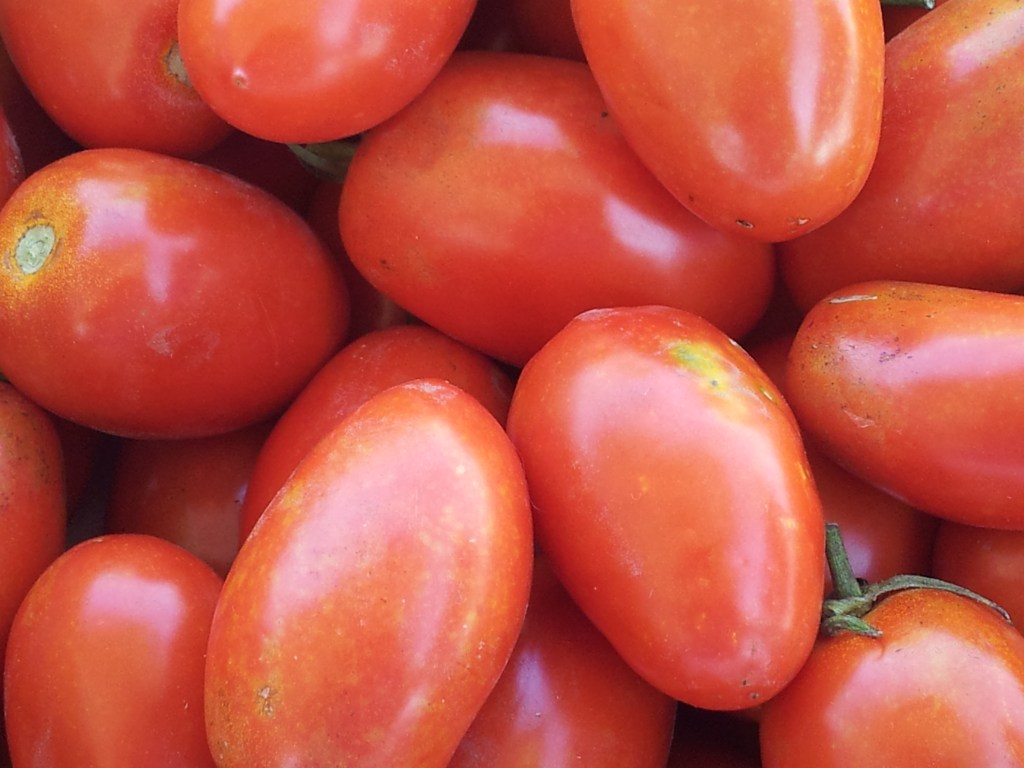
Every tomato carries myth in its marrow, and every gardener becomes part of that campaign the moment they touch the soil. The old stories say tomatoes were once feared as poison, wolf peaches that lured witches and drew sickness from pewter plates. I think of those nobles, pale and trembling, undone by their own silver spoons. The fruit was never the villain. It was the mirror.
Now I plant them as warriors reborn. The rage garden is my battlefield. The roots are my infantry. The sun is my artillery. I will fight for sweetness, for shadow, for endurance. I will fight for the rage that grows red and heavy in my hands.
The soil waits before dawn, silent before the storm, heavy with the promise of battle. I stand at the edge of the garden like a commander before the front line, knowing that what I plant today will decide the season’s fate. Each tomato start is a soldier, bred from ancient bloodlines that once carried both reverence and fear.
In the old Aztec world, the tomato was called xitomatl — a gift from the gods, born of the sun’s blood. It was sacred, not ordinary food but a symbol of vitality and divine fire. The Aztecs believed that to eat the tomato was to take in the strength of the sun itself, to absorb its heat and courage. When I plant my first seedling, I imagine that same fire stirring beneath the soil, waiting to rise through the roots and into the fruit.
Centuries later, in medieval Europe, the tomato’s legend turned dark. It was named the wolf peach, a fruit of witches and poisoners. Its red skin was too vivid, too alive, and people feared it hid venom. The superstition came from its kinship with deadly nightshade, a plant used in potions and curses. To the medieval mind, anything that looked that beautiful had to be dangerous. The tomato became a warning, a fruit too alluring to trust, a temptation that might bite back.
Then came the tragedy of the pewter plates. Early Europeans served tomatoes on fine pewter dishes, unaware that the fruit’s acid would draw lead from the metal. The diners fell ill, pale and trembling, and the tomato was blamed. It was not the fruit that poisoned them, but their own vanity. The myth of toxicity grew stronger, and the tomato was cast out of noble kitchens for generations.
Yet the tomato endured. It crossed oceans and centuries, shedding its curses one by one. In every garden it was reborn, a forbidden fruit turned ally, a survivor of superstition and empire. To plant it now is to reclaim what was once feared. I summon the descendants of fire and forbidden fruit, and the soil trembles beneath their return.
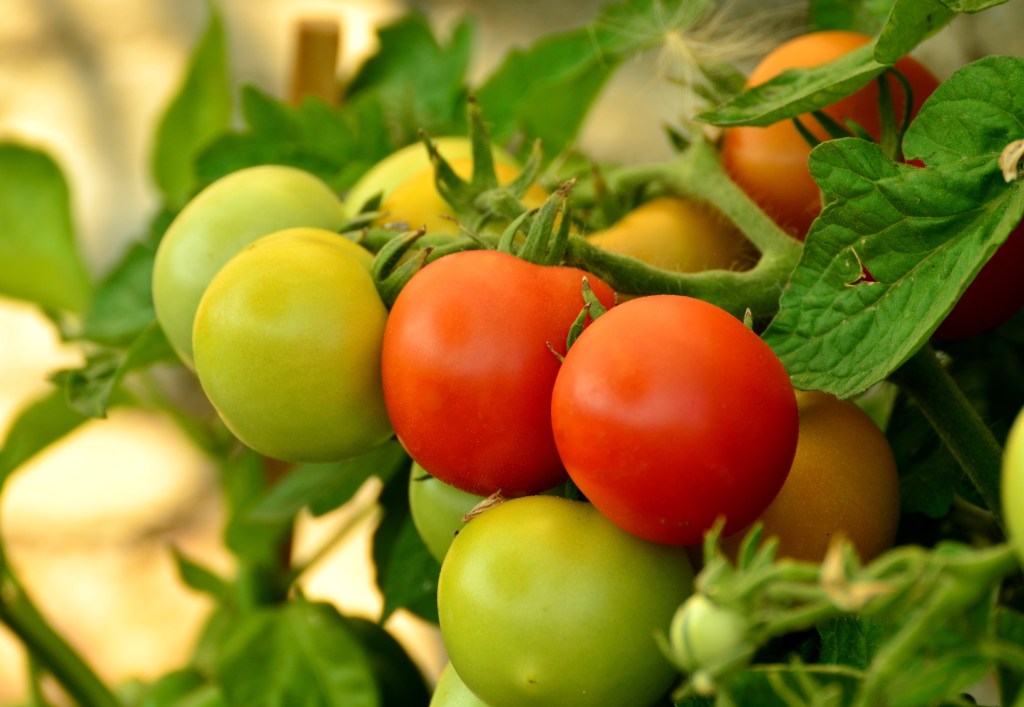
II. The Lineage of Tomatoes — Bloodlines and Allegiances
Now the battlefield has shifted. The argument is no longer about whether tomatoes are safe to eat, but which bloodline you choose to plant. Heirloom or hybrid. Memory or machinery. Both are tomatoes. Both can be powerful allies. But they fight in different ways.
Heirlooms are the old houses of the tomato kingdom, passed down through generations by seed saving and story. To be called heirloom, a variety is usually open pollinated and stable, meaning it breeds true from seed. If you save seeds from a ripe Brandywine and plant them next year, you will get Brandywine again, with the same big, sweet, sometimes finicky fruit. Heirlooms carry history in their flesh. They often have complex flavors, wild colors, and strange shapes. They also tend to be more vulnerable to disease and cracking. They are not weak, but they are honest. They show you every stress the season throws at them.
Hybrids are the new heirs. Not genetically modified in a lab, but intentionally cross-pollinated between two different parent lines. Breeders choose parents for specific traits, like disease resistance, uniform size, or early ripening. The first generation of that cross is called F1. That F1 hybrid is often vigorous, productive, and tough. It can shrug off diseases that would flatten an heirloom. It can give you a heavy, reliable harvest when the weather is chaos. But if you save seeds from a hybrid and plant them, the next generation will not be the same. The traits will split and scatter. You might get something interesting, or you might get a mess. Hybrids are built for performance, not for passing down their name.
This is where the fear of GMO creeps in, and it does not belong. Garden center tomatoes, whether heirloom or hybrid, are not GMO. Genetically modified tomatoes exist mostly in research, not in the racks at your local nursery. When you pick up a hybrid like Celebrity or Early Girl, you are not holding a GMO. You are holding the result of controlled pollination, not gene splicing. We have been shaping plant destiny since the first seed met human hands. Controlling pollination and breeding for traits is not new technology; it is the oldest strategy in agriculture. Every farmer who saved seed from the strongest stalk or the sweetest fruit was practicing selective breeding. What has changed is precision. Modern breeders can track traits like disease resistance or fruit size with scientific accuracy instead of guesswork. The battlefield here is breeding method, not science fiction. Hybrids are the result of deliberate cross-pollination, not gene splicing. They are born from centuries of human observation and patience, refined into efficiency. When you plant a hybrid, you are not planting a lab experiment. You are continuing the ancient campaign of adaptation, the same war our ancestors fought with wind, soil, and time.
Folklore still clings to the fruit. Italian lovers once called tomatoes pomodoro, golden apples, and believed they stirred desire. In Germany, black tomatoes were said to be witch grown, absorbing moonlight and secrets. Yellow tomatoes were planted near doorways as tokens of luck and prosperity, a bright guard against misfortune. The stories change, but the pattern stays the same. People look at this vivid, bleeding fruit and cannot resist giving it power.
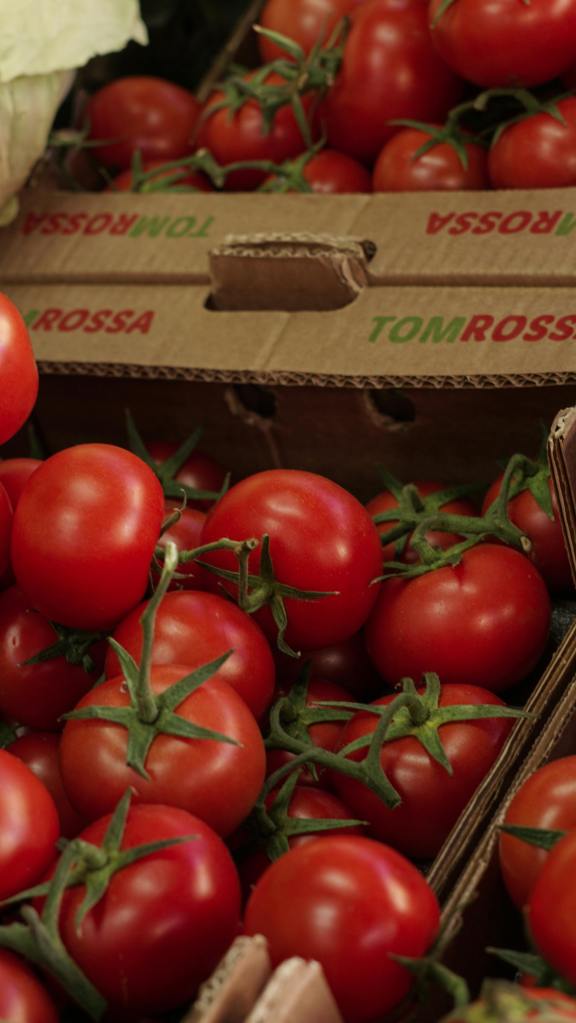
There are two kinds of tomato soldiers in the garden army: determinate and indeterminate. Determinate tomatoes are the disciplined troops. They grow to a set height, form a compact shape, and produce their fruit all at once. When the harvest comes, it arrives in a surge — perfect for canning, sauces, and preserving the bounty of a single campaign. After their burst of production, they rest, their mission complete. These are the plants for gardeners who value order, timing, and efficiency.
Indeterminate tomatoes are the wild fighters. They never stop growing, climbing higher and spreading wider until frost finally ends their charge. They produce fruit continuously, offering fresh harvests through the long season. They demand staking, pruning, and constant attention, but they reward that devotion with abundance. Their vines are unpredictable, their fruit scattered like victories across the summer battlefield.
A Rage Garden needs both. Determinate plants bring structure and reliability, a guaranteed yield for storage and survival. Indeterminate plants bring endurance and spirit, feeding the gardener’s resolve through the heat and chaos of the season. Together they balance the campaign — one for the steady march, one for the endless fight. Plant both, and your garden will know discipline and defiance in equal measure.
Each variety carries its own legend. Brandywine is the noble house of sweetness and nostalgia, huge and tender, worth every crack and scar. Cherokee Purple is the shadowed heir, rich and smoky, born of resistance and survival. Roma is the worker caste, steady and enduring, built for sauce and long simmering battles. Black Krim is the storm born fruit of salt and sorrow, tasting of sea air and thunder. Green Zebra is the trickster, unpredictable and bright, sharp with acid and attitude.
To plant a tomato is to choose your allegiance. You can side with legacy and save seeds from your heirlooms, accepting their drama and their glory. You can side with control and lean on hybrids when disease pressure is high and the season feels hostile. Most Rage Gardeners will choose both. A row of ghosts and a row of soldiers. Flavor and fortitude. History and strategy, growing side by side under the same hard sun.
- Common selection of tomato varieties:
- Brandywine — the noble house of sweetness and nostalgia.
- Cherokee Purple — the shadowed heir, rich and smoky, born of resistance.
- Roma — the worker caste, steady and enduring.
- Black Krim — the storm-born fruit of salt and sorrow.
- Green Zebra — the trickster, unpredictable and bright.
III. The Ritual of Selection — Choosing the Seedlings
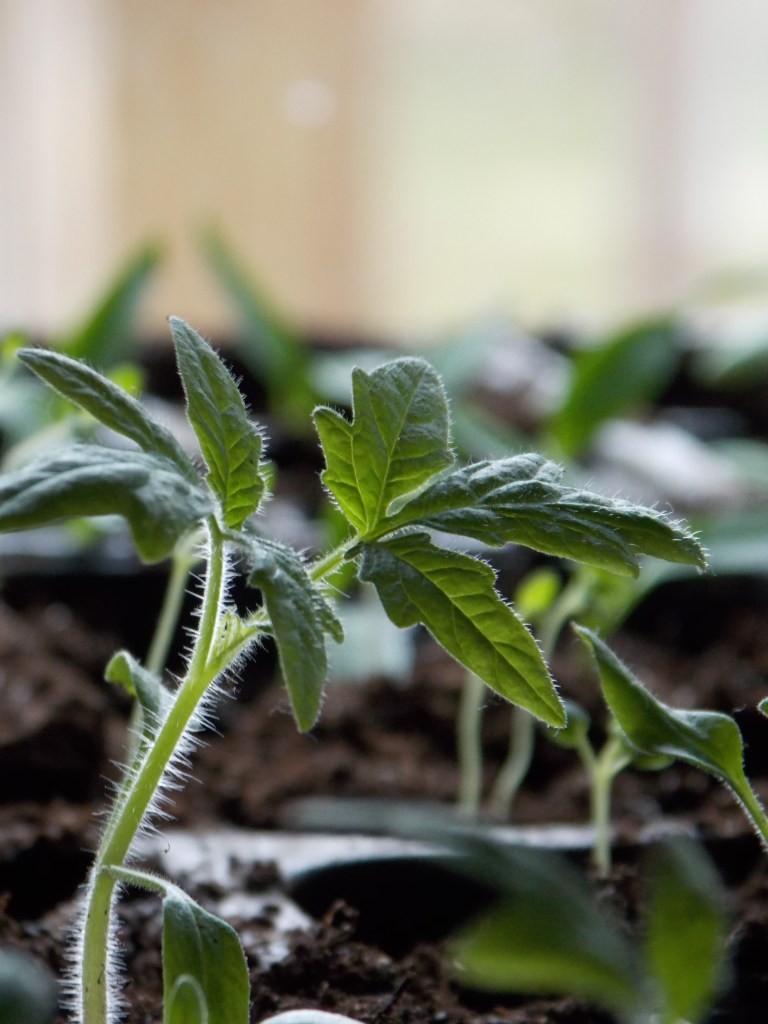
When I walk among trays of tomato starts, I move like a general inspecting troops before battle. Each seedling reveals its readiness through posture, color, and texture. The strong ones stand upright with thick stems that resist bending when touched. Their leaves are deep green, slightly glossy, and symmetrical. The soil around them is moist but not soggy, showing that they have been watered with discipline, not indulgence. These are the soldiers I want in my ranks.
Weak seedlings betray themselves quickly. Pale or yellow leaves signal nutrient deficiency or stress. Thin, spindly stems mean they have stretched for light and grown desperate. If the roots are circling the bottom of the pot, the plant has been trapped too long and will struggle to adapt once freed. Avoid seedlings with spots, mold, or curled leaves; these are signs of disease or pest damage. A tomato that begins life in distress rarely recovers its full strength.
Look closely at the crown where stem meets soil. It should be firm and clean, not dark or mushy. Check the underside of leaves for aphids or whiteflies. Examine the soil for fungus gnats or larvae. Healthy seedlings smell faintly of earth and green life. Sick ones smell sour or stagnant.
If you have started your own seedlings, be just as discerning. Not every sprout deserves a place in the Rage Garden. Cull the weak and the weary. Choose only those that stand tall, with thick stems and confident leaves. A Rage Garden has no use for weakness. It demands strength, resilience, and the will to thrive under pressure.
Favor plants that have been hardened off, those that have spent time outdoors in wind and light. They will have thicker stems and darker leaves, proof of endurance. Local growers often produce the best starts because their plants are already adapted to your climate and soil. Trading seeds or starts with neighbors builds lineage and community, strengthening the garden’s defenses.
The act of choosing is both science and strategy. The gardener reads omens in chlorophyll and courage, selecting not just plants but allies for the coming campaign. Each seedling is a promise of strength, and every rejection is a mercy, sparing the weak from a war they cannot win.
Preparing the Battlefield
The soil is not sacred; it is tactical terrain. I feed it compost and calcium, fortify its defenses, and test its pH like a commander checking maps before a campaign. Tomatoes demand deep, rich loam with good drainage and steady nutrition. The ideal pH sits between 6.0 and 6.8, the range where roots can draw strength without struggle. Never add sand to clay; it turns the ground to concrete. Instead, feed the soil with organic matter, compost, and leaf mold until it breathes easily. Space each plant so air and sunlight can move freely between them. Campaign success in the garden requires breathing room.
In old Spanish superstition, a coin buried beneath the first tomato plant promised prosperity for the season. In Mexico, gardeners scattered salt around their beds to ward off envy and ill will. Every handful of compost becomes both offering and weapon, a tribute to harvests past and a defense against failure. The soil remembers every battle fought upon it and never forgets who fought with conviction.
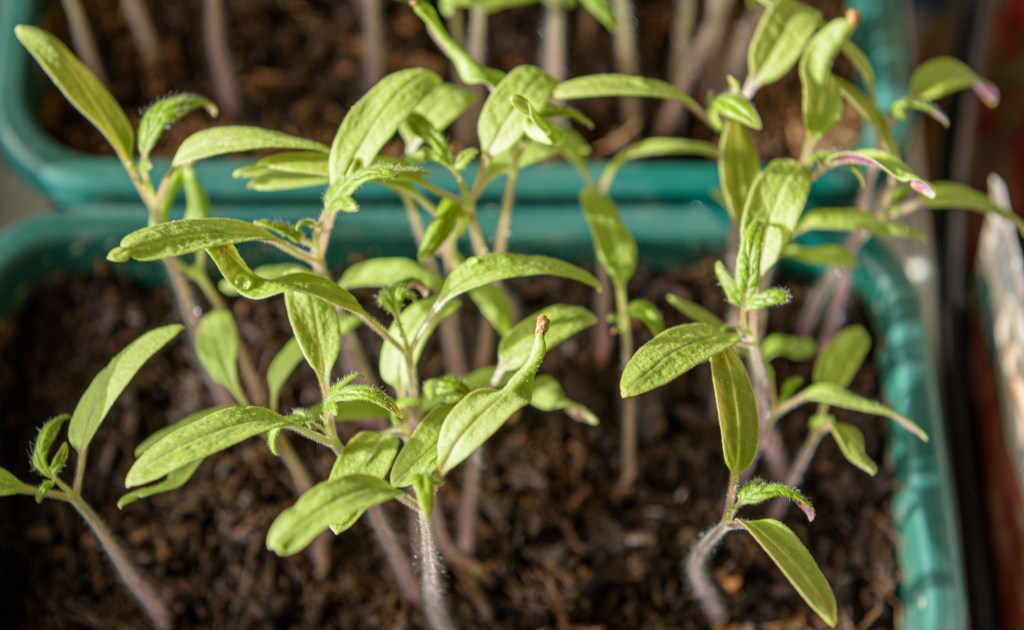
Choosing tomato starts is an act of divination. The gardener reads stems, leaves, and roots like omens. Thick stems speak of endurance. Deep green leaves promise vigor. Roots that coil gently through the pot whisper strength. Avoid leggy, pale starts; they carry the mark of impatience and will falter when the heat comes. Buy from local growers or trade seeds with neighbors to inherit regional resilience.
Appalachian gardeners once whispered blessings over their first tomato start, believing it set the tone for the season. In Mediterranean lore, basil planted beside tomatoes guarded them from jealousy and misfortune. Some said the first tomato planted after a storm would bear fruit touched by lightning, fierce and sweet
V. Ritual Planting Techniques
This is the moment of transformation. The gardener becomes a tactician. The act of planting is not gentle; it is deliberate and strategic. Each motion is a command, each handful of soil a maneuver.
Plant deep, burying the stem until only the first leaves rise above the surface. Tomatoes are one of the few plants that thrive on this kind of burial. Along the buried stem, small bumps and hairs will awaken into adventitious roots, forming a new network of strength. These roots anchor the plant deeper, drawing water and nutrients from layers untouched by heat and drought. A shallow-planted tomato is a soldier left exposed; a deep-planted one is fortified, ready for siege.
Remove the lower leaves before planting to prevent rot and disease. They will decay underground and invite weakness. Water slowly so the soil settles around the stem, sealing the pact between plant and earth. Mulch thickly to hold moisture and suppress weeds. The mulch becomes armor, shielding the soil from evaporation and invasion.
Italian folk magic says planting tomatoes under a waxing moon ensures abundance, the rising light feeding the fruit’s ambition. In rural England, gardeners avoided planting tomatoes on Fridays, a day cursed for nightshades. Some believed that speaking kindly to the plant during planting made the fruit sweeter, that words could shape flavor as surely as sunlight.
Planting is not labor; it is strategy. The gardener calls forth the bloodlines, binding earth and fire in one act of defiance. Each seedling becomes a declaration of intent, a promise that the Rage Garden will not yield.
- Practical guidance:
- Plant deep, burying up to two-thirds of the stem to encourage root strength.
- Remove lower leaves to prevent rot.
- Water slowly, mulch thickly, and whisper promises to the soil.
VI. The First Watch — Tending the New Kingdom
The seedlings rise like recruits, trembling but determined. I watch for frost, for thirst, for signs of rebellion.
Water deeply but not often. Protect from cold nights. Observe each variety’s temperament. Some crave sun, others shade.
The seedlings rise like recruits, trembling but determined. I watch for frost, for thirst, for signs of rebellion. Each one stands at attention beneath the morning light, waiting for orders. Water deeply but not often so the roots learn to reach down for strength. , Observe each variety as it claims its territory. Some crave relentless sun, others prefer the shelter of partial shade. Each bloodline reveals its temperament in time, and I learn their rhythms like a commander studying his ranks.
In Appalachian tradition, the first tomato blossom was a sign of good health for the gardener, proof that the bond between soil and spirit was strong. In Mediterranean lore, pinching the first sucker was an act of humility, pruning pride to make room for growth. These old stories remind me that tending is not domination but discipline. The Rage Garden teaches patience. Rage without discipline becomes ruin.
I watch the soil breathe. The rage quiets, replaced by reverence. The seedlings stand taller each day, their leaves spreading like banners. I rise from the soil, hands stained with promise. The garden hums beneath me, alive and waiting. I have summoned the bloodlines, not just plants but stories. Today I buried hope in the dirt and called it a tomato.
The campaign closes for now. The field is set, the soldiers are planted, and the first watch begins. Tomorrow will bring defense and fortification, the rise of cages and stakes, the building of the fortress. But tonight, I rest in the hum of the soil, knowing the battle has begun and the Rage Garden stands ready.
Discover more from Anything Agriculture
Subscribe to get the latest posts sent to your email.
