

The Rage Garden Guide to Beneficial Insects
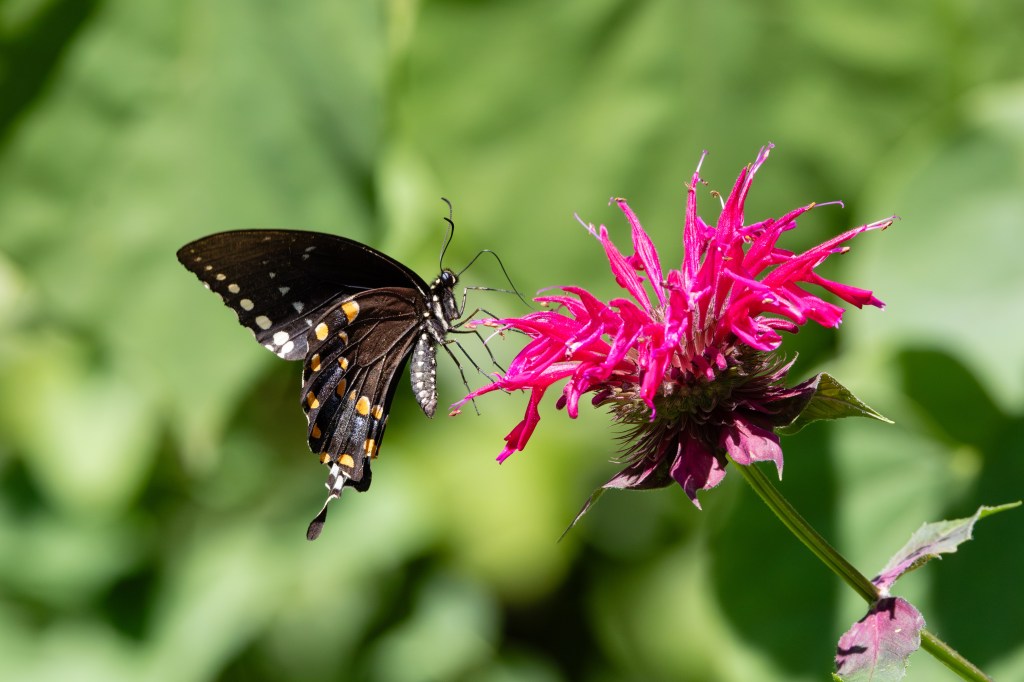
How to Recruit the Silent Warriors of Your Herb Realm
Every garden is an ecosystem, a living web of soil, roots, air, and creatures. It is never pure, never sterile, and never without insects. Bugs are not outsiders; they are part of the garden’s pulse. Some feed, some pollinate, some hunt, and some heal. The garden thrives because of this constant exchange of energy and life.
There is no garden without insects. They are the heartbeat beneath the leaves, the unseen workers who turn decay into fertility and chaos into balance. The Rage Gardener learns to see beyond the surface and understand that good and bad are not opposites but partners in growth. Aphids feed ladybugs. Caterpillars feed birds. Decomposers return nutrients to the soil. Every creature has a role, and your task is not to erase them but to manage the balance.
When you garden without chemicals, you step into that ecosystem as a participant, not a conqueror. You learn to invite allies, repel aggressors, and strengthen the natural defenses of your realm. Beneficial insects are your warriors, your healers, and your scouts. They protect your herbs, pollinate your flowers, and keep the balance steady.
The Rage Garden is not a battlefield of extermination; it is a living kingdom of cooperation. To understand beneficial insects is to understand the deeper truth of gardening—that sovereignty comes not from control but from harmony.
Why Beneficial Insects Matter
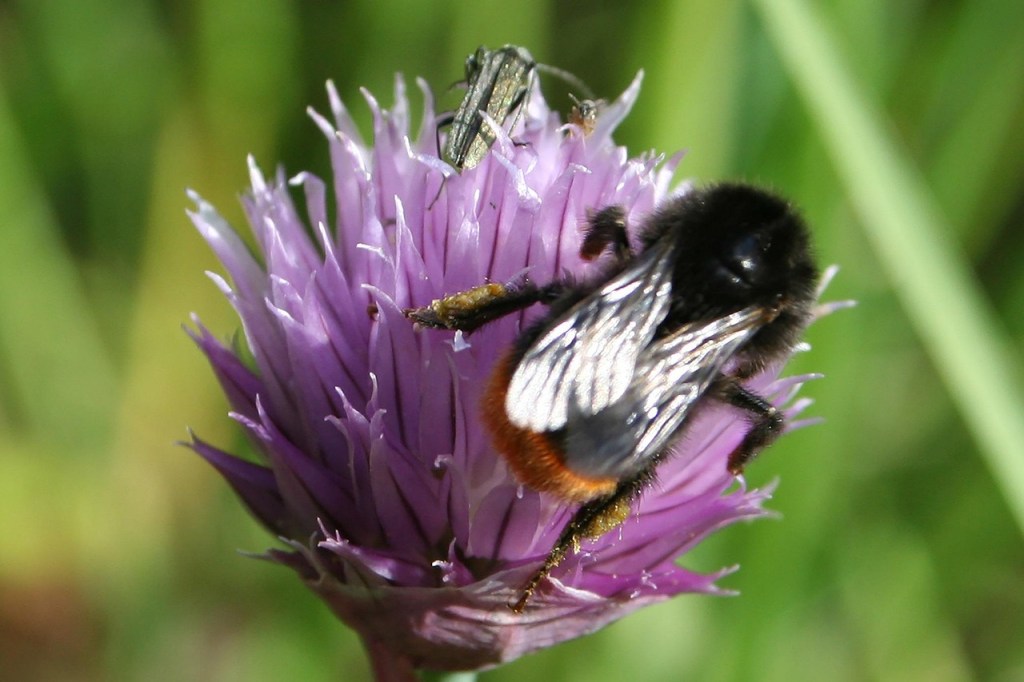
eneficial insects are the architects of balance. They hunt aphids, mites, thrips, caterpillars, and whiteflies with precision, keeping populations in check without destroying the web of life that sustains your garden. They pollinate your herbs, strengthen your ecosystem, and reduce the need for sprays or intervention. When you invite them in, your garden becomes a living fortress—self-regulating, resilient, and alive with purpose.
Balance is the heart of the Rage Garden. Every creature, even the ones that nibble your leaves, plays a role in the cycle of growth and decay. Without pests, predators would vanish. Without decomposers, the soil would starve. The goal is not to eliminate but to harmonize. A healthy garden hums with activity, a constant exchange between eater and eaten, hunter and hunted, life and renewal.
This idea of balance echoes the warning from Silent Spring, the groundbreaking book by Rachel Carson published in 1962. Carson revealed how widespread pesticide use was poisoning ecosystems, killing birds, insects, and even humans. Her message was simple and urgent: when we wage war on nature, we destroy the very systems that sustain us. Silent Spring taught the world that every living thing is connected, and that health, human and ecological, depends on harmony, not domination.
This is not pest control; it is an ecological partnership. You are not the commander of this army but its steward. When you cultivate balance, you create a realm where strength and vulnerability coexist, where beauty is born from cooperation. The Rage Gardener learns that true sovereignty is not domination—it is harmony with the living forces that share your soil.
The Most Common Beneficial Bugs
Every garden is alive with motion, a constant hum of wings and legs beneath the leaves. These creatures are not intruders; they are the pulse of your ecosystem. Without them, the soil would stagnate, pollination would falter, and pests would multiply unchecked. Beneficial insects are the quiet engineers of balance, working tirelessly to keep your garden thriving.
They are the gardeners within the garden—the hunters, pollinators, and recyclers who transform decay into fertility and chaos into order. When you learn to recognize and welcome them, you shift from fighting nature to partnering with it. Ladybugs, lacewings, hoverflies, praying mantises, parasitic wasps, and ground beetles each play a vital role in maintaining harmony.
These allies do not ask for chemicals or control; they ask for habitat, diversity, and respect. A garden rich in flowers, herbs, and organic matter becomes their sanctuary. In return, they offer protection, pollination, and renewal. To understand these insects is to understand that every garden—no matter how small—is a living kingdom where cooperation, not conquest, sustains life.
Ladybugs: The Bright Shieldmaidens
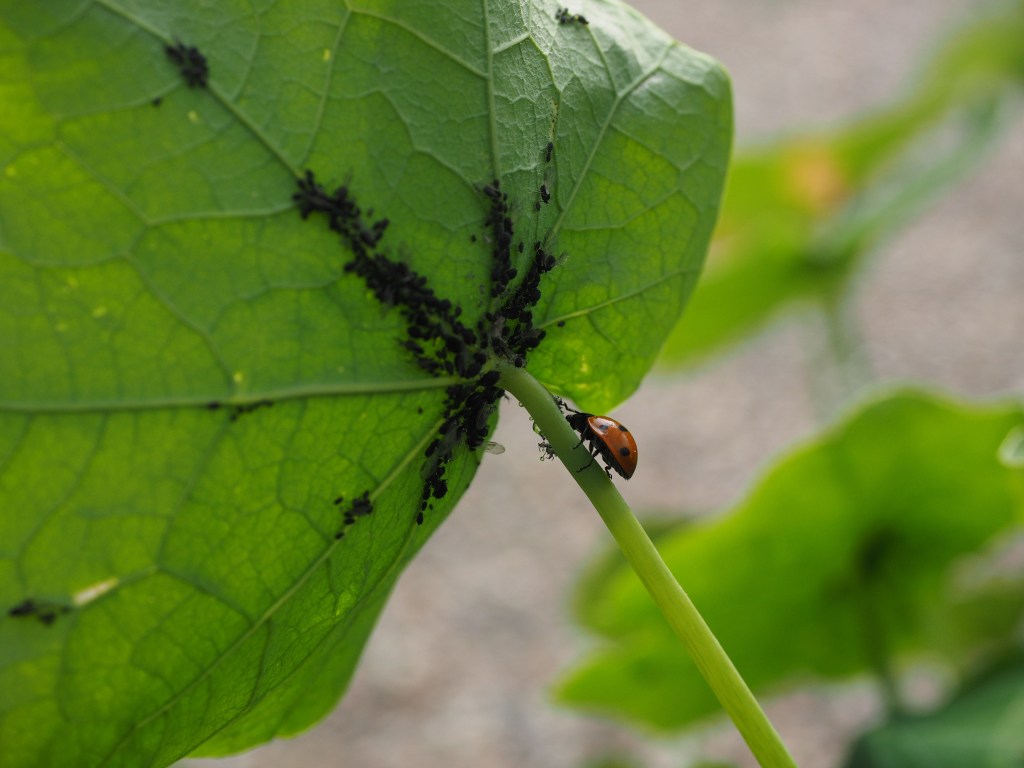
Ladybugs are the iconic warriors of the herb garden. A single adult can devour dozens of aphids in a day. Their larvae, fierce and dragon-like, eat even more. They thrive among dill, fennel, yarrow, and cosmos. Plant these nectar stations and the ladybugs will stay, feast, and multiply.
Lacewings: The Night Hunters
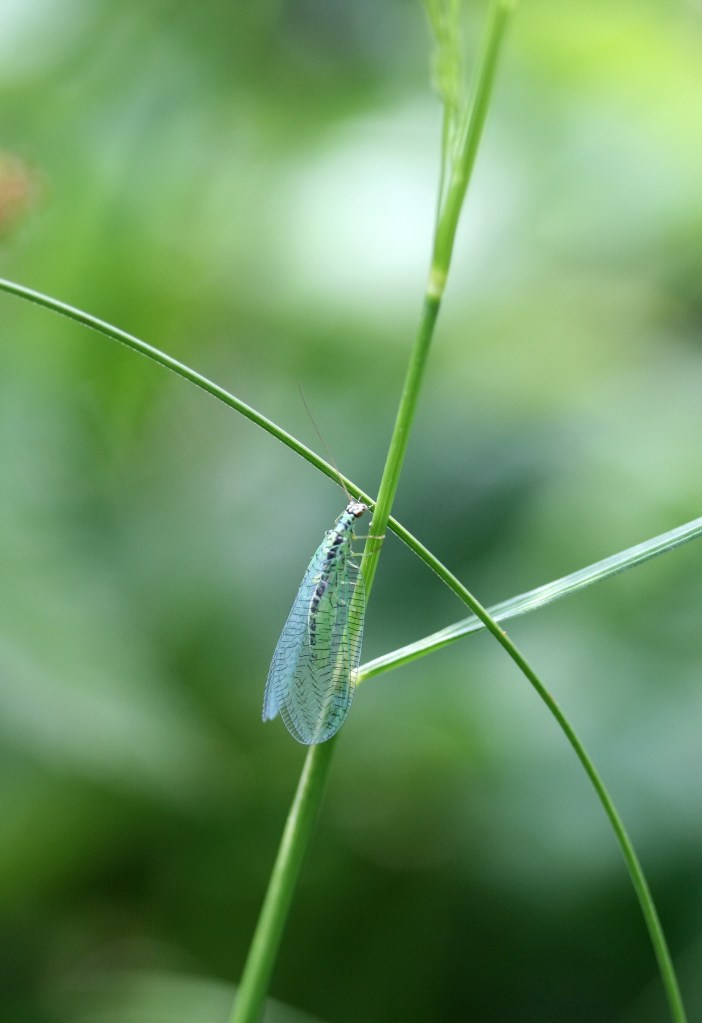
Lacewings are delicate in appearance but ruthless in battle. Their larvae are called aphid lions for a reason. They hunt at night, consuming aphids, thrips, whiteflies, and small caterpillars. Lacewings love pollen-rich herbs like dill, coriander, and sweet alyssum. Give them flowers and they will give you peace.
Hoverflies: The Silent Scouts
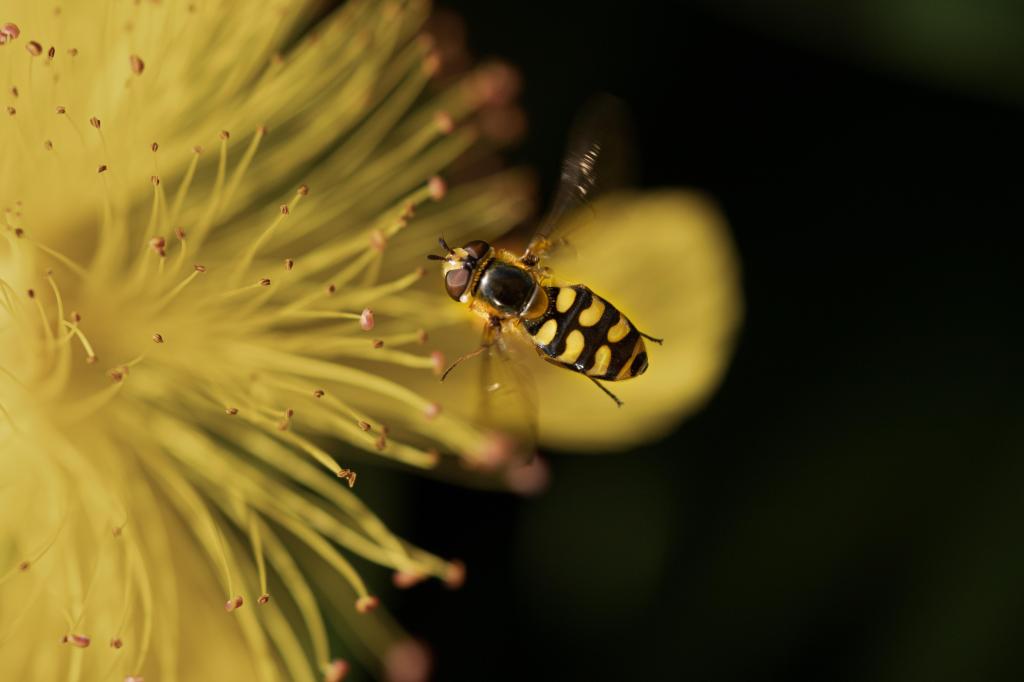
Hoverflies look like tiny bees but hover like hummingbirds. Their larvae are voracious predators of aphids and soft-bodied pests. The adults pollinate your herbs with gentle precision. They are drawn to flat, open flowers such as yarrow, chamomile, and calendula. Plant these and hoverflies will patrol your garden like scouts on the wind.
Praying Mantises: The Elite Mercenaries
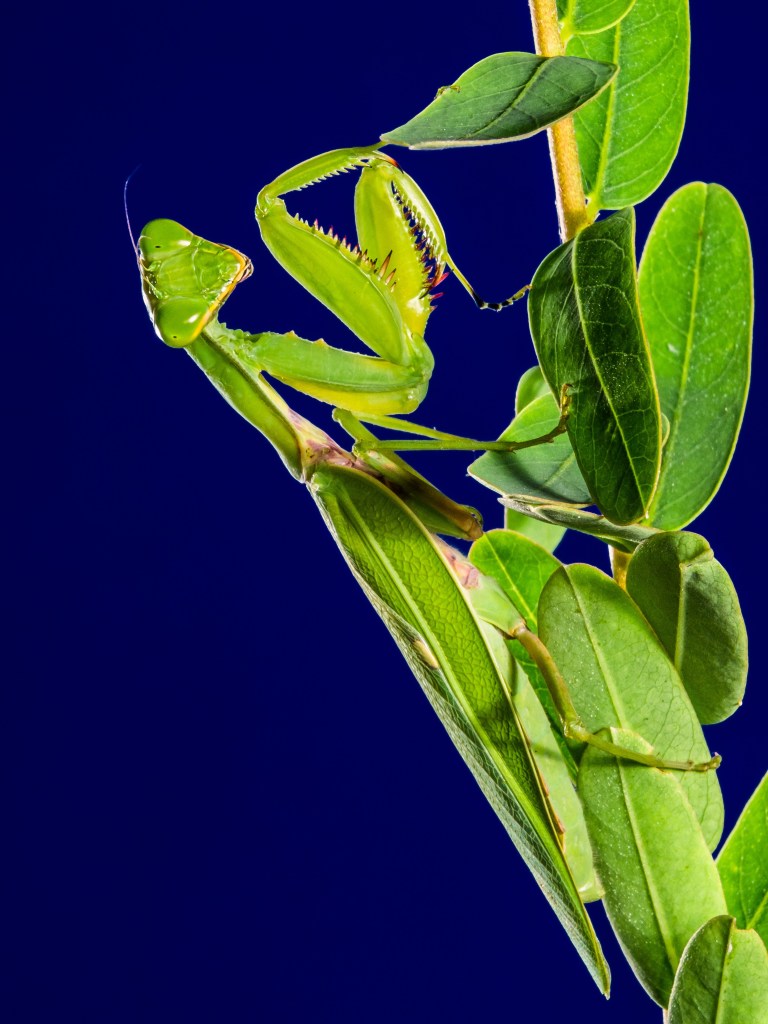
Praying mantises are powerful but unpredictable. They eat pests, but they also eat beneficial insects. They are best used sparingly, like elite mercenaries. If you choose to invite them, give them tall grasses and shrubs for shelter. They will watch your garden with patient, predatory calm.
Parasitic Wasps: The Hidden Assassins
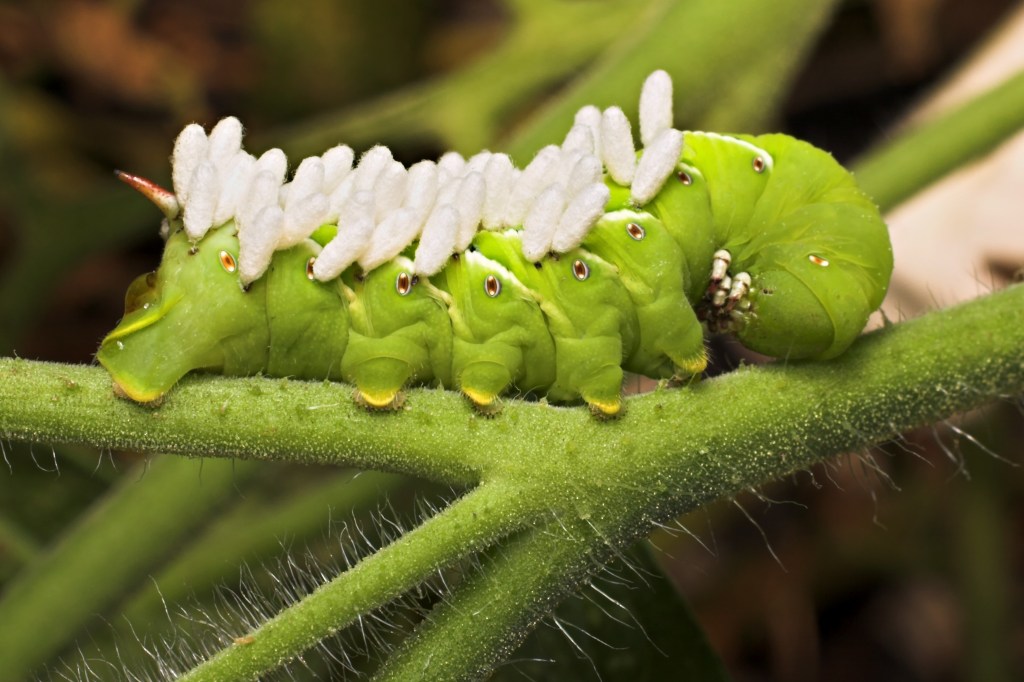
These tiny wasps do not sting humans. Instead, they lay eggs inside caterpillars, aphids, and beetle larvae. The pests become unwilling hosts, and the wasps emerge victorious. Plant nectar-rich herbs like dill, parsley, and cilantro to support these assassins. They are invisible but invaluable.
Ground Beetles: The Night Patrol
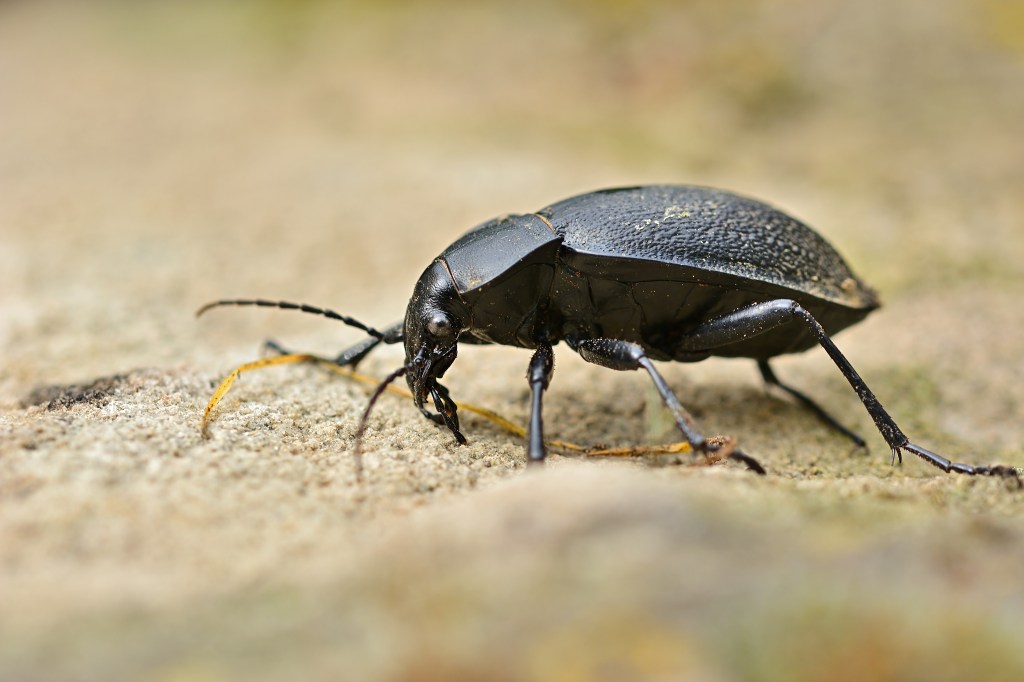
Ground beetles roam the soil surface after dark, hunting slugs, cutworms, and root maggots. They thrive in mulch, leaf litter, and shady corners. Avoid disturbing the soil too often. Let the beetles build their tunnels and patrol routes. They are your underground defense.
How to Attract Beneficial Insects
Beneficial insects arrive when the environment welcomes them. Create a realm they want to defend, not a battlefield they must survive. These allies thrive in gardens that offer food, shelter, and balance. When your garden is healthy, they appear naturally, drawn by diversity, clean soil, and the rhythm of life that supports them.
A healthy garden already contains its defenders. If you are struggling with pests, it may not be a simple invasion but a sign of imbalance. Every problem is a message from the ecosystem. Fungus gnats, for example, do not appear because they love your plants; they appear because the soil is too moist. The gnats are symptoms, not the disease. When you correct the environment, the problem fades.
Cultural methods are the gardener’s true tools of power. Adjust watering so soil dries between cycles. Space plants for airflow to prevent mildew. Rotate crops yearly to break pest and disease patterns. Mulch to prevent soil splash and maintain moisture without overwatering. Keep debris cleared to remove hiding places for unwanted insects while leaving small patches of wild growth for beneficial ones.
Encourage balance by planting nectar and pollen-rich herbs and flowers such as dill, fennel, yarrow, chamomile, calendula, borage, thyme, and oregano. Let some herbs bloom and go to seed; those flowers are invitations, not imperfections. Provide water in shallow dishes with pebbles so insects can drink safely. Avoid chemicals, even organic sprays, unless absolutely necessary, because they can harm the very allies you hope to protect.
A garden that welcomes beneficial insects becomes a living system of checks and balances. Each creature plays a role, each plant contributes to the whole. When you look beyond the surface and solve the root causes—moisture, airflow, soil health, you transform problems into lessons. The Rage Gardener knows that harmony, not control, is the true path to sovereignty
Plant nectar and pollen sources
Dill, fennel, yarrow, chamomile, calendula, borage, cosmos, thyme, oregano.
Provide water
A shallow dish with pebbles gives insects a safe place to drink.
Avoid chemicals
Even organic sprays can harm your allies. Use them only when absolutely necessary.
Create habitat
Mulch, leaf litter, hollow stems, and small brush piles give insects shelter.
Let some herbs flower
Bolting herbs are not a failure. They are invitations.
How to Keep Your Allies Alive
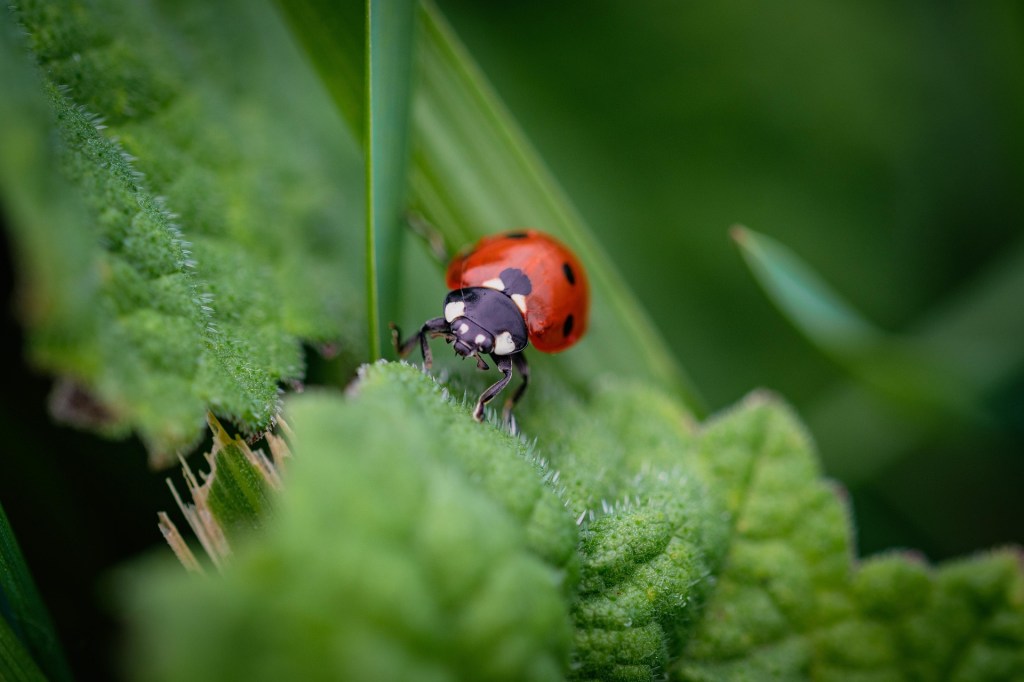
Beneficial insects are sensitive and easily disturbed, so protecting them requires care and awareness. They are not just visitors; they are residents of your ecosystem, and their survival depends on the conditions you create. A healthy garden is not one that is constantly sprayed or sterilized—it is one that breathes, moves, and supports life at every level.
Water at the base of plants to avoid washing insects from leaves or flowers. Gentle, targeted watering keeps soil moist without flooding the microhabitats where ground beetles and pollinators rest. Avoid spraying anything during daylight when insects are active; even natural treatments can harm them if applied carelessly. If you must spray, do so at dusk when most beneficials have retreated.
Plant in clusters so nectar sources are easy to find. A patchwork of blooms scattered too far apart forces insects to expend energy searching for food. Dense plantings of dill, fennel, yarrow, and chamomile create feeding stations that sustain ladybugs, lacewings, and hoverflies throughout their life cycles.
Keep a diversity of herbs and flowers to support insects through all stages of life. Some need pollen, others need shelter, and many require both. Hollow stems, leaf litter, and mulch provide nesting and overwintering sites. Avoid over-tidying; a slightly wild garden is a thriving one.
Cultural care extends beyond protection—it builds resilience. Rotate crops to prevent disease buildup. Maintain airflow to reduce mildew. Compost to feed soil microbes that nourish plants and attract decomposers. When the ecosystem is strong, beneficial insects flourish naturally, and pest outbreaks become rare.
Your garden becomes stronger when your allies thrive. Each wingbeat and crawl contributes to the rhythm of balance. When you protect the small lives that guard your herbs, you protect the sovereignty of your entire realm.
The Rage Garden Philosophy of Allies
The Rage Gardener does not seek domination. You seek partnership. Beneficial insects are not tools; they are citizens of your realm. When you garden with them, not against them, your herb kingdom becomes sovereign, balanced, and alive.
Invite them. Protect them. Honor them.
Your garden will repay you with resilience. Endure, Rise, Fight, Thrive!
ur rage bloom. Let your sovereignty take root.
Chives: The Blade-Tongued Border Guard of the Rage Garden
Fennel: The Sharp-Souled Sentinel of the Rage Garden
Hyssop: A Tactical Herb for Purification, Protection, and Emotional Resilience
The Warrior’s Herb: Borage for Grit, Glory, and Growth
Yuletide: The Warrior’s Interlude
Herbs That Bite Back: Cultivating Chaos with Dill in the Rage Garden
Lemon Balm: The Soothing Sorcerer of the Rage Garden
Chamomile: The Soft-Fisted Saboteur of the Rage Garden
Oregano – The Sharp-Tongued Strategist of the Rage Garden
Lavender: The Soft-Spoken Assassin of the Rage Garden
How to Grow Mint Without Losing Your Garden: Tactical Tips to Tame the Chaotic Neutral Herb
Thyme to Rage: Tactical Herb Wisdom for the Resilient Garden
The Basil Offensive: Grow Hard, Harvest Smart, Preserve with Fury
Sage Against the Machine: Grow, Harvest, and Hex with Purpose
Rosemary Magic: Witchy Garden Wisdom for Resilient Herb Growing
Join the Rage Garden Inner Circle
Where the wise grow stronger, wealthier, and Smarter every season.
For just $10/month, you gain access to:
- Money‑saving homestead strategies that put thousands back in your pocket
- Time‑cutting systems that free up your days and sharpen your skills
- Seasonal guides, rituals, and plant allies you won’t find anywhere else
- Exclusive content crafted for people who refuse to shrink
- First access to new tools, printables, and resources
This is more than a newsletter; it’s power. A place to gather to rise, reclaim, and root deeper into their strength.
Every month you wait is knowledge, time, and money you don’t get back. Step into the circle now and grow wild
Discover more from Anything Agriculture
Subscribe to get the latest posts sent to your email.
