

The Rage Garden’s Trial by Chaos
Every gardener meets the moment when the soil turns against them, when the rain mocks their prayers, and the leaves curl in silent rebellion. This is not failure; it is initiation. The Rage Garden teaches that when everything goes wrong, the garden is not dying; it is transforming. Weather, soil, bugs, and disease are not enemies but elemental teachers. They strip away illusion and demand attention. To o stand in your own power, to learn the cultural ways of resilience, the mythic art of tending life through chaos.
Weather: The Unruly Element

The weather is the first test of the rage garden. Storms, droughts, and frosts remind us that nature is not tame. Herbs respond differently to the sky’s moods. Rosemary, thyme, and sage thrive in drought and sun, while mint, lemon balm, and parsley prefer damp, shaded corners. Adaptation is your shield. Mulch to buffer extremes, use shade cloths in heat waves, and raise beds to escape floods. When the wind howls, remember it’s sculpting resilience into your garden’s bones.
Drought: The Long Siege

When the rain abandons you, the garden becomes a battlefield of endurance. The soil cracks like old armor, and the herbs whisper thirst. This is the drought boss fight, slow, relentless, and testing your patience stat. Your weapons are mulch, deep watering, and timing. Water early in the morning when evaporation is low. Train your plants to grow deep roots by watering less often but more thoroughly. Watering is not a race; it is a ritual. Give your garden two full inches of water each time you water. Use an old tuna or cat‑food can as your gauge. Place it beneath your sprinkler or beside your soaker hose and let the water flow until the can is filled to the brim. That small vessel becomes your measure of devotion. When it is full, you have watered deeply, reaching the roots where strength begins. It will take longer than you expect; patience is part of the craft. Do not rush the watering; let the rhythm of it slow you down. The garden drinks in time, not haste.Group drought-tolerant herbs like rosemary, sage, thyme into a desert guild that thrives under the sun’s tyranny. Shade cloths and companion planting with taller allies can create microclimates that keep the soil cool. Victory here is not lushness, it’s survival
Flooding: The Sudden Ambush
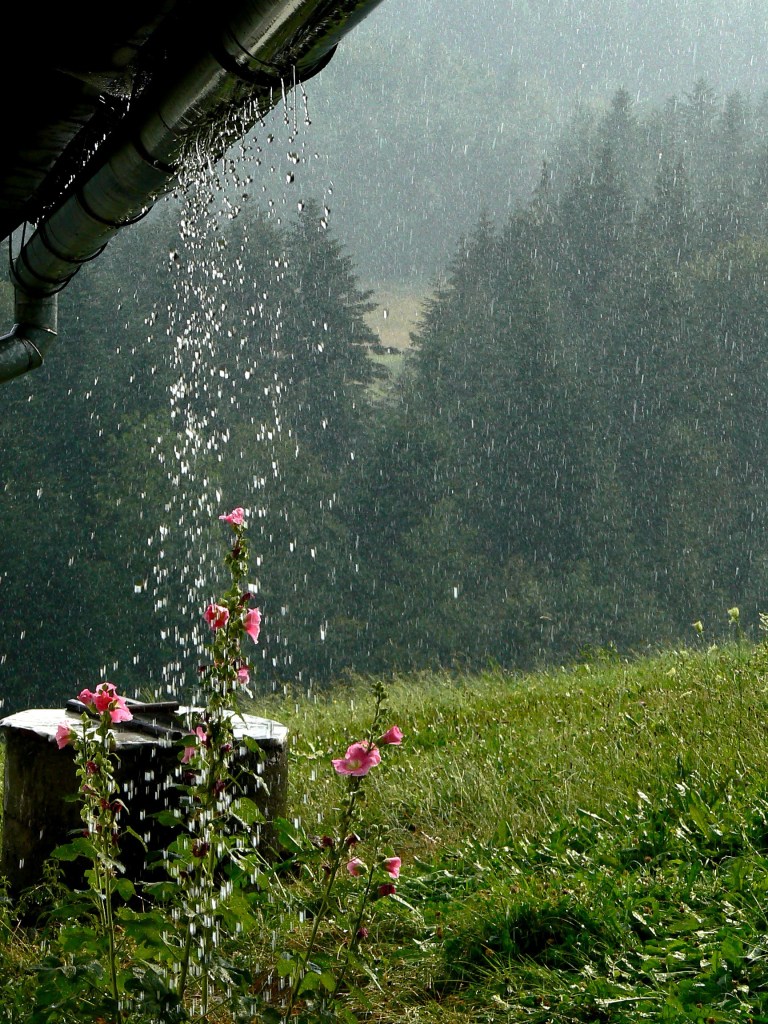
Floods strike like surprise attacks, fast, overwhelming, and merciless. Roots drown, soil turns sour, and fungal enemies rise in the chaos. When the battlefield floods, elevation becomes your strongest defense. Raised beds, terraced slopes, and well-draining soil are your fortifications. Sand and compost improve drainage, while gravel paths redirect water away from vulnerable herbs.
Think strategically about bed placement. Keep your most water-sensitive herbs such as rosemary, sage, and thyme on higher ground or in containers that can be moved to safety. Place moisture-loving herbs like mint, lemon balm, and parsley in lower zones where water naturally collects. This creates a tiered ecosystem that absorbs excess water without sacrificing your entire realm.
After the deluge, act quickly. Remove debris and soggy mulch to prevent fungal outbreaks. Let the sun reclaim the ground and dry the soil before replanting. If flooding is frequent, build raised beds at least twelve inches high and line the bottom with coarse gravel for drainage. Consider planting on gentle slopes or mounds to help water flow away instead of pooling.
Flooding is not just destruction; it is a test of your tactical design. A Rage Gardener learns to anticipate the enemy’s path, shaping the terrain so that water becomes a wandering spirit, not a conqueror.
Frost: The Final Boss

Frost is the silent assassin of the garden realm. It creeps in at night, turning tender leaves to glass. The Rage Gardener learns to read the signs, the still air, the clear sky, the sudden chill. Your defense is preparation. Cloak your herbs in frost blankets or row covers. Use cloches made from recycled bottles to shield seedlings. Cluster pots near walls or under eaves for warmth. Herbs like sage and thyme can endure light frost, but basil and parsley fall easily. When frost hits, do not despair. Harvest what you can, dry it, and let the survivors teach you endurance.
Unexpected late frosts are the trickster events of spring. They arrive just when you think the battle is won, often after the first warm spell has coaxed your plants into growth. Keep lightweight frost cloths or old sheets ready for these surprise attacks. Watch the forecast closely in early spring and autumn—temperatures can drop below freezing even after weeks of warmth. A single cold night can undo months of progress, so treat every clear, still evening as a potential ambush.
Understanding last frost dates and first frost dates is your map through this battlefield. The last frost date marks the average time in spring when freezing temperatures end, signaling when it is safe to plant tender herbs outdoors. The first frost date marks the average time in fall when freezing temperatures return, warning you to harvest or protect your plants. These dates vary by region and are guides, not guarantees—microclimates, elevation, and wind exposure can shift them by days or even weeks.
Your USDA Plant Hardiness Zone defines your garden’s climate class. Each zone represents the average annual minimum temperature, helping you choose plants that can survive your winters. For example, Lafayette, Indiana lies in Zone 5b–6a, meaning winter lows typically range from –15°F to –5°F. Knowing your zone helps you plan which herbs can overwinter and which must retreat indoors.
To find your zone, consult the official USDA Plant Hardiness Zone Map, which divides the United States into 13 zones based on temperature ranges. You can search your ZIP code on the interactive USDA map to see your exact zone and frost dates.
Frost is not the end, it is the final boss that teaches vigilance. The Rage Gardener learns to anticipate its moves, to armor the soil, and to wield warmth like a shield. Each frost survived is a badge of mastery, proof that you have learned to dance with winter’s blade rather than fear it.
Soil: The Foundation That Fights Back
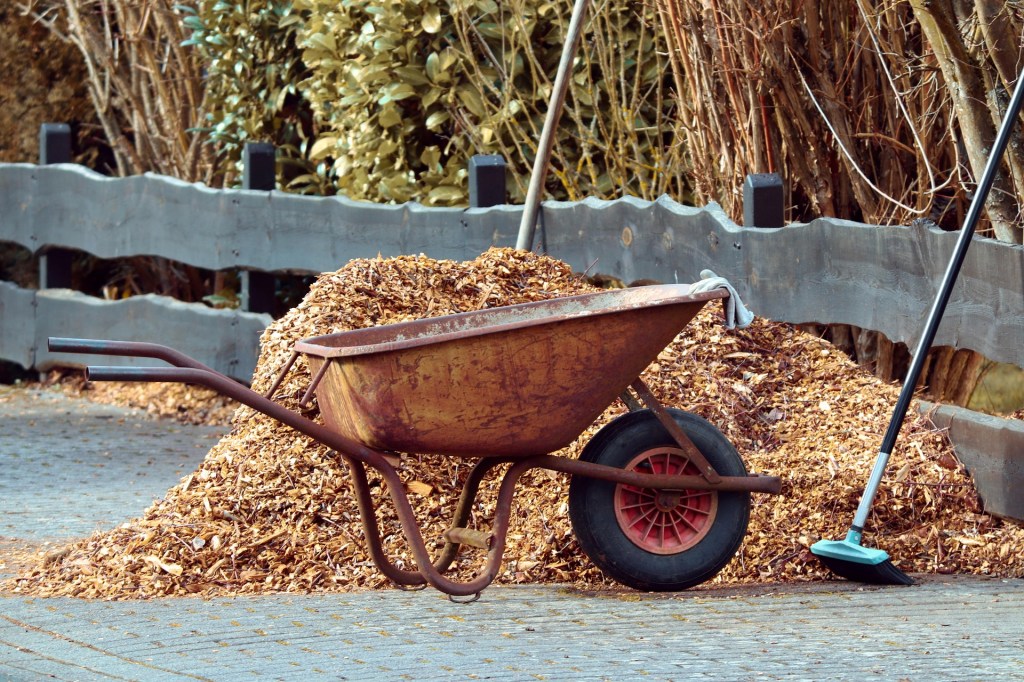
Soil is the kingdom beneath your feet, and sometimes it revolts. Compaction, acidity, and nutrient loss are signs of imbalance. Compost is your redemption. Layer organic matter, rotate crops, and let deep-rooted herbs like borage and yarrow heal the ground. Yellowing leaves whisper nitrogen hunger; stunted growth signals suffocation. Listen. Amend. Let the soil breathe. Healthy soil is not a product; it is a relationship.
Before you build your garden’s empire, you must know the terrain. Soil testing is the prophecy that reveals what lies beneath. A proper lab test tells you your soil’s pH, organic matter, and nutrient levels, nitrogen, phosphorus, potassium, and calcium. These numbers are not mere data; they are the language of the earth. Testing every couple of years, ideally in early spring or fall, helps you understand how your soil evolves with time and what it hungers for.
When the results arrive, treat them as a map for rebuilding your realm. If your soil is too acidic, add agricultural lime to restore balance. If it is too alkaline, elemental sulfur can help bring it back to neutral. Low organic matter calls for compost, leaf mold, or aged manure, the feast that feeds your soil’s living army of microbes. For sandy soil, add coconut coir or biochar to hold moisture, or heavy clay, resist the temptation to add sand, it will create concrete and your garden will fail. Instead, mix in compost, leaf mold, and gypsum to loosen the texture and improve drainage.
Each amendment is a spell of restoration. Compost revives life, lime restores balance, and organic matter builds resilience. Rotate your crops to prevent nutrient exhaustion and disease buildup. Mulch to protect the surface from erosion and temperature swings. Over time, your soil becomes not just a medium for growth but a living ally, a kingdom that remembers your care and rewards your patience.
The Rage Gardener knows that soil is never static. It is a living world that responds to every choice you make. Test it, feed it, and honor it, for the soil is the foundation of all sovereignty.
Bugs: The Tiny Invaders and Unexpected Allies

Every herb garden hosts its own war. Aphids, spider mites, and whiteflies march in, but many herbs are natural warriors. Basil repels flies and mosquitoes. Lavender deters moths and fleas. Chives and garlic send aphids fleeing. Mint drives away ants and cabbage moths. Instead of chemical warfare, summon allies like ladybugs, lacewings, and praying mantises. Interplant herbs among vegetables to create a living shield, a fragrant militia that defends without poison.
Insect control without chemicals is both art and strategy. The first rule is observation. Walk your garden daily and look beneath leaves, along stems, and near the soil line. Early detection is your best weapon. When pests appear, act swiftly but gently. A simple spray of soapy water can knock down aphids and mites. Mix one tablespoon of mild liquid soap in a quart of water and mist affected plants. For tougher infestations, neem oil disrupts insect life cycles while sparing beneficial species.
Encourage natural predators. Ladybugs feast on aphids, lacewings devour thrips, and praying mantises patrol for caterpillars. You can attract them by planting dill, fennel, yarrow, and cosmos—flowers that serve as nectar stations for your insect allies. Avoid broad-spectrum pesticides, even organic ones, that harm these guardians.
Cultural practices are your long-term defense. Keep your garden clean of debris where pests hide. Rotate crops so insects cannot settle into predictable feeding grounds. Maintain airflow between plants to reduce humidity, which invites fungal diseases and soft-bodied pests. Healthy soil and balanced watering make plants less vulnerable to attack.
If pests persist, use barriers. Floating row covers protect young herbs from flying insects. Copper tape around pots deters snails and slugs. Diatomaceous earth sprinkled around the base of plants creates a physical shield that injures crawling invaders without chemicals.
The Rage Gardener knows that pest control is not about annihilation,it is about balance. Every creature has its role, and your task is to keep the scales tipped toward harmony. When you fight with wisdom instead of poison, the garden becomes a living ecosystem, resilient and self-defending.
Integrated Pest Management (IPM): The Strategy of Balance
Integrated Pest Management, or IPM, is the gardener’s version of tactical play—smart, adaptive, and sustainable. It is not about destroying every insect; it is about keeping the ecosystem in balance so your plants thrive without chemical warfare.
At its core, IPM follows four simple steps:
1. Observe and Identify
Spend time in your garden. Look under leaves, along stems, and near the soil. Learn which insects are harmful and which are helpful. Aphids and spider mites may be enemies, but ladybugs and lacewings are allies. Knowing the difference is your first line of defense.
2. Prevent Problems Before They Start
Healthy plants resist attack. Build strong soil with compost, rotate crops, and space plants for airflow. Keep weeds and debris cleared to remove pest hiding spots. Choose disease-resistant varieties and companion herbs that repel invaders—basil near tomatoes, chives near roses, mint near cabbage.
3. Monitor and Intervene Wisely
If pests appear, act with precision. Use organic methods first: spray with soapy water, apply neem oil, or dust lightly with diatomaceous earth. Introduce beneficial insects or use barriers like row covers. The goal is control, not annihilation.
4. Evaluate and Adjust
After each season, review what worked and what didn’t. Did your mulch reduce pests? Did spacing improve airflow? IPM is a living system, it evolves with your garden.
The Rage Gardener sees IPM as a philosophy of respect. You are not fighting nature; you are learning its patterns and responding with wisdom. When you master observation, prevention, and balance, your garden becomes a self-sustaining realm, alive, resilient, and sovereign.
Plant Diseases: The Silent Saboteurs
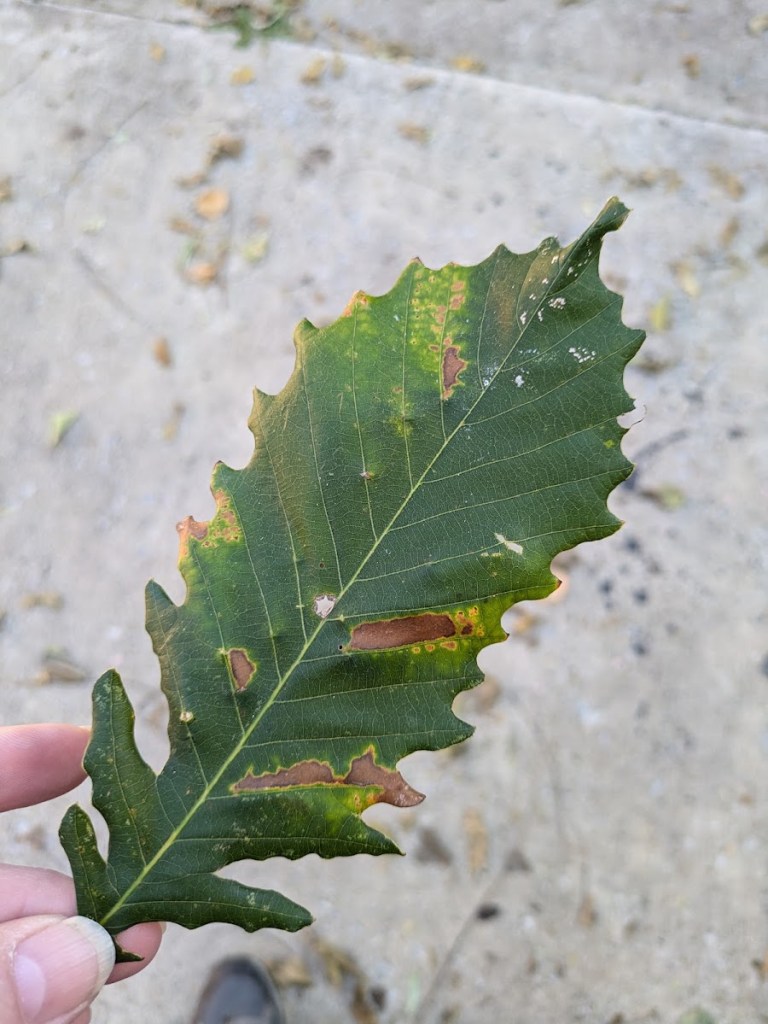
Powdery mildew, root rot, and leaf spot creep in when balance falters. Even strong herbs like oregano, thyme, and sage can fall to neglect. Prevention is cultural, not chemical. Water at the base, not the leaves. Space plants for airflow. Rotate crops yearly. Mulch to prevent soil splash, a common disease highway. Buy seedlings from reputable growers; disease often begins unseen. When infection strikes, prune ruthlessly and compost wisely. Disease teaches humility and vigilance; it reminds you that sovereignty requires stewardship.
To understand plant disease is to understand imbalance. Fungal spores, bacteria, and viruses are always present in the garden, waiting for weakness. Overcrowding, poor drainage, and inconsistent watering create the perfect conditions for attack. The Rage Gardener learns to read the early signs: pale spots, curling leaves, or sudden wilt after rain. These are not random misfortunes; they are messages from the soil and air.
Cultural control is your greatest weapon. Keep your plants spaced so air can move freely between them. Prune lower leaves to prevent moisture buildup. Mulch deeply to stop soil from splashing onto foliage, where pathogens hitch a ride. Water in the morning so leaves dry quickly. Avoid walking through wet plants, which spreads disease from one to another.
Healthy soil is the immune system of your garden. Compost feeds beneficial microbes that outcompete harmful ones. Crop rotation breaks the cycle of disease by denying pathogens their favorite hosts. When you plant basil where parsley once grew, you confuse the enemy and restore balance.
If the disease appears, act swiftly but calmly. Remove infected leaves and dispose of them away from the garden, never compost active disease. Clean your tools with a mild bleach solution to prevent spreading spores. For fungal problems like powdery mildew, a simple spray of one tablespoon of baking soda mixed with a quart of water can slow its advance.
Resist the lure of chemical cures. They may promise quick victory, but they often harm the soil’s living balance. The Rage Gardener fights with patience and wisdom, not poison. Each outbreak becomes a lesson in vigilance, each recovery a testament to resilience.
In the end, disease is not the enemy; it is the teacher. It reminds you that stewardship is an ongoing act of care and that sovereignty in the garden is earned through observation, adaptation, and respect for the living world beneath your hands.
The Rage Garden Philosophy: Collaboration with Chaos
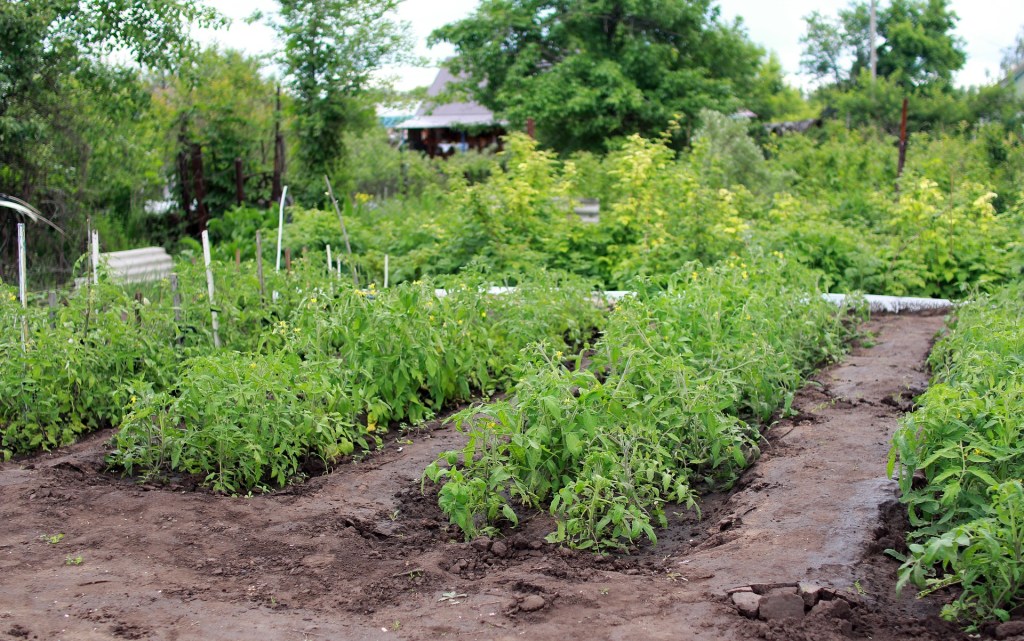
When everything goes wrong, the garden isn’t failing; it is revealing. Each wilted leaf, each chewed stem, each storm-battered bed is a lesson in resilience. You learn to adapt, to listen, to rage wisely. The garden doesn’t demand perfection; it demands participation.
In the end, the Rage Gardener doesn’t conquer nature; they collaborate with its chaos. Endure, Rise, Fight, Thrive
ur rage bloom. Let your sovereignty take root.
Chives: The Blade-Tongued Border Guard of the Rage Garden
Fennel: The Sharp-Souled Sentinel of the Rage Garden
Hyssop: A Tactical Herb for Purification, Protection, and Emotional Resilience
The Warrior’s Herb: Borage for Grit, Glory, and Growth
Yuletide: The Warrior’s Interlude
Herbs That Bite Back: Cultivating Chaos with Dill in the Rage Garden
Lemon Balm: The Soothing Sorcerer of the Rage Garden
Chamomile: The Soft-Fisted Saboteur of the Rage Garden
Oregano – The Sharp-Tongued Strategist of the Rage Garden
Lavender: The Soft-Spoken Assassin of the Rage Garden
How to Grow Mint Without Losing Your Garden: Tactical Tips to Tame the Chaotic Neutral Herb
Thyme to Rage: Tactical Herb Wisdom for the Resilient Garden
The Basil Offensive: Grow Hard, Harvest Smart, Preserve with Fury
Sage Against the Machine: Grow, Harvest, and Hex with Purpose
Rosemary Magic: Witchy Garden Wisdom for Resilient Herb Growing
Join the Rage Garden Inner Circle
Where the wise grow stronger, wealthier, and Smarter every season.
For just $10/month, you gain access to:
- Money‑saving homestead strategies that put thousands back in your pocket
- Time‑cutting systems that free up your days and sharpen your skills
- Seasonal guides, rituals, and plant allies you won’t find anywhere else
- Exclusive content crafted for people who refuse to shrink
- First access to new tools, printables, and resources
This is more than a newsletter; it’s power. A place to gather to rise, reclaim, and root deeper into their strength.
Every month you wait is knowledge, time, and money you don’t get back. Step into the circle now and grow wild
Discover more from Anything Agriculture
Subscribe to get the latest posts sent to your email.
