

Propagation is rebellion made visible, A quiet uprising in root and leaf. It solves the gardener’s oldest problem: dependence. No longer must you pay tribute to the garden center for life itself. Propagation is how your herb kingdom multiplies without coin, how sovereignty takes root in soil and spreads through every stem. It is the art of multiplying power, of turning one sprig into a realm of green allies. Some herbs leap eagerly into service, rooting at the slightest invitation. Others are stubborn, demanding warmth, patience, and cleverness. But all can be persuaded to join your cause. Know what your plants are capable of. Lets look at the most common in your kingdom.
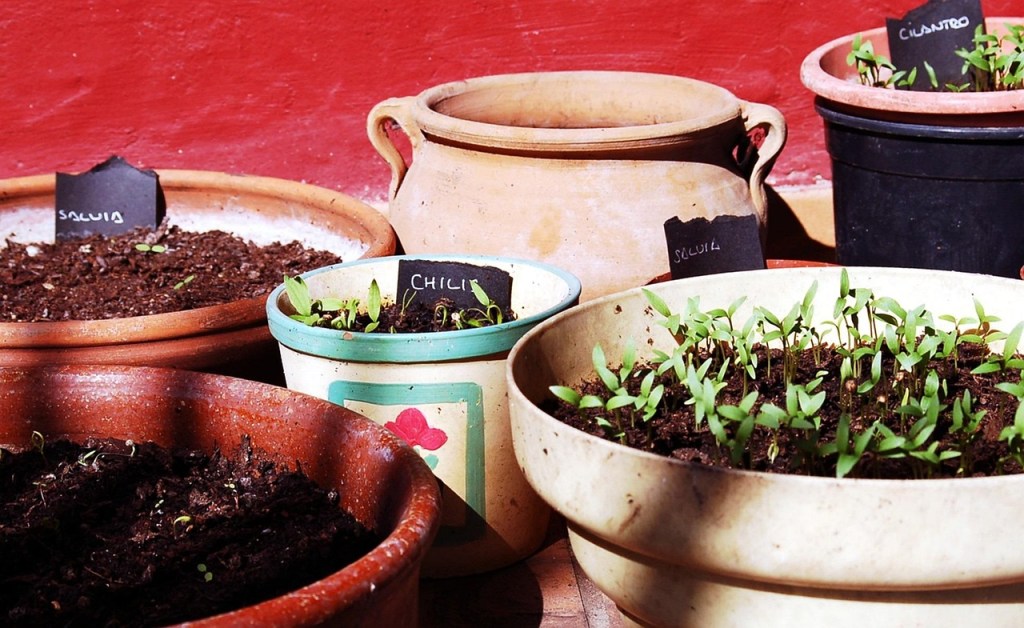
The Eager Citizens
Mint, lemon balm, oregano, thyme, basil, and chives are the revolutionaries of the herb world. They root fast, divide easily, and practically beg to be multiplied. Mint is the unruly rebel, thriving in water or soil within day. Experience warns it will overrun your garden and your dreams if left unchecked. Lemon balm, gentle and generous, divides with ease and brings peace to the home, said to ward off melancholy and restless spirits. Oregano, the kitchen warrior, roots quickly and protects against evil, strengthening your defenses. Thyme, sacred to ancient warriors, multiplies courage with every cutting. Basil, the summer sovereign, roots in water and rewards attention with abundance, symbolizing love and readiness for courtship. Chives, the quiet guardians, divide anytime and whisper resilience through their hollow stems, warding off illness and gossip.
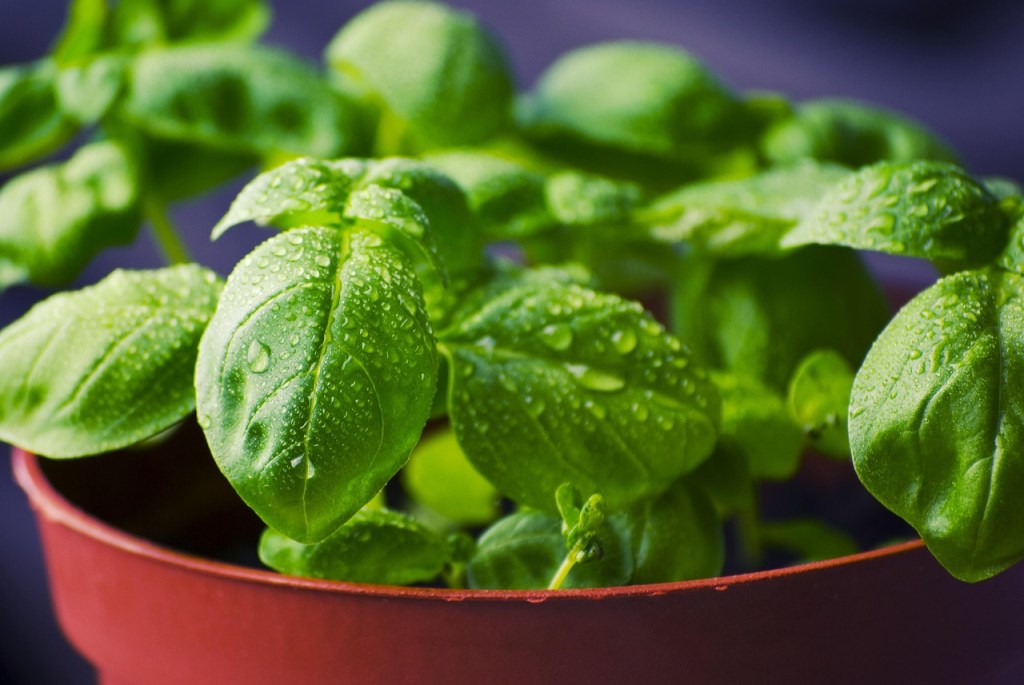
The Courted Nobles
Lavender, rosemary, and sage require patience and respect. Lavender, perfumed and proud, demands sandy soil and time, warding off evil and attracting love. Rosemary, sacred to remembrance, roots best in late spring and guards loyalty and memory. Sage, the wise elder, prefers layering. pin a branch to the earth and let time do its work. These herbs remind you that sovereignty is not haste but harmony.
The Opinionated Royals
Tarragon, lovage, fennel, and lemongrass are noble and stubborn, teaching persistence. French tarragon refuses seed, insisting on division like a royal bloodline; folklore says it tames dragons and tempers anger. Lovage rises tall and slow, a medieval traveler’s charm against fatigue. Fennel, fierce and independent, must be sown where it will live,Prometheus carried fire to humankind in a fennel stalk, a myth of defiance and destiny. Lemongrass, tropical and protective, roots in water and wards off snakes and spirits. These herbs remind you that power worth having must be earned.
Propagation Steps — The Act of Multiplying Power
Choose Your Ally:
- Select healthy, mature herbs—mint, basil, oregano, thyme, rosemary, or sage. Avoid stems that are flowering or weak; rebellion begins with strength.
Take the Cutting:
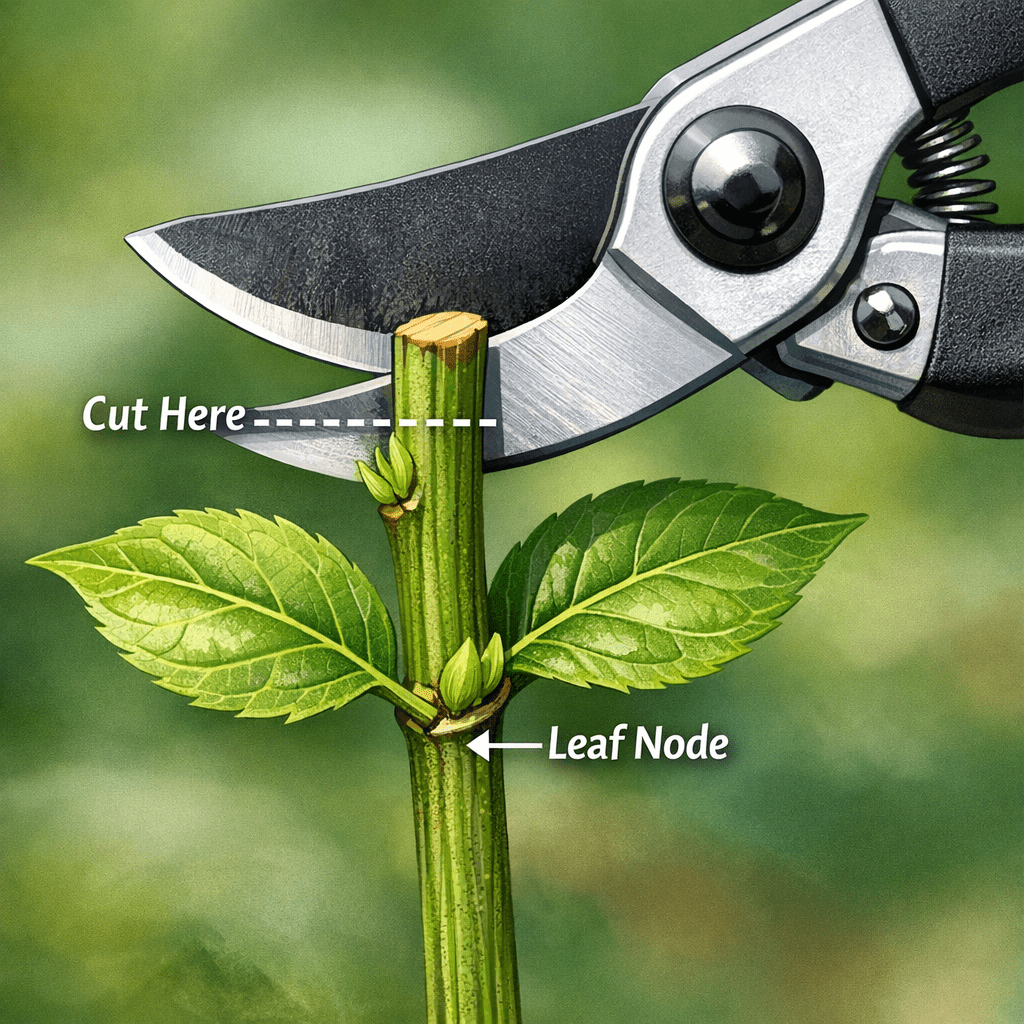
- Snip a 4–6 inch stem just below a leaf node. Strip the lower leaves so none sit in water or soil. This solves the problem of rot and disease before it starts.
- Prepare the Vessel:
- For water propagation: place stems in clean jars or bottles filled halfway with fresh water.
- For soil propagation: plant cuttings in light, well-draining mix (potting soil + perlite).
- Reuse what you have, cracked teacups, yogurt containers, or glass jars, become thrones for new life.
- Encourage Rooting:
- Optional: dip cut ends in rooting hormone for stubborn herbs like rosemary or lavender.
- Cover with a humidity dome (plastic bag or cloche) to trap moisture and mimic spring’s embrace.
- Place in bright, indirect light. Too much sun scorches, too little stalls rebellion.
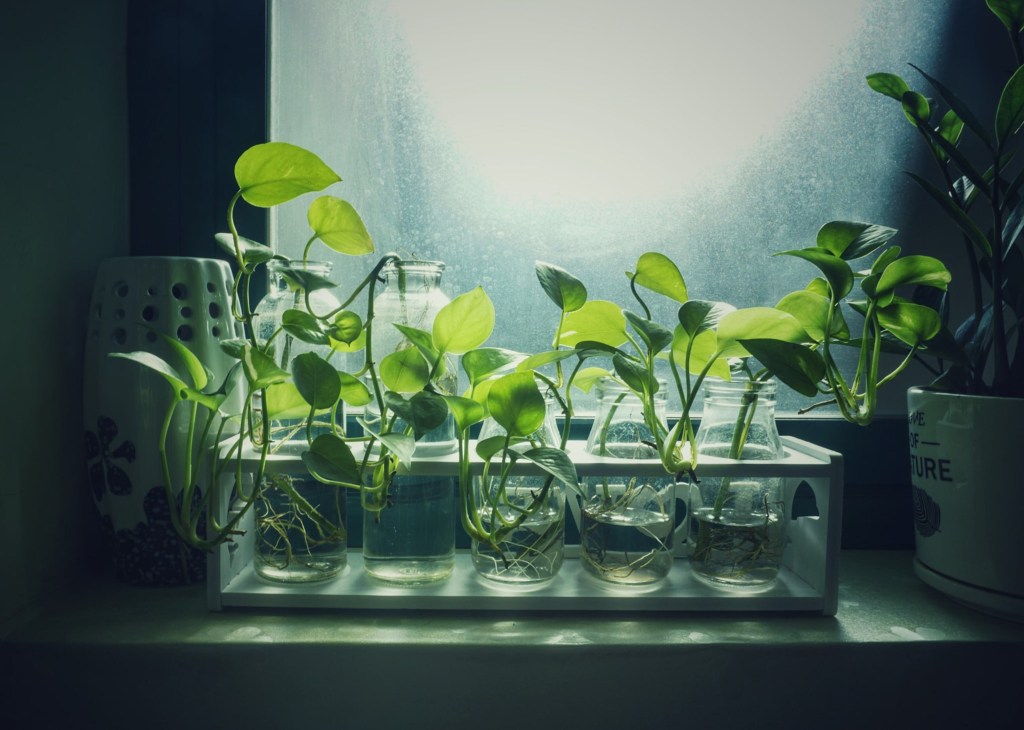
Wait and Watch:
- Change water every few days or mist soil lightly. Within 1–3 weeks, roots appear—tiny white threads of sovereignty. Tug gently; resistance means success.
Transplant with Ceremony:
- When roots are an inch long, move cuttings into pots or garden beds. Water deeply, whisper their names, and claim them as part of your realm.
The Alchemist’s Kit
Recycled jars and bottles: Root temples
Any clear glass jar, the cool jar that begged to be saved, jam, salsa, pickle, olive, can become a rooting temple. Wash it well, peel off the label if you care, and fill it with clean water. For herbs like basil, mint, oregano, and sometimes thyme, strip the lower leaves from your cutting so no foliage sits below the waterline (that’s how rot sneaks in). Set the jar on a bright windowsill with indirect light, not scorching sun. Change the water every few days, or whenever it clouds. Stagnant water is where your rebellion goes to die. When you see a good tangle of roots, about the length of your thumbnail or longer, you can transplant it into soil. The jar has done its job: it showed you the moment the cutting chose life.
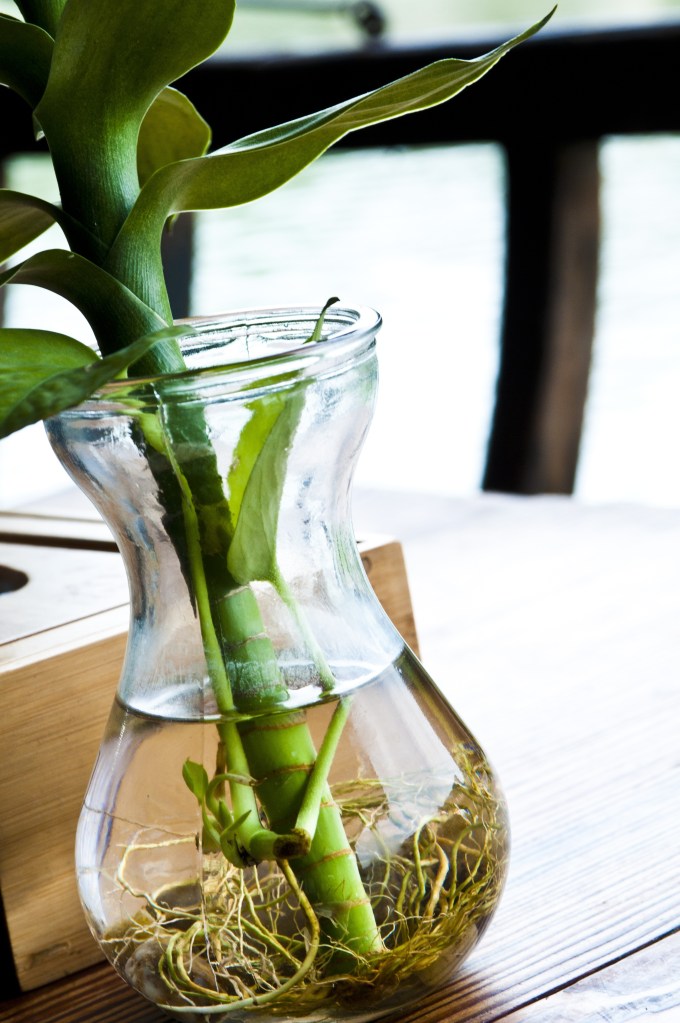
Short bottles can be cut or used as-is. Narrow-necked bottles are excellent for keeping stems upright; wide-mouthed jars are better for multiple cuttings. If you don’t have clear glass, you can still use opaque containers—just check roots by gently tugging after a week or two. Resistance means rooting.
Cracked teacups and orphaned mugs: Throne rooms for cuttings
That chipped teacup you can’t quite throw away? That’s a throne. For soil-based propagation, you need drainage, so either drill a small hole in the bottom (ceramic drill bits work slowly but surely) or create a “false bottom” with gravel, broken terracotta, or small stones. Add a light, well-draining mix, potting soil cut with perlite, or fine bark. This is perfect for lavender, rosemary, sage, and thyme cuttings.
Water thoroughly once to settle the soil, then insert your cutting with a pencil or chopstick so you don’t crush the stem. Keep the soil barely moist, not soggy. Place the cup on a saucer to catch excess water. Suddenly, your propagation station looks like the Mad Hatter’s tea party, every cup a small party in progress.
Eggshells: Seed chalices and tiny training grounds
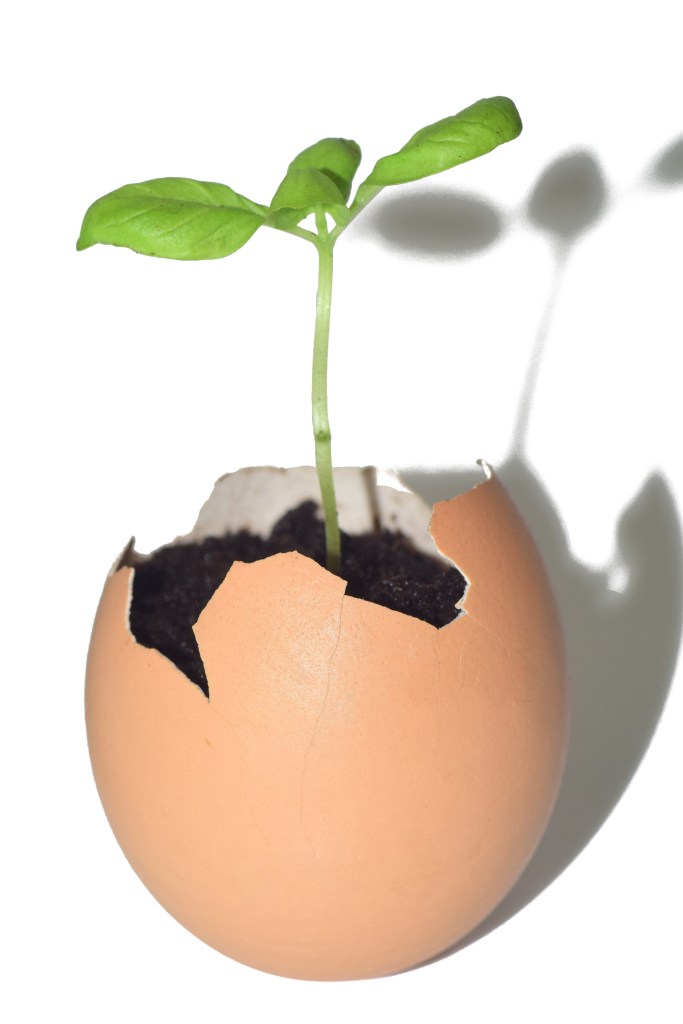
Eggshells are fragile but potent. When you crack eggs, try to keep half the shell intact. Rinse gently, poke a small drainage hole in the bottom with a pin or needle, and nestle them back into the carton for stability. Fill with a fine seed-starting mix use a lighter-than-regular potting soil, so tiny roots can move easily.
Sow one or two seeds per shell: basil, chamomile, thyme, or even experimental fennel if you’re feeling bold. Mist rather than drench; eggshells don’t hold much water. When seedlings are sturdy and have a couple of true leaves, you can gently crush the shell in your hand and plant the whole thing into a larger pot or the garden. The shell becomes slow-release calcium, and the plant never knows it was moved. It’s a baptism by soil.
DIY humidity domes: Plastic ghosts and glass guardians
You don’t need fancy propagation domes. You need something clear that traps moisture and doesn’t sit directly on the leaves. For small pots or teacups, a clear plastic bag works beautifully. Slide it over the pot, then prop it up with sticks, skewers, or even a fork so the plastic doesn’t touch the cutting. This creates a tiny greenhouse, slowing evaporation and keeping humidity high, just what exactly what fresh cuttings crave.
For trays or multiple pots, use old salad containers, bakery clamshells, or clear storage boxes. Poke a few small holes for air exchange; you want damp, not swamp. Glass bowls or upturned jars can also serve as cloches over individual plants. Watch for condensation; some is good, but if it’s raining inside your dome, crack it open a bit. You’re summoning humidity; you do not want to summon mold.
Soil alternatives and stretch mixes: Making do, making magic
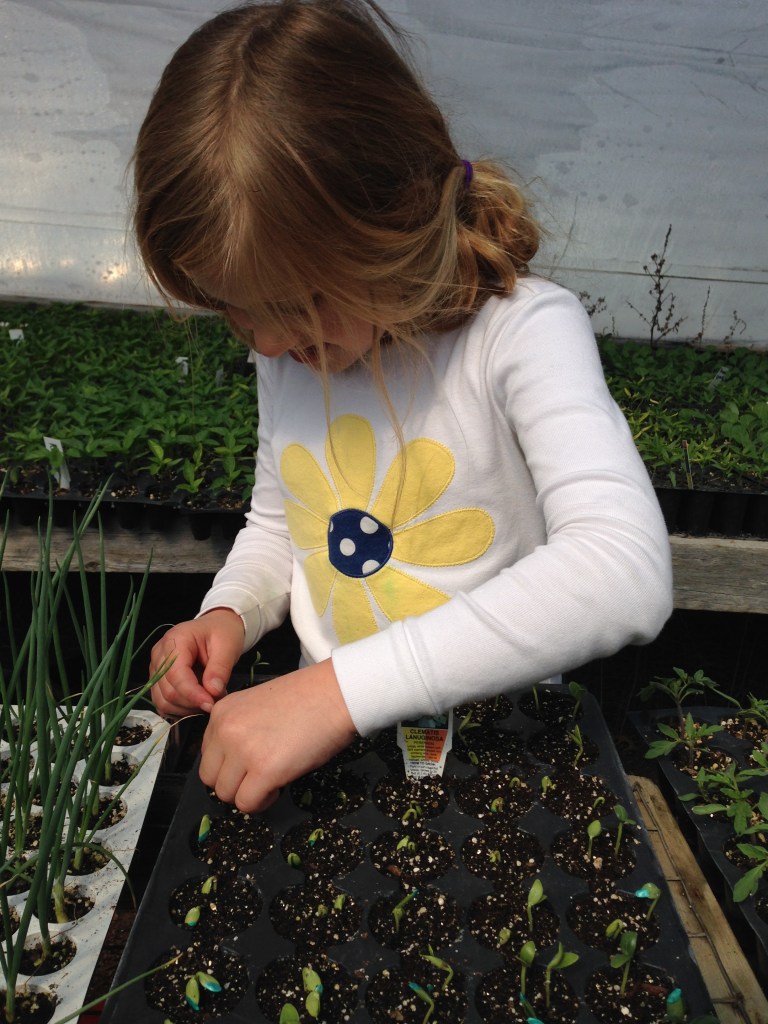
If you don’t have seed-starting mix, you can hack one together. Take regular potting soil and sift out the biggest chunks. Mix it with something that adds air: perlite, vermiculite, or even finely shredded, well-aged leaf mold. The goal is a mix that feels light in your hand and doesn’t clump into mud when wet. For Mediterranean herbs like lavender, rosemary, and thyme, lean harder into sand and grit; they need more drainage and hate being wet. They remember the rocky hillsides of their ancestors. I’ve had a bit of luck using a succulent media for lavender and rosemary.
For water-rooted cuttings transitioning to soil, use a softer mix at first, more organic matter, slightly less grit and clay, so the tender water roots aren’t shocked. Think of it as a cushioned landing before they toughen up.
Labeling as lineage: Low-tech, high-magic
You don’t need fancy tags. Cut strips from yogurt lids, milk jugs, or old plastic containers and write with a permanent marker or china pencil. Wooden popsicle sticks, clothespins, or even flat stones work too. The important part is the naming: mint from the north bed, basil from the kitchen pot, rosemary from your grandmother’s plant. You’re not just tracking varieties; you’re tracking stories.
If you want to lean into the myth, give them titles: “Basil, First of Her Name,” “Rosemary of the South Wall,” “Lavender from the Wedding Bundle.” When you plant or gift them later, that lineage travels with them. Propagation becomes inheritance.
Caring for the Kingdom
Early season warmth and deep watering awaken the soil’s memory. Mid-season pruning prevents tyranny; no plant should rule unchecked. Late season harvests preserve bounty through winter. Folklore says planting on a waxing moon encourages growth, trimming on Fridays brings luck, and drying herbs in sunlight preserves their magic. These ideas have solve the problem of decay, turning care into continuity.
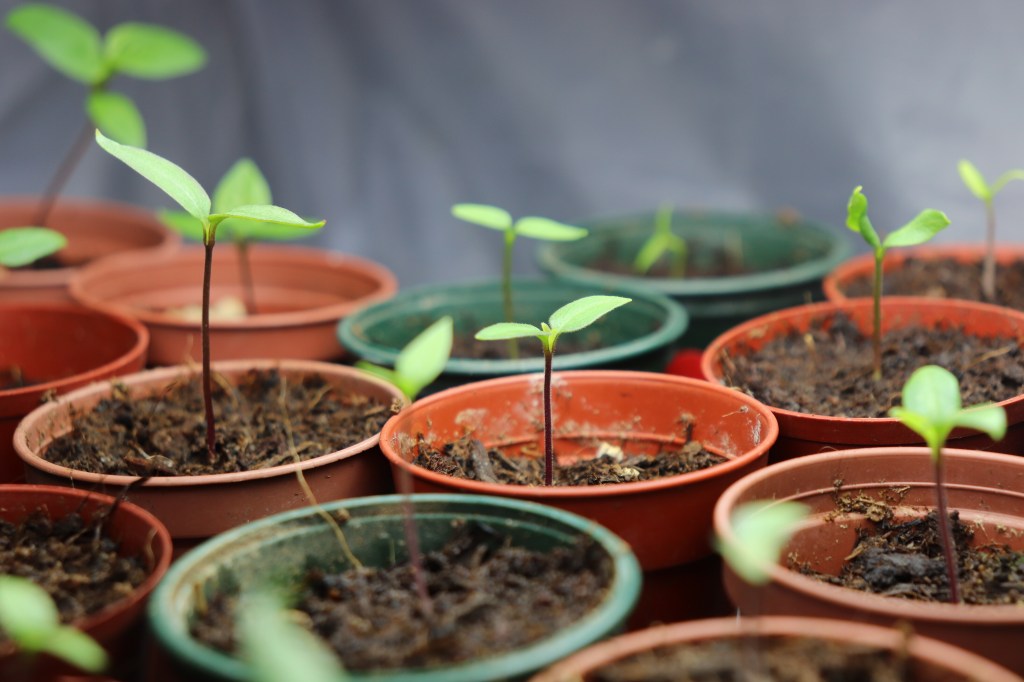
Caring for Your Herb Kingdom: Seasonal Sustaining Sovereignty
Early Season:
- Warm the cold soil with mulch or fabric. Water deeply to awaken roots. Pinch basil early to encourage bushiness. Protect tender herbs from frost with cloches or covers.
Mid-Season:
- Cut back mint, lemon balm, and oregano to prevent tyranny. Stake tall herbs like lovage and fennel. Deadhead blooms to prolong vigor. Harvest regularly; each cut renews power.
Late Season:
- Let dill and fennel go to seed for next year’s uprising. Bring tropicals like lemongrass indoors before frost. Dry herbs for winter sovereignty, hang bundles in airy shade, or use a dehydrator.
- Preserve the Magic:
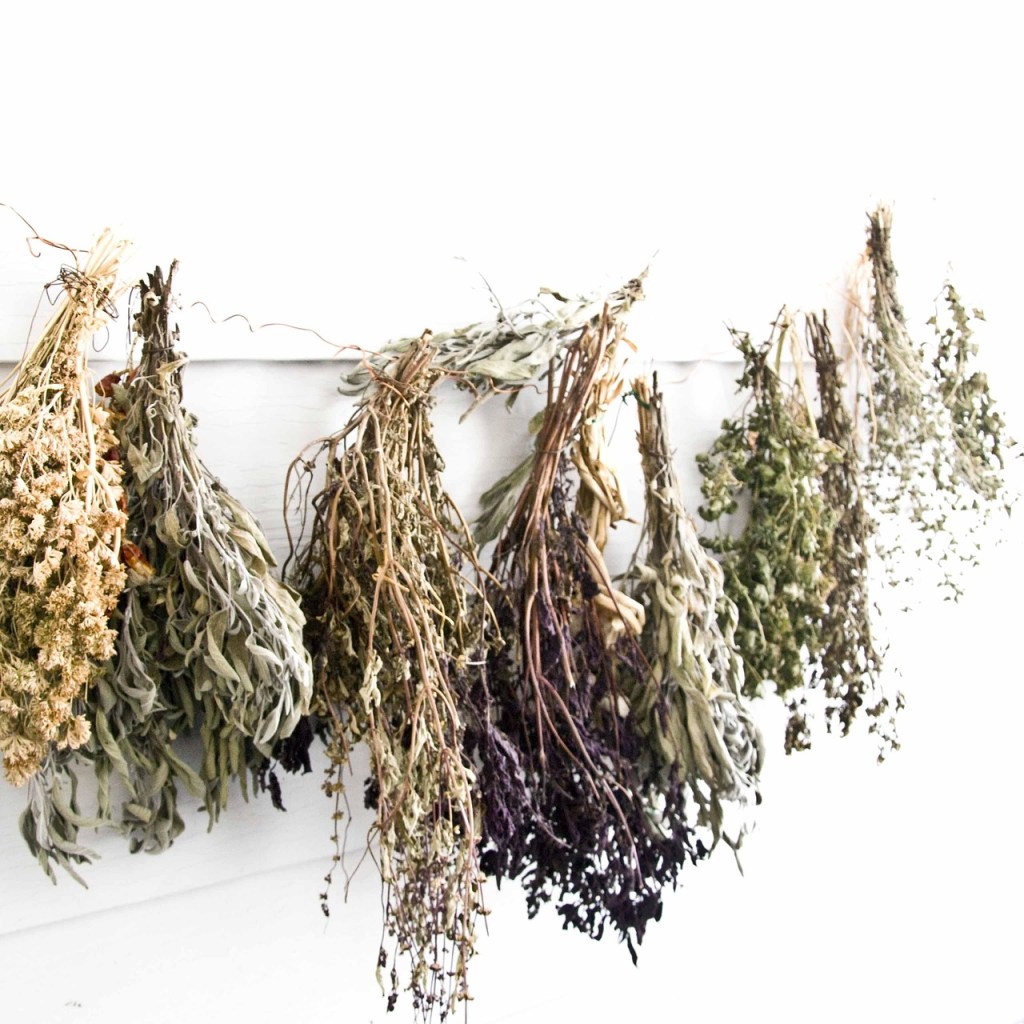
- Drying: Hang bundles upside down in a dark, ventilated space.
- Freezing: Chop herbs and freeze in olive oil cubes for winter use.
- Storing: Keep dried herbs in glass jars away from light—each jar a promise of return.
The Rebellion Harvest: How Propagation Ends Scarcity and Restores Plenty
Morning light, sharp scissors, and restraint, never more than one-third taken. That’s the sovereign’s creed of harvest: take enough to sustain, never enough to weaken. But harvesting is more than technique, renewal, and rebellion against waste. Each snip solves a problem: overcrowding, stagnation, and the slow decay of vitality. When you harvest wisely, you remind the garden that growth is a cycle, not a conquest. Letting your subjects go unchecked will be a detriment and failure in the future. Your subjects need a loving but firm hand to reach their potential.
Begin in the morning, when the dew has lifted but the sun is still soft. This is when the oils are strongest, the leaves most awake. Move through your garden like a careful strategist, observe which herbs are thriving, which are tired, and which are ready to give. Basil must be harvested often to stay young; it’s a plant that thrives on attention. Snip above a leaf node to encourage branching, and you’ll turn one stem into a small empire. Lavender’s buds should be caught before they open, when their fragrance is still contained like a secret. Chamomile’s flowers are blessings, gather them every few days, and the plant will keep offering more.
Drying is the act of preservation, but also of promise. Hang bundles upside down in a dark, airy place, or spread leaves on screens where air can move freely. Each bundle becomes a talisman against winter scarcity. You’re not just saving herbs; you’re storing sunlight, memory, and intention. When you crumble dried rosemary into a stew or steep mint in tea, you’re tasting the echo of summer’s rebellion.
Freezing herbs solves the problem of lost potency. Chop basil or sage and freeze them in olive oil cubes, small, green archives of flavor and power. For delicate herbs like chives or parsley, flash-freeze on trays before sealing in bags. This keeps their color bright and their spirit intact.
Harvesting is gratitude made physical. It’s the moment you acknowledge the garden’s generosity and promise to return the favor. Each cut is a conversation: “You have given; I will tend.” Each drying bundle is a vow: “You will rise again.” In the Rage Garden, harvesting is not the end. It is the result of pouring your energy into something and receiving the best of yourself in return.
Claim Your Kingdom
Propagation is an act of strength and renewal. It solves the gardener’s oldest problems, dependence, scarcity, and fragility- by teaching you to create abundance from what already thrives. When you propagate, you refuse to rely on commerce for life. You transform fragility into resilience and scarcity into generosity. Each cutting you take is a solution, an answer to the fear of loss and the myth that growth must be bought.
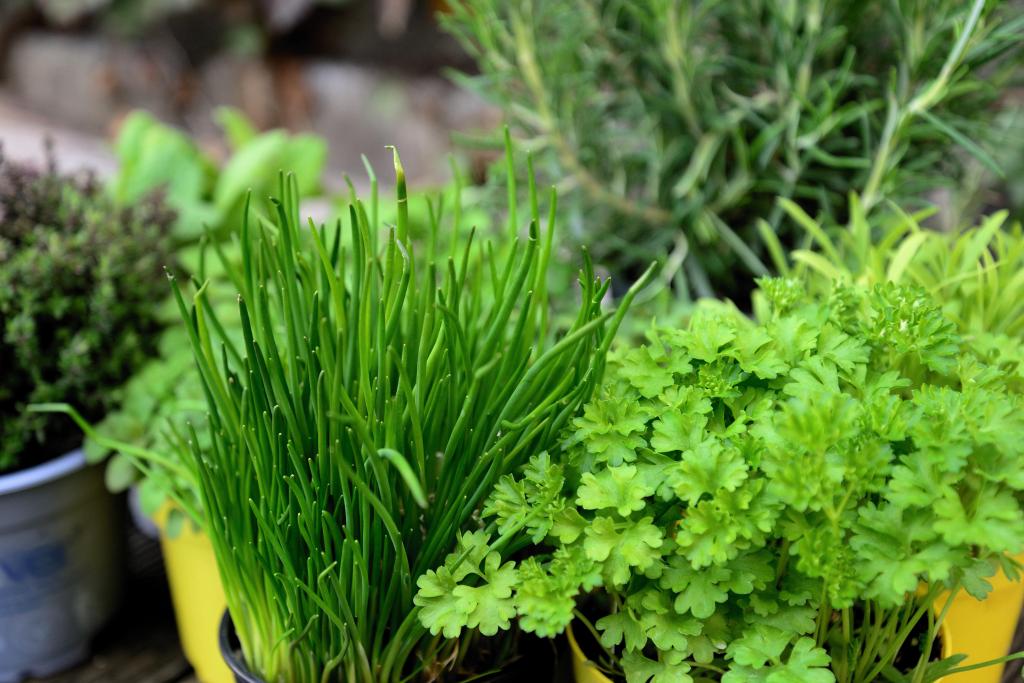
Propagation is growing your subjects. It is the moment you realize your garden can rise from itself, that every stem holds the blueprint of renewal. These herbs are not decoration; they are allies and boundaries, living symbols of rebellion in green form. Mint teaches persistence, basil rewards attention, rosemary guards memory, and sage whispers wisdom. Each root you coax into being is a story of resistance, proof that life continues through care and intention.
When you multiply your plants, you multiply your power. You turn fragility into lineage, scarcity into generosity, and dependence into autonomy. Every jar of water, every cracked teacup, every sprig that chooses to live is evidence that sovereignty can be grown by hand.
Rise with your garden. Let each root remind you that resilience is cultivated, not inherited. Multiply your strength and let your garden rise with you.
ur rage bloom. Let your sovereignty take root.
Chives: The Blade-Tongued Border Guard of the Rage Garden
Fennel: The Sharp-Souled Sentinel of the Rage Garden
Hyssop: A Tactical Herb for Purification, Protection, and Emotional Resilience
The Warrior’s Herb: Borage for Grit, Glory, and Growth
Yuletide: The Warrior’s Interlude
Herbs That Bite Back: Cultivating Chaos with Dill in the Rage Garden
Lemon Balm: The Soothing Sorcerer of the Rage Garden
Chamomile: The Soft-Fisted Saboteur of the Rage Garden
Oregano – The Sharp-Tongued Strategist of the Rage Garden
Lavender: The Soft-Spoken Assassin of the Rage Garden
How to Grow Mint Without Losing Your Garden: Tactical Tips to Tame the Chaotic Neutral Herb
Thyme to Rage: Tactical Herb Wisdom for the Resilient Garden
The Basil Offensive: Grow Hard, Harvest Smart, Preserve with Fury
Sage Against the Machine: Grow, Harvest, and Hex with Purpose
Rosemary Magic: Witchy Garden Wisdom for Resilient Herb Growing
Join the Rage Garden Inner Circle
Where the wise grow stronger, wealthier, and Smarter every season.
For just $10/month, you gain access to:
- Money‑saving homestead strategies that put thousands back in your pocket
- Time‑cutting systems that free up your days and sharpen your skills
- Seasonal guides, rituals, and plant allies you won’t find anywhere else
- Exclusive content crafted for people who refuse to shrink
- First access to new tools, printables, and resources
This is more than a newsletter; it’s power. A place to gather to rise, reclaim, and root deeper into their strength.
Every month you wait is knowledge, time, and money you don’t get back. Step into the circle now and grow wild
Discover more from Anything Agriculture
Subscribe to get the latest posts sent to your email.
