

Fennel doesn’t flinch. It doesn’t beg for space or whisper for approval. It claims its ground with a taproot like a spear and fronds that wave like battle flags. In the rage garden, where every plant earns its place through grit and purpose, fennel stands as a sentinel, solitary, sharp, and unapologetically strong. This isn’t a plant for the faint-hearted. It’s for the boundary-setters, the clarity-seekers, the ones who grow where others wilt.
How to Grow a Boundary Keeper
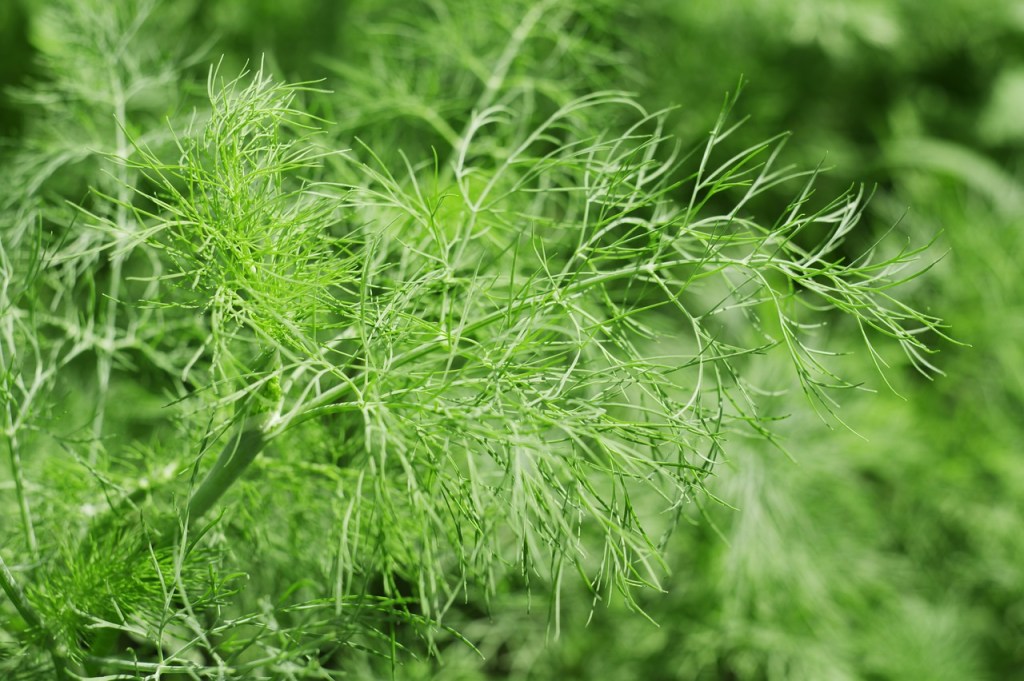
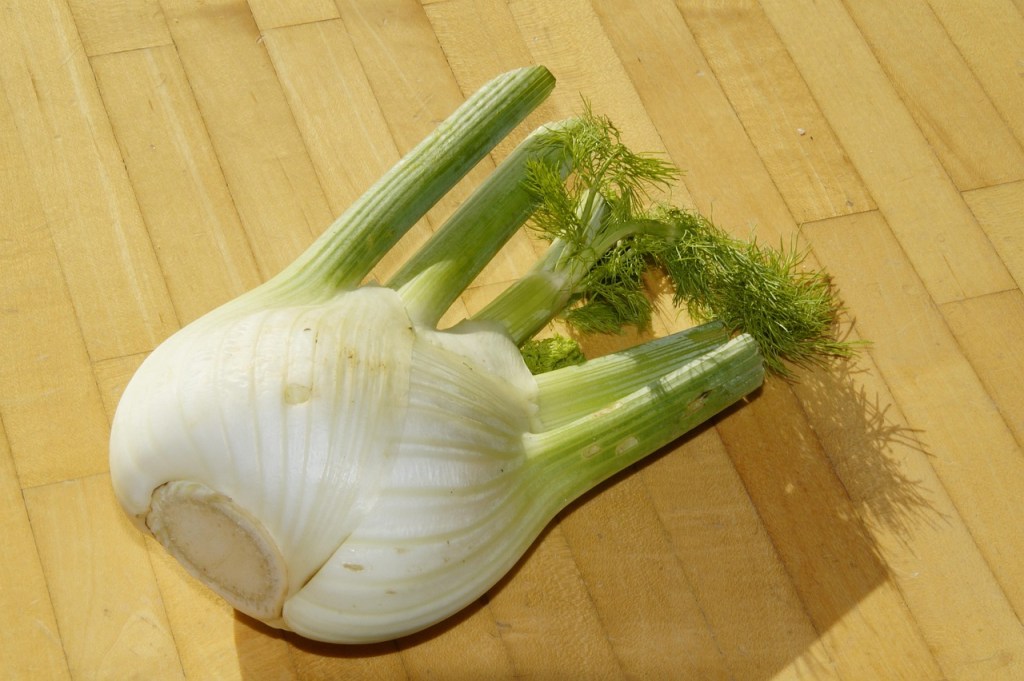
Fennel comes in two main forms: herb fennel (Foeniculum vulgare), grown for its feathery fronds and aromatic seeds, and Florence fennel (F. vulgare var. azoricum), cultivated for its swollen bulb. Both demand full sun and well-drained soil, and both despise being uprooted. Sow seeds directly into the soil in early spring; fennel doesn’t tolerate transplanting. It’s a plant that knows its place and refuses to be moved. Water moderately, stake if needed, and expect visits from swallowtail caterpillars. They’re not pests, their pilgrims drawn to fennel’s strength.
In the rage garden, the arrival of a Swallowtail caterpillar is more than a seasonal curiosity—it’s a declaration of strength. These discerning metamorphs feed only on power-packed herbs like fennel, dill, parsley, and Queen Anne’s lace, choosing plants rich in volatile oils that repel the weak and nourish the bold. Their presence signals that your garden is thriving, resilient, and aligned with nature’s deeper rhythms. As they devour with purpose and transform with precision, they remind us to curate our own growth just as fiercely—consuming only what fuels us, shedding what stunts us, and embracing the slow, intentional burn of becoming.
Companion planting? Forget it
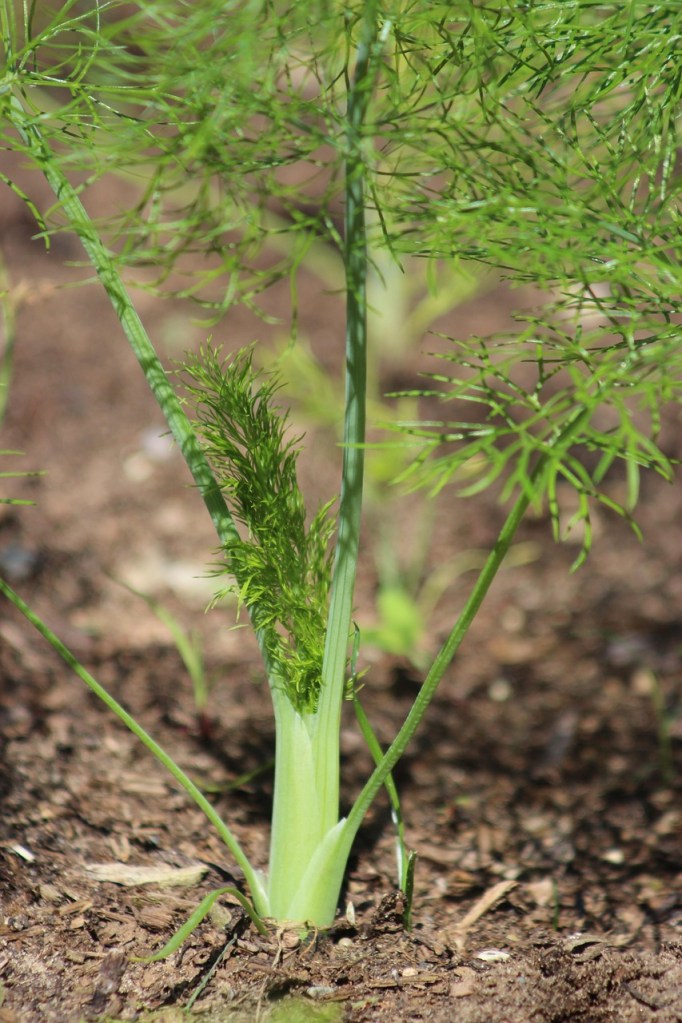
Fennel doesn’t play well with others, and that’s exactly why it belongs in your rage garden. This aromatic warrior releases allelopathic compounds, biochemical signals that seep into the soil and suppress the growth of nearby plants. These compounds can stunt roots, delay germination, cause premature bolting, or even kill sensitive crops like beans, tomatoes, cilantro, and peppers. It’s not being rude, it’s being ruthless.
This is not companion planting. This is perimeter control. Fennel’s allelopathy is a form of botanical boundary-setting. It creates a buffer zone, a no-grow zone, a line in the soil that says: “This space is mine.” In medieval gardens, fennel was planted near thresholds and gates—not just for its culinary and medicinal value, but for its ability to repel chaos. In your rage garden, it serves the same purpose: a living ward against overcrowding, nutrient theft, and emotional clutter.
Tactical Tips:
- Plant fennel at the edges of your garden beds or in isolated containers to weaponize its allelopathy without collateral damage.
- Avoid planting near carrots, dill, or parsley, which can cross-pollinate or suffer from fennel’s chemical dominance.
- Use fennel’s presence as a ritual marker, a reminder to set boundaries, hold space, and protect your emotional terrain.
Fennel doesn’t ask for company. It demands respect. In the rage garden, it’s not antisocial, it’s strategic, sovereign, and unapologetically strong.
Fennel as Fortification
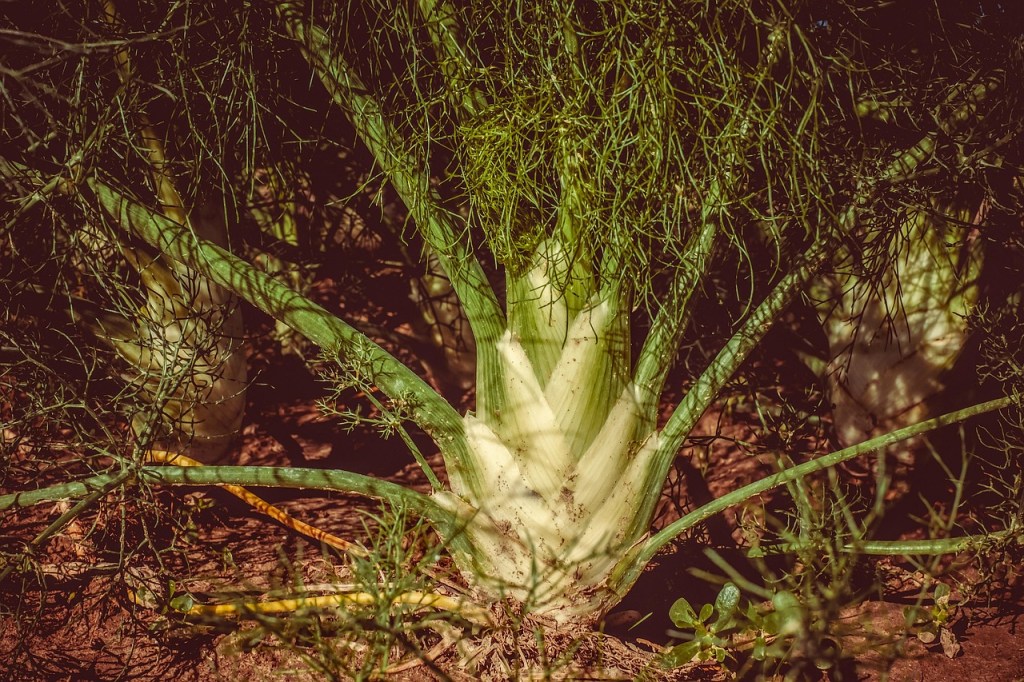
Fennel isn’t just a plant; it’s a fortification. Its allelopathic nature makes it a living wall, a chemical barricade against encroachment. That deep taproot anchors it like a pike in the soil, and its refusal to be transplanted is a lesson in sovereignty. Fennel teaches us to claim space, to grow fiercely in solitude, to set boundaries that hold.
Historically, fennel was hung over doorways to ward off evil spirits and witches. Roman warriors chewed it for stamina before battle. In medieval lore, it was a protective charm, a plant of power and resistance. In your rage garden, fennel becomes a living ward, a botanical bastion against chaos, weakness, and invasive energies.
Plant it at the four corners of your garden. Let it stand as your sentry. When the fronds dry, burn them with hyssop and rosemary to reinforce your emotional perimeter. Whisper your boundaries into the smoke. Let fennel hold them.
Fennel in the Fires of Resistance
Fennel’s history is steeped in grit. The Battle of Marathon was fought in a fennel field, rage garden roots run deep. In Roman lore, serpents rubbed against fennel to renew their vision after shedding skin. Fennel became a symbol of clarity through transformation. Puritans chewed fennel seeds to suppress hunger during fasting, a quiet endurance in the face of deprivation.
Even Shakespeare gave fennel a role in Hamlet, where it symbolized flattery. But in the rage garden, we reclaim that meaning. Fennel doesn’t flatter, it fortifies. It doesn’t bend, it roots. It doesn’t please, it protects
Timing the Strike: When to Harvest
Harvesting fennel is about timing and intention. For bulbs, wait until they reach tennis-ball size, usually late summer, before they toughen. Fronds can be snipped anytime once the plant is established. Seeds are ready when the flower heads dry and brown, typically in late season. Each part of the plant offers something different, and each harvest is a moment of clarity, a reclaiming of strength.

From Garden to Grit: Simple Uses
Fennel’s uses are as versatile as its spirit. Slice the bulb raw into slaw for a crisp, anise-kissed crunch. Roast it with olive oil and garlic to bring out its sweetness. Braise it with wine and herbs for a dish that tastes like defiance softened by grace. Fronds can be tossed into salads, soups, or dried for sachets. Seeds infuse into tea, grind into spice blends, or tuck into ritual bundles for clarity and protection. Fennel stems are naturally hollow, making them perfect for snipping into eco-friendly straw s, a crisp, aromatic twist for lemonade or iced tea. Fennel feeds the body and fortifies the soul.
Closing: Fennel Is Not Here to Please
Fennel doesn’t ask for approval. It doesn’t play nice. It holds the line. In your rage garden, it becomes more than a plant becomes a teacher, a protector, a symbol of clarity and defiance. Plant it with purpose. Harvest it with pride. Let it teach you how to grow sharp, stand tall, and never apologize for taking up space.
Meet Your Your rage garden isn’t complete with just one strategist. Explore the full lineup of resilient, rebellious herbs:
Hyssop: A Tactical Herb for Purification, Protection, and Emotional Resilience
The Warrior’s Herb: Borage for Grit, Glory, and Growth
Yuletide: The Warrior’s Interlude
Herbs That Bite Back: Cultivating Chaos with Dill in the Rage Garden
Lemon Balm: The Soothing Sorcerer of the Rage Garden
Chamomile: The Soft-Fisted Saboteur of the Rage Garden
Oregano – The Sharp-Tongued Strategist of the Rage Garden
Lavender: The Soft-Spoken Assassin of the Rage Garden
How to Grow Mint Without Losing Your Garden: Tactical Tips to Tame the Chaotic Neutral Herb
Thyme to Rage: Tactical Herb Wisdom for the Resilient Garden
The Basil Offensive: Grow Hard, Harvest Smart, Preserve with Fury
Sage Against the Machine: Grow, Harvest, and Hex with Purpose
Rosemary Magic: Witchy Garden Wisdom for Resilient Herb Growing
Join the Rage Garden Inner Circle
Where the wise grow stronger, wealthier, and Smarter every season.
For just $10/month, you gain access to:
- Money‑saving homestead strategies that put thousands back in your pocket
- Time‑cutting systems that free up your days and sharpen your skills
- Seasonal guides, rituals, and plant allies you won’t find anywhere else
- Exclusive content crafted for people who refuse to shrink
- First access to new tools, printables, and resources
This is more than a newsletter; it’s power. A place to gather to rise, reclaim, and root deeper into their strength.
Every month you wait is knowledge, time, and money you don’t get back. Step into the circle now and grow wild
All Rights Reserved
All Rights Reserved
Discover more from Anything Agriculture
Subscribe to get the latest posts sent to your email.

thanks for the information. I hadn’t known that fennel was allelopathic.
LikeLiked by 1 person