Rotational Grazing After the Last Cut: Fall Pasture Management for Year-Round Resilience
As the final hay bales roll in and the air turns crisp, fall marks a critical transition in your rotational grazing system. It’s not just about wrapping up the growing season—it’s about setting the stage for winter survival and spring revival. Whether you’re managing cattle, sheep, or goats, fall pasture planning is the linchpin of a successful year-round grazing strategy.
🍁 Why Fall Matters in Rotational Grazing
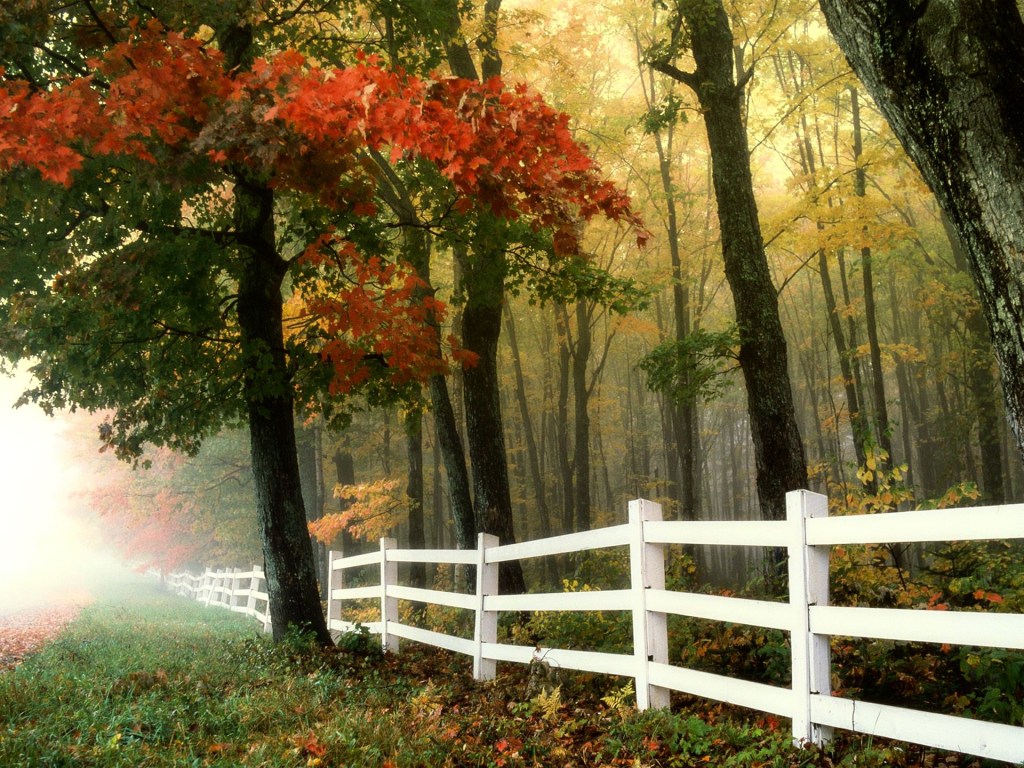
Fall rotational grazing isn’t a seasonal afterthought—it’s a strategic pivot. By adjusting stocking rates, planting cool-season forage, and protecting regrowth zones, you’re not just feeding livestock—you’re building soil health, reducing feed costs, and extending your grazing window.
Key benefits of fall rotational grazing:
- Extends forage availability into winter
- Reduces reliance on purchased feed
- Supports soil microbial activity and root development
- Prepares paddocks for spring regrowth
🗓 Fall Grazing Timeline: From Hay Harvest to Winter Prep
Here’s a month-by-month breakdown to keep your grazing system productive and resilient:
| Timeframe | Task | Notes |
| Late August–Early September | Final hay harvest | Prioritize dry-down and storage planning. Use yield data to estimate winter feed needs. |
| Mid–Late September | Soil testing & pasture assessment | Check nutrient levels, compaction, and forage density. Identify areas for reseeding. |
| Late September–October | Plant new pastures (cool-season species) | Ideal for fescue, ryegrass, clover. Use no-till drills to preserve soil structure. |
| October–November | Begin fall rotation | Graze mature paddocks first. Allow newly seeded areas to establish. |
| Late November | Transition to winter paddocks or sacrifice areas | Protect regrowth zones. Use stockpiled forage or hay. |
Year-Round Grazing: More Than Just Seasonal Planning
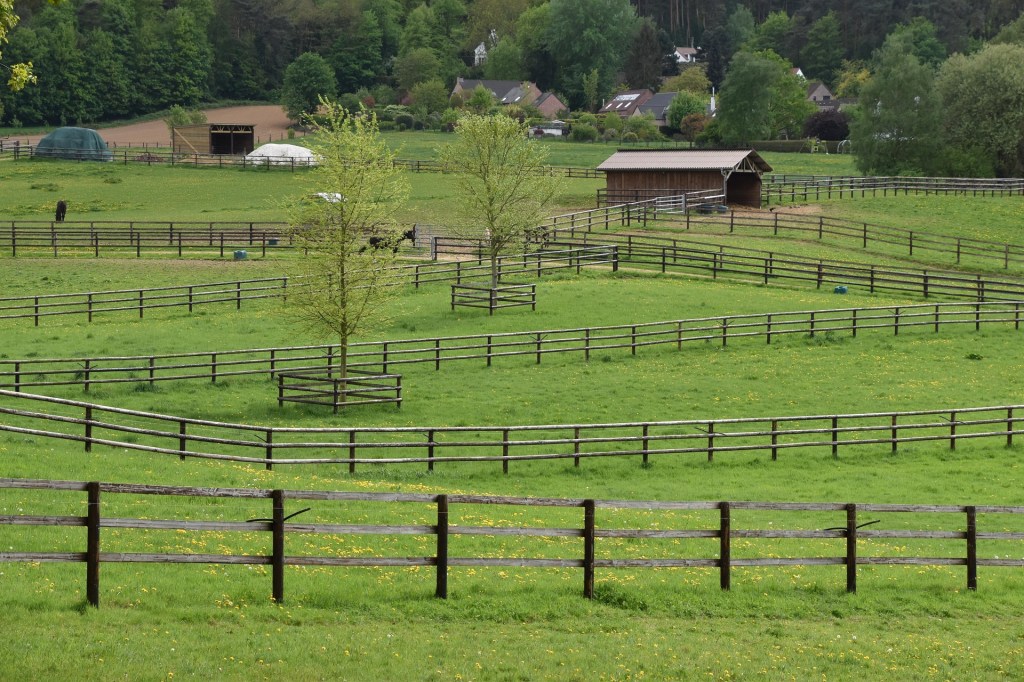
A truly resilient grazing system doesn’t pause in winter—it adapts. Year-round rotational grazing supports:
- Soil health: Continuous cover and root activity
- Livestock welfare: Reduced stress and parasite pressure
- Economic stability: Lower feed costs and better land use
- Educational impact: Teachable moments across seasons for youth and community workshops
🔧 Practical Tips for Fall Grazing Success
- Use portable fencing and water systems for flexible paddock shifts.
- Track grazing days per paddock to refine rotation timing.
- Integrate cover crops like turnips or radishes for late-season forage and soil aeration.
- Host hands-on demos to teach rotational grazing principles—great for STEM education and advocacy.
Fall is your chance to reinforce the foundation of your grazing system. With smart planning and seasonal awareness, you’ll not only feed your livestock—you’ll feed your soil, your community, and your mission.
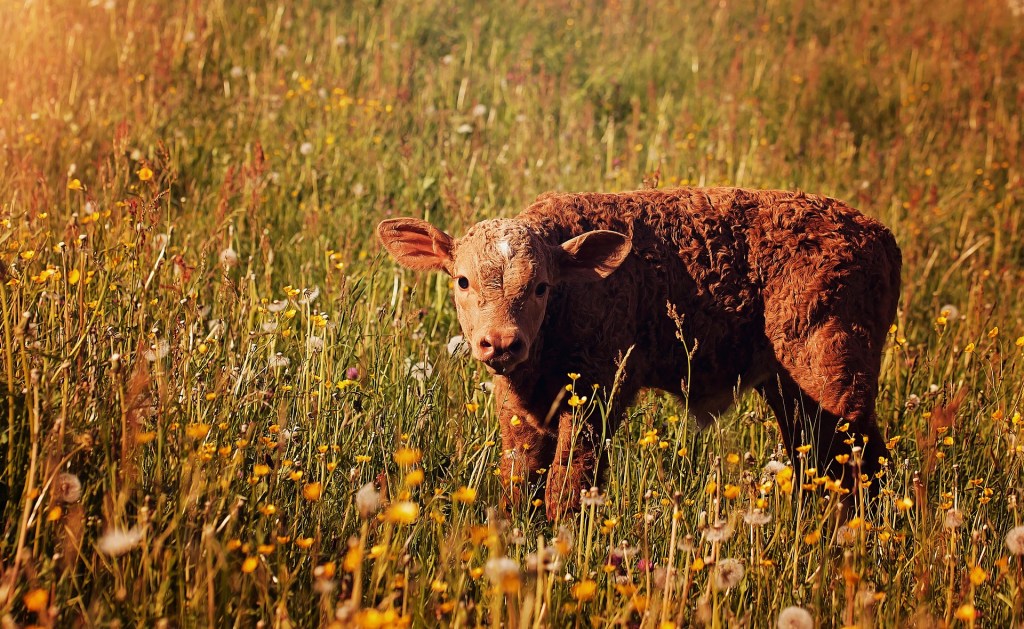
Importance of Year-Round System
- Soil Health Continuity: Rotational grazing mimics natural herd movement, reducing compaction and promoting microbial activity year-round.
- Forage Resilience: Seasonal rotation allows rest and regrowth, improving drought tolerance and nutrient cycling.
- Livestock Welfare: Predictable movement and fresh forage reduce stress, parasite loads, and supplement needs.
- Educational Value: A year-round system offers teachable moments across seasons—perfect for youth workshops and STEM integration.
Stocking Rates: Adjusting for Seasonal Forage
Stocking rates—the number of animals per acre—must shift with the seasons to avoid overgrazing and ensure pasture recovery.
Season | Typical Stocking Rate (AU/acre) | Notes |
| Spring | 1.5–2.5 AU/acre | Rapid forage growth allows higher density. Monitor for overgrazing. |
| Fall | 1.0–1.5 AU/acre | Forage slows; rotation must lengthen. Use hay buffer. |
| Winter | 0.5–1.0 AU/acre (or drylot) | Stockpiled forage or hay-fed. Use sacrifice areas to protect pasture. |
AU = Animal Unit (1,000 lb cow with calf)
Adjustments depend on species, pasture quality, and weather. Goats and sheep require tighter fencing and may graze differently than cattle.
Fall is a pivot point—stocking rates must reflect declining forage growth and prep for winter.
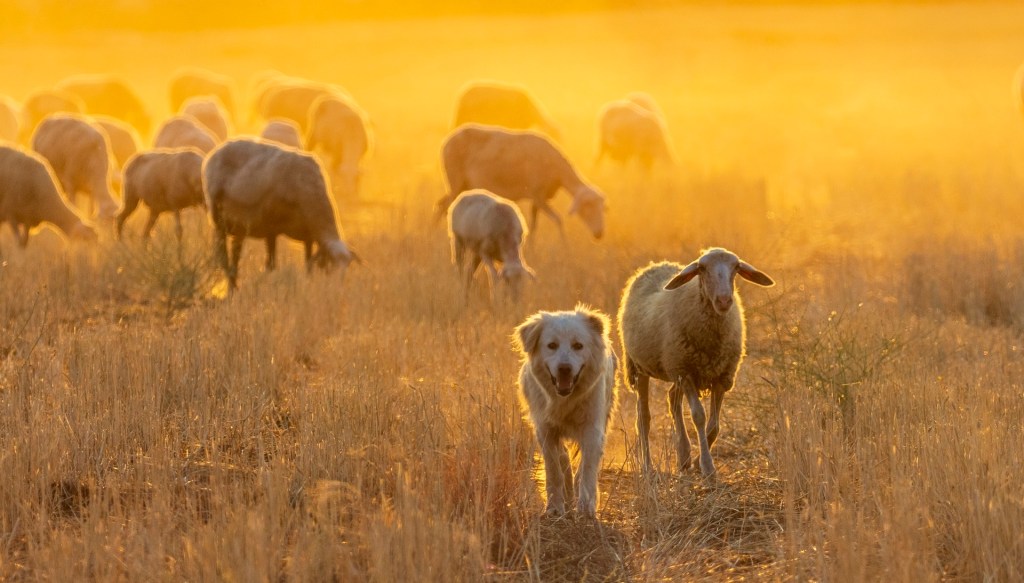
Bonus Tips for Implementation
- Use portable fencing and water systems to maintain flexibility.
- Track grazing days per paddock to refine rotation timing.
- Integrate cover crops like turnips or radishes for late-season forage and soil aeration.
- Consider mob grazing demos for youth—great visual impact and STEM tie-ins.
Final Thoughts: Fall Is the Season to Rethink, Rebuild, and Regrow
Rotational grazing isn’t just a summer strategy—it’s a year-round commitment to soil health, livestock vitality, and long-term sustainability. Fall offers a rare window to pause, assess, and make strategic changes before winter sets in. Whether it’s adjusting stocking rates, reseeding tired paddocks, or rethinking your rotation schedule, small shifts now can lead to major gains in spring.
If your pastures are underperforming, if your hay stores are stretched thin, or if your livestock are grazing harder than your land can handle—this is your moment. Don’t wait for spring to fix what fall can prepare.
Take a walk through your fields. Dig into your soil. Look at your grazing charts. Ask yourself: Is my system feeding my land as well as my livestock?
Because when your grazing plan works with the seasons—not against them—you’re not just raising animals. You’re raising resilience.
scribing, you’ll gain access to a wealth of valuable information that can save you thousands of dollars and hundreds of hours of time. Don’t miss out—sign up today and start benefiting from expert insights and exclusive content!
Don’t forget to check out Anything Agriculture on social media! Follow us on YouTube, Facebook, and Instagram, for more great content. Like and subscribe to stay connected!
Ready to take your homesteading journey to the next level? Book an appointment with me today! With decades of experience, I provide personalized advice to solve any homesteading challenge. Whether you’re a newbie or a seasoned homesteader, I offer expert guidance to make your homestead thrive. Don’t miss out—schedule a chat and unlock the full potential of your homestead with Anything Agriculture. Let’s turn your dreams into reality!


All Rights Reserved
Discover more from Anything Agriculture
Subscribe to get the latest posts sent to your email.
