
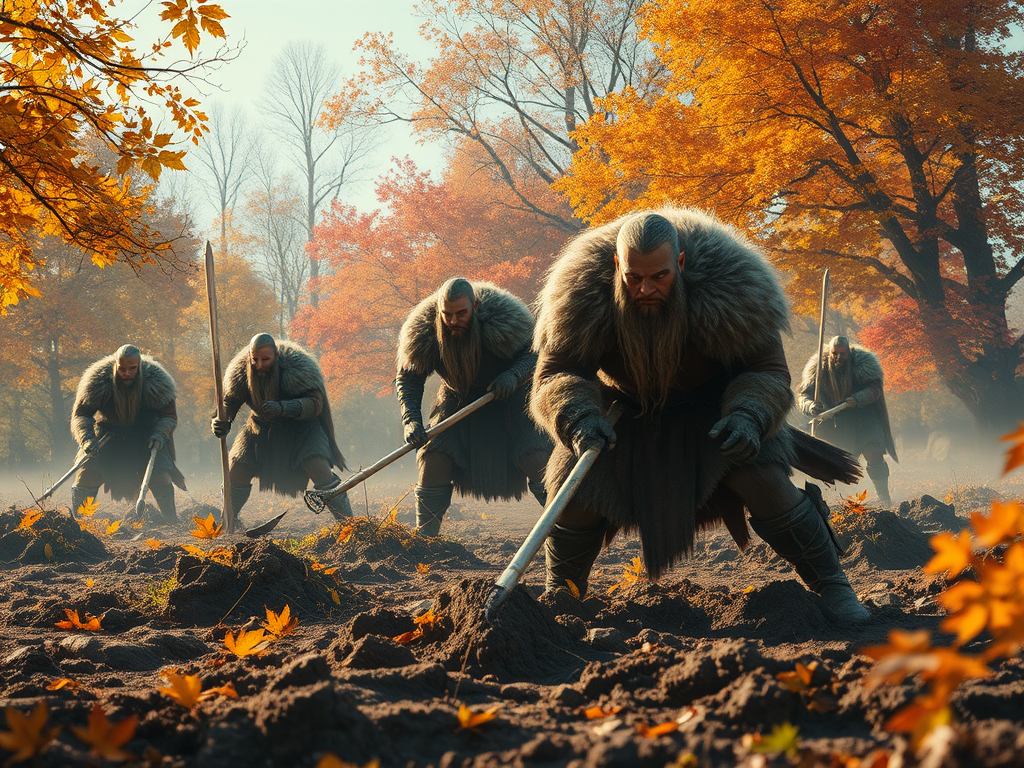
This article may have affiliate links A rage garden is not just planted—it is strategically deployed. Timing is everything, and knowing your frost-free dates is the difference between a thriving army of plants and a battlefield of casualties. A rage garden isn’t just about planting—it’s about timing your attack. If you plant too early, frostContinue reading “Rage Garden Battle Timing: Understanding Frost-Free Dates for Maximum Victory”
Tag Archives: Horticulture
The Great Homestead Meltdown (And Recovery!)

The Smith family had high hopes when they started their homestead. Fresh eggs, homegrown vegetables, peaceful country mornings—it all sounded idyllic. Fast forward five years, and idyllic had turned into “Why do the chickens keep escaping?” and “No, I will not wake up at 5 AM to milk a goat!” The Chaos Begins Mom (Sarah)Continue reading “The Great Homestead Meltdown (And Recovery!)”
Rage Garden Battlefield Soil
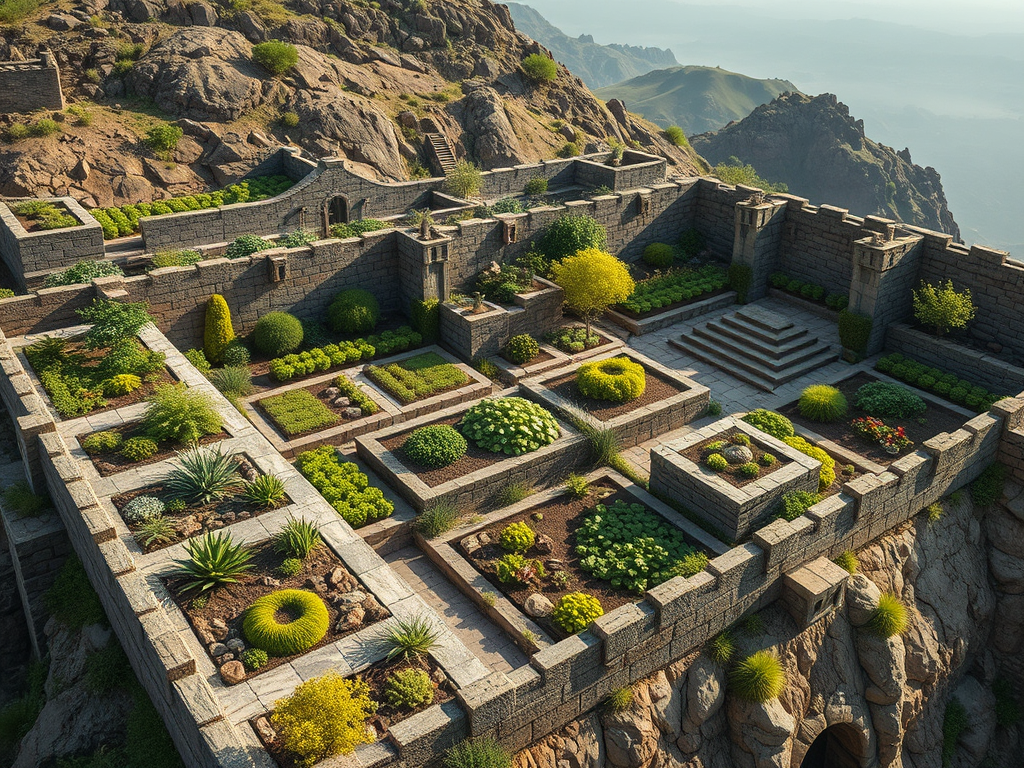
To cultivate a successful rage garden, understand that soil is a vital asset, not mere dirt. Conduct tactical soil testing to assess its health, ensure proper nutrient levels, and address deficiencies. Strengthen your soil with organic matter, pH balance, and necessary amendments to create a solid foundation for thriving plants and ultimately secure victory.
Rage Gardening: Building your Warrior’s Journey.

Your rage garden is a force to be reckoned with—a rebellion against fragility, a testament to persistence, and a glorious battlefield of roots and resilience. Let’s craft something that reflects that raw energy while giving new gardeners the tools to wield their own defiant greenery. Cultivating Fury Not all gardens whisper in the breeze. SomeContinue reading “Rage Gardening: Building your Warrior’s Journey.”
Understanding Holistic Farming and Integrated Pest Management
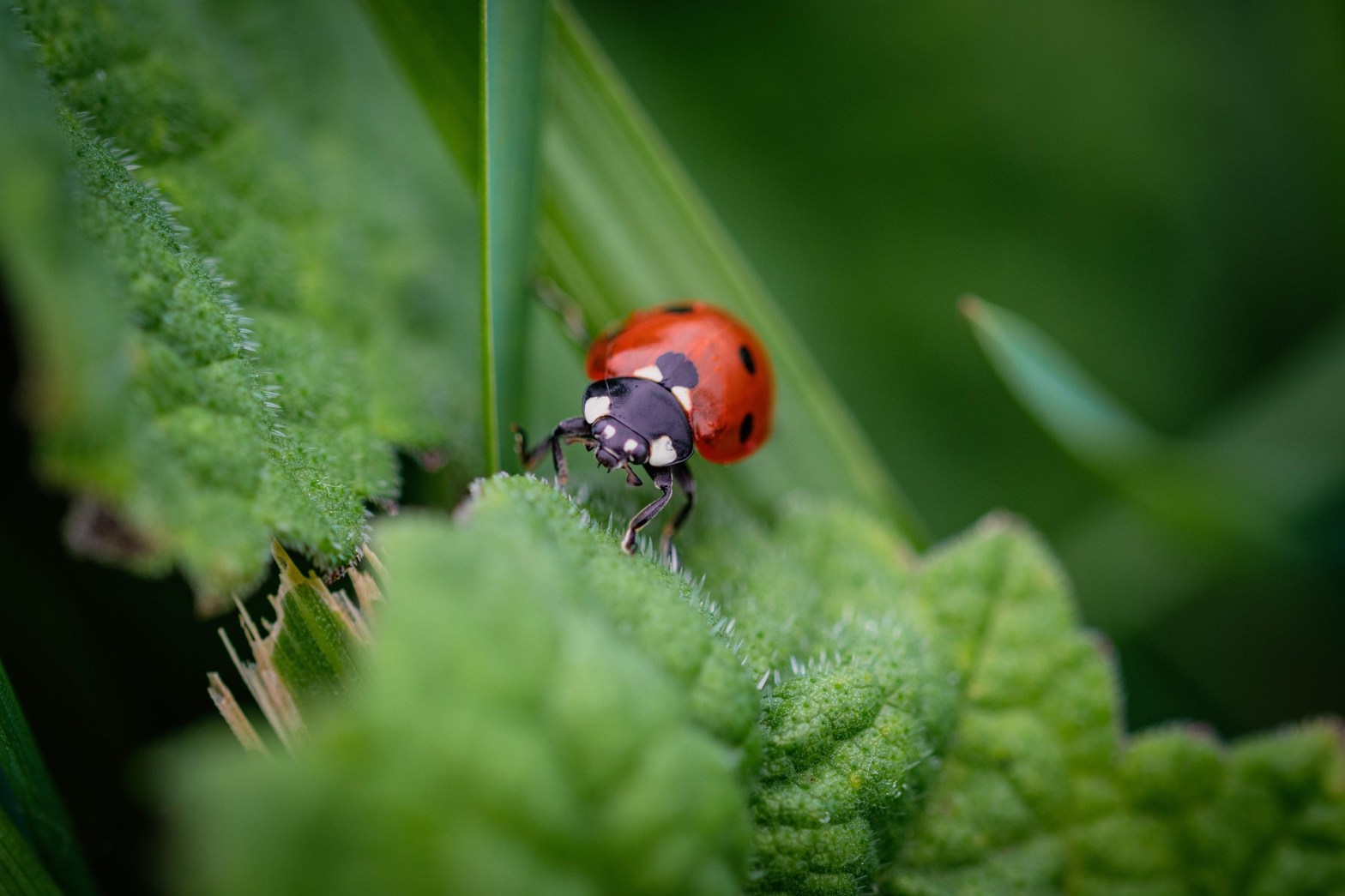
Integrated Pest Management (IPM) promotes sustainable farming by reducing chemical use, enhancing biodiversity, preserving soil and water quality, and improving crop resilience. It employs prevention, monitoring, and targeted control methods, fostering healthier ecosystems while supporting economic viability for farmers. IPM aligns agricultural practices with ecological principles for long-term sustainability.
Holy Moly! Mole Management: Effective Strategies and Ecological Benefits
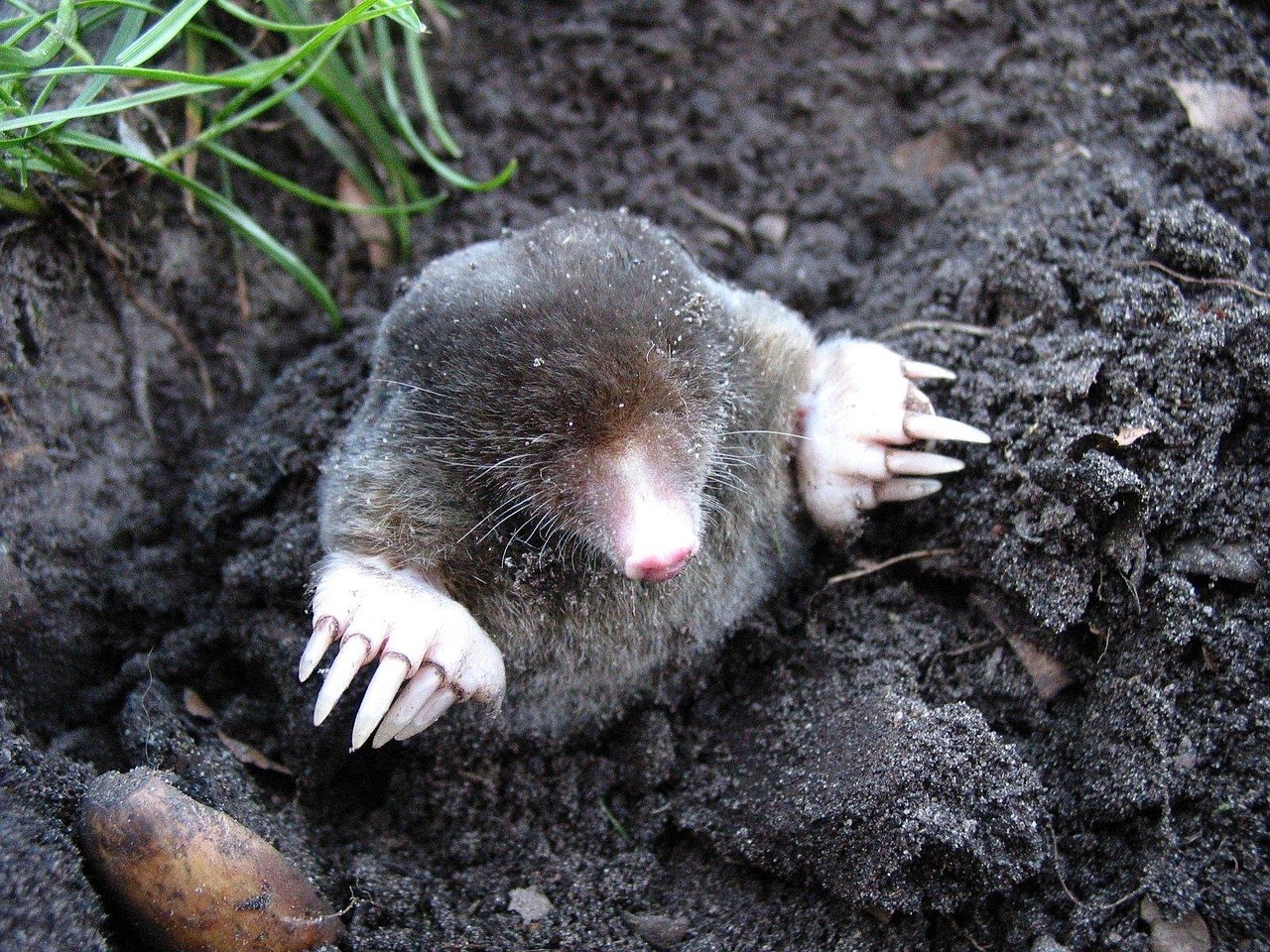
Moles, common in Indiana, can damage lawns but provide ecological benefits like soil aeration and pest control. They are insectivores with unique adaptations for burrowing. Effective mole control relies on trapping, while ineffective methods include pesticides and home remedies. Understanding moles’ role can help balance management with their ecological importance.
Property for Sale! Finding Your Ideal Homestead Property

Embarking on a homesteading journey requires careful property selection, focusing on factors such as soil quality, water sources, zoning regulations, and local amenities to ensure sustainability and self-reliance. Assessing the unique characteristics and challenges of potential properties, along with thorough research and planning, fosters informed decision-making for achieving long-term homesteading goals.
Essential Greenhouse Tips for Successful Gardening
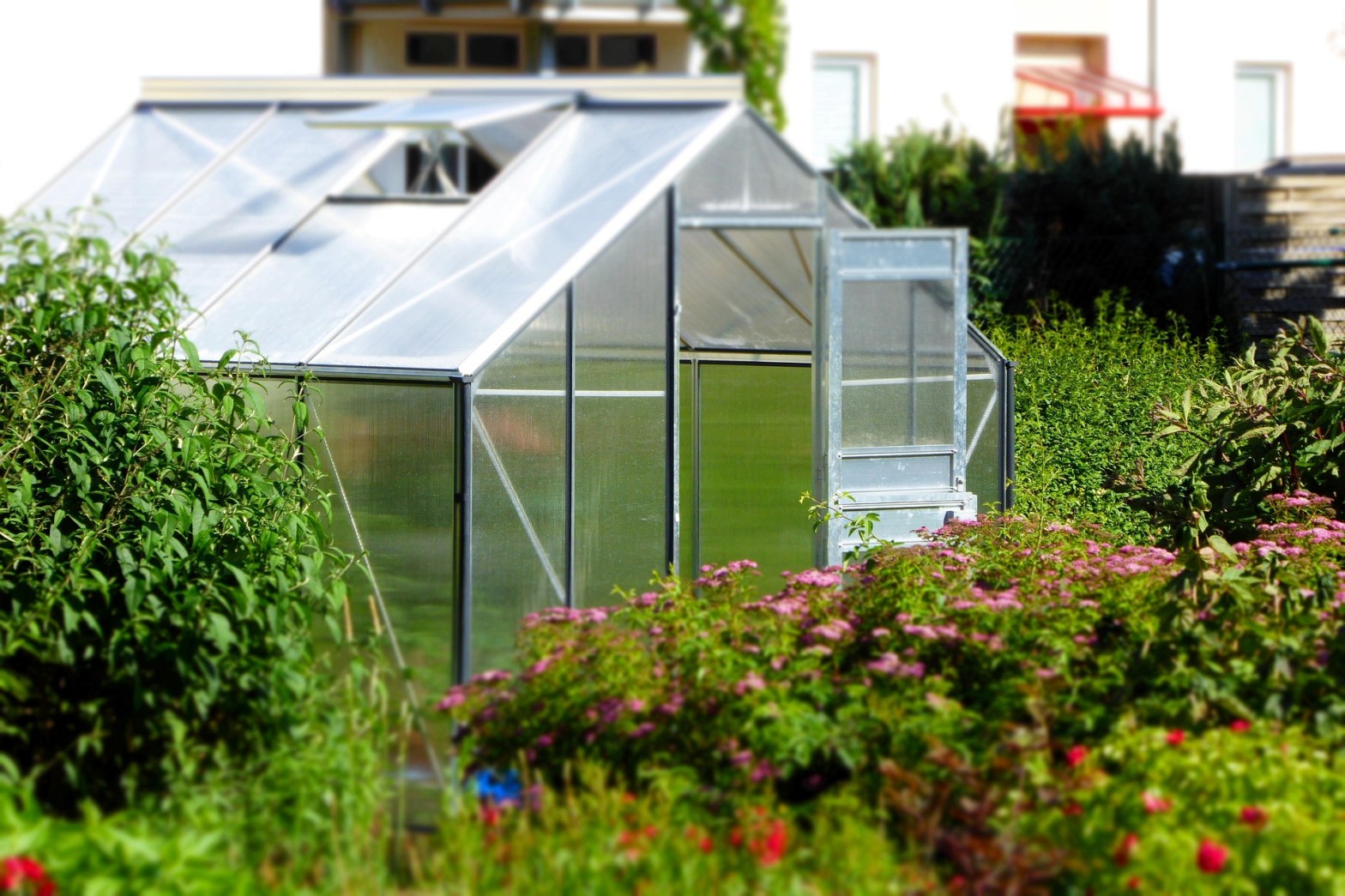
Home greenhouses and cold frames are essential for extending growing seasons and protecting plants. They require careful consideration of purpose, location, and practical factors like heating, ventilation, and budget. Effective pest management and planning for future growth are critical. Beginners should start small and expand with experience for successful gardening.
Top Trends for Small Farm Homesteads for Sustainable Living
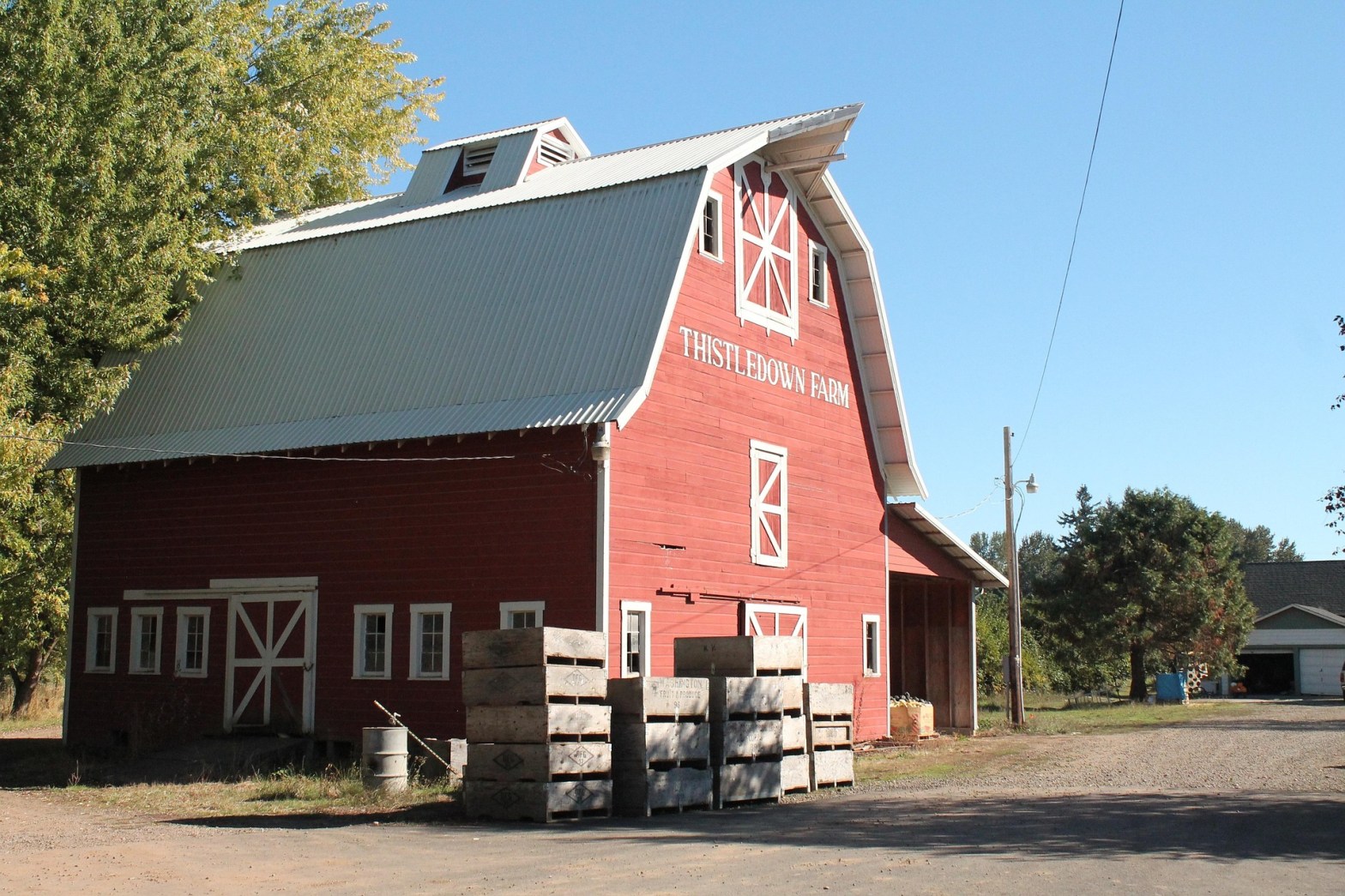
The rise of small-scale farming and homesteading reflects a growing quest for sustainability, self-sufficiency, and community connection. Trends include eco-friendly practices, urban homesteading, permaculture, alternative proteins, and reliance on renewable energy. These approaches optimize resource use, enhance economic viability, and promote food security while preserving rural heritage and animal welfare.
March Homesteading Tips for Spring Success
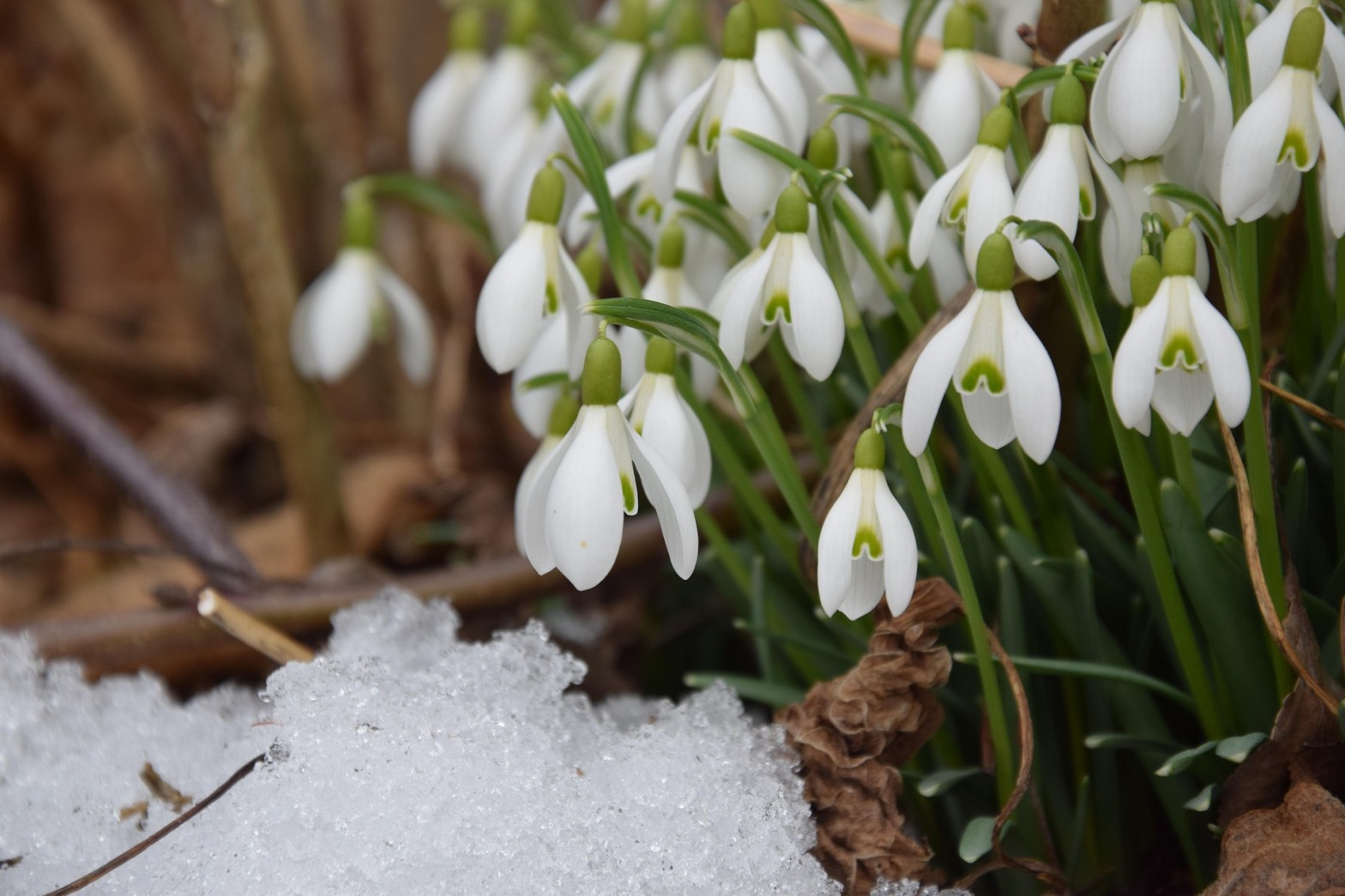
March on the homestead marks the transition to spring, prompting essential tasks like preparing garden beds, caring for livestock, and monitoring weather conditions. The newsletter introduces a new online homesteading class for subscribers, emphasizing the importance of staying organized while managing spring activities and encouraging community engagement in the homesteading journey.
