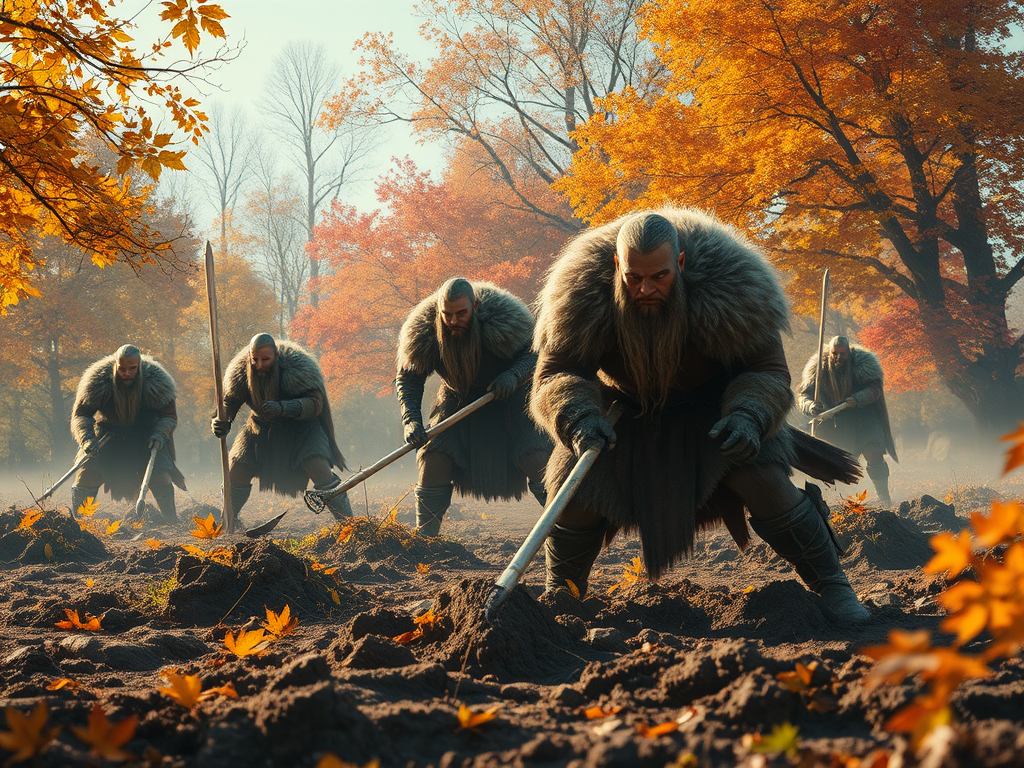
This article may have affiliate links A rage garden is not just planted—it is strategically deployed. Timing is everything, and knowing your frost-free dates is the difference between a thriving army of plants and a battlefield of casualties. A rage garden isn’t just about planting—it’s about timing your attack. If you plant too early, frostContinue reading “Rage Garden Battle Timing: Understanding Frost-Free Dates for Maximum Victory”
Tag Archives: Gardening
Rage Garden Battlefield Soil
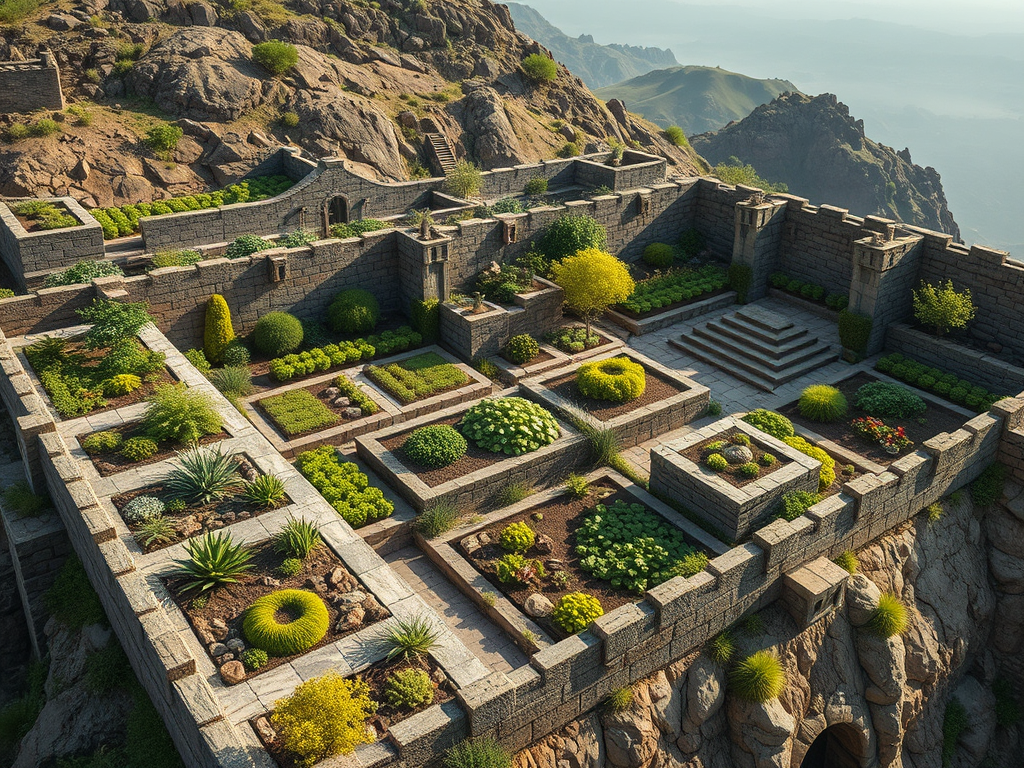
To cultivate a successful rage garden, understand that soil is a vital asset, not mere dirt. Conduct tactical soil testing to assess its health, ensure proper nutrient levels, and address deficiencies. Strengthen your soil with organic matter, pH balance, and necessary amendments to create a solid foundation for thriving plants and ultimately secure victory.
Homestead Harald April
Homestead Harald Newsletter – Your Guide to Simple, Joyful Homesteading! 🏡
Save time, cut costs, and make homesteading more rewarding! Get expert tips on DIY projects, backyard farming, sustainable living, and more. COMING SOON: A FREE guide to growing the best tomatoes on the block!
📩 Subscribe now & start thriving
Understanding Holistic Farming and Integrated Pest Management
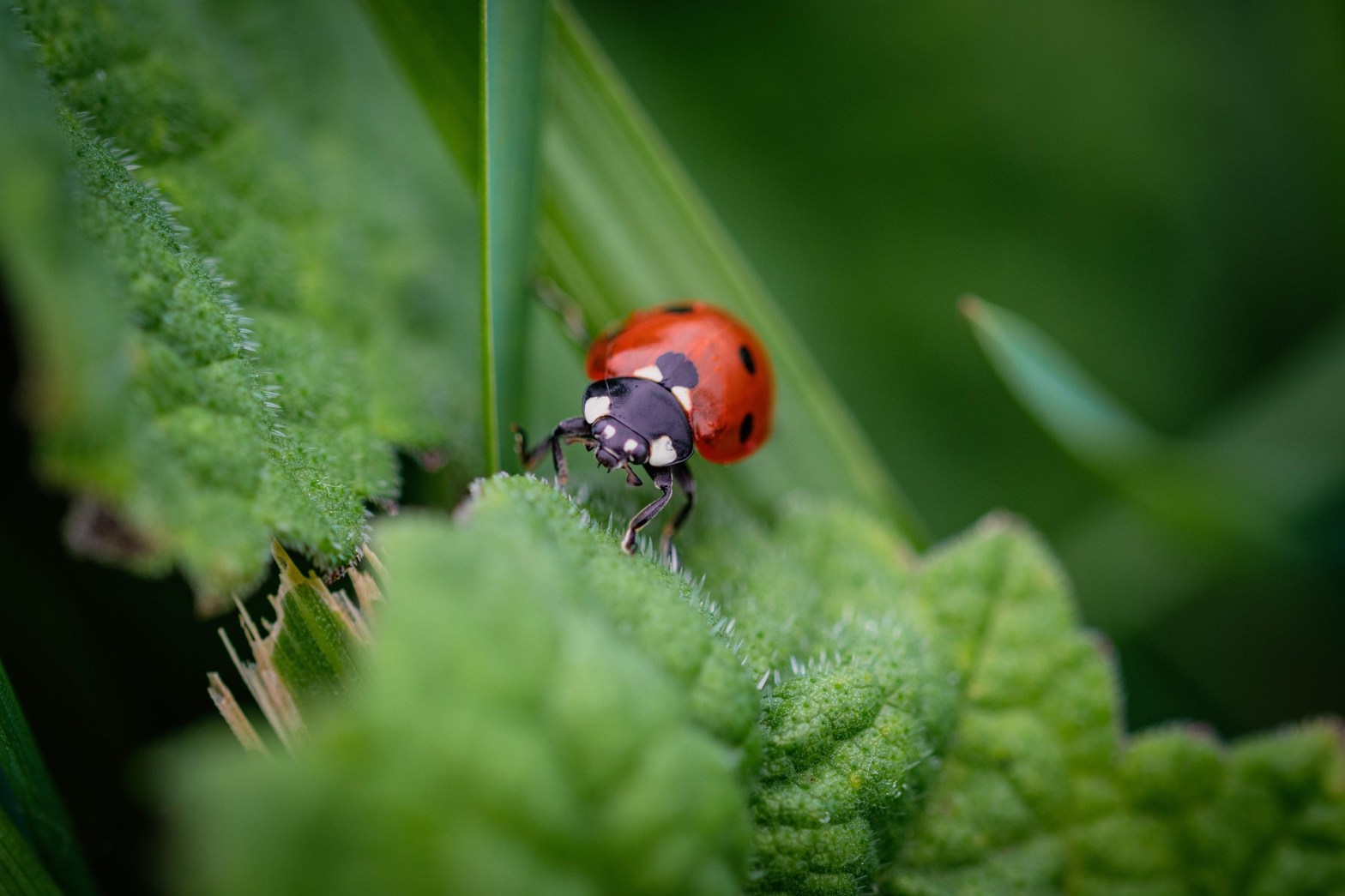
Integrated Pest Management (IPM) promotes sustainable farming by reducing chemical use, enhancing biodiversity, preserving soil and water quality, and improving crop resilience. It employs prevention, monitoring, and targeted control methods, fostering healthier ecosystems while supporting economic viability for farmers. IPM aligns agricultural practices with ecological principles for long-term sustainability.
Holy Moly! Mole Management: Effective Strategies and Ecological Benefits
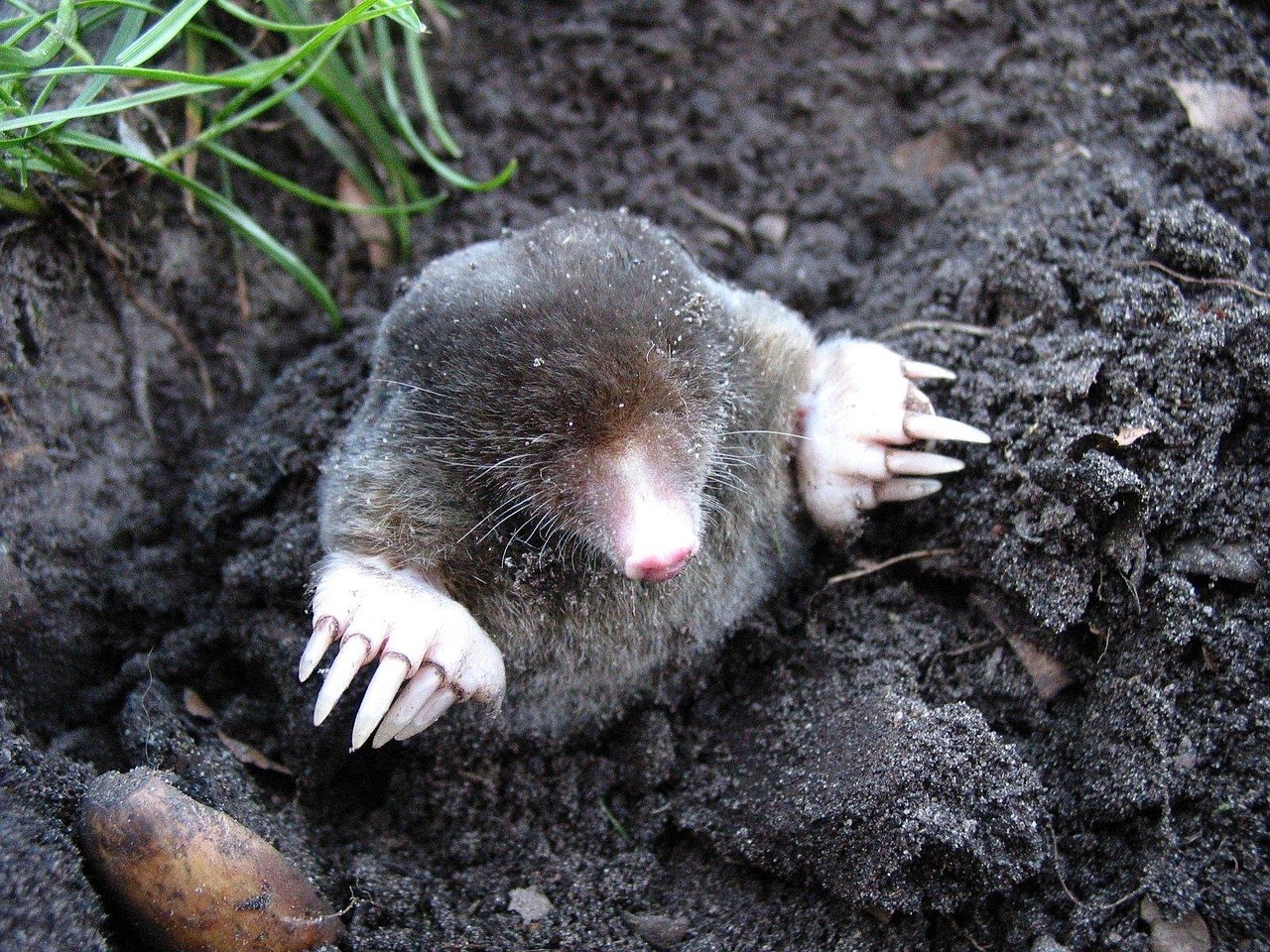
Moles, common in Indiana, can damage lawns but provide ecological benefits like soil aeration and pest control. They are insectivores with unique adaptations for burrowing. Effective mole control relies on trapping, while ineffective methods include pesticides and home remedies. Understanding moles’ role can help balance management with their ecological importance.
Essential Greenhouse Tips for Successful Gardening
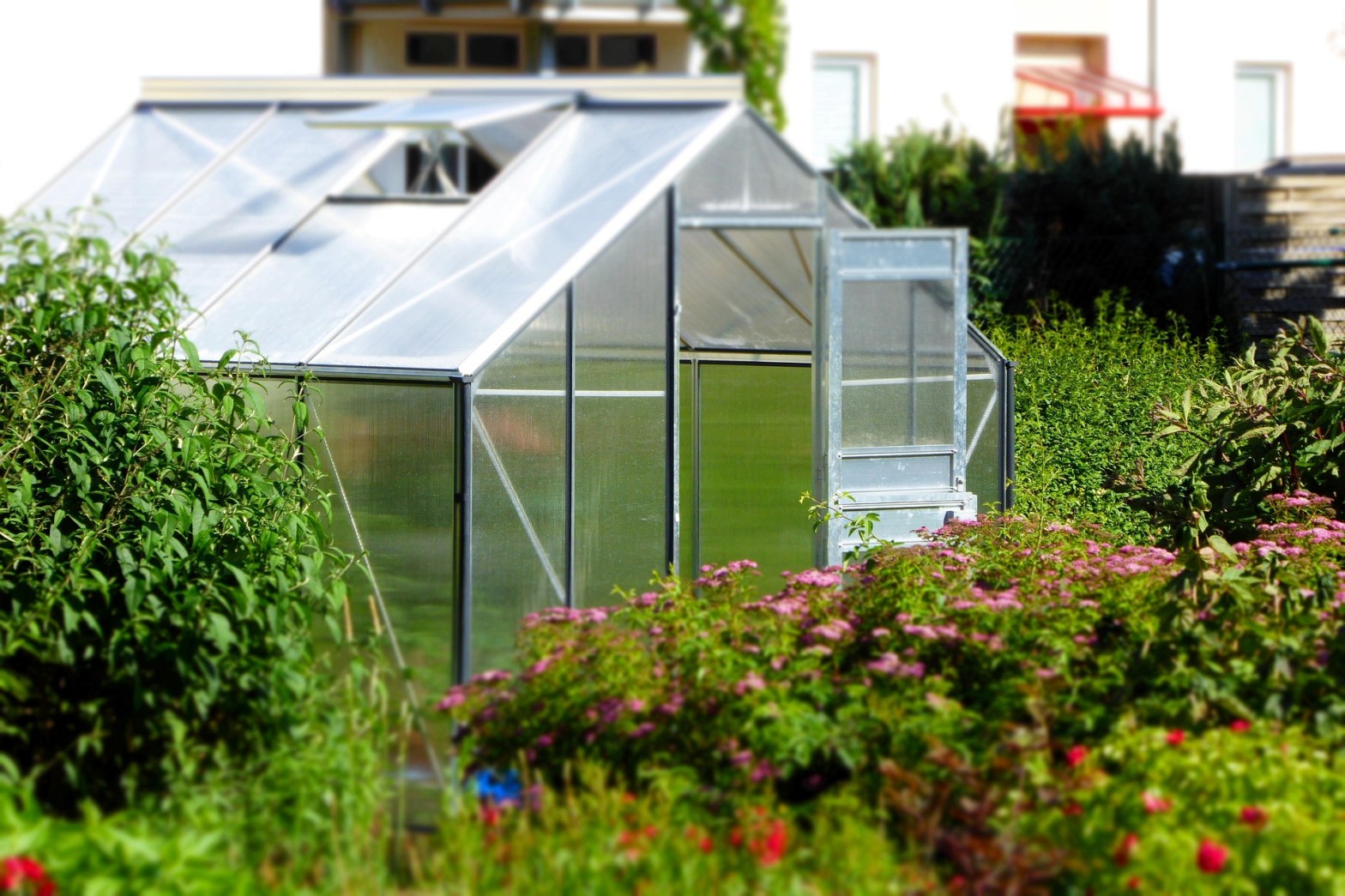
Home greenhouses and cold frames are essential for extending growing seasons and protecting plants. They require careful consideration of purpose, location, and practical factors like heating, ventilation, and budget. Effective pest management and planning for future growth are critical. Beginners should start small and expand with experience for successful gardening.
Forage Species for your rotational grazing operations Part 2
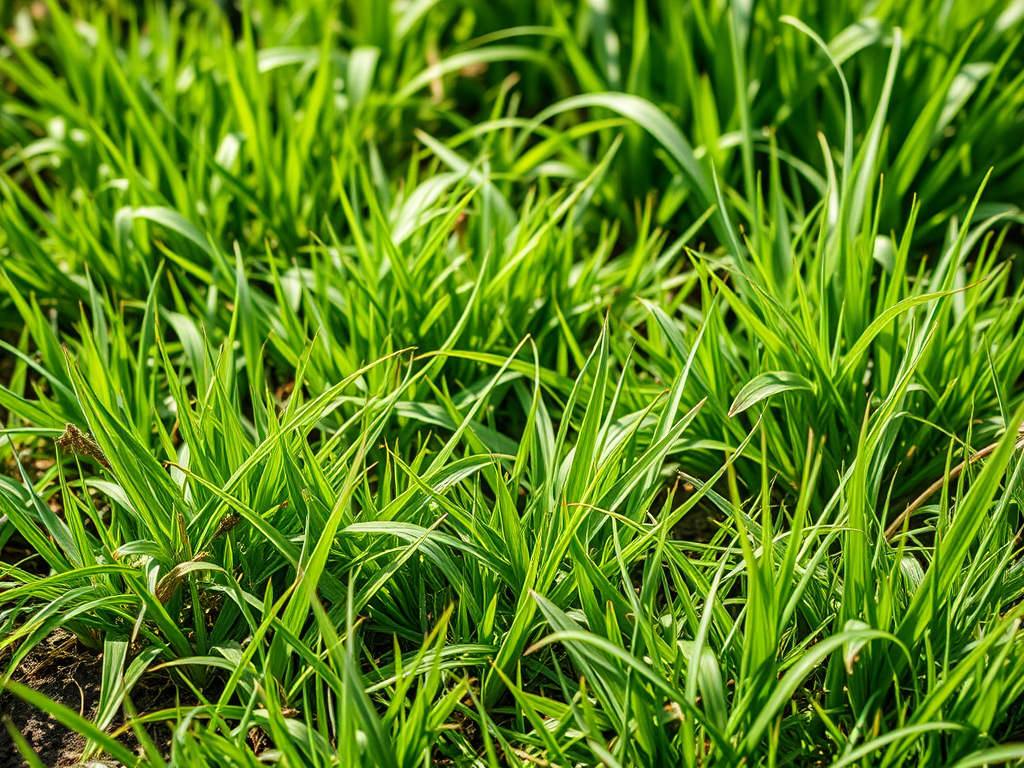
The content discusses common forages in the Midwest, emphasizing their qualities, yields, and soil adaptability. Key species include Kentucky Bluegrass, Orchardgrass, Reed Canary Grass, and various legumes such as Alfalfa. The overview highlights their benefits for rotational grazing and the importance of informed choices for effective pasture management.
Top Trends for Small Farm Homesteads for Sustainable Living
The rise of small-scale farming and homesteading reflects a growing quest for sustainability, self-sufficiency, and community connection. Trends include eco-friendly practices, urban homesteading, permaculture, alternative proteins, and reliance on renewable energy. These approaches optimize resource use, enhance economic viability, and promote food security while preserving rural heritage and animal welfare.
Water Challenges

Farm water sources include wells, natural springs, surface water, rainwater, and municipal supplies. Ensuring water quality through regular testing is essential due to factors like contaminants. Winter poses challenges for water accessibility. Understanding each source’s advantages and drawbacks is crucial for maintaining animal hydration and overall farm health.
February Newsletter
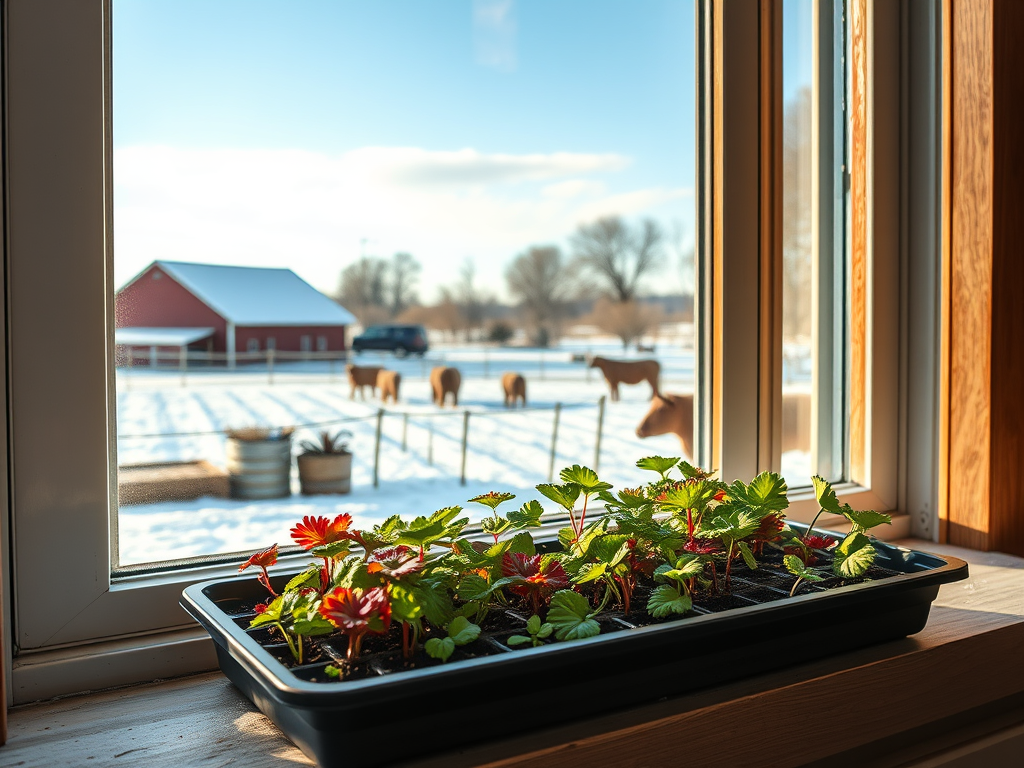
February’s newsletter emphasizes preparing for spring amid winter’s harshness. Key activities include starting seeds indoors, inspecting livestock and compost, and planning projects. Care for houseplants and animals is vital, especially with colder temperatures. Community engagement, disaster preparedness, and inspiration from other farms or botanical gardens are encouraged. Stay warm and connected.
