

In the garden battlefield, Ann carefully plants her crops like warriors, forming strategic alliances for mutual defense and growth. Companion planting enhances soil health, controls pests, and improves yield. However, certain combinations can be detrimental. Ultimately, this collaborative ecosystem thrives, leading to a bountiful harvest and a victorious garden.
Tag Archives: garden
The Well-Placed Rage Garden: Companion Planting Your Allies

In the garden battlefield, Ann carefully plants her crops like warriors, forming strategic alliances for mutual defense and growth. Companion planting enhances soil health, controls pests, and improves yield. However, certain combinations can be detrimental. Ultimately, this collaborative ecosystem thrives, leading to a bountiful harvest and a victorious garden.
Transform Your Homestead: Embrace Technology for Sustainable Living
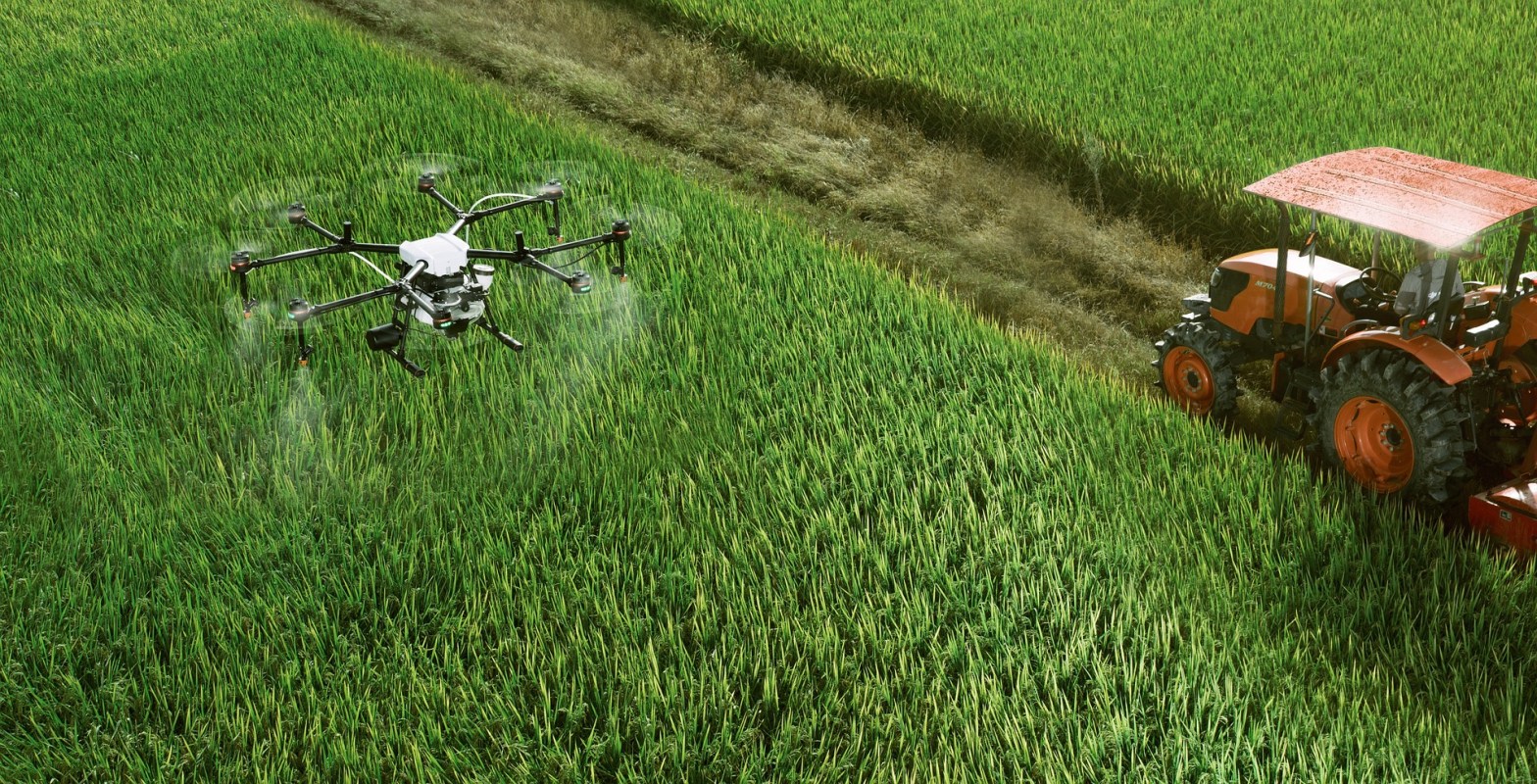
The post discusses the challenges and misconceptions of homesteading and sustainability, emphasizing it as a long-term commitment requiring creativity and patience. It highlights sustainable practices like soil health assessment, crop rotation, and precision agriculture, advocating for integrating technology with traditional methods to enhance productivity while protecting the environment.
Rage Gardening: Harnessing Lunar Cycles for Thriving Plants

Rage Planting by the moon Rage gardening is all about channeling emotions into action, using intense energy to dig, plant, prune, and cultivate with purpose. When combined with moon phase gardening, it becomes a battle-ready approach to working out frustration while creating something beautiful. For thousands of years, civilizations have waged war against nature, harnessingContinue reading “Rage Gardening: Harnessing Lunar Cycles for Thriving Plants”
Rage Garden Battlefield Soil
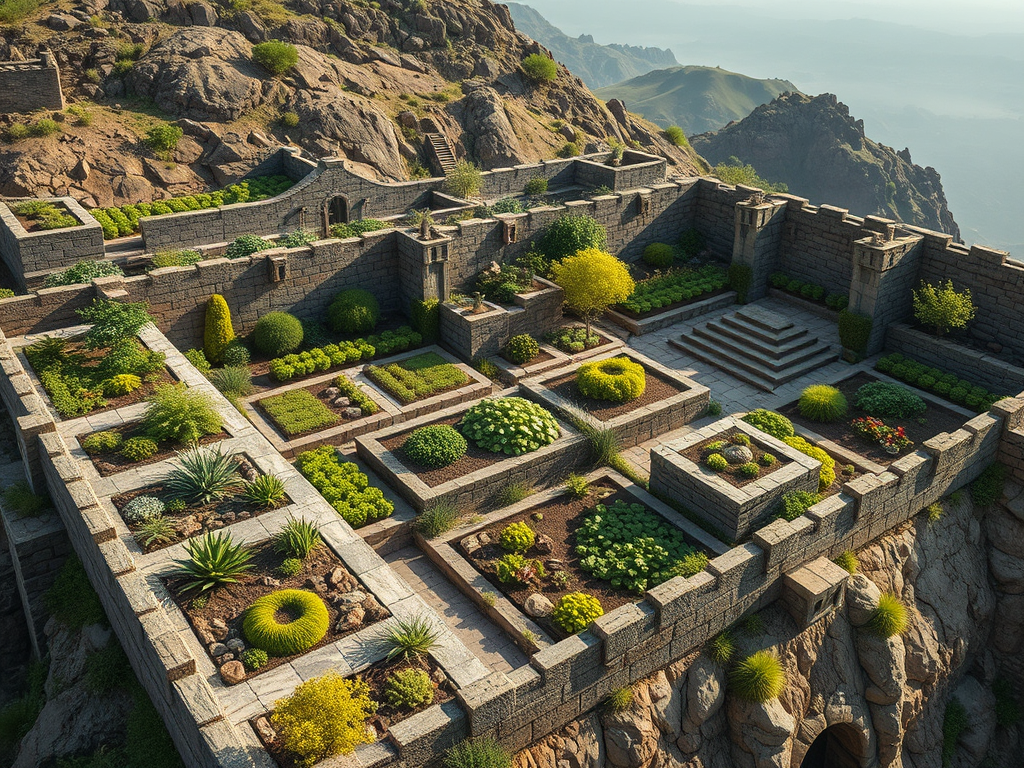
To cultivate a successful rage garden, understand that soil is a vital asset, not mere dirt. Conduct tactical soil testing to assess its health, ensure proper nutrient levels, and address deficiencies. Strengthen your soil with organic matter, pH balance, and necessary amendments to create a solid foundation for thriving plants and ultimately secure victory.
Rage Gardening: Building your Warrior’s Journey.

Your rage garden is a force to be reckoned with—a rebellion against fragility, a testament to persistence, and a glorious battlefield of roots and resilience. Let’s craft something that reflects that raw energy while giving new gardeners the tools to wield their own defiant greenery. Cultivating Fury Not all gardens whisper in the breeze. SomeContinue reading “Rage Gardening: Building your Warrior’s Journey.”
Homestead Harald April
Homestead Harald Newsletter – Your Guide to Simple, Joyful Homesteading! 🏡
Save time, cut costs, and make homesteading more rewarding! Get expert tips on DIY projects, backyard farming, sustainable living, and more. COMING SOON: A FREE guide to growing the best tomatoes on the block!
📩 Subscribe now & start thriving
Understanding Holistic Farming and Integrated Pest Management
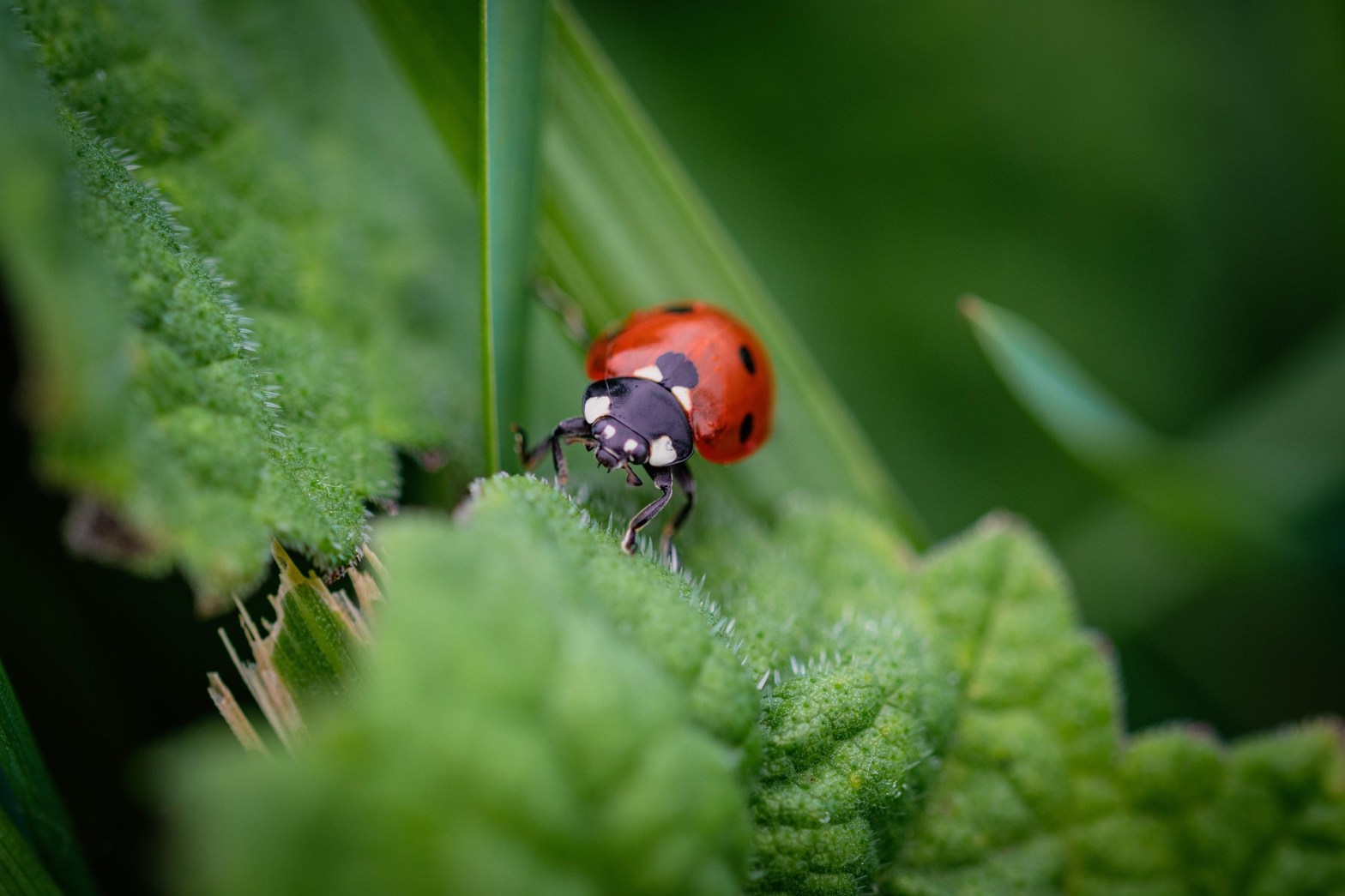
Integrated Pest Management (IPM) promotes sustainable farming by reducing chemical use, enhancing biodiversity, preserving soil and water quality, and improving crop resilience. It employs prevention, monitoring, and targeted control methods, fostering healthier ecosystems while supporting economic viability for farmers. IPM aligns agricultural practices with ecological principles for long-term sustainability.
Essential Greenhouse Tips for Successful Gardening
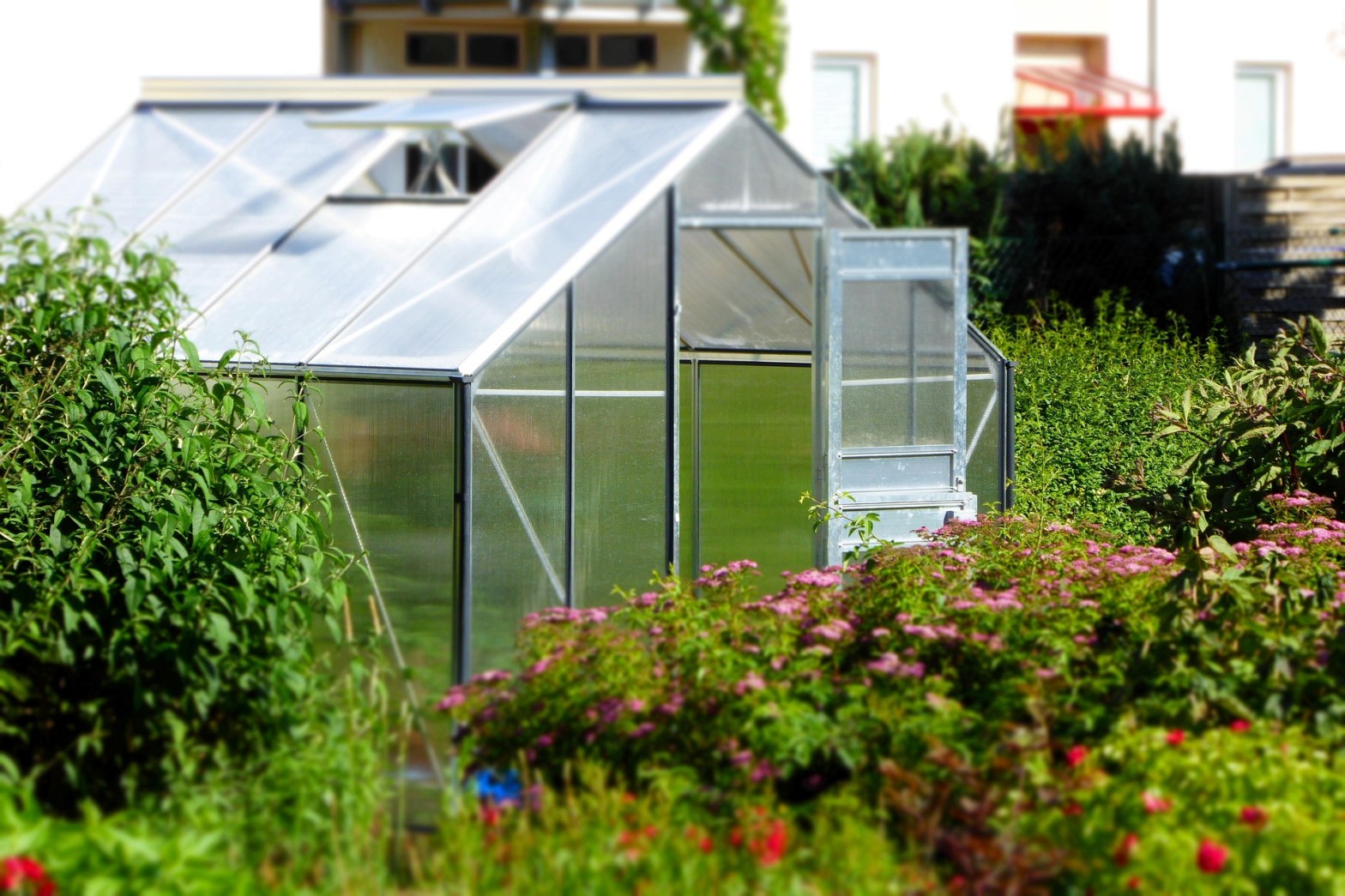
Home greenhouses and cold frames are essential for extending growing seasons and protecting plants. They require careful consideration of purpose, location, and practical factors like heating, ventilation, and budget. Effective pest management and planning for future growth are critical. Beginners should start small and expand with experience for successful gardening.
Top Trends for Small Farm Homesteads for Sustainable Living
The rise of small-scale farming and homesteading reflects a growing quest for sustainability, self-sufficiency, and community connection. Trends include eco-friendly practices, urban homesteading, permaculture, alternative proteins, and reliance on renewable energy. These approaches optimize resource use, enhance economic viability, and promote food security while preserving rural heritage and animal welfare.
