
In the garden battlefield, Ann carefully plants her crops like warriors, forming strategic alliances for mutual defense and growth. Companion planting enhances soil health, controls pests, and improves yield. However, certain combinations can be detrimental. Ultimately, this collaborative ecosystem thrives, leading to a bountiful harvest and a victorious garden.
Tag Archives: farming
Good Fences Make Good Neighbors

Fencing is essential in grazing systems for containing livestock and fostering neighbor relations. Key types include external fencing, which must be strong and compliant with local laws, and internal fencing for paddock management. Good practices, like clear communication and maintenance, enhance neighbor relations, promote goodwill, and prevent disputes.
Transform Your Homestead: Embrace Technology for Sustainable Living
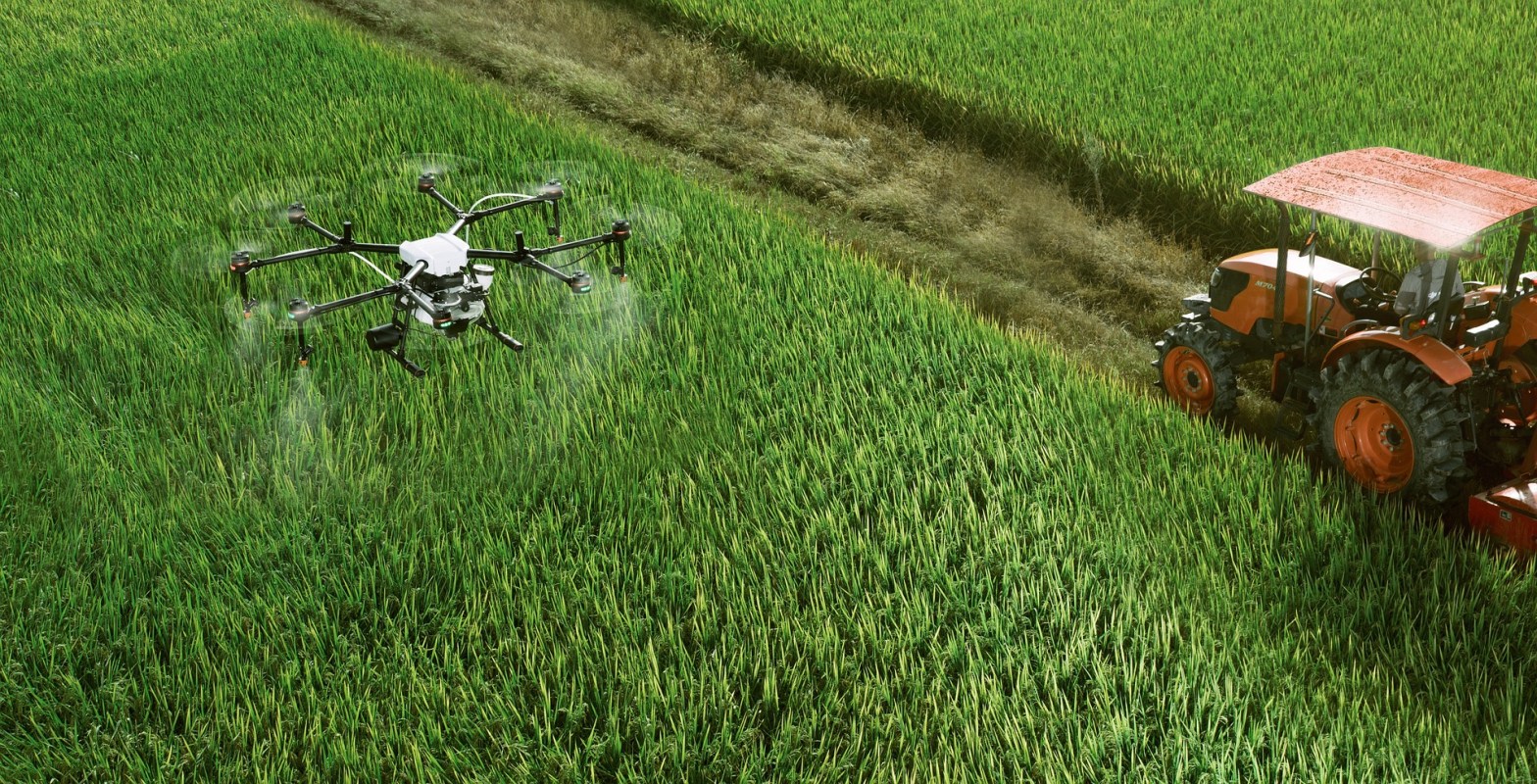
The post discusses the challenges and misconceptions of homesteading and sustainability, emphasizing it as a long-term commitment requiring creativity and patience. It highlights sustainable practices like soil health assessment, crop rotation, and precision agriculture, advocating for integrating technology with traditional methods to enhance productivity while protecting the environment.
Homesteading Help: Managing Your Time and Family Collaboration

Homesteading Success: How Strategic Time Management Transforms Chaos into Harmony
The Johnson family turned their homestead from chaos to a well-organized, thriving farm through effective time management strategies. By prioritizing tasks, creating structured schedules, and delegating responsibilities, they fostered teamwork and increased productivity.
Their success stemmed from realistic goal setting, implementing time-saving techniques, and focusing on emergency preparedness—critical elements for any aspiring homesteader. By embracing homesteading efficiency, they streamlined operations, reduced stress, and created a sustainable system that allowed their farm to flourish.
Forage Species for your rotational grazing operations Part 2
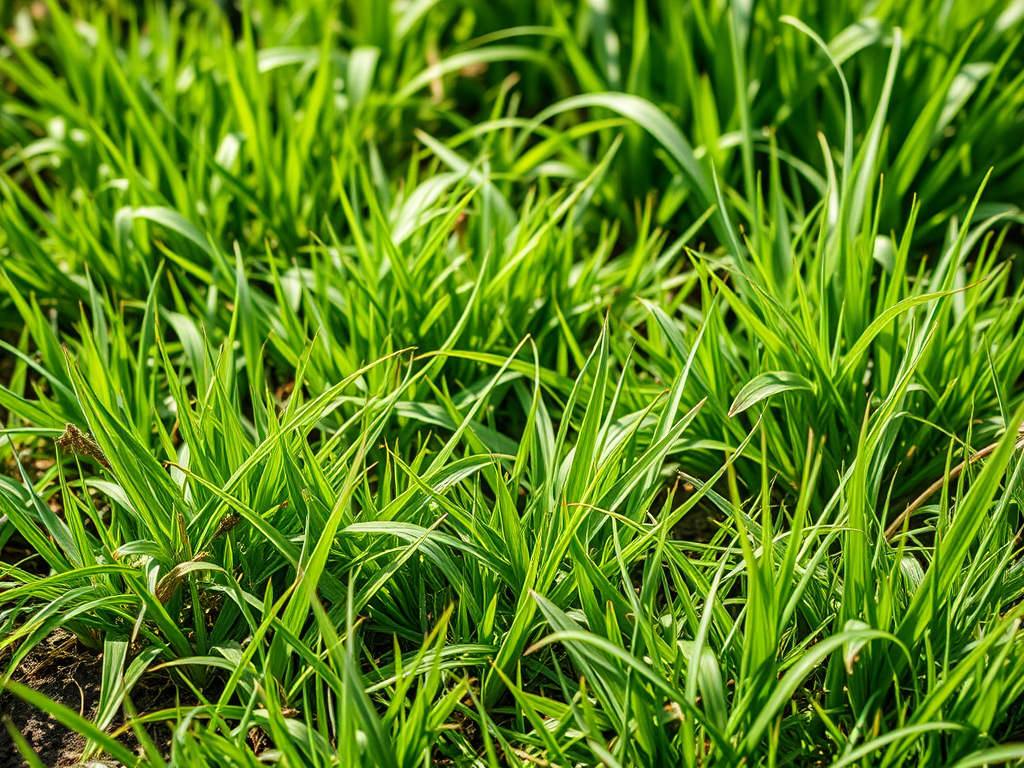
The content discusses common forages in the Midwest, emphasizing their qualities, yields, and soil adaptability. Key species include Kentucky Bluegrass, Orchardgrass, Reed Canary Grass, and various legumes such as Alfalfa. The overview highlights their benefits for rotational grazing and the importance of informed choices for effective pasture management.
Water Challenges

Farm water sources include wells, natural springs, surface water, rainwater, and municipal supplies. Ensuring water quality through regular testing is essential due to factors like contaminants. Winter poses challenges for water accessibility. Understanding each source’s advantages and drawbacks is crucial for maintaining animal hydration and overall farm health.
Forage Species for Your Rotational Grazing Operations Part 1
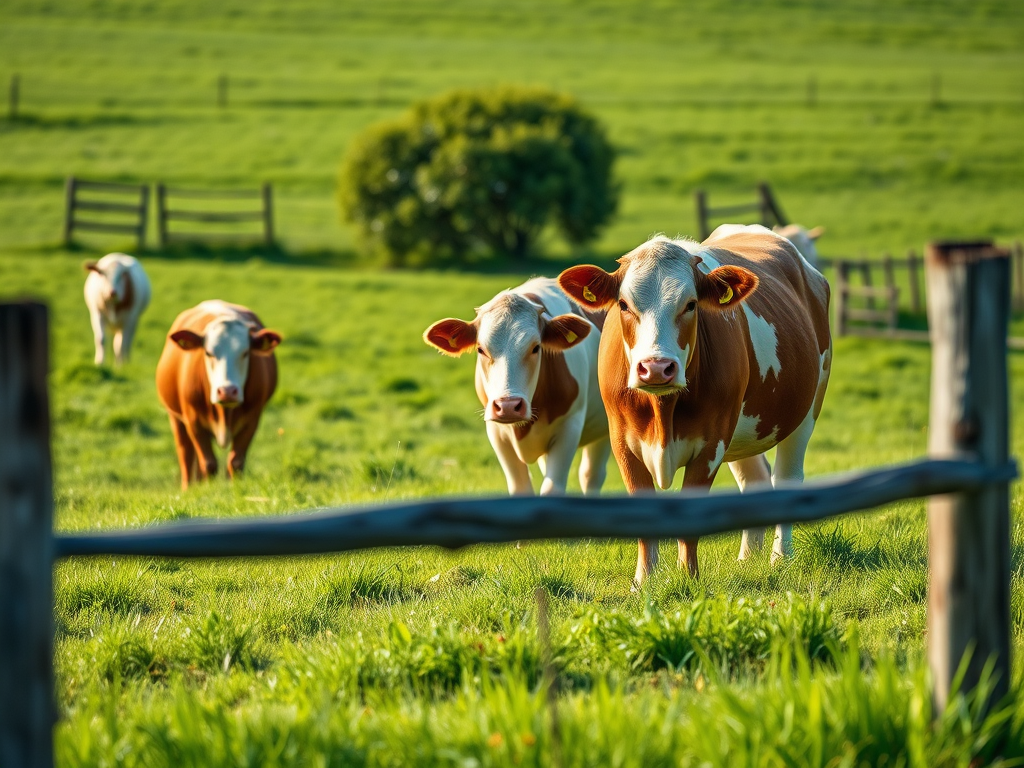
Starting or renovating a pasture requires careful consideration of forage species suited to your animals and goals. Key factors include soil testing, choosing between mixed or pure stands, and managing weeds. Selecting appropriate forages based on conditions and livestock needs enhances productivity and ensures successful pasture management.
How to Start Rotational Grazing on Your Farm
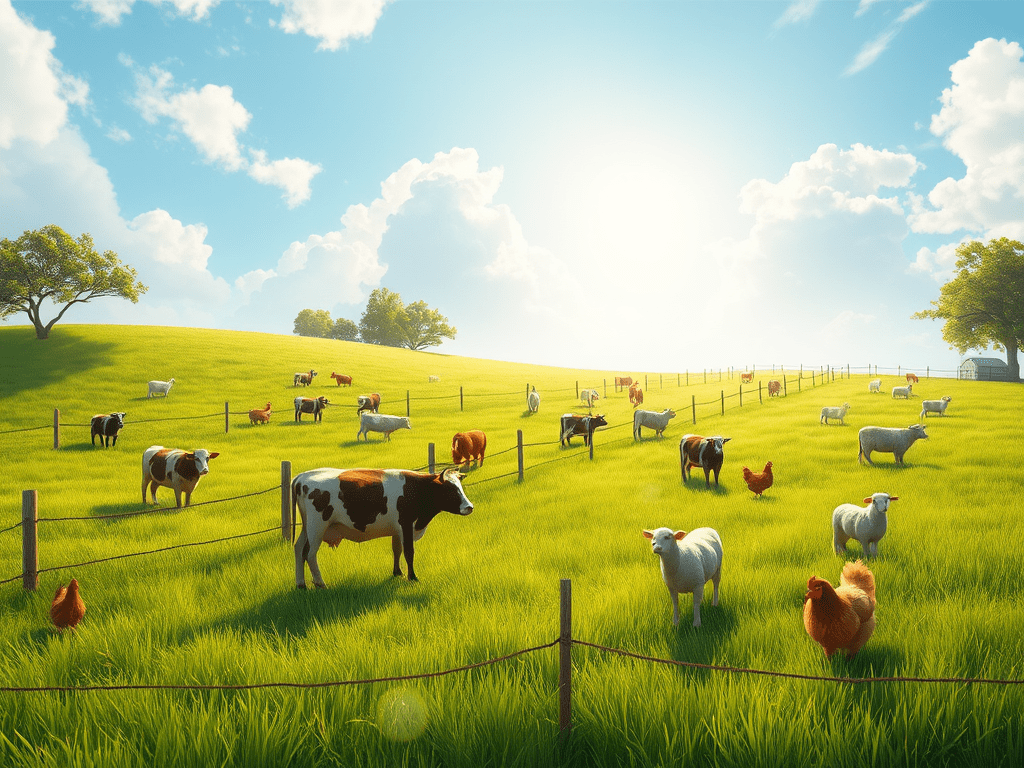
Rotational grazing is often misunderstood. There are a lot of parts to the system which can be intimidating. Rotational grazing is an awesome system that it can be fitted to almost any operation involving animals. Rotational grazing can be scaled up or down for a small farm. This system can be used as a small system on a homestead or larger system to encompass entire solar farms.
Essential Guide to Grass Farming and Soil Management

Welcome to Forage Friday. On the first Friday of the month, we will cover topics related to forages. We will discuss grazing and forages for the next couple of months. Grass Farming? If you have animals that require forages, and you plan to grow those forages, congratulations! You are a grass farmer. The plantsContinue reading “Essential Guide to Grass Farming and Soil Management”
