
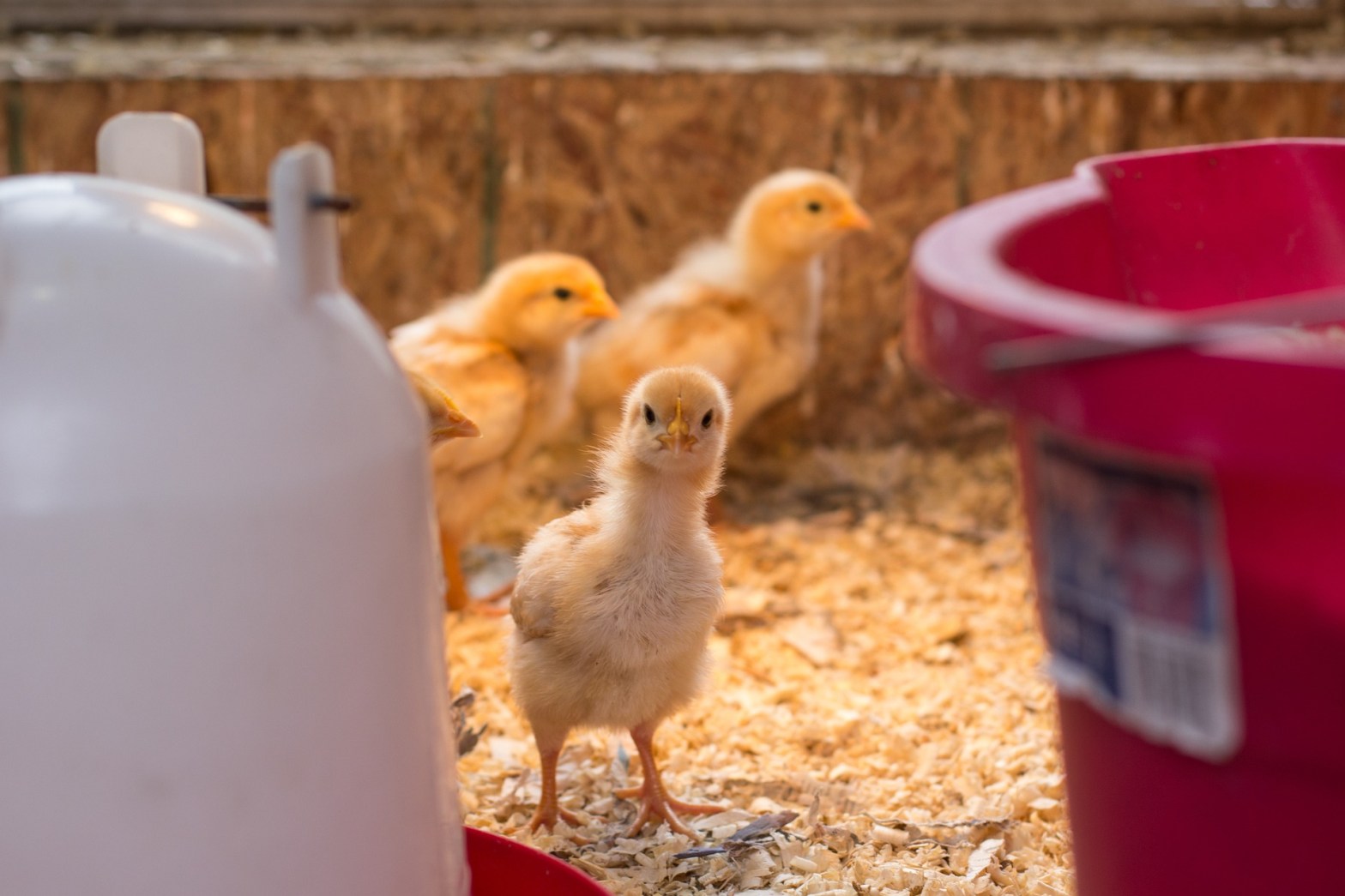
Coccidiosis is a parasitic disease in poultry caused by Eimeria protozoa, leading to symptoms like lethargy, diarrhea, and weight loss. Key factors include poor hygiene, stress, and high density of birds. Treatment involves medications, supportive care, and environmental management. Prevention focuses on vaccination, sanitation, and proper nutrition. Regular monitoring is essential for flock health.
Tag Archives: agriculture
Forage Species for your rotational grazing operations Part 2

The content discusses common forages in the Midwest, emphasizing their qualities, yields, and soil adaptability. Key species include Kentucky Bluegrass, Orchardgrass, Reed Canary Grass, and various legumes such as Alfalfa. The overview highlights their benefits for rotational grazing and the importance of informed choices for effective pasture management.
Top Trends for Small Farm Homesteads for Sustainable Living

The rise of small-scale farming and homesteading reflects a growing quest for sustainability, self-sufficiency, and community connection. Trends include eco-friendly practices, urban homesteading, permaculture, alternative proteins, and reliance on renewable energy. These approaches optimize resource use, enhance economic viability, and promote food security while preserving rural heritage and animal welfare.
Homestead vs Small Farm vs Hobby Farm
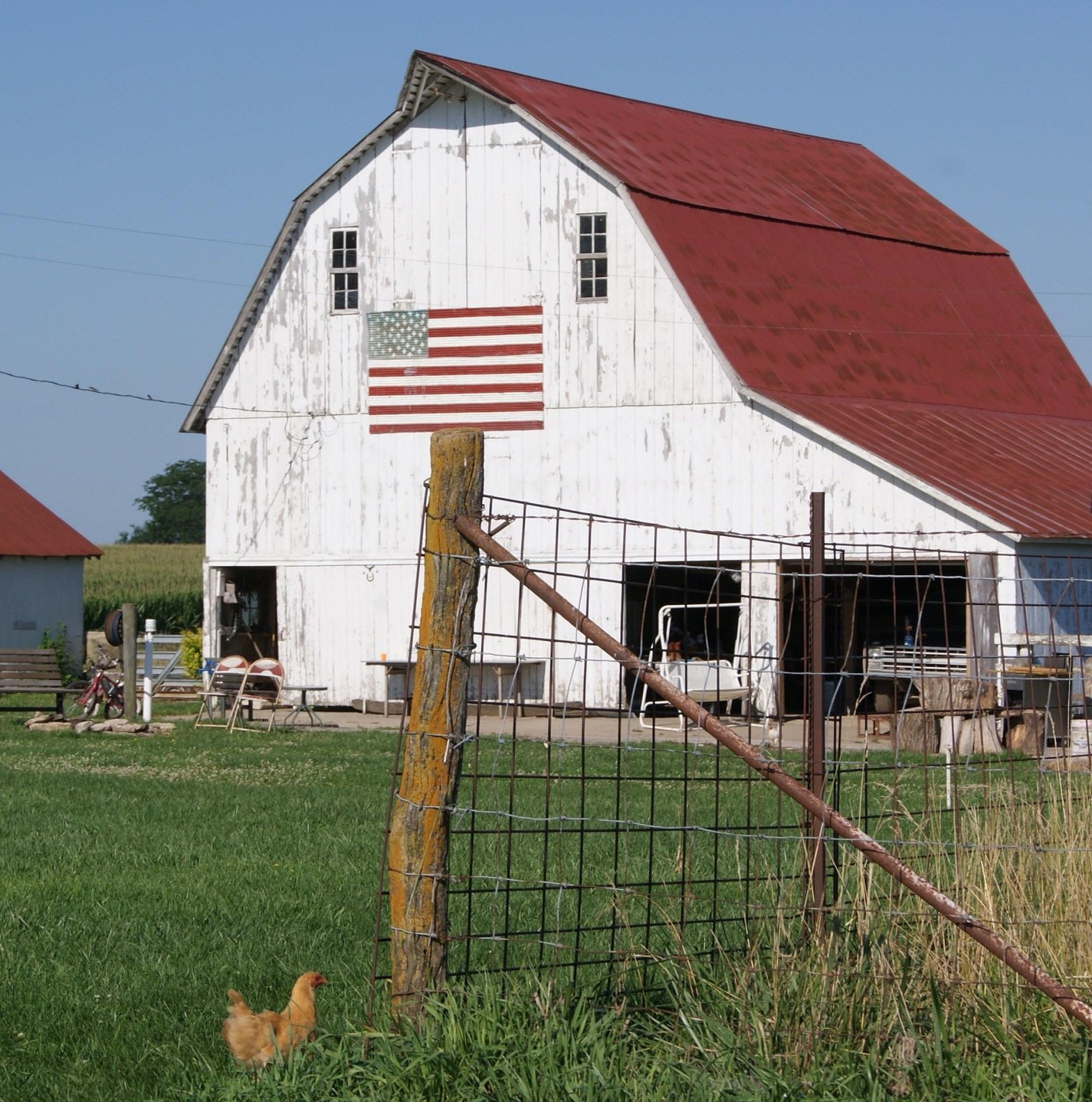
Explore the various property types: homesteads, small farms, hobby farms, rural lifestyles, and ranches. It discusses their purposes, scales, activities, and economic implications, highlighting how each option aligns with individual goals for connecting with nature. The content serves as a guide for those seeking a fulfilling rural lifestyle.
March Homesteading Tips for Spring Success

March on the homestead marks the transition to spring, prompting essential tasks like preparing garden beds, caring for livestock, and monitoring weather conditions. The newsletter introduces a new online homesteading class for subscribers, emphasizing the importance of staying organized while managing spring activities and encouraging community engagement in the homesteading journey.
Protect Your Chickens: Top Predator Threats You Need to Know
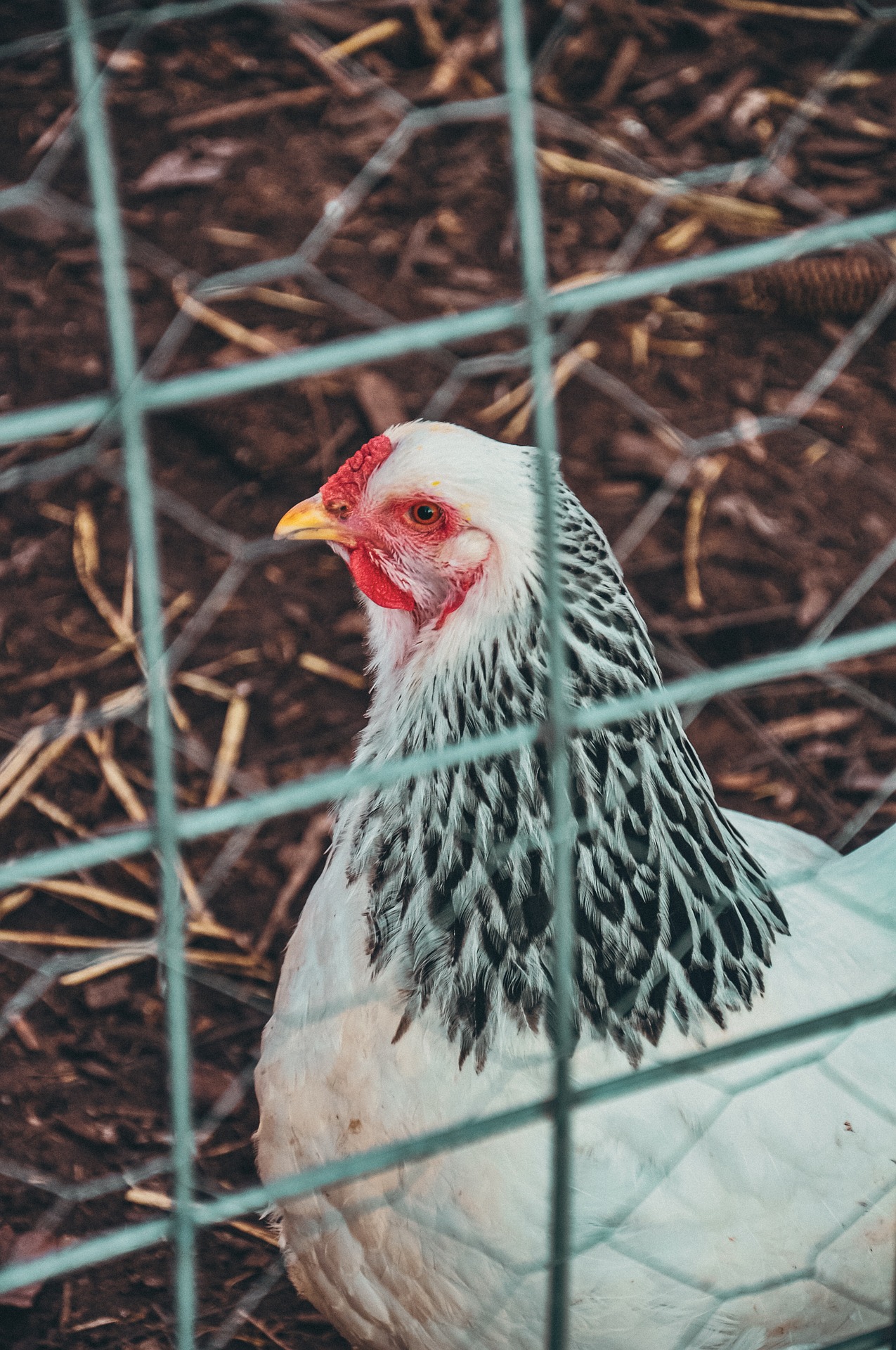
Mastering homesteading skills and animal husbandry is essential for self-sufficiency. Learn to raise livestock, grow your own food, and create a sustainable lifestyle. Discover tips on caring for chickens, goats, and other farm animals. Embrace the homesteading journey and enjoy the rewards of a self-reliant life.
Essential Tips for Baby Chick Care

Raising baby chicks requires careful planning for their warmth, nutrition, and safety from hatching to adulthood. Essential steps include creating a proper brooding environment, ensuring adequate heating, providing nutritious feed, and preventing issues like feather picking. With attentive care, chicks will grow into healthy chickens, enriching the owner’s experience.
Water Challenges

Farm water sources include wells, natural springs, surface water, rainwater, and municipal supplies. Ensuring water quality through regular testing is essential due to factors like contaminants. Winter poses challenges for water accessibility. Understanding each source’s advantages and drawbacks is crucial for maintaining animal hydration and overall farm health.
February Newsletter

February’s newsletter emphasizes preparing for spring amid winter’s harshness. Key activities include starting seeds indoors, inspecting livestock and compost, and planning projects. Care for houseplants and animals is vital, especially with colder temperatures. Community engagement, disaster preparedness, and inspiration from other farms or botanical gardens are encouraged. Stay warm and connected.
DIY Greenhouse: Easy Steps for Beginners
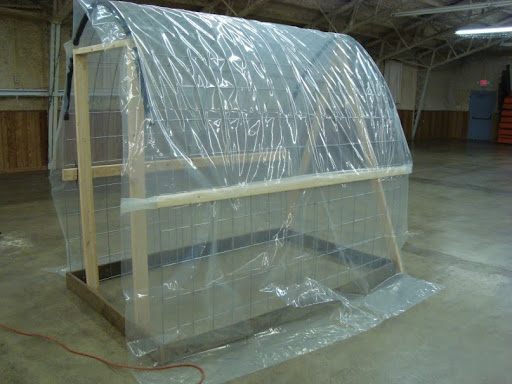
This article provides a detailed guide for building an inexpensive greenhouse suitable for growing plants or housing small livestock. It includes a materials list, tools needed, and step-by-step building instructions. The structure is versatile and can be modified for various uses, offering tips on securing and maintaining it effectively.
