

Learn how to seed dill in your rage garden with tactical precision. Discover direct sowing tips, indoor start risks, and how to grow dill for continuous harvests. Perfect for resilient gardeners and herbal rebels.
Category Archives: Plants
Chamomile: The Soft-Fisted Saboteur of the Rage Garden

Discover how to grow and use Chamomile in your rage garden. This herbal saboteur doesn’t soothe—she infiltrates. Learn her tactical uses for stress, inflammation, insomnia, and more.
Oregano – The Sharp-Tongued Strategist of the Rage Garden

Oregano thrives in sun-soaked soil, offering bold flavor and potent antimicrobial properties. Beyond pizza topping fame, it’s a rage garden ally—resilient, aromatic, and steeped in folklore. Harvest leaves before flowering for peak potency. Drying intensifies its punch, perfect for teas, tinctures, and tactical seasoning in homestead kitchens.
Lavender: The Soft-Spoken Assassin of the Rage Garden

Lavender doesn’t bloom for your approval—it thrives on grit, neglect, and tactical pruning. In the rage garden, it’s a drought-tolerant assassin: repelling pests, summoning pollinators, and flipping off fertilizer like a seasoned rebel. Grow it for resilience, not aesthetics. This herb bites back. 🌿🪻 #RageGarden #LavenderRebellion
How to Grow Mint Without Losing Your Garden: Tactical Tips to Tame the Chaotic Neutral Herb

🌿 Mint: The Garden’s Chaotic Neutral 🌿 Think mint is just a harmless herb? Think again. This rogue-class plant will flavor your tea, soothe your nerves, and then quietly annex your raised bed. Learn how to grow mint without letting it take over your garden—and discover quick recipes, containment hacks, and tactical uses for this fragrant rebel.
Thyme to Rage: Tactical Herb Wisdom for the Resilient Garden

Ready to hex your harvest and reclaim your soil? Dive into rage gardening with tactical herb wisdom—sage, rosemary, and thyme like you’ve never seen. Folklore meets function in this rebellious grower’s guide. Empower your garden, your pantry, and your people
Rosemary Magic: Witchy Garden Wisdom for Resilient Herb Growing

Sage Against the Machine: Grow, Harvest, and Hex with Purpose 🌿 Ready to rage against the monoculture? This fall, reclaim your soil and your sovereignty with tactical sage wisdom. From seed to smudge, we’re diving deep into the science, folklore, and fury behind one of the most resilient herbs in your arsenal. Whether you’re warding off pests or bad vibes, this guide blends regenerative gardening with witchy grit—because your garden isn’t just a plot, it’s a protest.
Sage Against the Machine: Grow, Harvest, and Hex with Purpose

Sage isn’t just a plant—it’s ancestral armor. With silver leaves and a scent that cuts through doubt, it’s the herb of clarity, protection, and rebellion. Burn it to banish, brew it to bolster, plant it to proclaim: this garden is sacred ground.
The Basil Offensive: Grow Hard, Harvest Smart, Preserve with Fury

The Basil Offensive is tactical, not timid. This isn’t garnish—it’s green rebellion. Learn how to grow, harvest, and preserve basil with grit, science, and a dash of folklore. Ready to rage against bland gardens and food apathy? Your herb arsenal starts here. #RageGarden #HerbalResistance #BasilOffensive
Rotational Grazing After the Last Cut” – How to manage pasture health heading into winter.
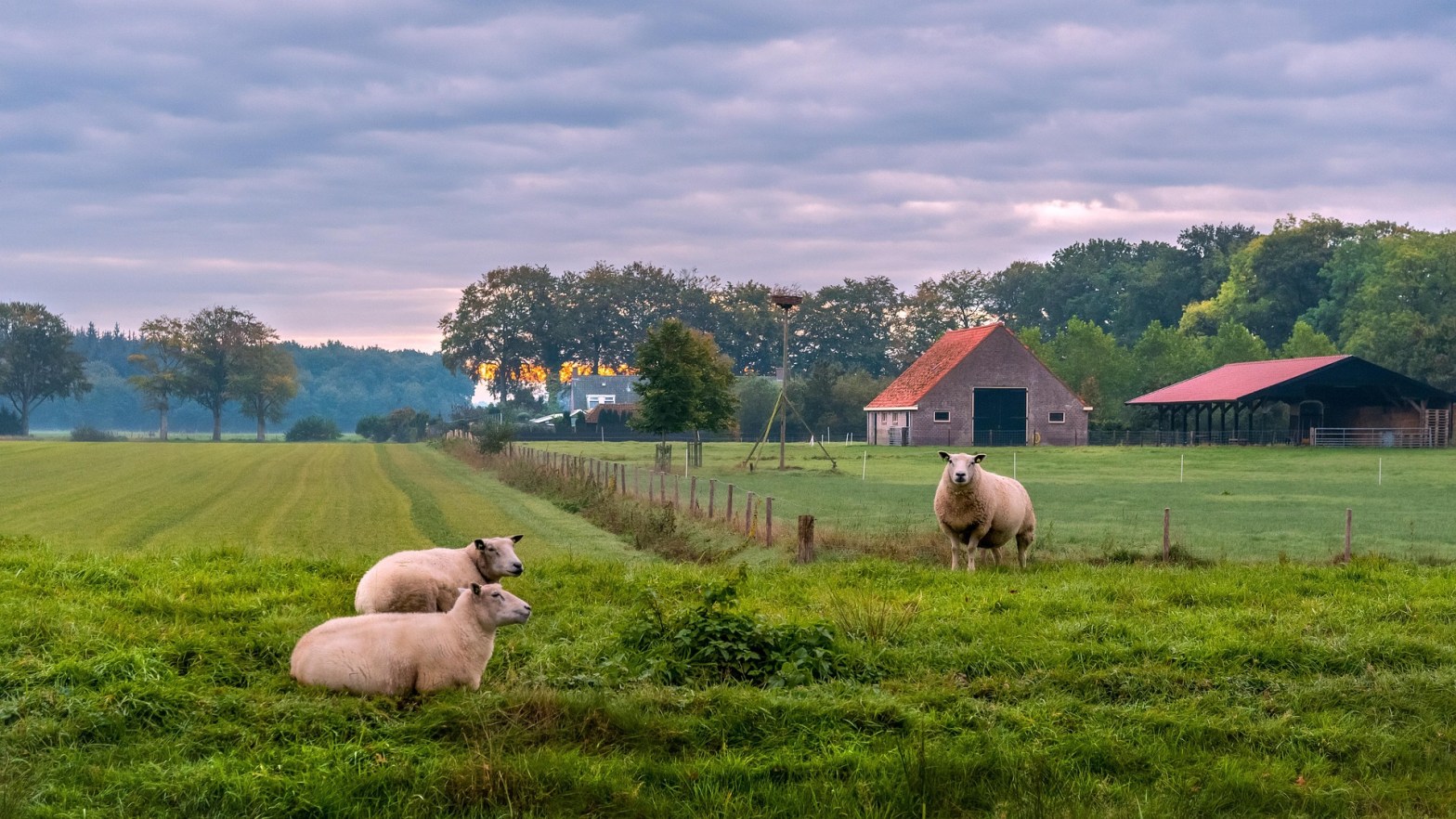
Fall is crucial for rotational grazing, preparing pastures for winter and enhancing year-round resilience. Strategic adjustments in stocking rates, sowing cool-season forage, and protecting regrowth improve soil health, extend grazing, and reduce feed dependency. Careful fall planning cultivates effective grazing systems, ensuring livestock welfare and sustainable agricultural practices.
