
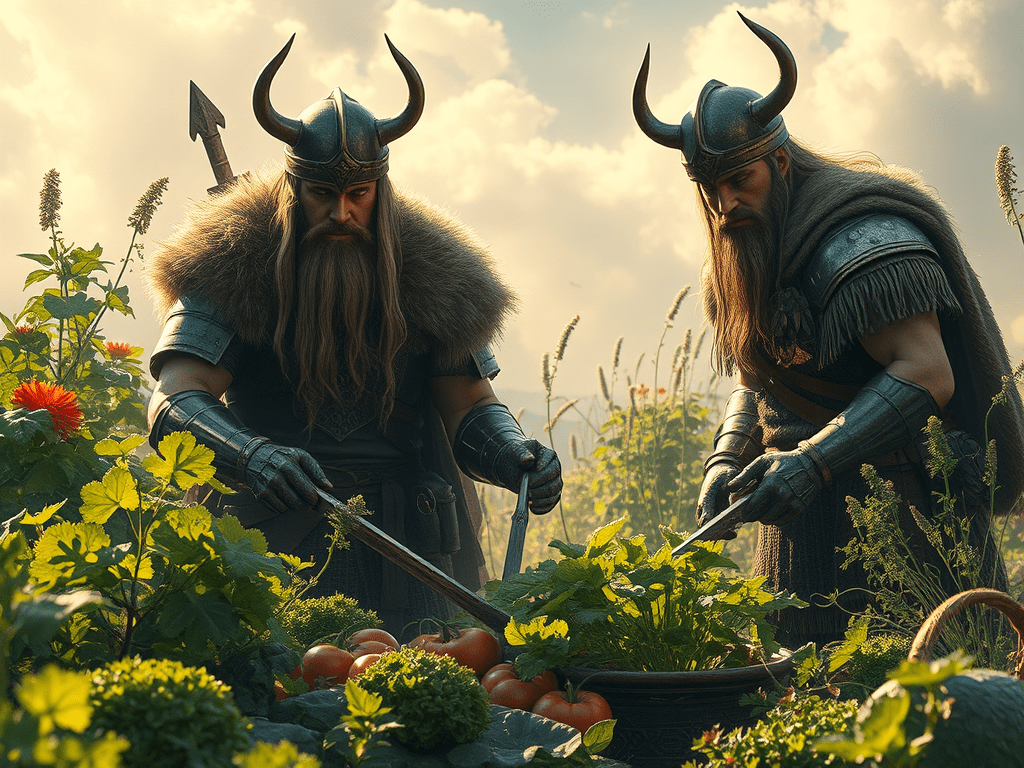
A rage garden embodies resilience and sustainability, demanding active participation in gardening. It emphasizes organic practices, water conservation, native plants, and recycling resources. By avoiding weak turf and pesticides, while fostering partnerships with nature, gardeners create a thriving ecosystem. Victory in gardening comes from strategy and continual adaptation, building a formidable, self-sufficient space.
Category Archives: Newsletters
The Well-Placed Rage Garden: Companion Planting Your Allies

In the garden battlefield, Ann carefully plants her crops like warriors, forming strategic alliances for mutual defense and growth. Companion planting enhances soil health, controls pests, and improves yield. However, certain combinations can be detrimental. Ultimately, this collaborative ecosystem thrives, leading to a bountiful harvest and a victorious garden.
Homesteading Help: Managing Your Time and Family Collaboration
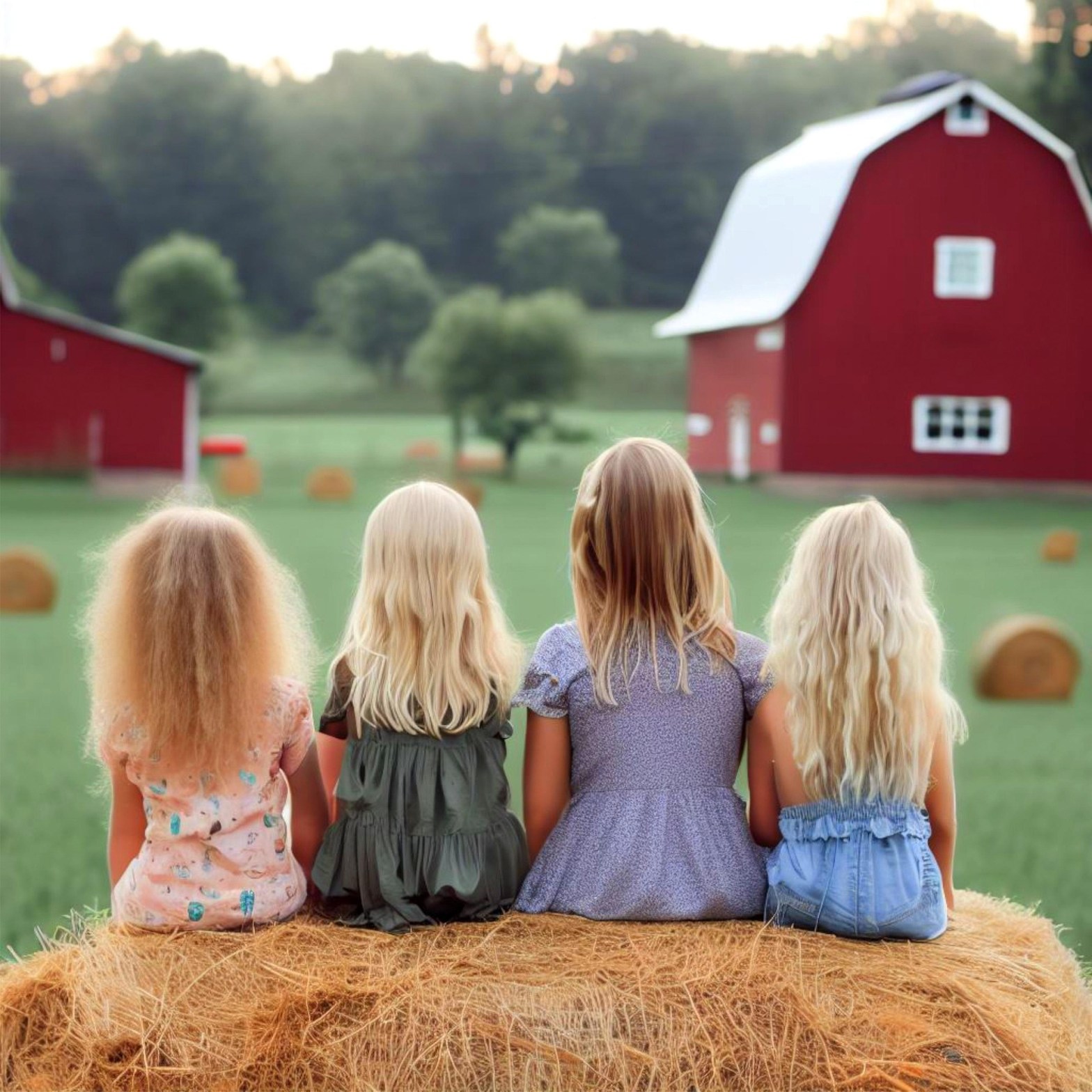
Homesteading Success: How Strategic Time Management Transforms Chaos into Harmony
The Johnson family turned their homestead from chaos to a well-organized, thriving farm through effective time management strategies. By prioritizing tasks, creating structured schedules, and delegating responsibilities, they fostered teamwork and increased productivity.
Their success stemmed from realistic goal setting, implementing time-saving techniques, and focusing on emergency preparedness—critical elements for any aspiring homesteader. By embracing homesteading efficiency, they streamlined operations, reduced stress, and created a sustainable system that allowed their farm to flourish.
Homestead Harald April
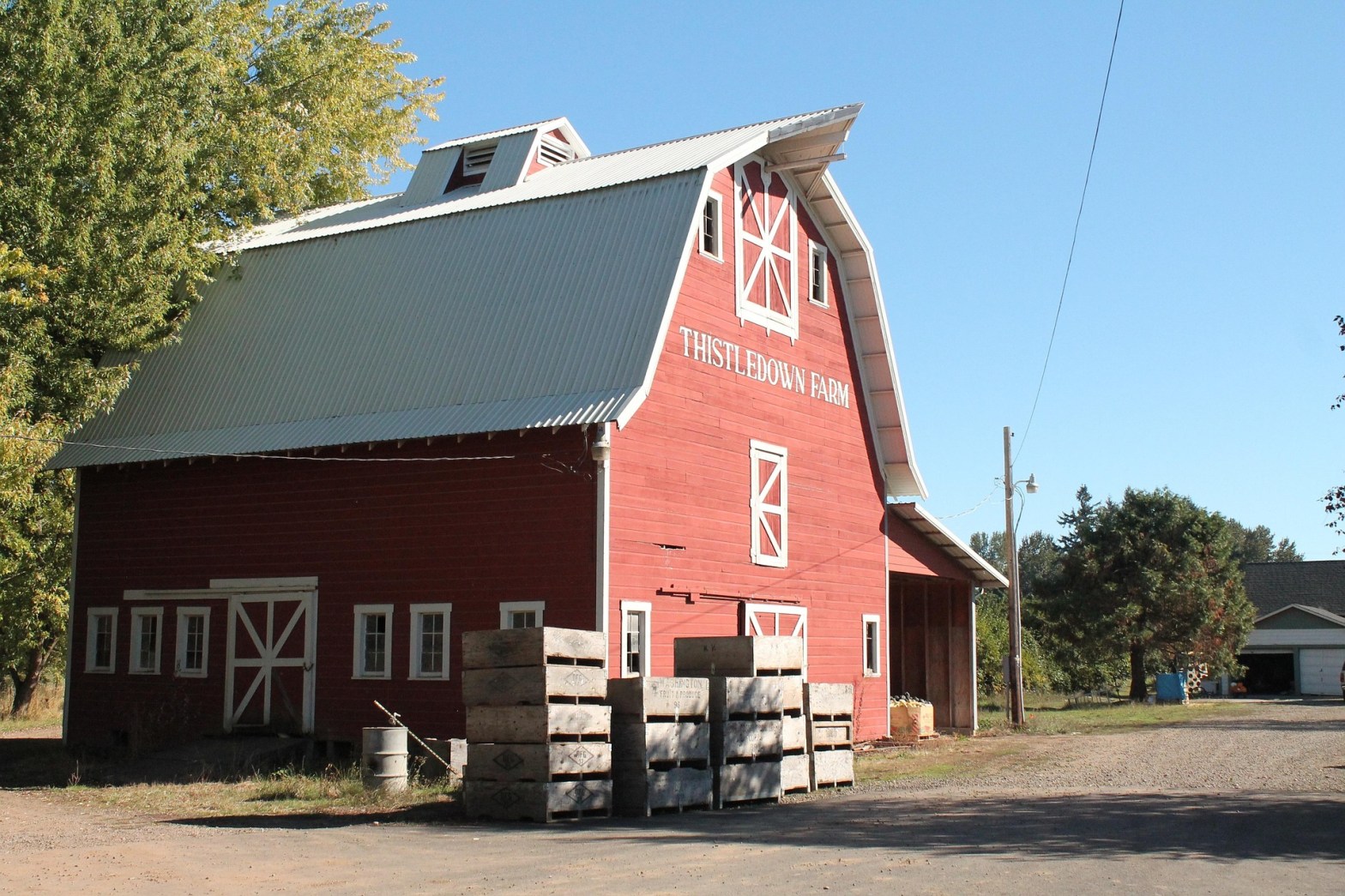
Homestead Harald Newsletter – Your Guide to Simple, Joyful Homesteading! 🏡
Save time, cut costs, and make homesteading more rewarding! Get expert tips on DIY projects, backyard farming, sustainable living, and more. COMING SOON: A FREE guide to growing the best tomatoes on the block!
📩 Subscribe now & start thriving
March Homesteading Tips for Spring Success
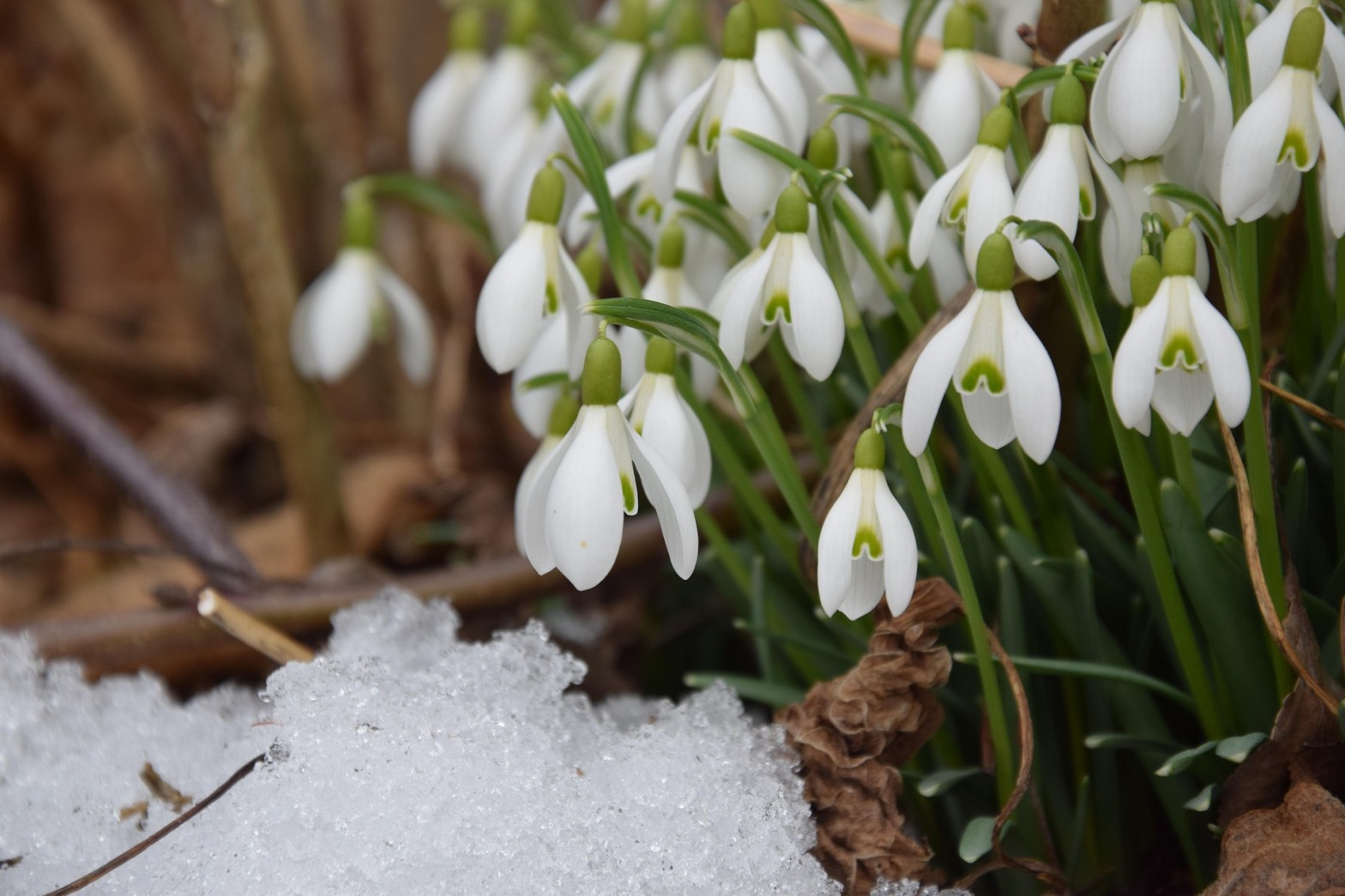
March on the homestead marks the transition to spring, prompting essential tasks like preparing garden beds, caring for livestock, and monitoring weather conditions. The newsletter introduces a new online homesteading class for subscribers, emphasizing the importance of staying organized while managing spring activities and encouraging community engagement in the homesteading journey.
February Newsletter
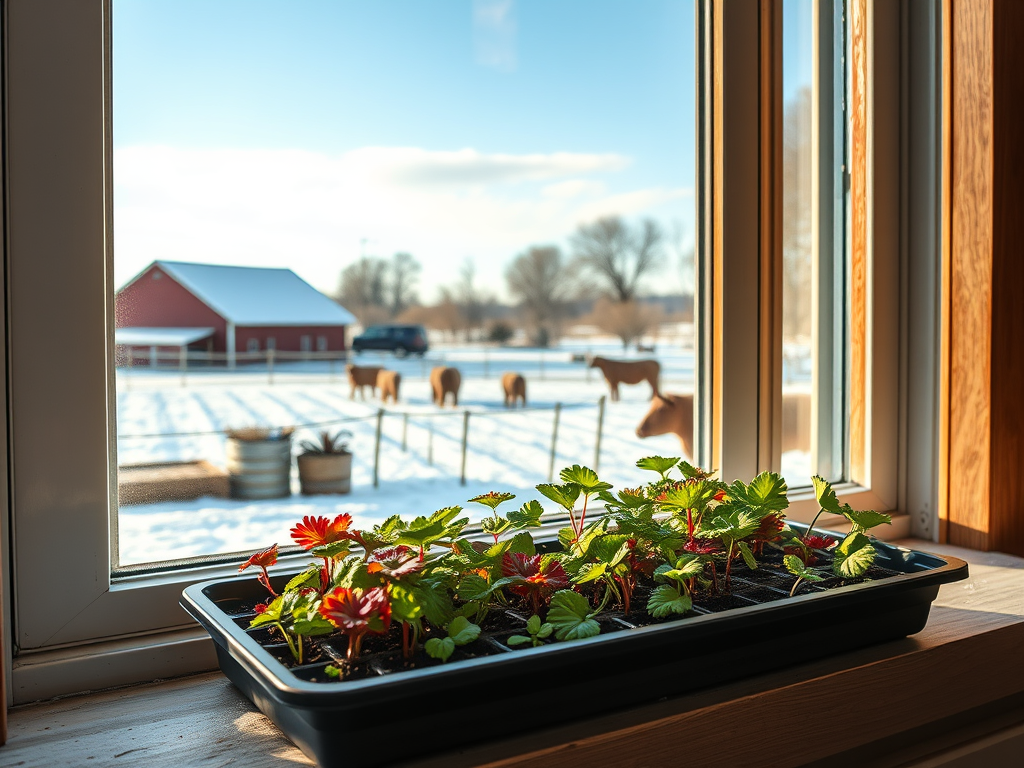
February’s newsletter emphasizes preparing for spring amid winter’s harshness. Key activities include starting seeds indoors, inspecting livestock and compost, and planning projects. Care for houseplants and animals is vital, especially with colder temperatures. Community engagement, disaster preparedness, and inspiration from other farms or botanical gardens are encouraged. Stay warm and connected.
January Anything Agriculture Newsletter

Winter Care Tips for Your Homestead

December Newsletter Winter is setting in. The weather has gotten colder. For many of us, there is still plenty to do, especially if you have animals. In this newsletter, you will get some timely information about the plants and animals in your care. There is still plenty of plant to take care of this season.Continue reading “Winter Care Tips for Your Homestead”
Your November Gardening Checklist for Success

Welcome to my monthly Newsletter. This newsletter will help you save money and time. No need to ask what you should be doing or when it should be done. You will have the Know How. This newsletter has it all. This is the best way to stay on top of tasks. These tasks help maintain and grow your garden or farmstead
