Confidently Identify Grasses: Tips and Techniques

This guide on grass identification emphasizes the importance of learning key characteristics like growth habits, seed heads, leaf shapes, and collar regions to accurately recognize different grass species. While apps can assist, developing skills through observation will provide a valuable expertise. Mastering these traits enables better land management decisions and a deeper connection with nature.

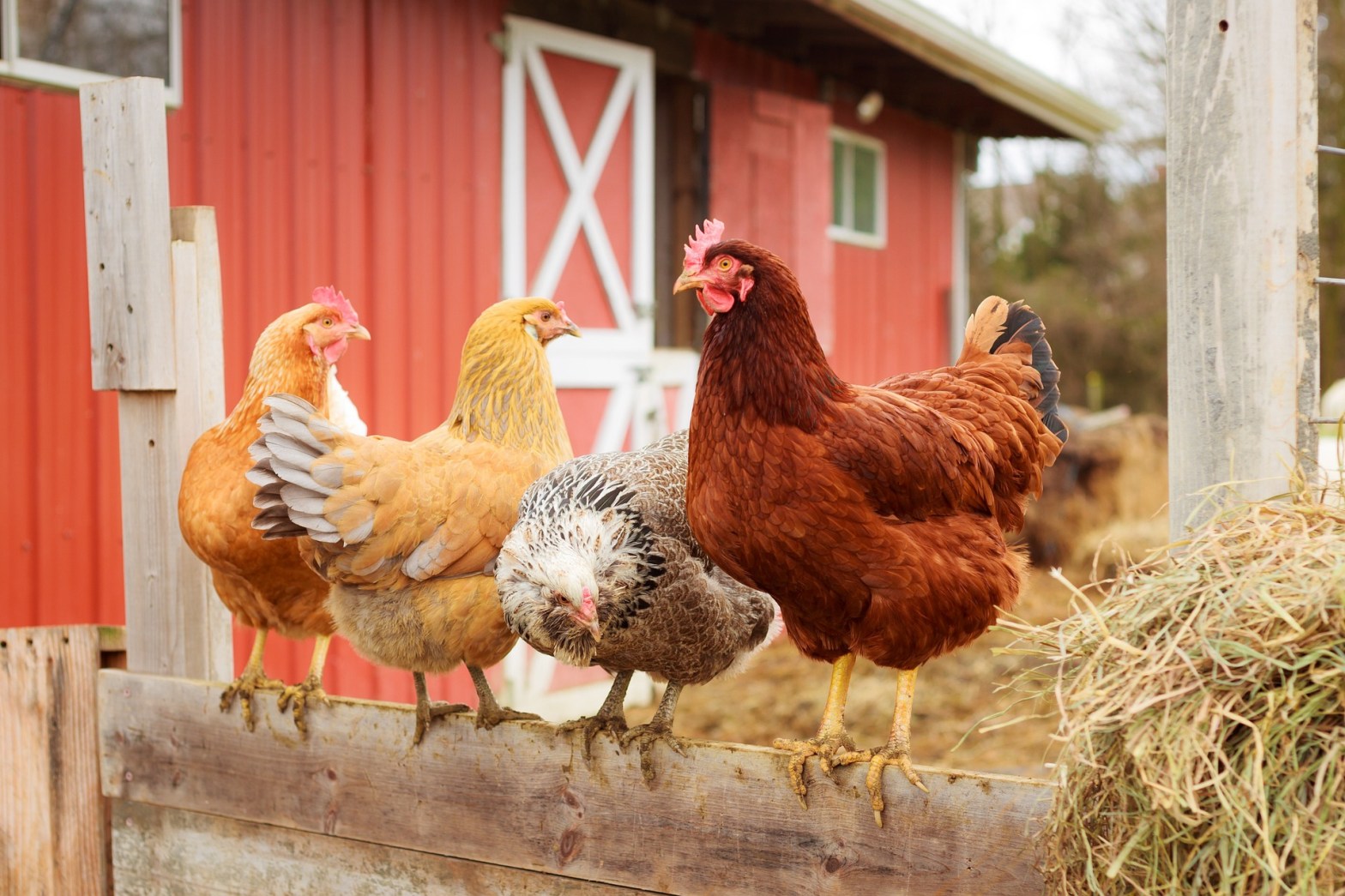
Best Easy-Care Animals for Your Homestead

Introducing animals to your homestead is a vital step in achieving self-sufficiency. Beginners should select manageable, adaptable animals that provide resources like eggs, milk, or manure. Starting small, establishing routines, and investing in efficient tools are essential for effective time management, ensuring a fulfilling and successful homesteading experience.

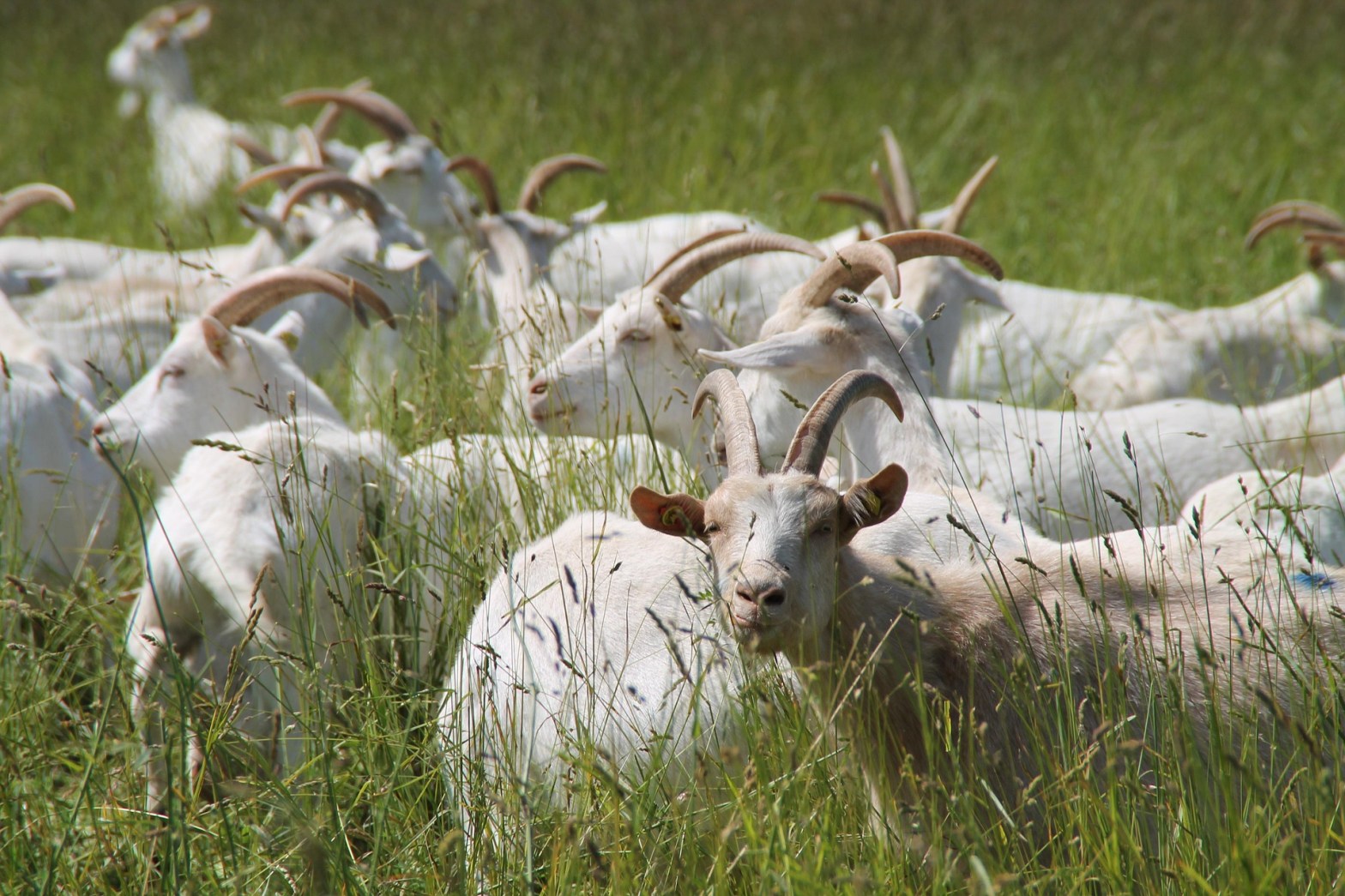
Goat Grazing: A Cost-Effective Solution for Land Management

Goat grazing offers numerous advantages, such as economic sustainability, improved animal health, and effective weed control, while also requiring careful management to address challenges like weather impacts and predator threats. Mastering grazing techniques transforms land and livestock care, ultimately fostering a sustainable and thriving agricultural ecosystem.

Essential Steps for Starting a Small Farm Homestead with Animals

This guide introduces newcomers to small farm homesteading, emphasizing the importance of understanding animal care, housing, nutrition, and local regulations. It encourages starting with low-maintenance animals, promotes gradual expansion, and highlights community involvement and record-keeping as key to successful and sustainable homesteading practices. Embrace the journey with enthusiasm!

Property for Sale! Finding Your Ideal Homestead Property

Embarking on a homesteading journey requires careful property selection, focusing on factors such as soil quality, water sources, zoning regulations, and local amenities to ensure sustainability and self-reliance. Assessing the unique characteristics and challenges of potential properties, along with thorough research and planning, fosters informed decision-making for achieving long-term homesteading goals.

Top Sustainability Trends for Small Farm Homesteads

This article emphasizes the growing trend of small farm homesteading focused on sustainability, self-sufficiency, and community. It discusses eco-friendly practices, diverse farming techniques, and the importance of local food security. Key trends include urban homesteading and technological integration, encouraging participants to adopt sustainable methods for economic viability and environmental health.

Embrace Homesteading: Unlock Self-Sufficiency and More

Emily and her family’s transition from urban life to homesteading highlights the profound benefits and challenges of this journey. They cultivated self-sufficiency, embraced a healthier lifestyle, and strengthened family bonds. Despite facing trials like financial investments and learning curves, their commitment led to fulfillment and a meaningful connection to the land.

Understanding Coccidiosis in Chickens: Causes and Symptoms

Coccidiosis is a parasitic disease in poultry caused by Eimeria protozoa, leading to symptoms like lethargy, diarrhea, and weight loss. Key factors include poor hygiene, stress, and high density of birds. Treatment involves medications, supportive care, and environmental management. Prevention focuses on vaccination, sanitation, and proper nutrition. Regular monitoring is essential for flock health.

Forage Species for your rotational grazing operations Part 2

The content discusses common forages in the Midwest, emphasizing their qualities, yields, and soil adaptability. Key species include Kentucky Bluegrass, Orchardgrass, Reed Canary Grass, and various legumes such as Alfalfa. The overview highlights their benefits for rotational grazing and the importance of informed choices for effective pasture management.

Top Trends for Small Farm Homesteads for Sustainable Living

The rise of small-scale farming and homesteading reflects a growing quest for sustainability, self-sufficiency, and community connection. Trends include eco-friendly practices, urban homesteading, permaculture, alternative proteins, and reliance on renewable energy. These approaches optimize resource use, enhance economic viability, and promote food security while preserving rural heritage and animal welfare.