
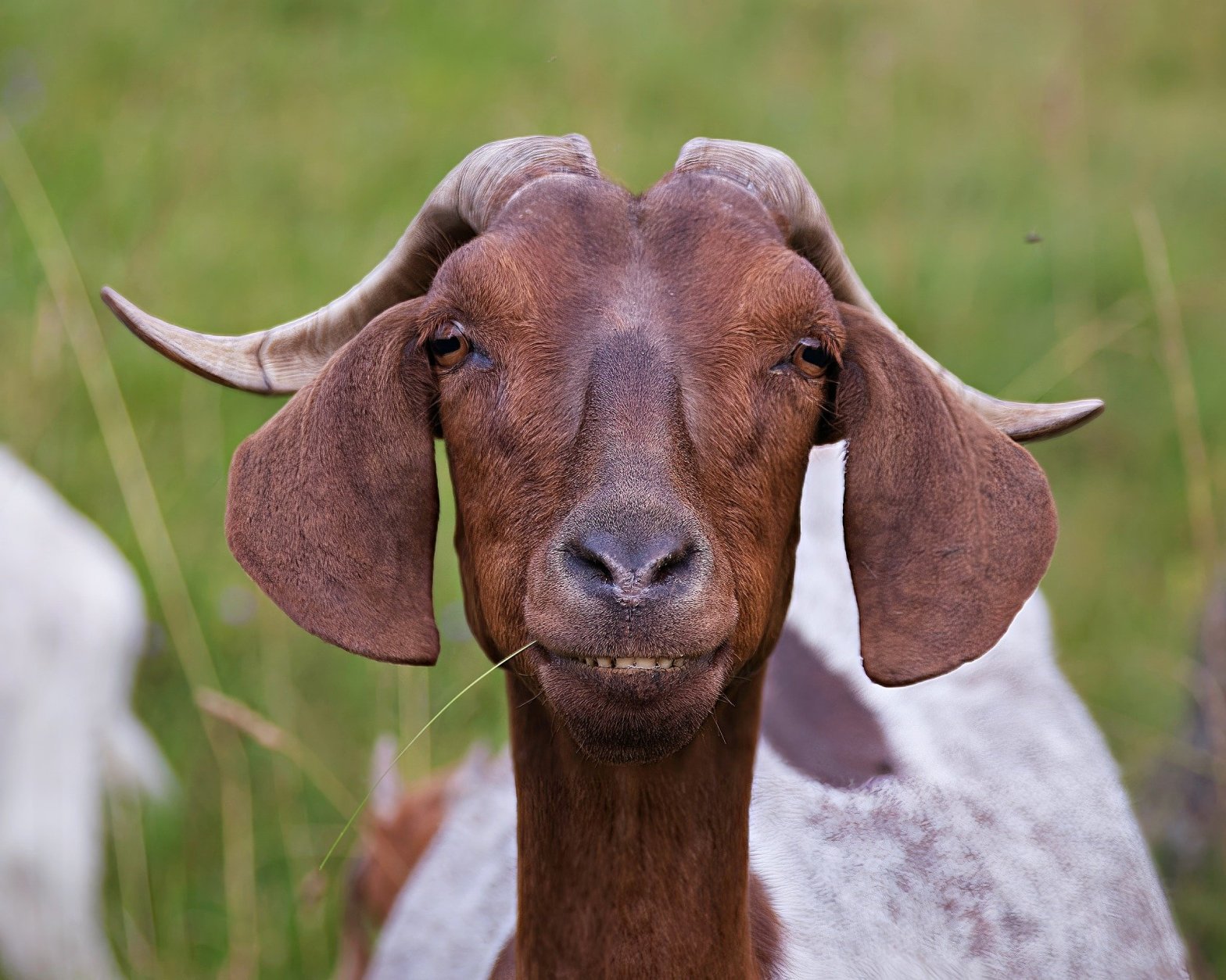
Goat grazing offers numerous advantages, such as economic sustainability, improved animal health, and effective weed control, while also requiring careful management to address challenges like weather impacts and predator threats. Mastering grazing techniques transforms land and livestock care, ultimately fostering a sustainable and thriving agricultural ecosystem.
Category Archives: Animals
Essential Steps for Starting a Small Farm Homestead with Animals
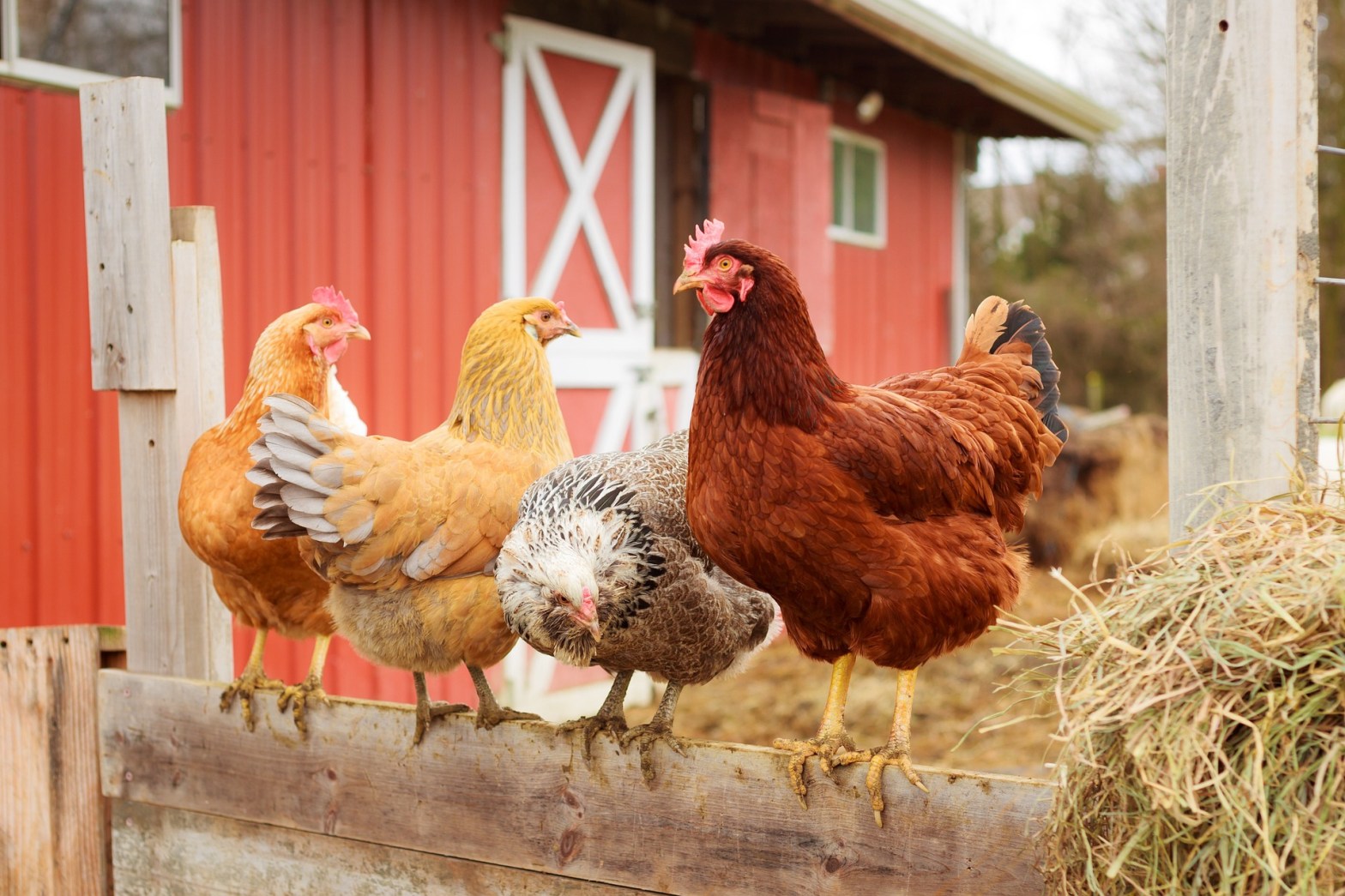
This guide introduces newcomers to small farm homesteading, emphasizing the importance of understanding animal care, housing, nutrition, and local regulations. It encourages starting with low-maintenance animals, promotes gradual expansion, and highlights community involvement and record-keeping as key to successful and sustainable homesteading practices. Embrace the journey with enthusiasm!
Holy Moly! Mole Management: Effective Strategies and Ecological Benefits
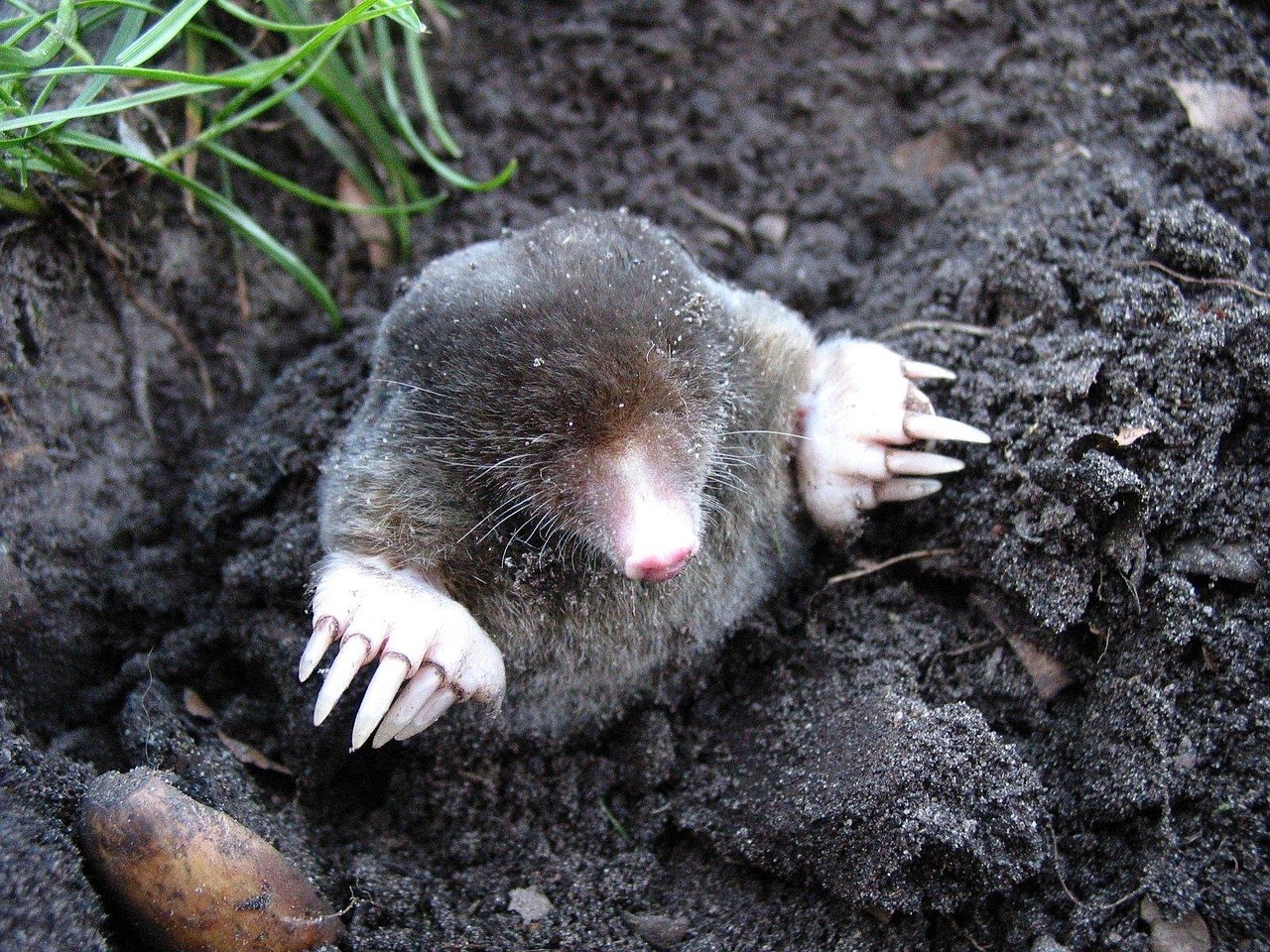
Moles, common in Indiana, can damage lawns but provide ecological benefits like soil aeration and pest control. They are insectivores with unique adaptations for burrowing. Effective mole control relies on trapping, while ineffective methods include pesticides and home remedies. Understanding moles’ role can help balance management with their ecological importance.
Understanding Coccidiosis in Chickens: Causes and Symptoms
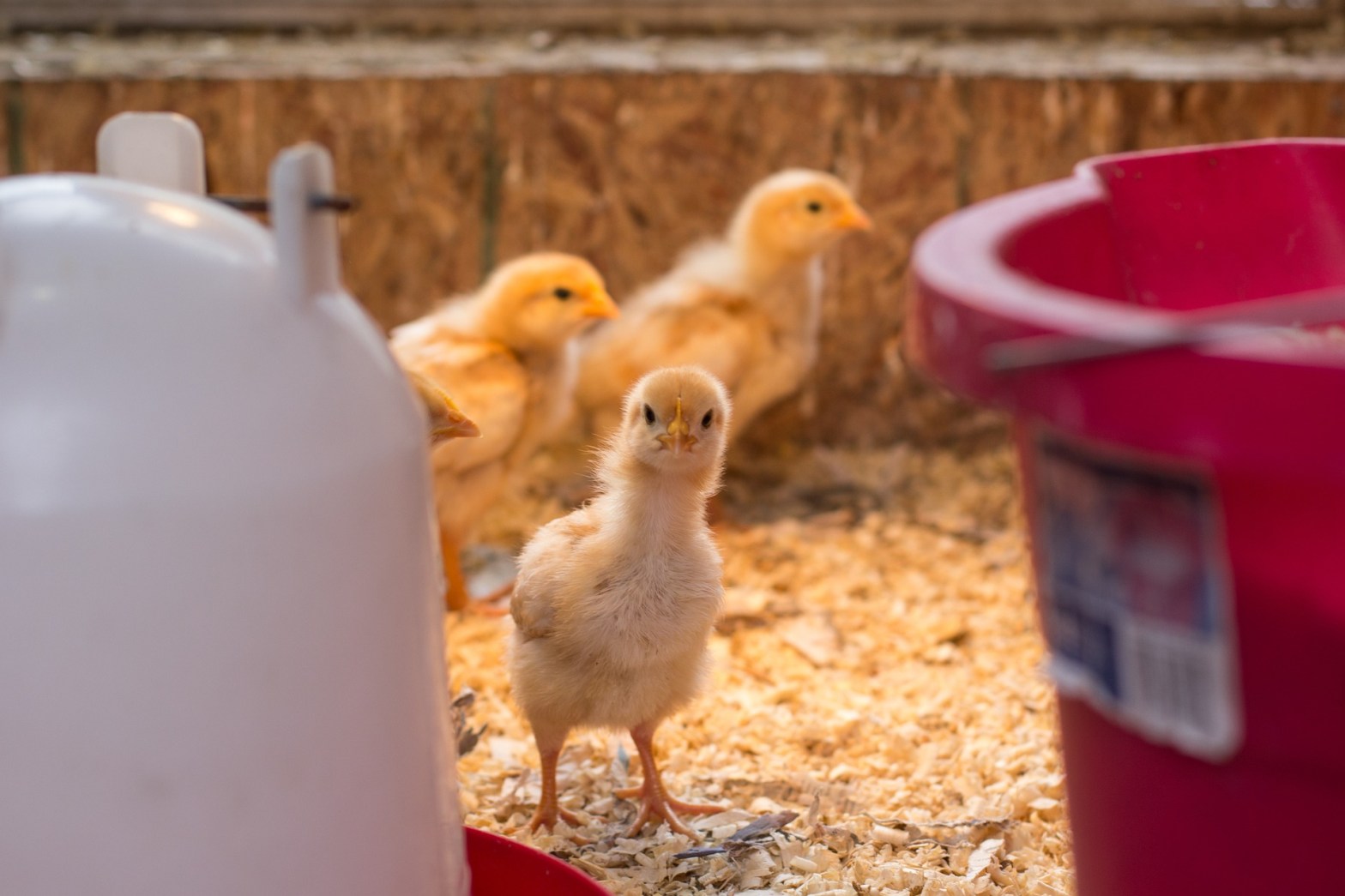
Coccidiosis is a parasitic disease in poultry caused by Eimeria protozoa, leading to symptoms like lethargy, diarrhea, and weight loss. Key factors include poor hygiene, stress, and high density of birds. Treatment involves medications, supportive care, and environmental management. Prevention focuses on vaccination, sanitation, and proper nutrition. Regular monitoring is essential for flock health.
Forage Species for your rotational grazing operations Part 2
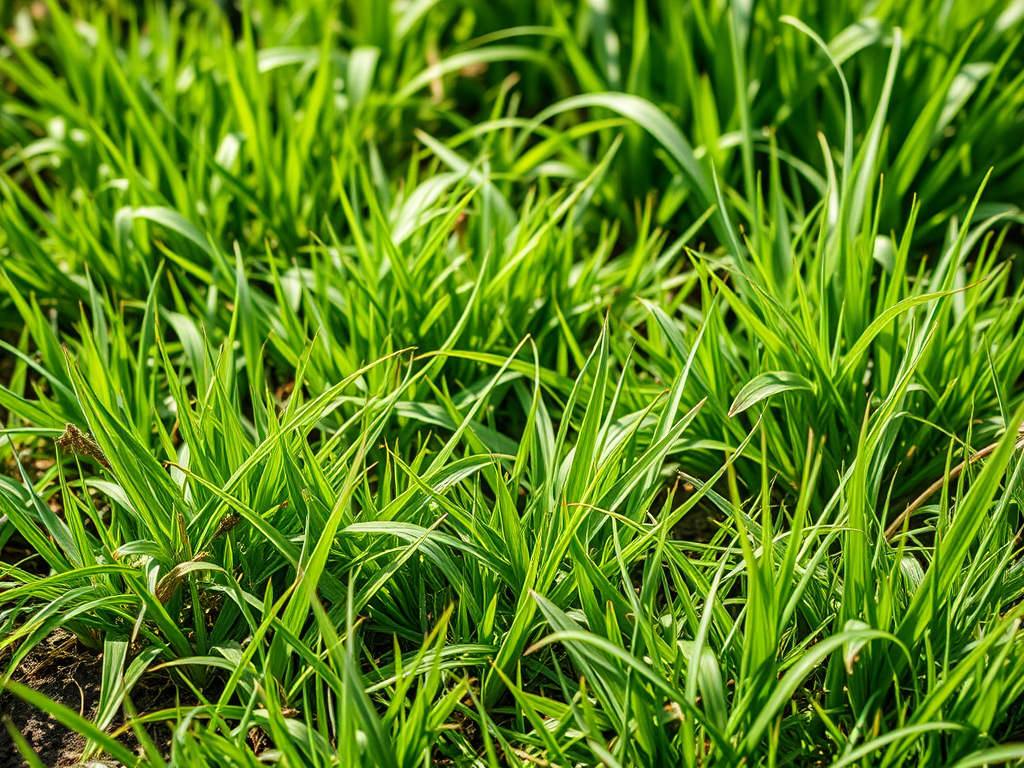
The content discusses common forages in the Midwest, emphasizing their qualities, yields, and soil adaptability. Key species include Kentucky Bluegrass, Orchardgrass, Reed Canary Grass, and various legumes such as Alfalfa. The overview highlights their benefits for rotational grazing and the importance of informed choices for effective pasture management.
Protect Your Chickens: Top Predator Threats You Need to Know
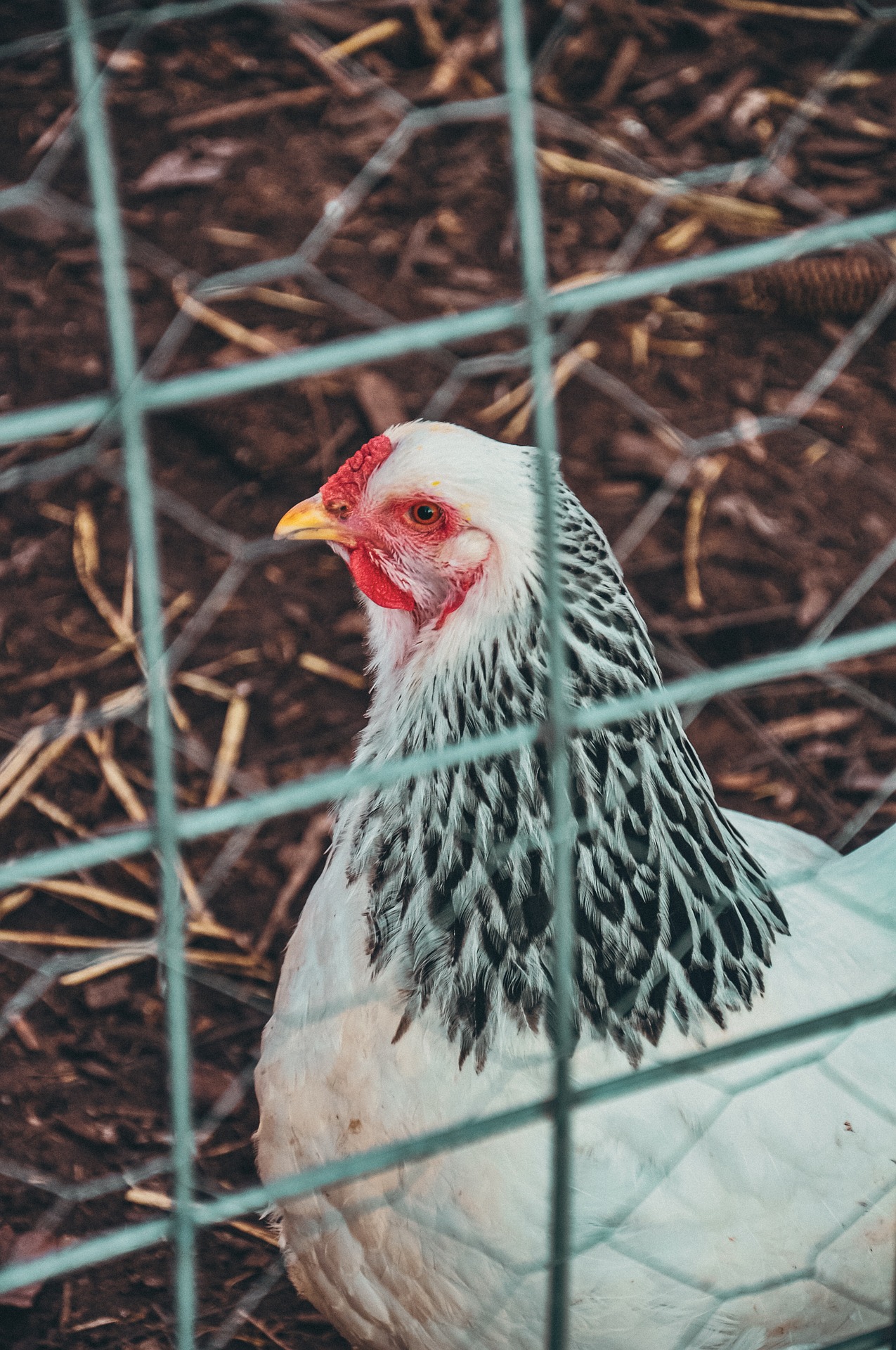
Mastering homesteading skills and animal husbandry is essential for self-sufficiency. Learn to raise livestock, grow your own food, and create a sustainable lifestyle. Discover tips on caring for chickens, goats, and other farm animals. Embrace the homesteading journey and enjoy the rewards of a self-reliant life.
Essential Tips for Baby Chick Care

Raising baby chicks requires careful planning for their warmth, nutrition, and safety from hatching to adulthood. Essential steps include creating a proper brooding environment, ensuring adequate heating, providing nutritious feed, and preventing issues like feather picking. With attentive care, chicks will grow into healthy chickens, enriching the owner’s experience.
Water Challenges
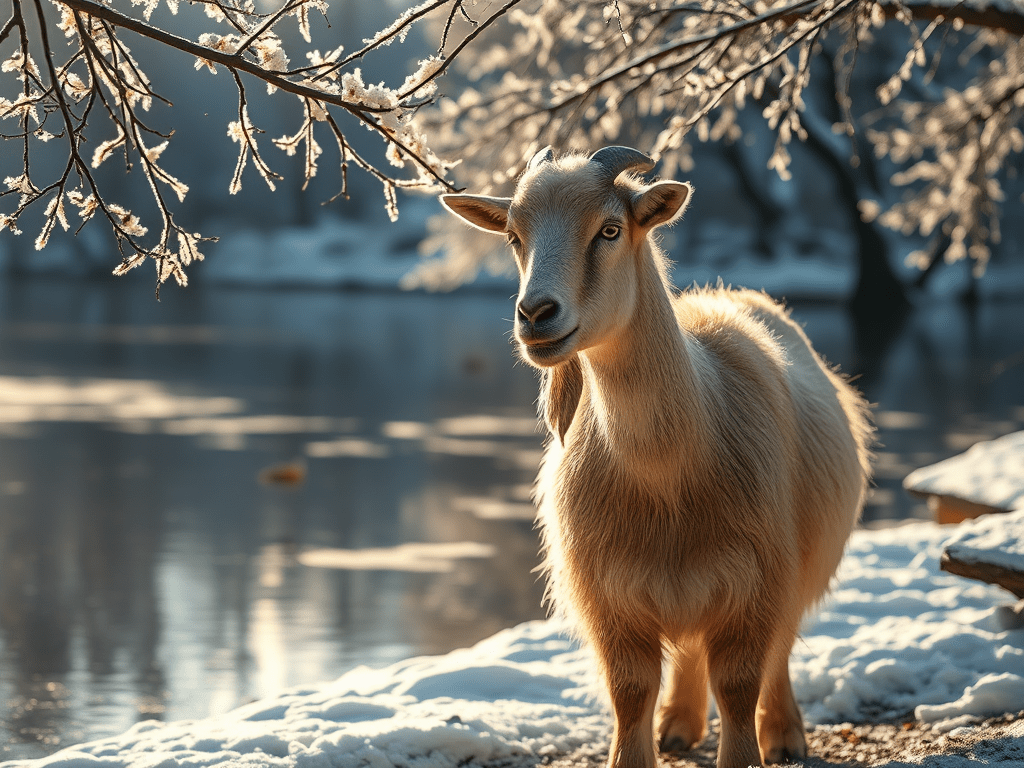
Farm water sources include wells, natural springs, surface water, rainwater, and municipal supplies. Ensuring water quality through regular testing is essential due to factors like contaminants. Winter poses challenges for water accessibility. Understanding each source’s advantages and drawbacks is crucial for maintaining animal hydration and overall farm health.
February Newsletter
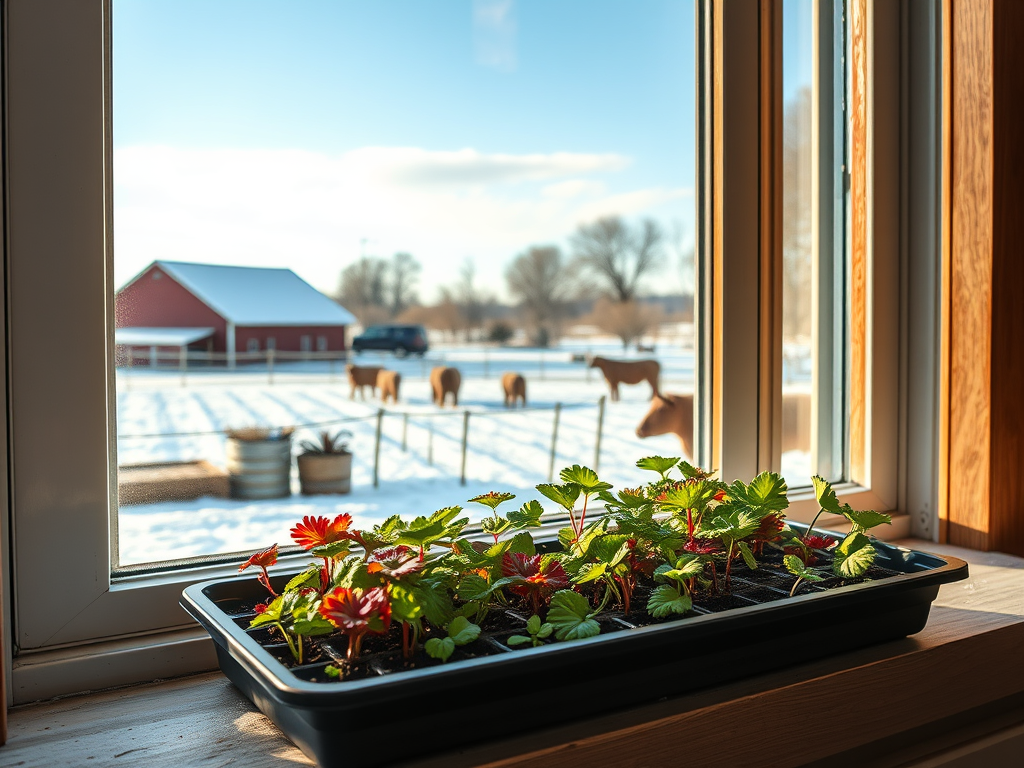
February’s newsletter emphasizes preparing for spring amid winter’s harshness. Key activities include starting seeds indoors, inspecting livestock and compost, and planning projects. Care for houseplants and animals is vital, especially with colder temperatures. Community engagement, disaster preparedness, and inspiration from other farms or botanical gardens are encouraged. Stay warm and connected.
Forage Species for Your Rotational Grazing Operations Part 1
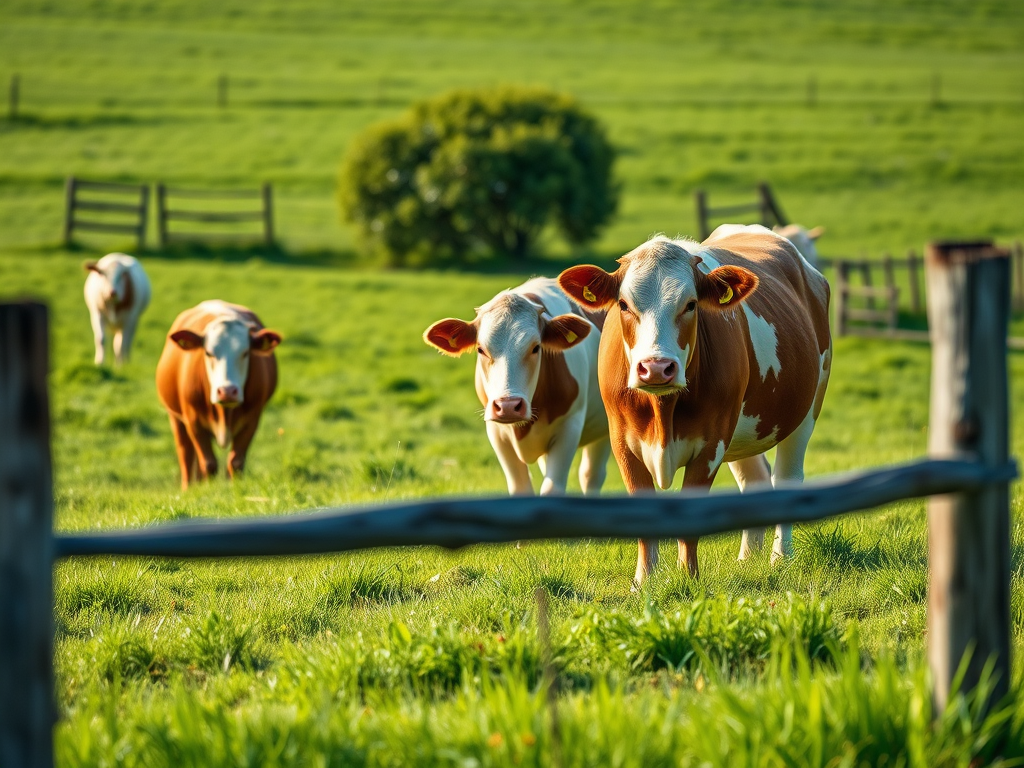
Starting or renovating a pasture requires careful consideration of forage species suited to your animals and goals. Key factors include soil testing, choosing between mixed or pure stands, and managing weeds. Selecting appropriate forages based on conditions and livestock needs enhances productivity and ensures successful pasture management.
