

Your rage garden is a force to be reckoned with—a rebellion against fragility, a testament to persistence, and a glorious battlefield of roots and resilience. Let’s craft something that reflects that raw energy while giving new gardeners the tools to wield their own defiant greenery. Cultivating Fury Not all gardens whisper in the breeze. SomeContinue reading “Rage Gardening: Building your Warrior’s Journey.”
Author Archives: Ann Delchambre
How to Protect Goats from Predators
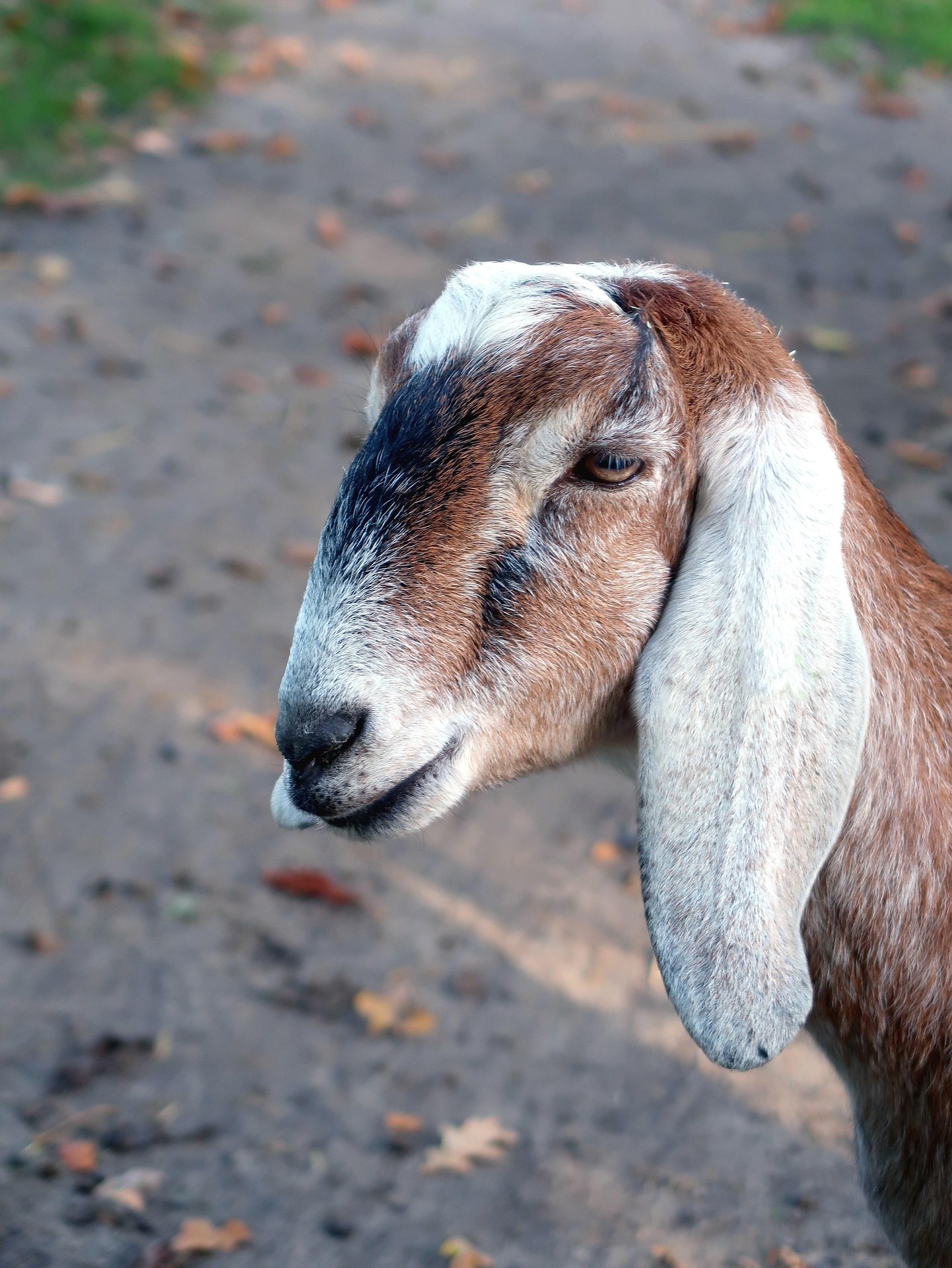
Goat farming can be a rewarding and sustainable practice, but it comes with its own set of challenges. One of the most significant threats to goat herds is predation. Predators such as coyotes, dogs, foxes, and even birds of prey can pose a serious risk to goats, especially young kids. Implementing effective predator protection strategiesContinue reading “How to Protect Goats from Predators”
Homestead Harald April
Homestead Harald Newsletter – Your Guide to Simple, Joyful Homesteading! 🏡
Save time, cut costs, and make homesteading more rewarding! Get expert tips on DIY projects, backyard farming, sustainable living, and more. COMING SOON: A FREE guide to growing the best tomatoes on the block!
📩 Subscribe now & start thriving
Understanding Holistic Farming and Integrated Pest Management
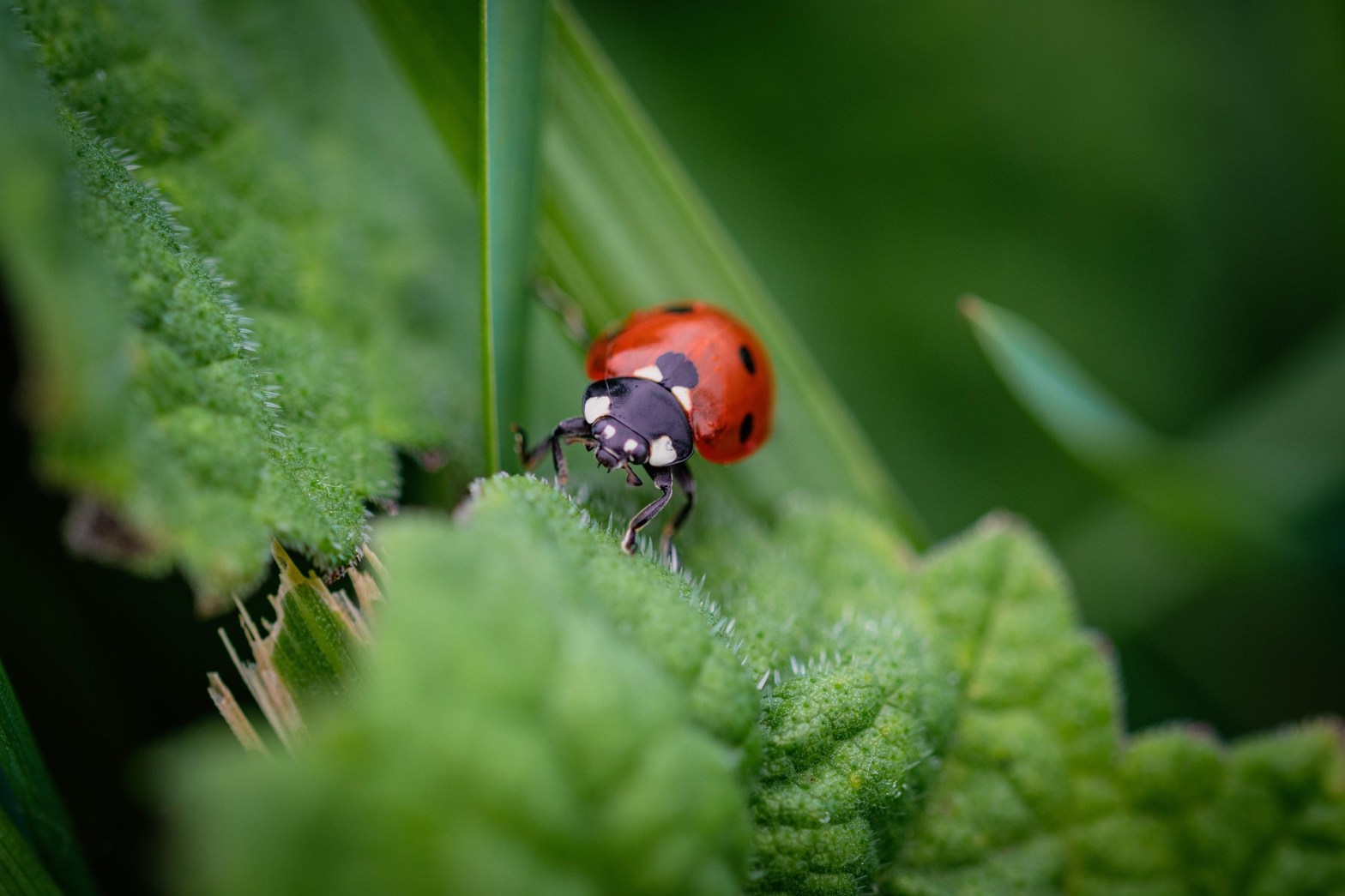
Integrated Pest Management (IPM) promotes sustainable farming by reducing chemical use, enhancing biodiversity, preserving soil and water quality, and improving crop resilience. It employs prevention, monitoring, and targeted control methods, fostering healthier ecosystems while supporting economic viability for farmers. IPM aligns agricultural practices with ecological principles for long-term sustainability.
Goat Fencing: Ensuring Safety and Containment
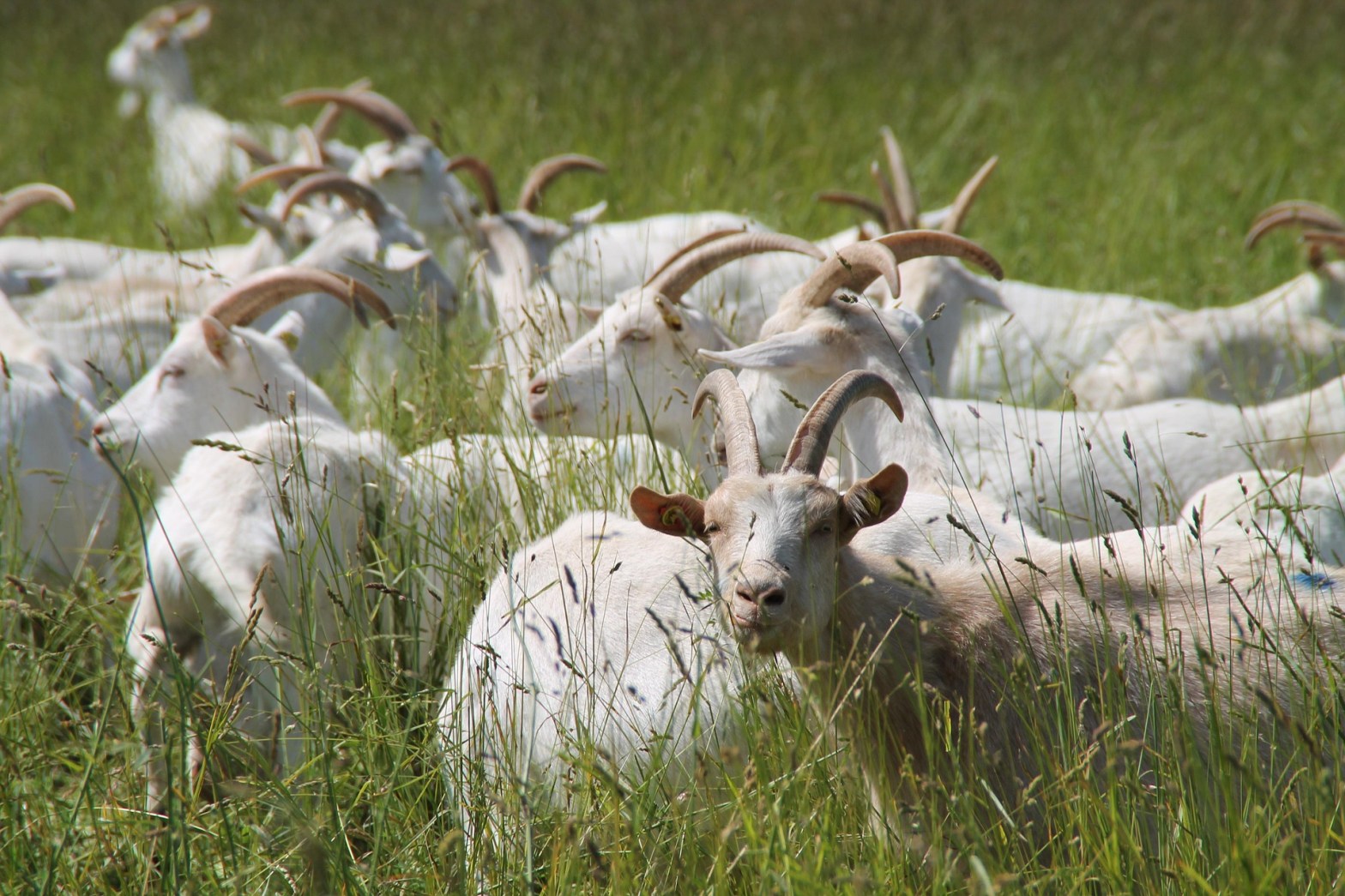
Fencing is vital for goat farming, ensuring safety and containment while protecting from predators. Understanding goat behavior, such as their climbing instincts and escape capabilities, is essential for selecting appropriate fencing like woven wire or electric options. Additionally, creating a secure shelter with proper ventilation, flooring, and cleanliness promotes goats’ well-being.
Time Management Tips for Animal Care on Your Homestead

Incorporating animals into your homestead is a fulfilling step, but it also demands careful consideration of time management. Animals require daily care and attention, and balancing their needs with other homesteading responsibilities is key to maintaining a successful and enjoyable lifestyle. Here are some tips to help you manage your time effectively: Start Small BeginContinue reading “Time Management Tips for Animal Care on Your Homestead”
Confidently Identify Grasses: Tips and Techniques

This guide on grass identification emphasizes the importance of learning key characteristics like growth habits, seed heads, leaf shapes, and collar regions to accurately recognize different grass species. While apps can assist, developing skills through observation will provide a valuable expertise. Mastering these traits enables better land management decisions and a deeper connection with nature.
Best Easy-Care Animals for Your Homestead

Introducing animals to your homestead is a vital step in achieving self-sufficiency. Beginners should select manageable, adaptable animals that provide resources like eggs, milk, or manure. Starting small, establishing routines, and investing in efficient tools are essential for effective time management, ensuring a fulfilling and successful homesteading experience.
Goat Grazing: A Cost-Effective Solution for Land Management

Goat grazing offers numerous advantages, such as economic sustainability, improved animal health, and effective weed control, while also requiring careful management to address challenges like weather impacts and predator threats. Mastering grazing techniques transforms land and livestock care, ultimately fostering a sustainable and thriving agricultural ecosystem.
Essential Steps for Starting a Small Farm Homestead with Animals
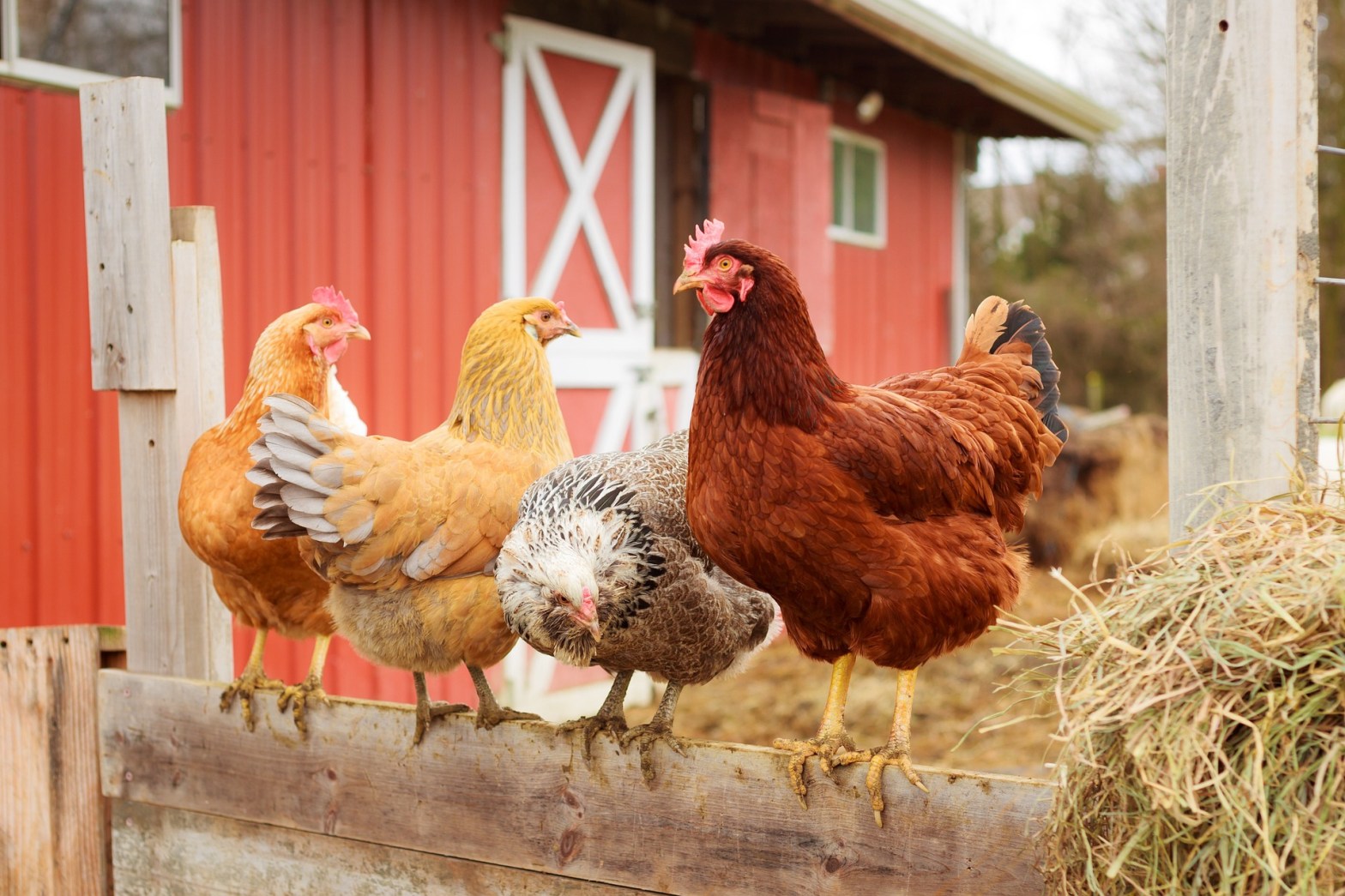
This guide introduces newcomers to small farm homesteading, emphasizing the importance of understanding animal care, housing, nutrition, and local regulations. It encourages starting with low-maintenance animals, promotes gradual expansion, and highlights community involvement and record-keeping as key to successful and sustainable homesteading practices. Embrace the journey with enthusiasm!
