
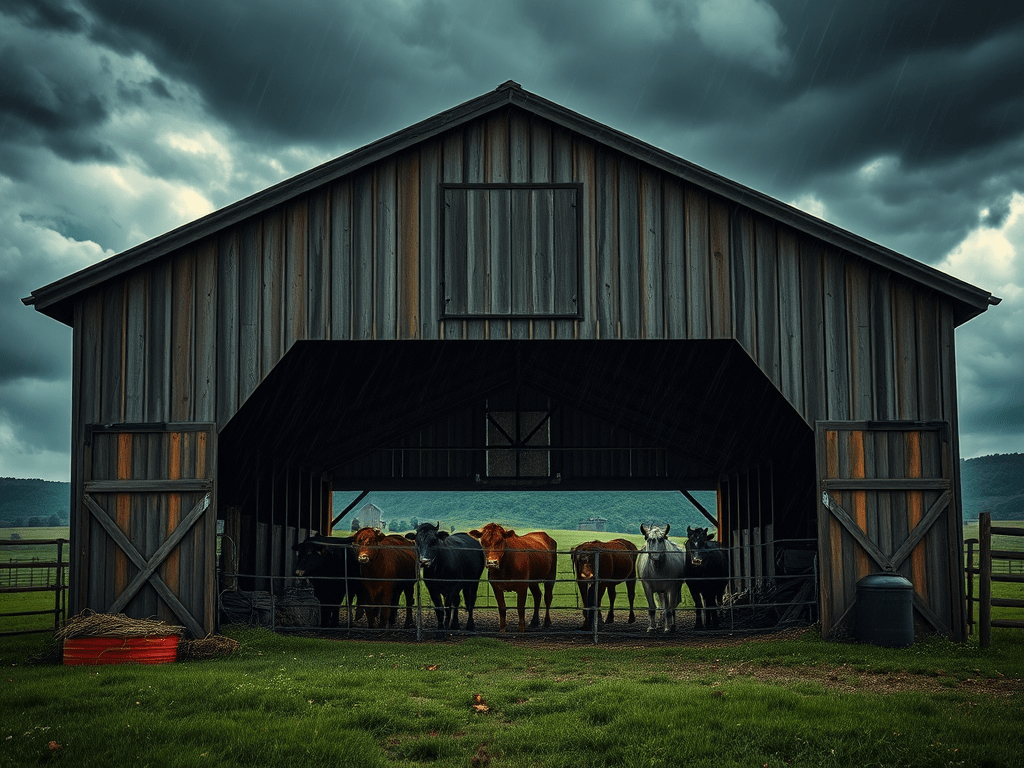
Animals and Livestock in a Disaster
We’ve all seen those heartbreaking scenes on TV where animals are swept away in floods or stuck in mud. It’s devastating to hear about someone’s cows getting stranded or a barn fire that kills horses. As much as we don’t like to think about worst-case scenarios, it’s crucial to make a plan for your animals just in case. You are responsible for the animals in your care. Making a plan doesn’t have to be complicated or difficult. It can be a lifesaver, literally, for your animals and possibly your livelihood. Make sure you discuss your plan with your family or anyone involved with your animals. Communication is key to implementing a plan when it’s needed. Hopefully, your plan is never needed, and you and your animals can live a happy, healthy life without having to live through a disaster.
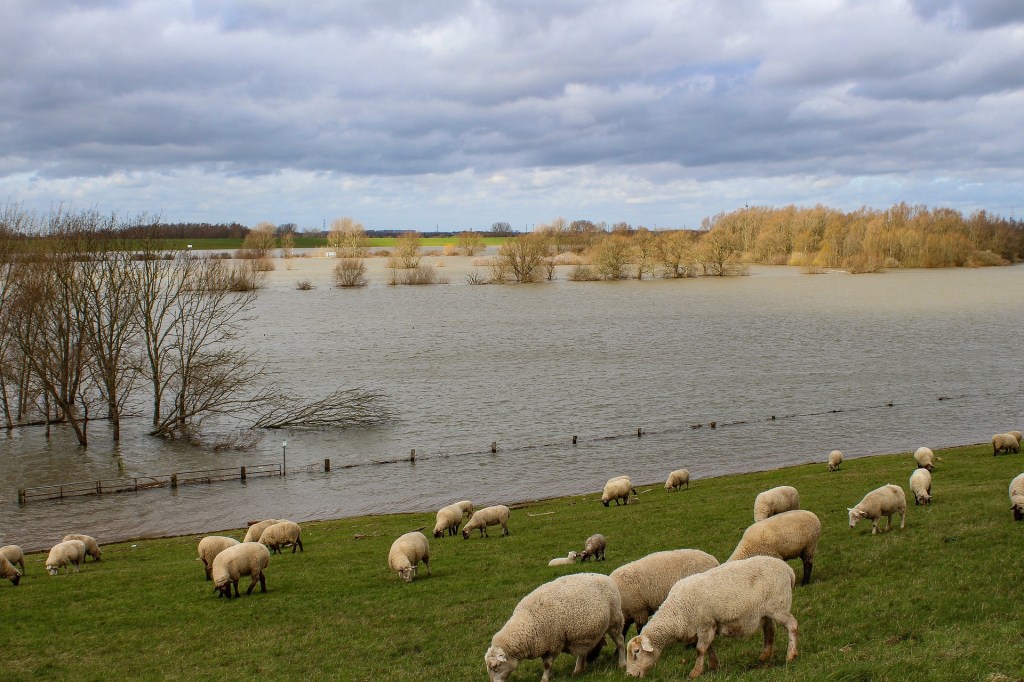
Have a Plan!
It’s always a good idea to have a disaster plan just in case of an emergency. Bad weather with snow and cold makes it even more important to have a plan. Cold weather can complicate things further. Here are a few key points to consider:

- Shelter: Ensure you have a sturdy shelter that can protect animals and livestock from the elements. It should be able to withstand high winds and heavy rain and keep them dry. Consider building it on high ground to avoid flooding.
- Containment: Plan how your animals will be contained if your fences become damaged. Do you have Material on hand to repair fences?
- Food and Water: Ensure you have adequate supplies for animals and livestock. This is crucial if you aren’t able to reach them for a day or so. They should have plenty of food and a steady supply of water to sustain them throughout a severe weather event. During extremely cold temperatures, water will freeze. You will need to break up ice or replace the water.
- Cooling: Excessive heat can be hazardous to livestock and other animals. Make sure shaded areas are available and provide an adequate amount of water. Animals will drink more on extremely hot days.
- Bedding: During a blizzard or extremely frigid weather, warm bedding is essential for all livestock. Heavy rains can also make the air cold and moist, so dry bedding is necessary.
- Movement: Plan how you will move your animals if needed. Do you have a truck and trailer? What happens if the roads are impassable?
- Relocation: If you need to take your animals somewhere, where will you take them? Make arrangements for animals before a disaster arises.
- Identification: Ensure your animals have some form of identification, such as tags, collars, or even paint on their fur.
- Emergency Kit: Have an emergency kit for your animals with first aid supplies and any medications that might be needed.
- Containers: Have containers for food and water for your animals, such as buckets with lids.
- Local Emergency Management Plan: Become familiar with your local emergency management plan. Often, the emergency management team for a local county will have a plan for a county-wide emergency. It would be wise to become familiar with the plan, especially if you need to move large animals.
Where to Start?
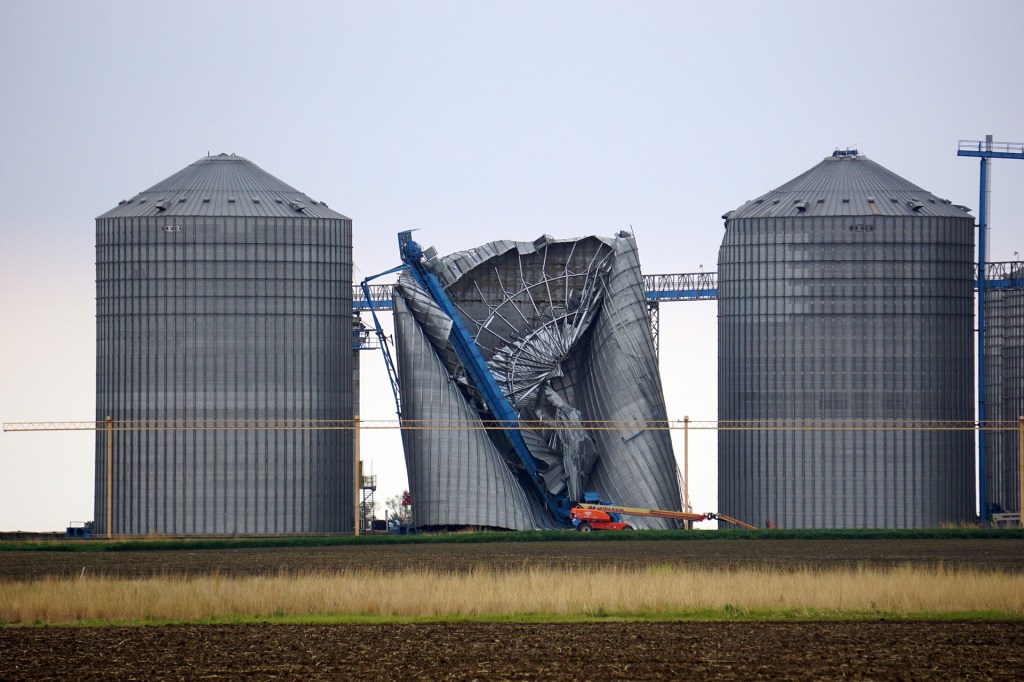
Start with a Livestock Evacuation Kit:
- Feed
- Water
- Supplements
- Supplies (medications, rope/lariat, halters/leads, cleaning supplies, knives, etc.)
- Copies of Papers Veterinary records and proof of ownership. It is also a good idea to have copies of any insurance paperwork too.Review your kit regularly to ensure contents, especially feed and medicines, are fresh.
What Type of Emergency?
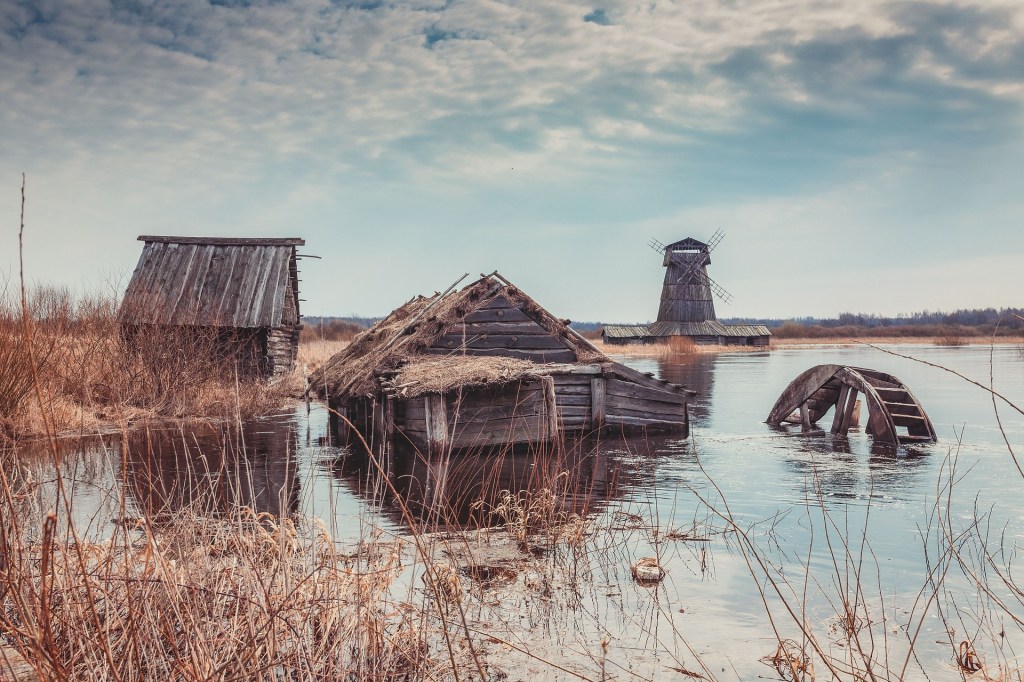
It’s always a good idea to find out what types of emergencies could happen where you live. Determine whether you need to make any specific preparations because of them. In the Midwest, we mainly experience weather-related emergencies. These include loss of electricity for extended periods, tornadoes, ice storms, and flooding. How do you keep your family safe during the emergency? Look at your property too. Do you have lakes or rivers nearby? Is there soft ground that gets muddy? Do you have areas where your livestock could get trapped or cut off due to fallen trees or flooding? What condition are the access roads on your property? All of these can affect how you can take care of your animals during an emergency.
A good basic emergency plan is to keep your livestock with you; what’s best for you is typically what’s best for your livestock. Animals will deal better with the stress if they are able to stay at their home. Plan to stay if it’s safe to do so. Have a plan to leave if ordered to evacuate. When disaster strikes, follow the instructions of local emergency management to safeguard yourself, your family, and your livestock.
Get Involved

Get involved with your local emergency planning committee(s). This is a great way to have a say in what happens during an emergency. Having a representative from the small farms or livestock community will help ensure your livelihoods and property are protected too.
For more information about animals in disasters, check out the USDA’s livestock preparedness fact sheets.
Do You Have a Plan for Your Livestock Should Disaster Strike?
If you want more information about protecting livestock during a disaster, check out this page with a lot of links to resources to help livestock in disaster.
Protecting Livestock During a Disaster | Animal and Plant Health Inspection Service
For more information please subscript to Anything Agriculture.com and check our videos on YouTube Anything Agriculture. We are also on Pinterest, Facebook and Instagram.
Check out some other articles about animals
Winter Water Line Installation
Top Tips to Prevent Frozen Water for Animals
Top Tips to Prevent Frozen Water for Animals
Thank you for reading! If you want more information and updates, please subscribe to my newsletter. Get the latest blog posts and new offers right in your email. It’s free to subscribe, and you’ll receive loads of information at no cost.
Don’t forget to check out Anything Agriculture on social media! Follow us on YouTube, Facebook, Instagram, and Pinterest for more great content. Like and subscribe to stay connected!
Ready to take your homesteading journey to the next level? Book an appointment with me today! With decades of experience, I provide personalized advice to solve any homesteading challenge. Whether you’re a newbie or a seasoned homesteader, I offer expert guidance to make your homestead thrive. Don’t miss out—schedule a chat and unlock the full potential of your homestead with Anything Agriculture. Let’s turn your dreams into reality!


Discover more from Anything Agriculture
Subscribe to get the latest posts sent to your email.
