What is Rotational Grazing? Is it worth it? What can it do for my farm? How do I start?
Rotational grazing is often misunderstood. There are a lot of parts to the system which can be intimidating. Rotational grazing is an awesome system that it can be fitted to almost any operation involving animals. Rotational grazing can be scaled up or down for a small farm. This system can be used as a small system on a homestead or larger system to encompass entire solar farms. The principles are the same. This can be implemented for just about any livestock. Cows, goats, sheep, alpacas, llamas, chickens or anything else that benefits from being on good grazing.
What is Rotational Grazing all about?
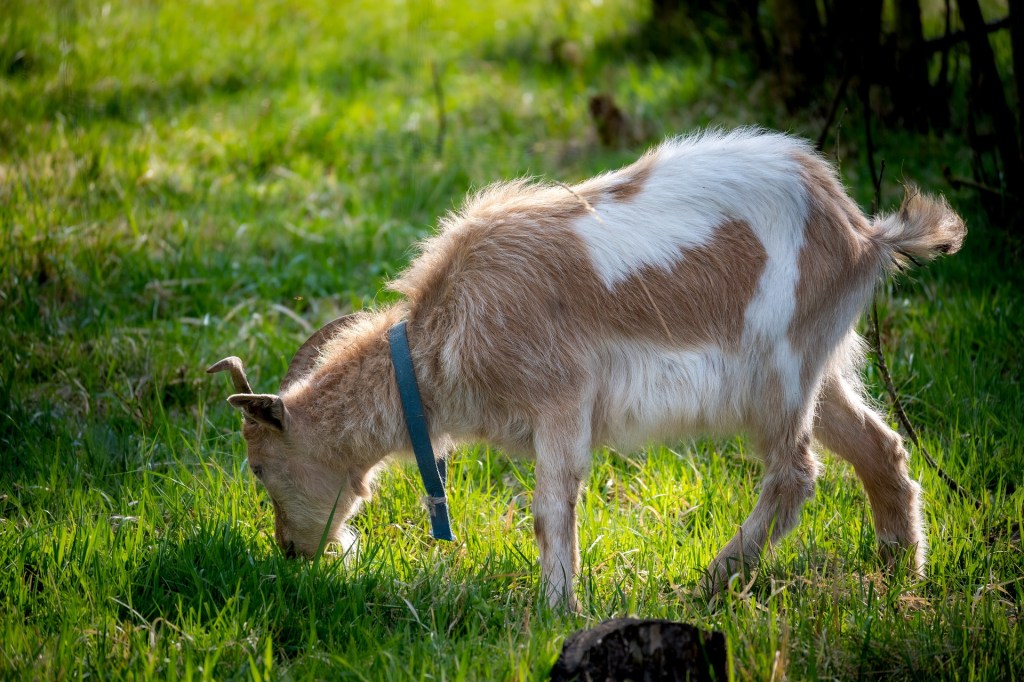
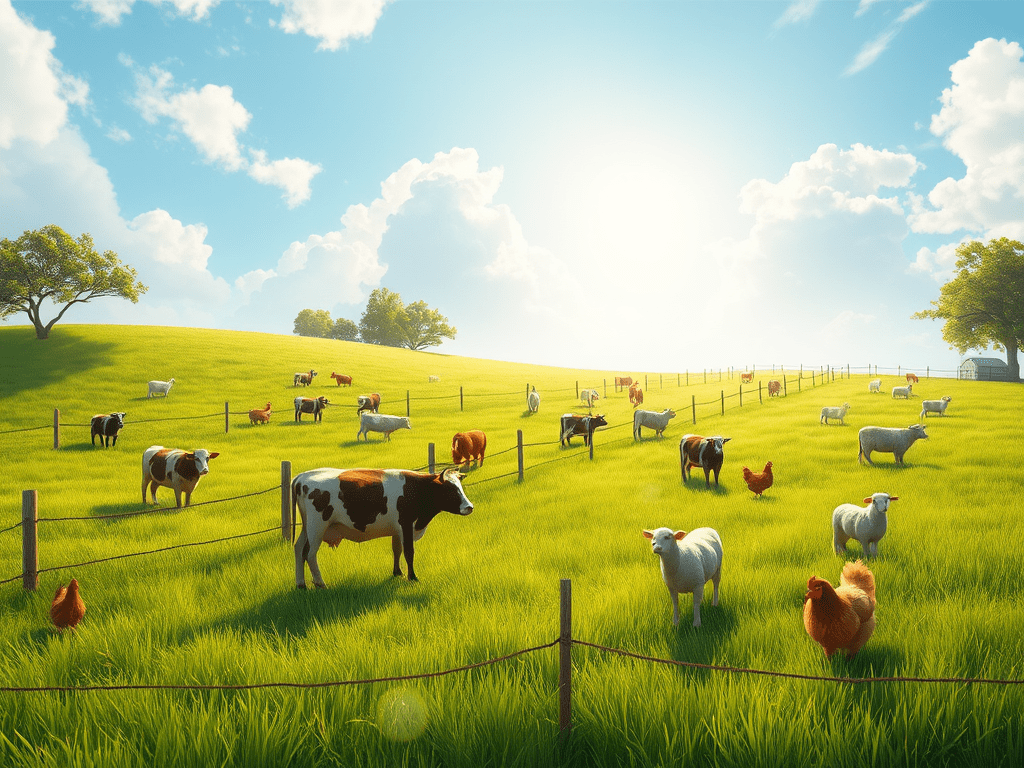
Lets get familiar with the concept of rotational grazing. Rotational grazing is when you move animals from one pasture to another when the quality of forage is depleted. The grazed pasture gets to rest as the animals are moved to the next one. Rotational grazing allows the pasture to get totally grazed down. Still, it does not allow the animal to damage the pasture. This system requires keeping an eye on the pastures and animals. There are a ton of benefits to a rotational grazing system.
Benefits of Rotational Grazing
- It reduces feed costs.
- You have a superior product.
- Pasture is good for the animals. The animals have fewer health issues.
- Livestock is easier to handle.
- Rotational grazing reduces the need for pesticides.
- Ground covered by vegetation helps with water penetration into the soil and slows water runoff.
- Land with vegetation is more drought tolerant.
- Healthy forages helps with biodiversity
- Constant vegetation helps the soil with its soil structure.
- Forages increase organic matter in the soils.
- Having actively growing vegetation helps sequester carbon.
- Healthy pastures limit soil erosion and improve local water quality.
- Rotational grazing keeps the land in production while helping provide a home for beneficial animals and insects.
- Eliminates manure handling and storage
- Increase forage quality
- Use land that may not be suitable for other crops.
- Can eliminate the need to store forages.
Rotational Grazing sounds great! what’s the downside?
There are plenty of resources for rotational grazing. I’ll give you the basics. There are plenty of resources available if you run into specific issues with your system. These systems are very individual and will require some tweaking along the way. At first they may seem time-consuming and resource-intensive to implement. However, in the long run, these systems are better for the animals and the land, making both more productive. Believe it or not rotational grazing can save you time and money on your farm.
Issues you may run into when developing a Rotational Grazing system
- It requires more fencing.
- It requires more labor initially.
- It requires water and shade to accessible in each rotational grazed pasture.
- Soil compaction can be an issues if livestock it not moved regularly enough.
- May increase parasite load if not done properly.
- Can seem like a long time to reap benefits.
- May require some creative solutions.
The problem with overgrazing.
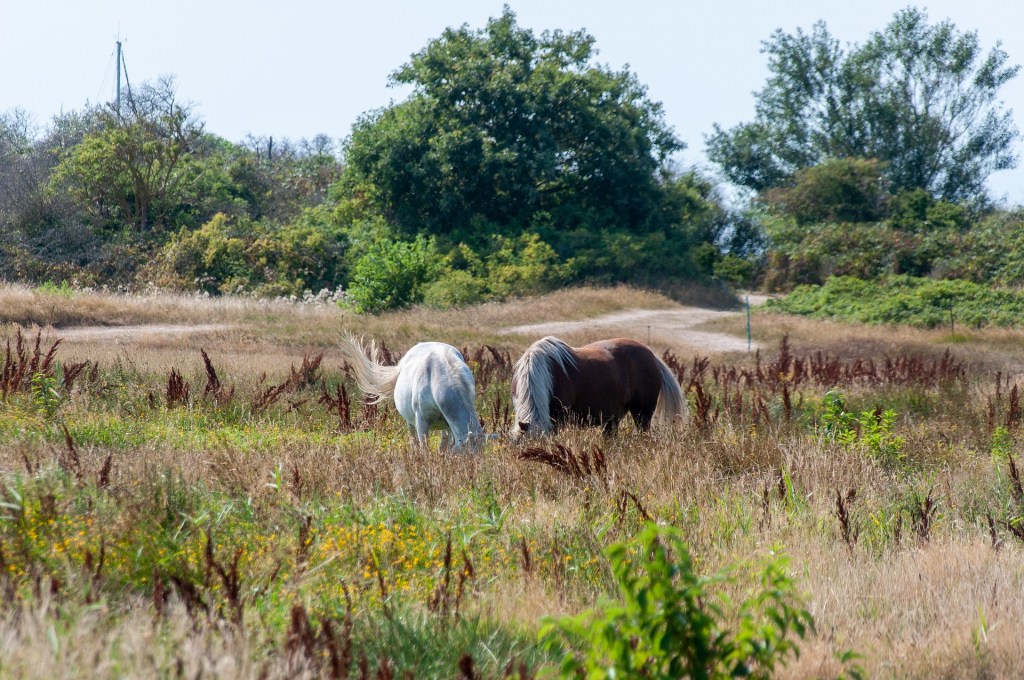
In a traditional system of conventional grazing, animals eat whatever, whenever they want. This may seem like a good deal. It seems like lower costs for labor and less time. What may seem easy and cheap does not yield good products and isn’t a good investment. It’s bad for the soil. In the long run, continuous grazing has lower quality forage leading to the animal needing extra grain or minerals. Lower forage yield, in the long run, costs more by having to store or buy forages to supplement the animals. Lower stocking rates means your leaving money on the table. Stocking rates can be increased in a more intensive management situation. Overgrazing costs when there is damage to the pasture, and you have to deal with rehabilitating the pasture. Uneven manure distribution can lead to animal health issues especially parasites and pest issues. Handling the manure is another cost with equipment and time. Ground compaction is another very expensive issue that is caused by conventional grazing practices. This requires years of care and sometimes some very expensive equipment to fix.
Terminology check.
We will use the word “paddock” when discussing the rotational grazing system. The land will be divided into smaller portions. This will help make a distinctive difference between conventional and rotational grazing systems. A pasture will be the land that is the total of all of the paddocks. Explaining this terminology should help during this discussion to clear up any miscommunications.
Can Rotational Grazing avoid all of these conventional grazing problems?
Yes, it can and also offer more benefits in the long run. Eventually, it can lead to less inputs and end up with healthier and better animals. This leads to better profitability and high-quality products. It also extends the grazing session with much less labor and less storage of forages for winter months. It costs much less for animals to forage in good paddocks than it does to feed them. If done right, you don’t have to go and lug feed with you to feed the animals. People who start rotational grazing will see savings almost immediately when you don’t have to fire up the tractor and haul feed to your animals.
Lets talk about the benefits to the animals.
- Livestock have to be healthy to make a good quality product. Healthy, happy animals are essential to any operation. Your livestock will benefit in many ways.
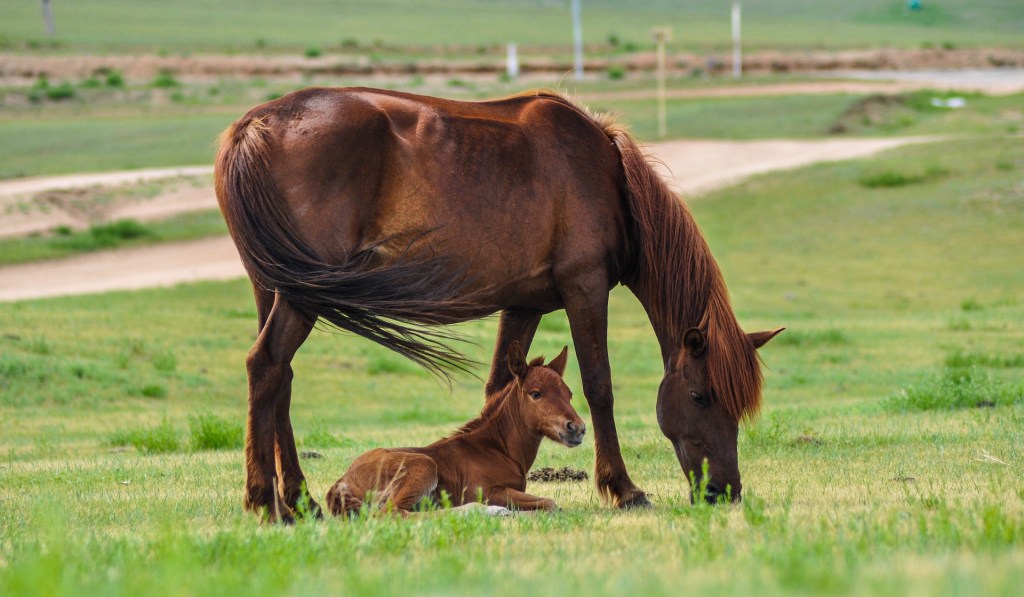
Livestock benefits:
- Reduced feet or hoof issues.
- Increase in live births.
- Reduce parasites (very important in goats and sheep).
- Reduced mastitis issues in lactating animals.
- Reduce fly and pest problems.
- Less social stress.
- Less aggressive behaviors.
- Less aggression toward handlers.
Benefits to the environment.
Rotational grazing lowers the impact of animals on the environment. In many ways it helps the environment.
- Less water run off.
- Better water infiltration in the soil.
- Better water quality.
- Less erosion.
- Better watershed and water quality.
- More biodiversity in pastures.
- More beneficial insects.
- Habitat for wild animals and insects.
Management benefits.
Managing livestock can be dangerous at times. Especially when livestock is stressed and upset. One question that gets asked is how do I move these animals?
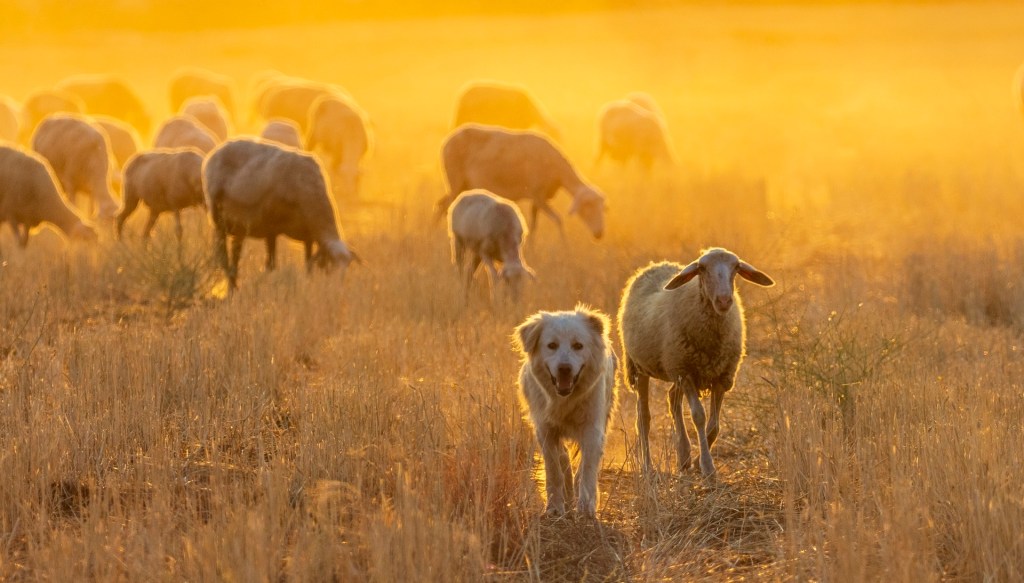
- The first few times when moving animals can be a little stressful. Soon the animals figure out when they receive better forage. They are willing to move for just a shake of a grain bucket. Most of my clients have no trouble moving their animals for one paddock to another. The animals become more accustomed to human beings around and are less aggressive toward them. I have also seen people use trained herding dogs to help move animals. Working dogs are a whole other issue. If this sounds like something you want to look into. Do your research and find a mentor to help.
Having a plan gives you the best chance of being successful!
Let’s talk about the different pieces of the rotational grazing plan. Forages, forage assessments, water, shelter, pasture and paddocks, fencing, soil testing. Depending on your property, you may have other issues to deal with because of your unique situations. Making a plan will help you avoid wasting time and resources. Plans can be adjusted to meet your needs.
Rotational Grazing Keystone.
Forages are the keystone of any rotational grazing system. Take care of your forages, the forage will take care of you. Once these plants are established, they are resilient and will take care of business. Forages can seem confusing, but with the right data you will be able to make choices best for your property.
Let talk forages.

Forages are the grasses or legumes your animal will eat. In rotational grazing, mixing grasses and legumes helps make up the nutritional need for your animals. Perennial grasses and legumes can recover very quickly from grazing and mowing. Mowing simulates the production of more forage. Grazing also helps stimulate plants grow more quickly. Rotational grazing leaves more plant matter in a pasture or paddock to aid in the paddock recovery. The rotation of the animals though paddocks leaves more of the plant also encourages plant root growth. This will help the forage to be more drought tolerant and aid the plant recovery from being grazed. The plan is not to stress the plants but to encourage them to grow. Healthy plants also have more reserves for surviving times when the plant has to go dormant. Grazing should never be allowed to grazed lower then 6 inches. This will harm your forage and take it a long time to recover.
In a conventional system, animals free graze. They only eat specific forages to the ground and damaging the plant. This behavior can lead to more weeds and less diversity in the pasture. This also leads to less plant growth so less forage available. Manure tends to build up in only a couple areas rather then being distributed thought out the paddock. Manure build up can cause pest and parasite issues.
The Pasture.
The Pasture, the total amount of land that you want to use in rotational grazing. The Pasture need to be evaluated for all its faults and positives. When the evaluation the pasture there are several things to take in consideration. The types of water available and forages that are currently available give you a starting point. Other things to take in consideration is the size of the area, other land adjoining, neighbors, and the topographic landscape.
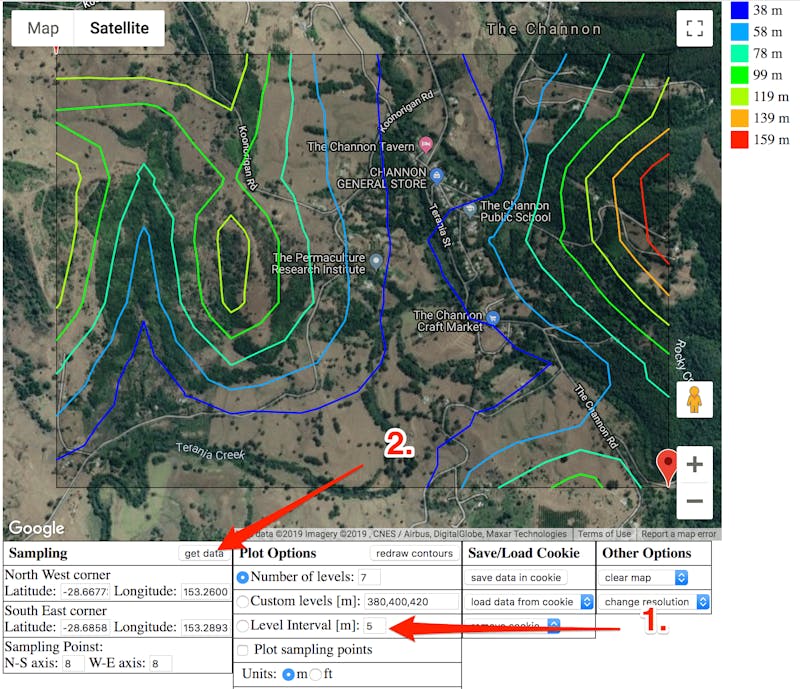
Evaluation the ground is very important. Look at the site. Obtain a topographic map. This can be done at the local land office or online. Evaluate for access to water and fencing issues for livestock. Identify any areas that could be a problem for livestock, such as ravines, runoff areas, and wetland areas.
Who are your neighbors? Do you have a factory near by? Are there farm operations? subdivisions of houses? Are you trying to run animals with or around solar panels? Don’t forget to that having good neighbor relations is important especially when animals are involved.
Side notes about solar panels.
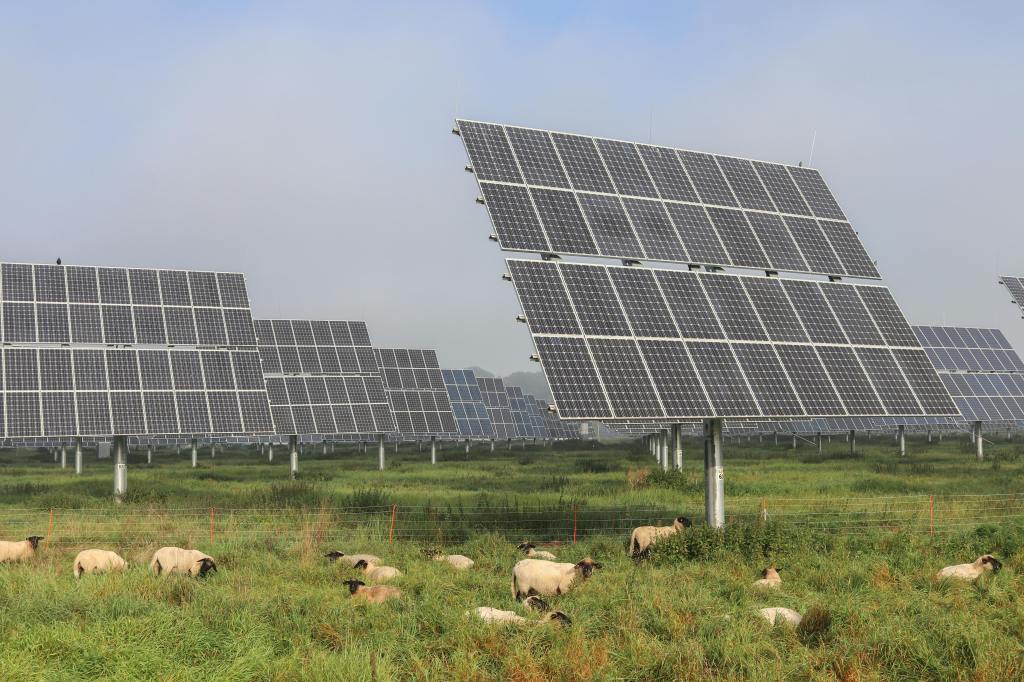
It is totally possible to graze under solar panels. It a great way to keep vegetation down round the panels while feeding you animals. Some questions to ask if this what you want to do are;
- What are the size and shape of the solar panels?
- How high are they above the ground?
- Are there places that get no sunlight?
- Do they rotate to different positions throughout the day?
- Will my chosen forages grow near solar panels or do i need to change to something else?
- What benefits do I get by running animals under solar panels?
Evaluate the soil types.
If you haven’t already, get soil tests. I have an article about how to take a soil test. A soil test will provide valuable information about the land’s capacity. It will also identify what needs to be added to the soil for improvement. Follow your tests. The soil test will help you determine what amendments you will need for your soil. How to apply those amendments is the next challenge.
What about compaction?
Compaction is a problem with fields is that the land has been disturbed or compacted. This is common in conventional pastures being turned into rotational grazing systems. Choice of forages can help with compaction but sometimes you may need to take more drastic action. Some ground is very compacted, and you will need to use equipment and intensive management to correct it. You will need to heal your ground before it can become productive. Determine where the compaction is impacting your paddocks. Widespread compaction throughout the pasture you may need to choose forages capable of busting up compaction. There are several cover crops that are great at this. It’s worth a little research to determine what will work for you. With all this information, What do we do with it now? We get even more information.
Evaluation of your current pastures.
Evaluation is the hardest thing to do. Evaluating your pastures without bias is difficult. You have to know what you have before you can decide what need to change. Hopefully by now, you have a map of our property, and you have decided where you want to put your pasture.
Be objective. It’s ok, if your pasture is not in great shape. You need to know what needs to be addressed before you can be successful. Most pastures need to help to become optimal for livestock and rotational grazing. It is crucial that you are as honest as possible. This will help you in the long run with better pasture and happier animals.
It is a good idea to evaluate your pastures at least once a year and keep good records. It’s a good idea to have someone else evaluate your pastures initially. This helps with bias.
I have had to be the person who pointed out what the client didn’t want to see. I had a client once who had two cows in a pasture that had nothing for the animal to eat. It was green but it was about 2 inches tall. The cattle were starving to death even though the pasture was green. It was not suitable for cattle or any grazing animal. There simply wasn’t enough forage. The client couldn’t believe that there wasn’t any forage in the pasture. One of the cows died while the other was severely underweight. The family took it to get processed since it was too “expensive” to feed it. The processor only processed the animal as a mercy. Its a sad tale but one that happens pretty frequently. The client was thought he was doing the best for his animals, but didn’t realize the problem until someone else pointed it out. I only wish I could have helped out earlier and they could have had a better outcome.
It’s ok to make mistakes. It’s not ok to make the same mistake over and over again. It is important to have another person look at your pastures. It’s easy to be overlook issues. Having someone to look at your property for an evaluation can have some eye-opening revelations
Desirable Forages.
You’re about to become an expert in identifying forages in your pastures. It is important to have desirable plants. Desirable forages are plants that livestock will eat, will meet their nutritional needs and are high yielding. Learning all you can about forages will give you a clue about what forage will do well in your pasture. Undesirable plants can be woody invaders, noxious weeds, toxic plants, and unpalatable plants. Even if you have desirable plants in your paddocks ,they still may not be in good shape. For example, if you have a paddock with a bunch of bluegrass, but it is really short, it won’t give you want your animals need. Bluegrass is a great forage but if it isn’t yielding a lot of forage for your animals. When determining the percentage of forages, you need to look how much of the plant is available. For example, if you have a stand of short orchard grass. That may be less than weight then the small stand of timothy that happens to be a lot taller. You will need to learn what different forages look like. After a while you will become very good at determining the yield of your pastures. This take time and practice.
How much ground is covered by desirable plants?
It is ideal that all the ground is covered with desirable plants. Most people do not have the ideal pasture right away. It takes time to cultivate a pasture that will sustain your animals. You are going to look at the density of plants in a specific area. To help with narrowing down your view. Take a hula hoop and just look at the plants in that area. A well-managed pasture will not negatively affect soils, water or environment. Take note of how much bear ground is visible. Also take now of how density the forages are. and what is the percentage of weeds within that hula-hoop.

Forage evaluation.
- Species of plants
- Number of desirable plants
- Number of undesirable plants
- Density of plants
- Health of those plants
- Plant residue (dead plant matter)
- Any legumes (how many)
- How uniform are plants in the area
- Compaction issues
- Erosion issues
Setting up your paddocks.
Setting up the Paddocks is one area that seems to cause trouble a lot of grazing operations. Breaking up a large area into smaller areas seems like an easy task. However, there is a lot to take into consideration. You should be armed with a lot of data by now. You should have water sources, soil tests, forage survey, map of your property, and pasture survey. Now let’s start using it.
First, get a topographic map of your property. These are usually available on a local GIS website or contact the local survey or plan commission office. Mark on the map where your potential pastures with something that is erasable. That way changes are easy to make.
Second, Mark all the water sources on your map. Use a different color or symbols to denote the water sources.
Third, mark on the map where the soil tests were taken. It is helpful to add any info that would be important such as pH issues or nutrient deficiency. If you took the GPS of you soil tests this make is easier to plot on the map.
Fourth, Look at the forage surveys. I would mark areas where there are weeds or thin forages. If you took the GPS of the forage survey this should make it easier to put on the map.
Fifth, mark where shade areas and problem areas are on the map.
This should give you an idea of the state of your pastures and what you are working with. Using this information now try to draw lines for you paddocks. Now it’s time to start working on your paddock configuration. Once you have a basic idea of where the paddocks should be then evaluate each new paddock. Change paddock to have water and shelter and enough size for your livestock. Experiment, and make changes to meet your needs. This map will change as you get more information. Use this Map to start planning what you need to do to make rotational grazing work. Be aware of fence lines and water resources. Experiment using the map, it’s a lot easier to erase some lines on a map then move whole fence lines.
Don’t Forget the Water!
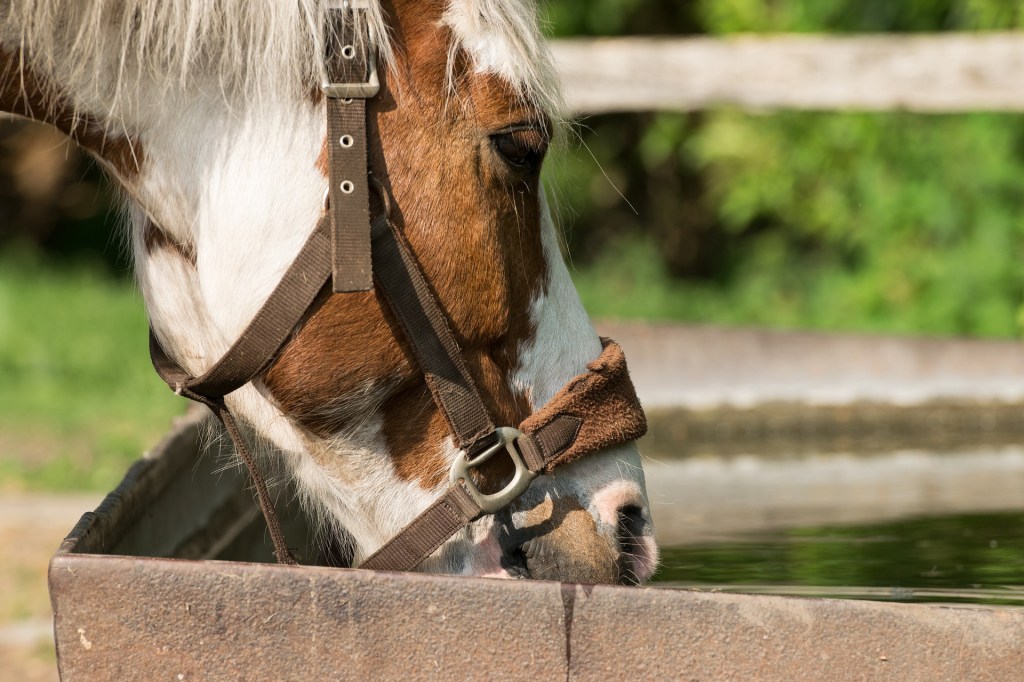
How are the animals getting the water they need? Are you hauling it in or are there water sources within the pastures? What is the land like near the water source? Is mud a problem?
Animals need water available in each pasture. This can take some creative planning to ensure enough water is available.
Water! Water! Water!
Water is the most limiting factor you need to figure out for your paddocks. You want to make sure water sources are within 400 to 800 ft of animals depending on the animals. Using natural water such as ponds and rivers can make layout very challenging and manure runoff a constant issue. Figuring out how to pipe water into the paddocks can make layout easier and the quality better. I had a client whose herd would not drink out of a pond since they only ever drank out of stock tanks. This presented an issue with their rotational grazing plan using the pond as the water source. They had to pump the water from the pond to the stock tanks. While it was an unforeseen issue, pumping the water had the added benefit that the water quality was better. They didn’t have to deal with manure runoff in the pond making the pond water contaminated. Being flexible and a problem solver will help make setting up rotation grazing process easier.
Keep water close to the animals. Most animals will not walk a long way for water, animals like to stay around the water. Be aware of this behavior and take it in consideration when setting up your paddocks. Fresh water is necessary for animals and having it close and visible to them is important.
How do I pick the right stock tank? Most people will use whatever they have on hand. That works as long as it is big enough to suit your animal needs.
How does it get refilled? Do you do it by hand or does it refill automatically? How much water does my animal need? Some ballpark water requirements for different species are in the table below.
| Species /per animal | Water requirements |
| Beef cattle | 14.3-20.6 gallons per day |
| Milk cows (max production) | 35-41 gallons per day |
| Horses | 11-22 gallons per day |
| sheep | 1-3 gallons per day |
| swine | 2-6 gallons per day |
| Goats ( depends on lactation) | 1-2 gallons per day |
| llamas | 1-2 gallons per day |
These numbers vary depending on the life cycle of the animal. Lactating animals will need more water then mature animals. Mature animals will need more than young animals. A rule of thumb is to provide 30 gallon per mature animal weight of 1000 lbs. For example, that 5, 200 lb goats would need about 30 gallons of water per day. Don’t for get the weather will also affect how much water an animal needs.
Muddy areas?

Muddy conditions and erosion are common around water areas. These issues occur because nothing is growing to hold the soil in place. Uses of geo-textiles with coarse ag lime and crushed stone can help an area that is permanently bare soil or muddy. The geo-textiles are a good method of handling these areas. Water can flow through the fabric. As a result, run off is limited. Using crushed rock or concrete can work as well to control mud. The site will need proper preparation for the use of any of these methods. Do not use any organic material as they will rot and just make more of an issue. Don’t use wood chips, straw or mulch. These will lead to more problems and need to be constantly redone to remain effective.
Land Layout.
Land layout can be complicated with more than one species in your rotation. For example, grazing goats may be fine on a hillside, but cows may rip up the hillside. This is where your soil test data and topographic map come in handy. Using this to figure where to run productive paddocks. Take note of drainage and run off of each paddock. Most animals would prefer not to graze wet, soggy ground. This type of ground can cause injuries and health issues. A wet paddock might be better for summer when its dryer then spring or fall grazing. You may be able to use this to your advantage by planning the rotation for summertime and planting forages that will do well in summer heat. Planting forages that will help the build the soil could help with a problem area.
Keeping paddocks square or rectangle is best but not always possible. Animals like horses, llamas, alpacas, and emus prefer longer, more rectangular paddocks. Sometimes that isn’t possible based on your land. That’s ok. I have seen a pie shaped rotational grazing situation that work out well too. This can be very individual depending on your land.
- Good target to aim for is moving animals every week or every two weeks depending on you paddock arrangement. This is a good place to start. As you and your animals become more comfortable with the system you can tweak how long your animals stay on a particular paddock. Animals can be moved more or less depending on the forage quality available. Weather also can play a role in forage quality and how often animals need to move. I have seen some operations that move their animals every 12 hours. You can achieve higher stocking rates when you move animals more often. How often an animal gets moved can be determined by the livestock. An example of rotation based on species as follows.
| livestock | Day in paddock |
| goats | 1-4 days |
| cows | 3-5 days |
| Stock cattle | 1-3 days |
| Dairy | 12 hours to 1 day |
| chickens | 1-3 days |
| ewe/lamb | 2-4 days |
| Feeder lamb | 1-3 days |
| Horse | 3-5 days |
- Note: These are examples. Your operation may look very different. You may have longer times between animal movements. These rotations are with 1-acre paddocks and only a couple of animals.
Good fences make good neighbors.
Fencing is the most important part of any grazing system. Good strong fences are very important for keeping animals safe. In a rotational grazing system you will have two types of fencing, external and internal fences. This may seem pretty straight forward but there are a number of things to think about. Let’s dig in and figure out what works for your operation.
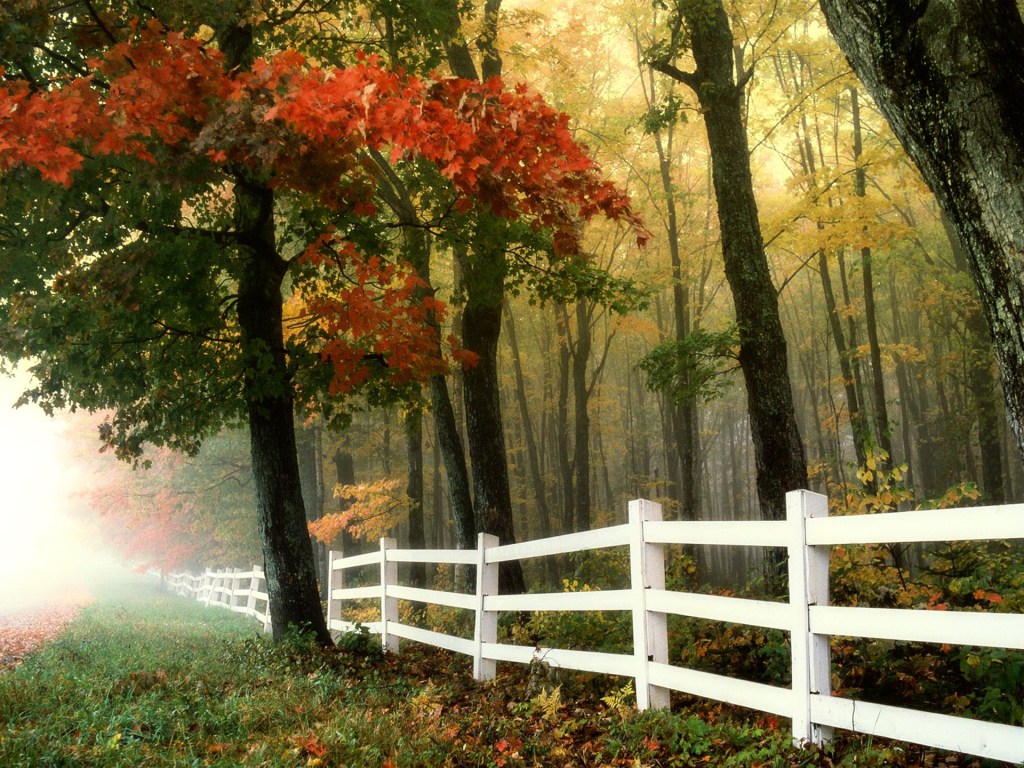
You will need external fencing. This is the fencing that will make you a good neighbor. They must be strong enough to contain your livestock and keep it on your property. These fences are sometimes called perimeter fences. In Indiana, it is law that the fence be sufficient to keep cattle, hogs, mules and sheep. It’s a good idea to be aware of any laws or ordinances that govern fences in your areas.
Internal fencing issues.
Internal or divisional fencing is what keeps your animal in a particular paddock. Remember that the whole idea is to graze an area completely. Then, move the animal to another paddock. Fencing has to be strong enough to deter them from wanting to get into another paddock. This can be done with either permanent or temporary fencing. Depending on the type of livestock will determine how robust your internal fencing needs to be. Use removable divisional fencing until you get your rotational grazing system working.
Temporary internal fences.
Temporary internal fences are great when you need to use them for a short period of time. These are great for cutting up large permanent pastures. They tend to be easy to take down and easy to adjust the paddock size when add or subtracting animals. When electrified, larger livestock will respect them. Smaller animals may require woven wire fences to help keep predators out and the animals in.
A quick note about electrified fencing. Electric fencing is a popular choice because it is so flexible. It is important to understand how electrified fencing works and how to repair them effectively. Make sure you are using the correct energizer for the fencing you have chosen. You wouldn’t want to have any accidents where an animal has gotten hurt. Look at manufacturer’s recommendations for more information. Also make sure you have proper grounding for your fencing and be sure to install protective devices. It is a good idea to install cutoffs every so often to make repairs easier.
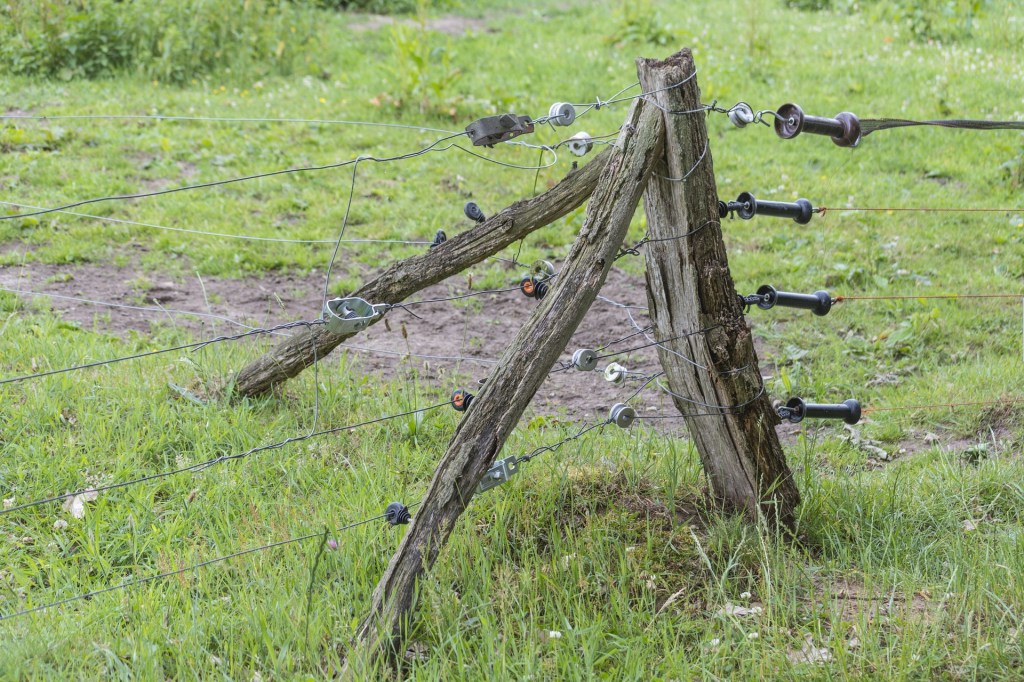
- Do your research for the fencing that will work best for you and your operation. There are many of opinions out there and not all of them are electrified. Cost can seem most important, but other issues such as maintenance and upkeep are big factors in determining the right fencing. Be prepared to spend money on the right fencing and you and your animals will be happier. Once the animals are trained to the new fencing and paddock arrangement, you will easily manage the fencing. Make sure you install any fencing properly taking time to ensure safety for you and your animals. Take the time, find the right fencing, install it correctly and fencing shouldn’t be an issues down the line.
Now what?
You are now armed with a lot of information that needs to be put into a form that you can use. You should have a map of your property with all of the forage analysis, soil tests, water, shelter and some preliminary lines for paddocks. Lets take a closer look at your information to see what needs to be addressed.
Look at your soil tests. Are any of your paddocks similar in the soil tests? Are there soil tests that are very different? It is best to group similar test results into paddocks. Use these soil tests for any amendments and forage selection for each paddock.
Remember the forage analysis? Now look at how much forage is available in each paddock. Which paddock needs extensive restoration? Which paddock needs more care due to compaction or erosion issues? Which paddocks would be better in summer months. Which paddocks has more shelter. Which paddocks have weeds?

With your map and all this information, you should be able to see where to start your rotational grazing plan. You should be able to determine how many paddocks you can have; Size of our paddocks and what work needs to be done to each paddock to maximize forage production. You should be able to use this map to identify what fencing needs to be installed and how often your paddock rotations can be. This map should also have any problem area that need to be address and any water issues you may have. This should help you Identify what work is necessary to get each paddock ready for your animals.
With your paddocks figured out it’s time to work on the forages themselves. What is your goal with the forages in your pasture? Are you stocking for spring and summer only? Do you have year round animals grazing? Are you looking to only graze warm months? This part is very personal to your operation and animals. Do your research, figure out which forages grow best for your land. Take Soil pH and nutrients in consideration. Do you need to add soil amendments to increase the forage productivity? Take the animal nutritional needs and sensitivities in consideration when choosing forages.
This should have given you enough information to give you a starting place. Its ok to start small and work up to more paddocks. It’s ok to tweak and change things that didn’t work. Its ok to fail and try again. Learn from your failures. There are sometimes unforeseen issues that did not show up in the initial evaluation. Keep trying. This is by far the best way to keep livestock on grazing. This may take some time to figure all out. It will become easier as you become more comfortable with the process. I will be covering more forage issues in my blog in the first Friday of each month. Look for Forage Friday. To keep getting forage topics and information in a timely fashion Please subscribe to my Blog Anything Agriculture.
Thank you for reading! If you want more information and updates, please subscribe to my newsletter. Get the latest blog posts and new offers right in your email. It’s free to subscribe, and you’ll receive loads of information at no cost.
Don’t forget to check out Anything Agriculture on social media! Follow us on YouTube, Facebook, Instagram, and Pinterest for more great content. Like and subscribe to stay connected!
Ready to take your homesteading journey to the next level? Book an appointment with me today! With decades of experience, I provide personalized advice to solve any homesteading challenge. Whether you’re a newbie or a seasoned homesteader, I offer expert guidance to make your homestead thrive. Don’t miss out—schedule a chat and unlock the full potential of your homestead with Anything Agriculture. Let’s turn your dreams into reality!


Discover more from Anything Agriculture
Subscribe to get the latest posts sent to your email.

2 thoughts on “How to Start Rotational Grazing on Your Farm”