

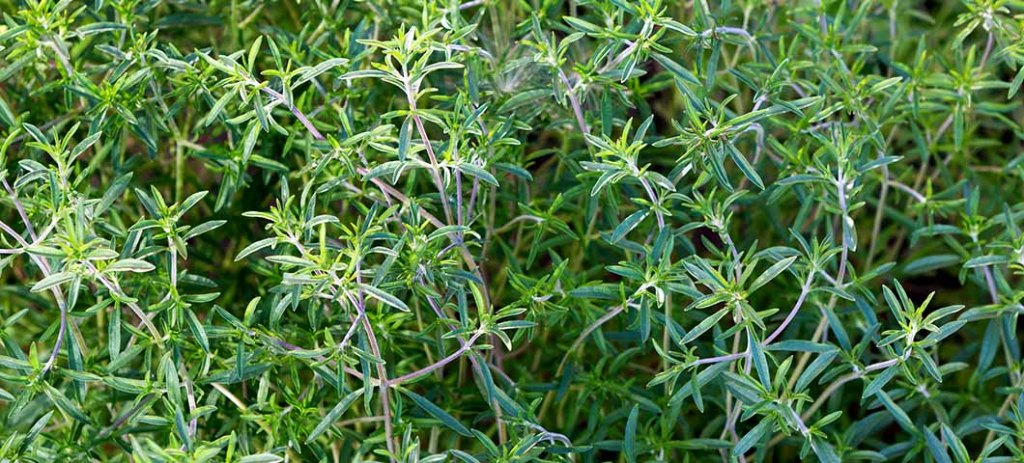
Savory steps into the Rage Garden like a sharp-tongued elder who has seen everything and still chooses to stand tall. It is bold yet refined, and it refuses to apologize for its strength. Before anything else, the reader needs to know that savory often travels in the same circles as thyme. They are not the same, but they share a lineage of fierce little herbs that have held kitchens and gardens together for centuries. Thyme is the quiet strategist, while savory is the one who speaks plainly and cuts through the noise. Together, they create a lineage of herbs that teach gardeners how to trust their instincts and claim their space.
The Difference Between Winter Savory and Summer Savory
Savory comes in two distinct forms, each carrying its own personality and purpose in the Rage Garden. Summer savory is the bright, quick-burning flame. It grows as an annual, racing through the warm months with tender leaves and a peppery flavor that feels lively and sharp. Its texture is soft, almost delicate, and its taste lifts dishes with a clean, herbal spark. Summer savory is the herb you reach for when you want freshness, when you want a little heat without heaviness, when you want your food to taste like sunshine and momentum.
Winter savory is its older, steadier counterpart. This variety is perennial, returning year after year with a deeper, earthier flavor and a structure that stands firm through cold seasons. Its leaves are tougher, its growth more compact, and its energy more grounded. Winter savory tastes like wisdom. It brings a richer, more resinous note to dishes, the kind of flavor that anchors stews, beans, roasted meats, and slow-cooked meals. Where summer savory dances, winter savory roots itself.
Both varieties share the same fierce spirit, but they express it differently. Summer savory teaches you to seize the moment and savor the season. Winter savory teaches you endurance and the beauty of returning stronger each year. Planting both gives your garden a full spectrum of flavor and resilience, a reminder that strength can be quick and bright or slow and steady, and both forms are powerful in their own way.
Folklore and the Protective Power of Savory
Savory has been used since ancient times as a protector herb, the kind of plant that stands at the threshold like a sentinel with its arms crossed. In old European lore, it was planted near doorways to keep bitterness out of the home and to strengthen the resolve of anyone who brushed past it. Some traditions claimed that savory sharpened the mind and steadied the heart, making it a favored herb for warriors, travelers, and anyone stepping into uncertain territory. It was believed to cut through confusion and deceit, clearing the path ahead like a blade through fog.
In the Rage Garden, this makes savory more than a seasoning. It becomes an ally. A boundary keeper. A reminder that your space is sacred and your voice is not up for negotiation. Savory carries the energy of clarity and courage, the kind of courage that does not roar but stands firm and unshakable. When you plant savory, you are planting a declaration that you are done shrinking. You are done softening your edges for the comfort of others.
Savory brings that energy to every bed it grows in. It whispers to the gardener that strength does not always look loud. Sometimes it looks like a small green mound holding its ground in the sun. Sometimes it looks like a plant that refuses to be pushed around by wind or drought. Savory teaches you to trust your instincts, to protect what matters, and to move through your garden and your life with intention. It is a herb that reminds you that resilience is not a performance. It is a practice. And every time you harvest a sprig you are harvesting a little piece of that ancient protective fire for yourself.
How to Grow Savory with Confidence
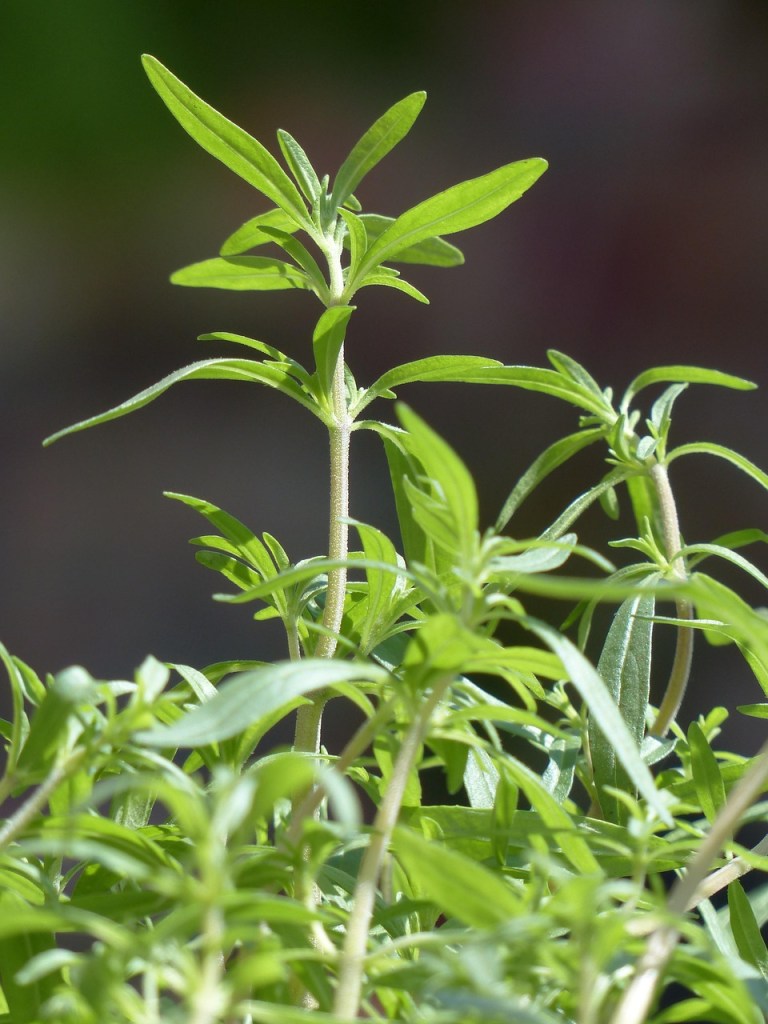
Growing savory is surprisingly simple, which is part of its undeniable charm. This herb thrives in full sun and well-drained soil, and it prefers to be left alone rather than fussed over. Savory is the kind of plant that rewards gardeners who trust the process instead of micromanaging every leaf. When you give it warmth, light, and space, it responds with vigor. Start seeds indoors in early spring or direct sow once the soil warms enough to welcome new life. The seedlings emerge quickly, small but determined, and all they ask for is lightly moist soil until their roots take hold. After that, Savory wants you to step back and let it show you how resilient it truly is.
As the season unfolds, savory grows into tidy, compact mounds that look like they were designed specifically for herb beds, borders, and sunny corners that need a spark of energy. It does not sprawl or demand attention. Instead, it holds its shape with quiet confidence, proving that strength can be elegant. Savory thrives in lean soil, and the more you resist the urge to pamper it, the more flavorful and aromatic it becomes. This is a plant that teaches you to trust simplicity. It teaches you that not everything needs to be coaxed or coddled to flourish.
Savory also handles heat and dry spells with the kind of grit that makes it a natural fit for the Rage Garden. Once established, it prefers the soil to dry between waterings, using each cycle of drought and renewal to deepen its roots and sharpen its essential oils. It is a plant that grows stronger through challenge, and it invites you to do the same. When you walk past it and brush your hand along its leaves, the scent rises like a reminder that resilience is built through experience, not avoidance. Savory stands as a living example of how something small can still hold immense power.
Tips and Tricks for Growing Savory with Strength
Savory rewards gardeners who understand the power of simplicity. This herb thrives when you give it sunlight, space, and the freedom to root itself without constant interference. One of the best tricks for growing savory is to start with lean soil. Rich soil makes the plant lazy and dilutes its flavor, but a gritty, well-drained bed coaxes out its strongest oils and its fiercest personality. Water it deeply but not often, allowing the soil to dry between waterings so the roots learn to reach down and anchor themselves. This builds a plant that can handle heat, wind, and the unpredictable moods of summer.
Another powerful tip is to trim savory early and often. Light, regular harvesting keeps the plant compact and encourages fresh growth that is more flavorful and aromatic. If you let it stretch too tall without cutting, it becomes woody and less generous. Treat those early snips as a ritual of empowerment. Each cut tells the plant to come back stronger.
Savory also benefits from a little tough love. Avoid overwatering, avoid crowding it with taller herbs, and avoid tucking it into shady corners. This herb wants the sun on its face and the heat at its back. If you are growing winter savory, give it a slightly more protected spot so it can overwinter with dignity. If you are growing summer savory, replant each year and let it blaze brightly for one season.
The final trick is to plant savory where you will brush against it. Along a walkway, near a garden gate, or beside your favorite bed. Every time you touch it, the scent rises like a reminder that resilience is built through contact, not avoidance. Savory thrives when it is part of your daily rhythm, and in return, it strengthens the rhythm of your garden.
Harvesting Savory for Maximum Flavor
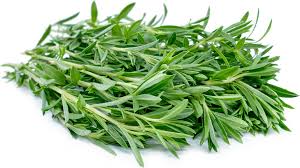
Harvesting savory is easy and deeply satisfying. Snip stems as needed once the plant reaches a few inches tall, and harvest more heavily just before it flowers, when the oils are strongest. Regular cutting encourages new growth and keeps the plant lush. This is the moment when savory rewards you for your attention with fragrance that feels like a small victory, a reminder that tending your garden is an act of claiming your own strength. Once you have gathered your stems, you can store savory for later use by drying or freezing it. To dry it, tie small bundles and hang them upside down in a warm, airy place until the leaves become crisp, then crumble them into a jar where the flavor will stay potent for months. For a fresher taste, strip the leaves and freeze them in olive oil using small containers so you can drop a cube into soups, stews, or roasted dishes whenever you need a burst of peppery heat. Storing savory this way lets you carry the fire of your garden into the colder months, a quiet reminder that resilience can be preserved and called upon whenever you need it.
Companion Planting with Savory
Companion planting with savory brings out its protective nature. It pairs beautifully with beans and helps deter pests that usually target legumes. It also supports onions and garlic by creating a small aromatic shield around them. Savory and thyme can be planted side by side to create a powerhouse herb corner that hums with energy and fragrance. They complement each other in the soil just as they do in the kitchen.
How Savory Elevates Your Cooking
Savory is a culinary shapeshifter used in hearty cooking such as bean dishes, roasted vegetables, stews, poultry, and sausage blends. Summer savory brings a bright peppery lift while winter savory offers a deeper, more grounded flavor. Both varieties carry the same bold spirit that makes them indispensable in the kitchen.
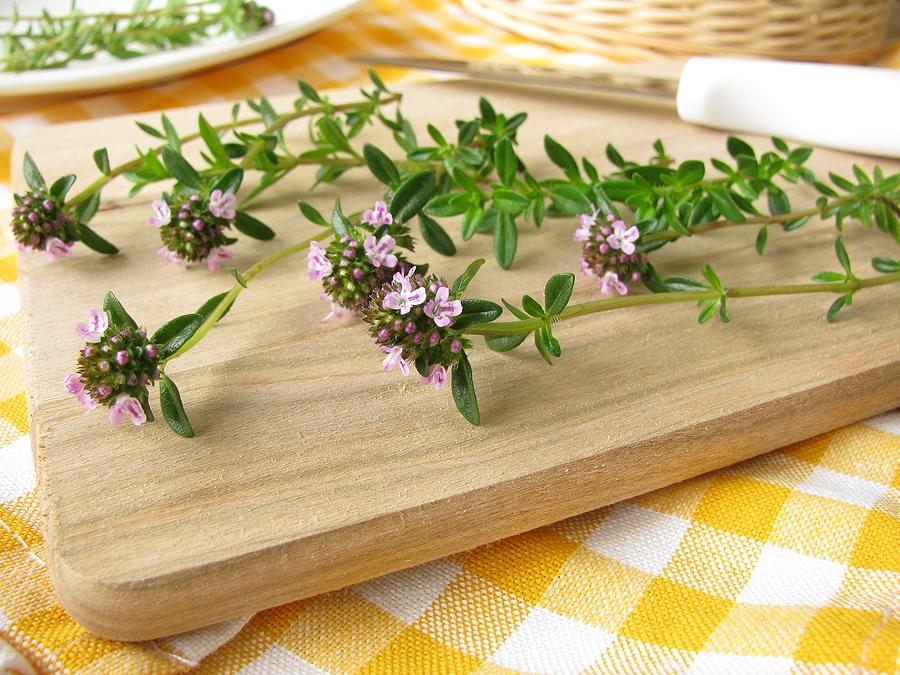
Savory Roasted Potatoes with Garlic and Lemon
Ingredients
• Potatoes cut into even pieces
• Olive oil
• Fresh savory, finely chopped
• Minced garlic
• Salt
• Fresh lemon
Directions
Begin by spreading the cut potatoes across a baking sheet and coating them with olive oil until each piece shines. Sprinkle the chopped savory over the top, letting the leaves fall into the crevices so the flavor can settle in. Add the minced garlic and a pinch of salt, then finish with a squeeze of lemon to brighten the entire dish. Toss everything together with your hands so the potatoes are fully coated, and arrange them in a single layer. Roast them in a hot oven until the edges turn golden and crisp and the centers become tender. As they cook, the savory releases its peppery strength and perfumes the potatoes with warmth and depth. Serve them hot and let the aroma remind you how powerful simple garden ingredients can be.
Why Savory Belongs in the Rage Garden
Savory belongs in every Rage Garden because it teaches gardeners to trust their strength. It grows with confidence, flavors with intention, and carries a lineage of folklore that reminds you that your garden is a place of power. Plant it beside thyme, harvest it with gratitude, and let it season both your meals and your resolve.
A Rage Garden is not only a place of plants. It is a place of lineage, memory, and women rising together.
Chives: The Blade-Tongued Border Guard of the Rage Garden
Fennel: The Sharp-Souled Sentinel of the Rage Garden
Hyssop: A Tactical Herb for Purification, Protection, and Emotional Resilience
The Warrior’s Herb: Borage for Grit, Glory, and Growth
Yuletide: The Warrior’s Interlude
Herbs That Bite Back: Cultivating Chaos with Dill in the Rage Garden
Lemon Balm: The Soothing Sorcerer of the Rage Garden
Chamomile: The Soft-Fisted Saboteur of the Rage Garden
Oregano – The Sharp-Tongued Strategist of the Rage Garden
Lavender: The Soft-Spoken Assassin of the Rage Garden
How to Grow Mint Without Losing Your Garden: Tactical Tips to Tame the Chaotic Neutral Herb
Thyme to Rage: Tactical Herb Wisdom for the Resilient Garden
The Basil Offensive: Grow Hard, Harvest Smart, Preserve with Fury
Sage Against the Machine: Grow, Harvest, and Hex with Purpose
Rosemary Magic: Witchy Garden Wisdom for Resilient Herb Growing
Join the Rage Garden Inner Circle
Where the wise grow stronger, wealthier, and Smarter every season.
For just $10/month, you gain access to:
- Money‑saving homestead strategies that put thousands back in your pocket
- Time‑cutting systems that free up your days and sharpen your skills
- Seasonal guides, rituals, and plant allies you won’t find anywhere else
- Exclusive content crafted for people who refuse to shrink
- First access to new tools, printables, and resources
This is more than a newsletter; it’s power. A place to gather to rise, reclaim, and root deeper into their strength.
Every month you wait is knowledge, time, and money you don’t get back. Step into the circle now and grow wild
Discover more from Anything Agriculture
Subscribe to get the latest posts sent to your email.
