

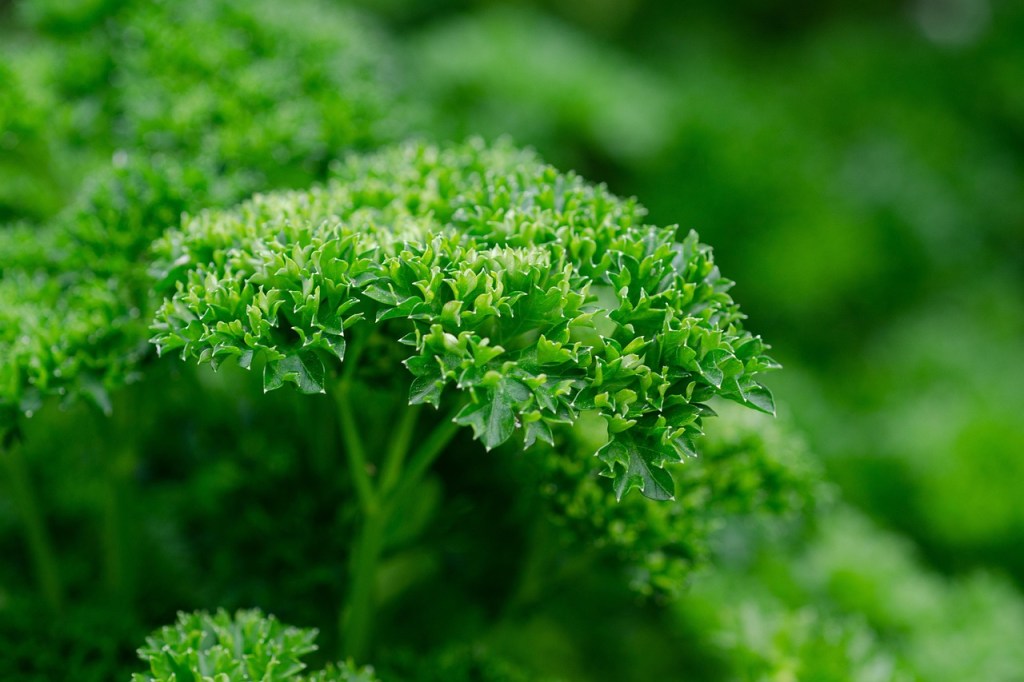
Parsley is one of those herbs people underestimate until they grow it. It looks soft. It looks polite. It looks like the herb you sprinkle on top of a dish when you want to pretend you tried. But in the Rage Garden, it becomes something else entirely. Parsley is persistently made green. It is the herb that refuses to quit even when the world gets loud. And before we go any further, let’s clear up one thing. Parsley is not tarragon. Tarragon is the little green dragon of the herb world with anise fire in its veins, a creature of sharp magic and heat. Parsley carries a different kind of power. It is steady. Grounded. The quiet strength that holds the garden together. Parsley is the steady heartbeat of the herb bed. Both deserve a place in your garden, but they are not interchangeable and they each carry their own magic.
Are Parsley and Tarragon Ever Mistaken for Each Other
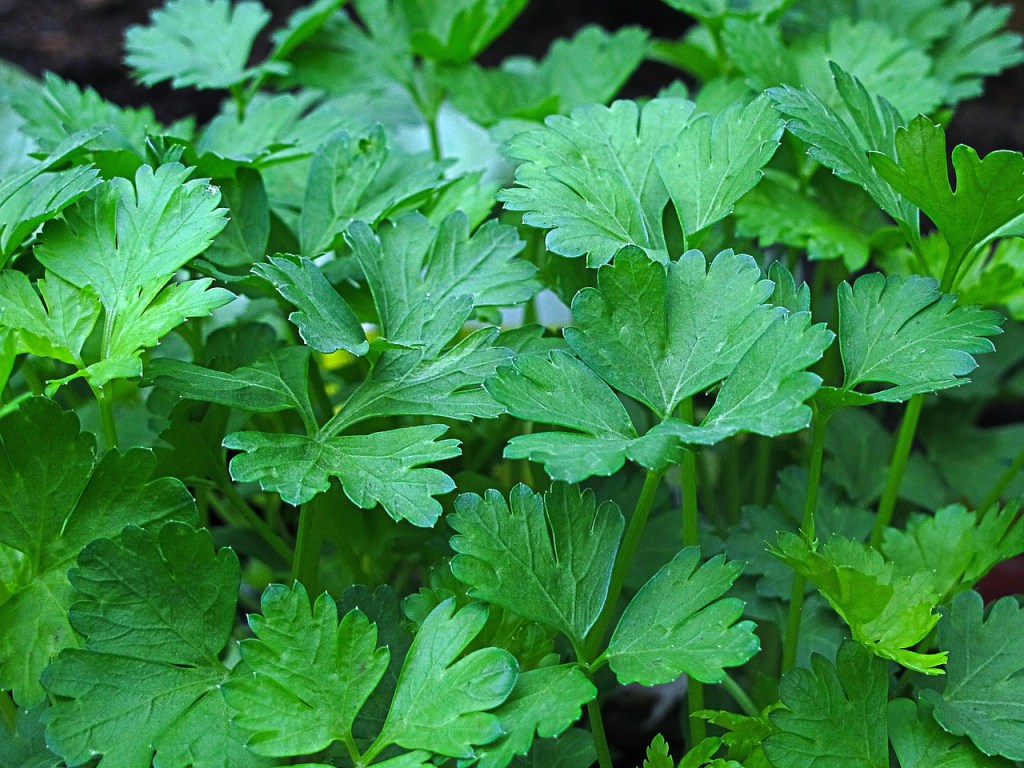
Sometimes. Not often by experienced gardeners, but definitely by beginners or anyone grabbing herbs quickly at the store. Both are soft green herbs. Both grow in similar clumping shapes. Both are used fresh in cooking. And when you’re not yet fluent in the language of herbs, they can blur together.
But once you know them, they are nothing alike.
Parsley has broad leaves, either frilled or flat, depending on the variety. Its flavor is bright,t clean, and green like a breath of fresh air. Tarragon has long, slender leaves and a distinct anise heat that announces itself the moment you crush it between your fingers.
In the Rage Garden, this difference matters. Parsley is the steady heartbeat. Tarragon is the little dragon. One cools. One ignites. On grounds. One sharpens. They are companions, not twins.
And because the universe has a sense of humor, gardeners sometimes learn this lesson the hard way.
A Quick Garden Tale About Mixed-Up Herbs
Once there was a gardener who proudly planted a row of parsley at the edge of her Rage Garden. At least she thought it was parsley. The little plastic tag said parsley. The garden center employee said parsley. Even her neighbor nodded and said oh yes, that’s parsley for sure.
Weeks later, she noticed something strange. Her so‑called parsley was growing long, slender leaves that didn’t look quite right. She tasted one, and instead of bright green freshness, she got a mouthful of anise lightning. She stood there blinking at the plant as it had personally betrayed her.
That was the day she learned the truth. The tags had been mixed up. She had planted tarragon by accident, and her real parsley was sulking in the next bed, wearing a tarragon label like an ill‑fitting hat.
For a moment, she felt foolish. Then she laughed. Because really, what had she lost? Nothing. In fact, she had gained something unexpected. Now she had two powerful herbs in her garden. One cool and steady. One fiery and sharp. A heartbeat and a dragon.
And that is the magic of gardening. Even the mix-ups can turn into medicine. Even the mistakes can grow into strength.
And yes, that gardener was me. I was the one standing in my Rage Garden holding a fistful of tarragon, wondering why my parsley suddenly breathed fire and looked weird.
A Little Folklore for the Fierce Gardener
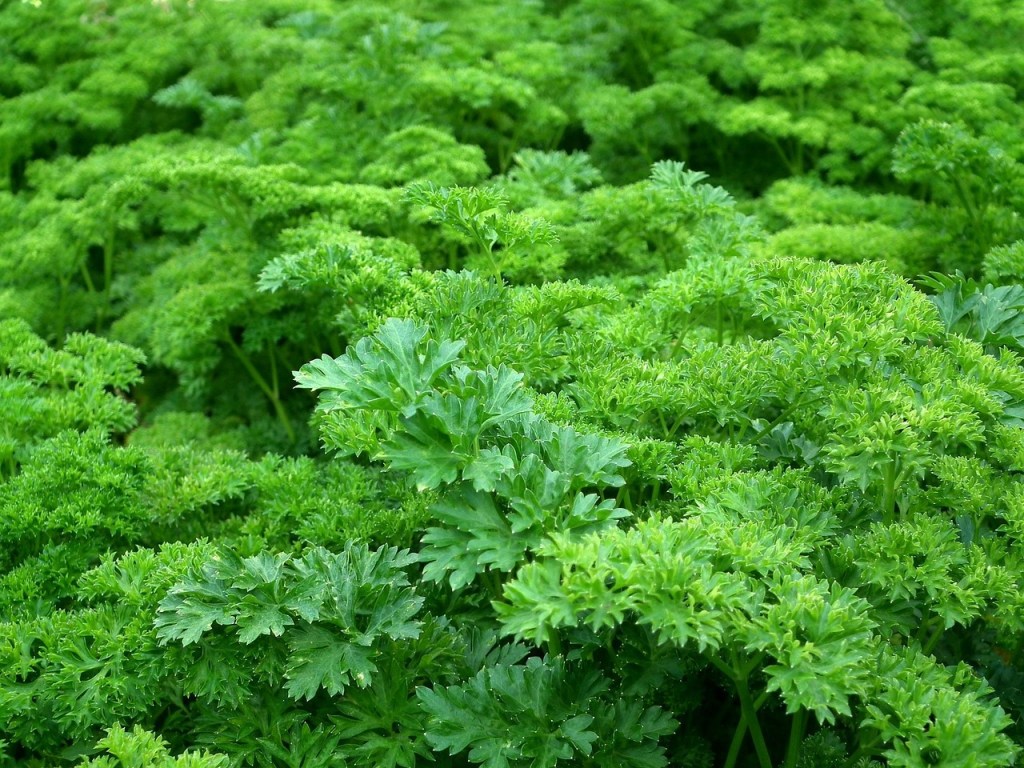
Parsley has a long history of being misunderstood. In ancient lore, it was tied to protection and remembrance. Warriors carried it before battle, not because it was flashy or fiery, but because it symbolized the quiet kind of courage that endures. The kind that holds steady when the world shakes. Women planted it with intention because it was said that parsley only sprouted for those who held a strong will. If your spirit wavered, the seeds would sit in the soil,l refusing to rise until you found your resolve again.
Some believed parsley grew slowly because it traveled to the underworld and back before emerging. It was a plant that knew darkness intimately and returned from it anyway. In the Rage Garden this becomes a powerful reminder. Growth takes time. Roots deepen in the dark. And the things that take longest to sprout often become the strongest.
Parsley teaches the gardener to trust the unseen. To honor the quiet work happening beneath the soil. To remember that transformation rarely announces itself with trumpets. It begins in silence. It begins in shadow. It begins with a seed that refuses to rush.
This is why parsley belongs in a Rage Garden. It is not the herb of instant gratification. It is the herb of endurance, of the slow burn that outlasts every storm. When it finally unfurls its first true leaves, it carries the energy of something that has already survived a journey. Something that has already chosen to rise.
The Many Faces of Parsley and Why Gardeners Grow Them
Parsley may look humble, but it comes in more forms than most gardeners realize. Each type carries its own personality,y its own purpose, and its own quiet power. In the Rage Garden, these varieties become archetypes. Choose the one that matches the magic you want to cultivate.
Curly Parsley The Guardian Herb
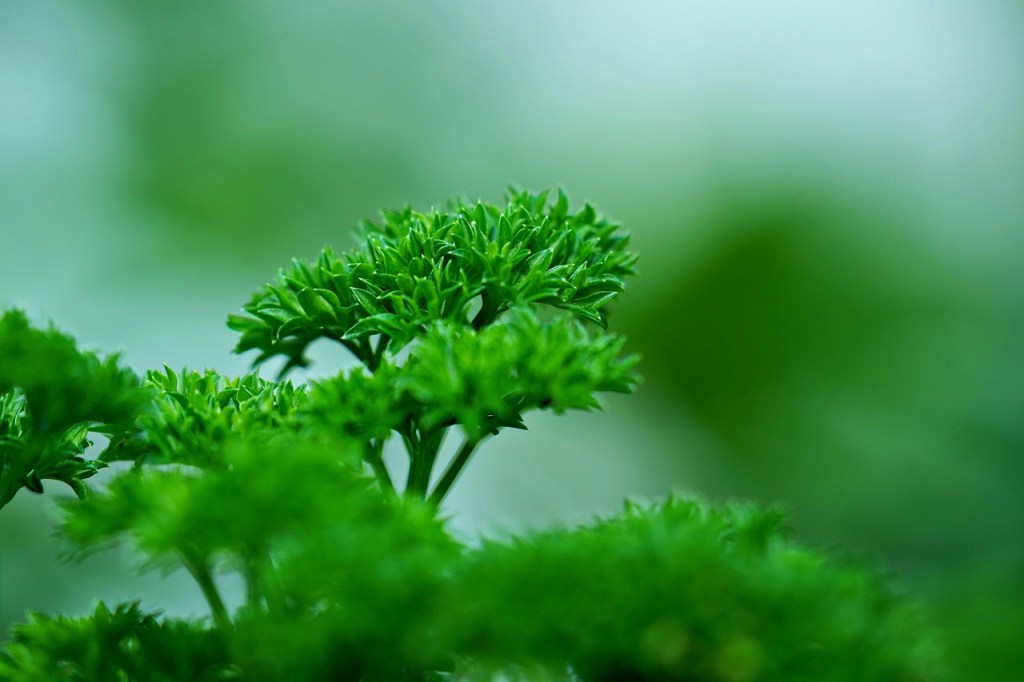
Curly parsley stands like a green sentinel with frilled leaves that look ornamental. Its flavor is mild and clear, which makes it perfect for dishes where you want freshness without intensity. Gardeners grow it for beauty, resilience, and structure. It is the herb that watches over the rest of the bed.
Flat Leaf Parsley: The Warrior of Flavor
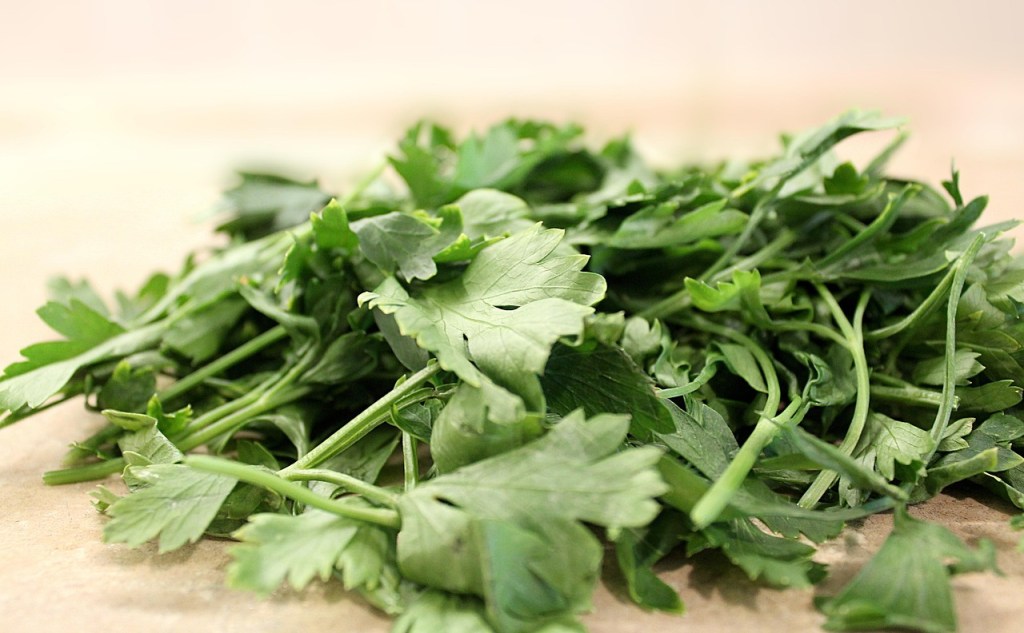
Flat leaf parsley, also known as Italian parsley, is bold and direct. Its smooth leaves carry a deeper flavor and stronger herbal clarity. Chefs reach for it because it refuses to be ignored. Grow it when you want a herb that steps forward and leads the dish with confidence.
Hamburg Parsley: The Root Keeper
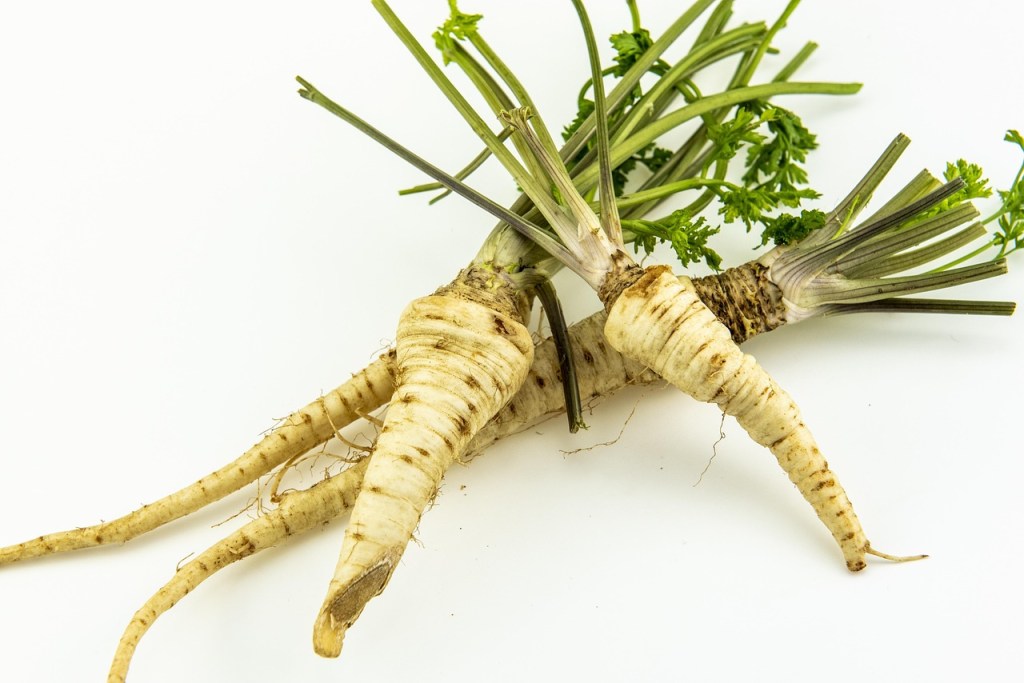
Hamburg parsley is the forgotten cousin. Above ground, it looks like any other parsley, but below the soil, it grows a long pale root similar to a parsnip. This root is earthy sweet and perfect for roasting or broth. Grow it when you want a dual-purpose plant that nourishes both now and later. It is the herb that reminds you that power often hides underground.
Understanding Parsley’s Biennial Nature
Parsley is a biennial, which means it lives on a two-year cycle. This confuses new gardeners, but in the Rage Garden it becomes a lesson in patience and purpose.
Year one is the year of leaves. The plant pours its energy into lush green growth. This is when you harvest freely. This is when the plant gives without hesitation.
Year two is the year of legacy. Parsley sends up a tall flower stalk and begins to set seed. The leaves turn bitter because the plant is shifting its energy toward reproduction. This is natural. This is the plant completing its story. Most gardeners replant each year for the best flavor, but letting a few plants bloom feeds pollinators and fills your seed jar. In the Rage Garden, this is a sacred exchange.
Overwintering Parsley in Cold Climates
Parsley is tougher than it looks. In Zones 5 and 6, it can overwinter with a little support. The crown often survives beneath the snow and returns in spring, ready to finish its second year.
To help it through winter
- Mulch lightly around the base to protect the crown
- Avoid cutting it back too hard in late fall
- Let the snow act as insulation when it arrives
In early spring, new leaves will push up. They will be strong but short-lived because the plant is preparing to bolt. Harvest lightly and enjoy the early green while it lasts. For full-season harvests, plant new seedlings each spring and let the overwintered plants flower for the bees.
How to Grow Parsley Like a Boss
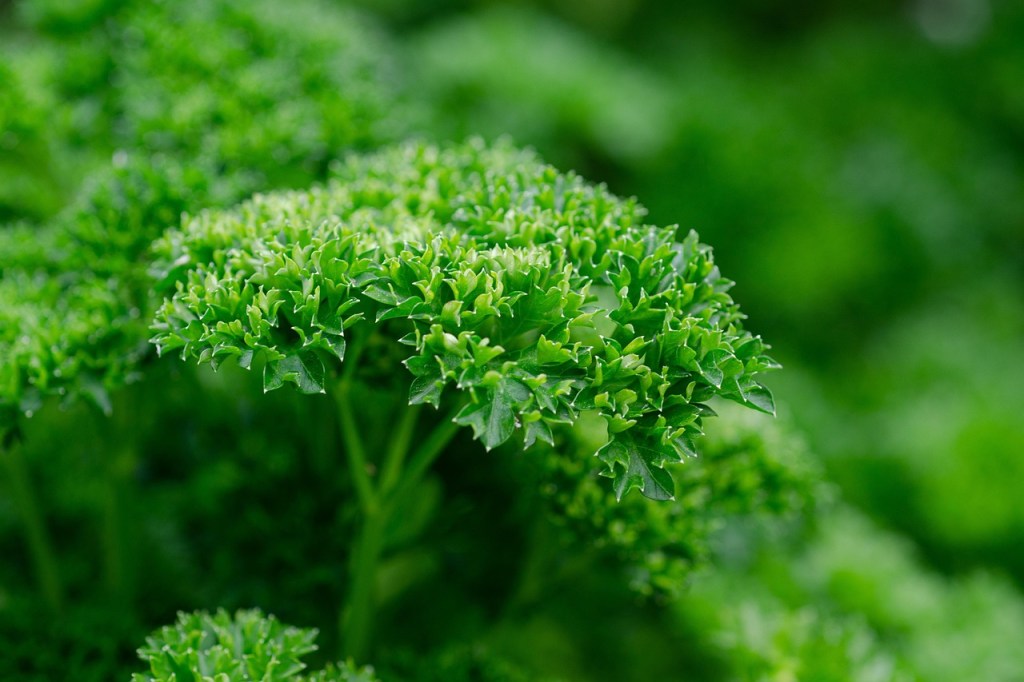
Parsley thrives when you treat it like the resilient herb it is. It prefers full sun but will tolerate partial shade. It loves rich soil and steady moisture. It grows slowly at first, but once it settles in, it becomes a lush green fountain that keeps giving.
Tips for success
• Soak seeds overnight to speed germination
• Keep soil consistently moist during early growth
• Mulch lightly to protect roots and retain moisture
Companion Planting for a Stronger Garden
Parsley is a generous neighbor. It attracts beneficial insects and supports pollinators. It pairs beautifully with tomatoes, peppers, roses, and asparagus. Many gardeners plant it near brassicas to help deter pests. And if you grow tarragon nearby, the two create a quiet balance. Tarragon brings heat. Parsley brings calm. Together, they anchor the herb bed.
Harvesting with Intention
Harvest parsley from the outer stems first. This encourages new growth from the center. Cut stems close to the base, and the plant will reward you with fresh leaves all season. For the strongest flavor, harvest in the morning when the oils are most concentrated.
Using Parsley in the Kitchen and Beyond
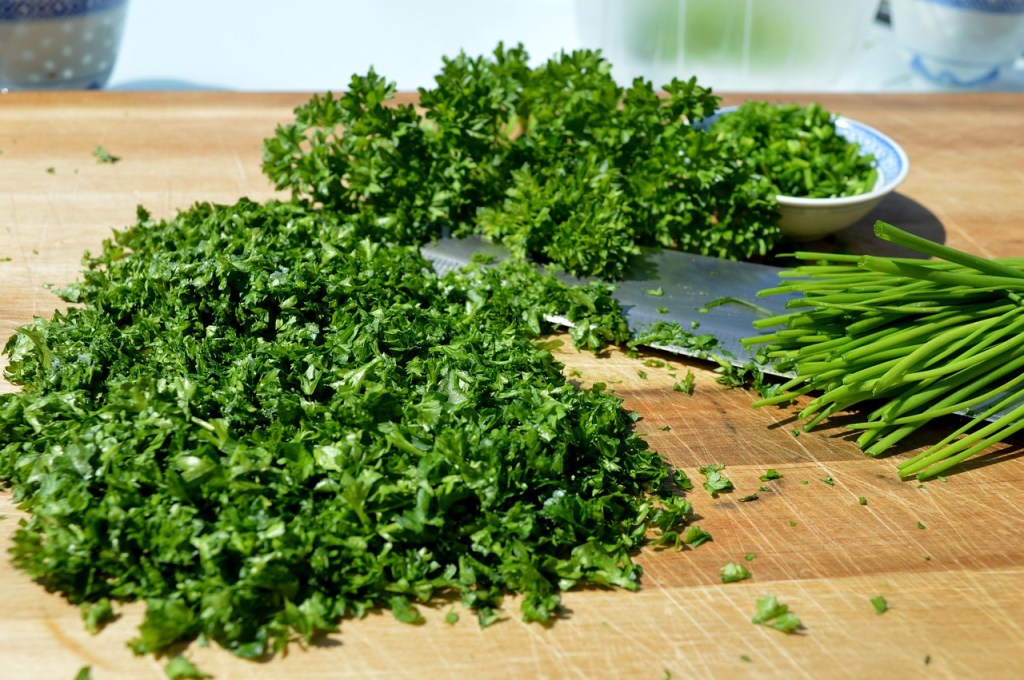
Parsley is more than a garnish. It is bright. Clean. Reviving. It lifts heavy dishes and brings freshness to anything it touches. It is also rich in vitamins and minerals, which makes it a quiet healer in your kitchen apothecary.
Ways to use parsley
• Add to soups and stews for brightness
• Blend into sauces like chimichurri or pesto
• Use fresh in salads for a crisp herbal note
A Quick Rage Garden Recipe Parsley Power Pesto
This pesto is bold green and alive. Perfect for pasta, roasted vegetables, or a spoonful straight from the jar when you need a hit of garden energy.
Ingredients
• Two cups fresh parsley leaves
• One clove of garlic
• One quarter cup olive oil
• Two tablespoons lemon juice
• Salt to taste
Blend everything until smooth. Adjust lemon and salt until it tastes like something that wakes you up from the inside.
Closing in True Rage Garden Spirit
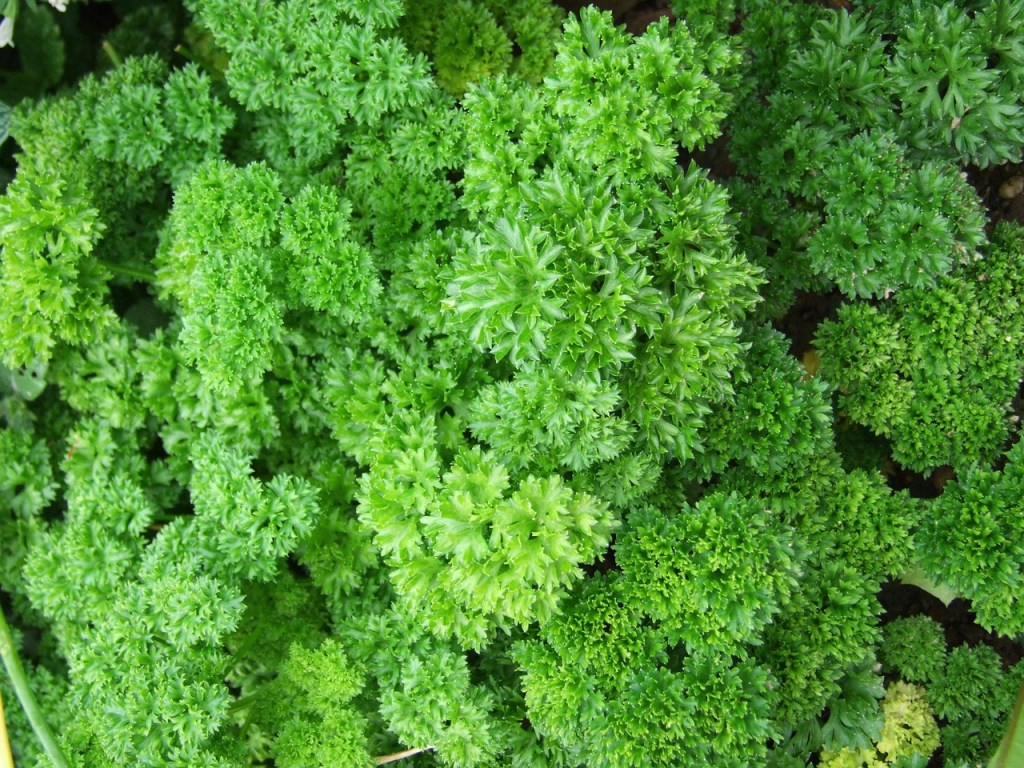
Parsley may not breathe fire, but it carries its own kind of power. It teaches patience. It rewards consistency. It grows for the gardener who shows up. In your Rage Garden, it becomes a symbol of quiet resilience. A reminder that strength does not always roar. Sometimes it grows leaf by leaf until one day you look down and realize you have created something unstoppable.
A Rage Garden is not only a place of plants. It is a place of lineage, memory, and women rising together.
Chives: The Blade-Tongued Border Guard of the Rage Garden
Fennel: The Sharp-Souled Sentinel of the Rage Garden
Hyssop: A Tactical Herb for Purification, Protection, and Emotional Resilience
The Warrior’s Herb: Borage for Grit, Glory, and Growth
Yuletide: The Warrior’s Interlude
Herbs That Bite Back: Cultivating Chaos with Dill in the Rage Garden
Lemon Balm: The Soothing Sorcerer of the Rage Garden
Chamomile: The Soft-Fisted Saboteur of the Rage Garden
Oregano – The Sharp-Tongued Strategist of the Rage Garden
Lavender: The Soft-Spoken Assassin of the Rage Garden
How to Grow Mint Without Losing Your Garden: Tactical Tips to Tame the Chaotic Neutral Herb
Thyme to Rage: Tactical Herb Wisdom for the Resilient Garden
The Basil Offensive: Grow Hard, Harvest Smart, Preserve with Fury
Sage Against the Machine: Grow, Harvest, and Hex with Purpose
Rosemary Magic: Witchy Garden Wisdom for Resilient Herb Growing
Join the Rage Garden Inner Circle
Where the wise grow stronger, wealthier, and Smarter every season.
For just $10/month, you gain access to:
- Money‑saving homestead strategies that put thousands back in your pocket
- Time‑cutting systems that free up your days and sharpen your skills
- Seasonal guides, rituals, and plant allies you won’t find anywhere else
- Exclusive content crafted for people who refuse to shrink
- First access to new tools, printables, and resources
This is more than a newsletter; it’s power. A place to gather to rise, reclaim, and root deeper into their strength.
Every month you wait is knowledge, time, and money you don’t get back. Step into the circle now and grow wild
Discover more from Anything Agriculture
Subscribe to get the latest posts sent to your email.
