
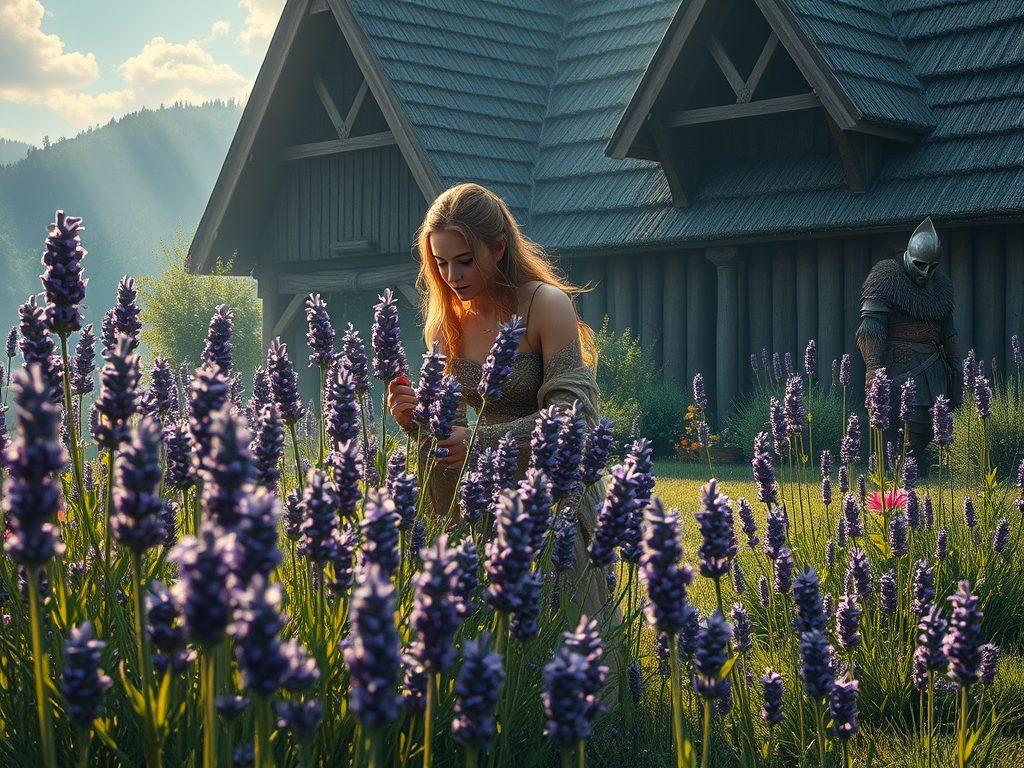
Lavender is the kind of herb that whispers calm while testing your patience. It thrives on neglect, scoffs at soggy soil, and turns leggy if you blink wrong. But once you crack its code, it rewards you with fragrant rebellion, blooms that soothe the soul, repel pests, and summon pollinators like a siren song.
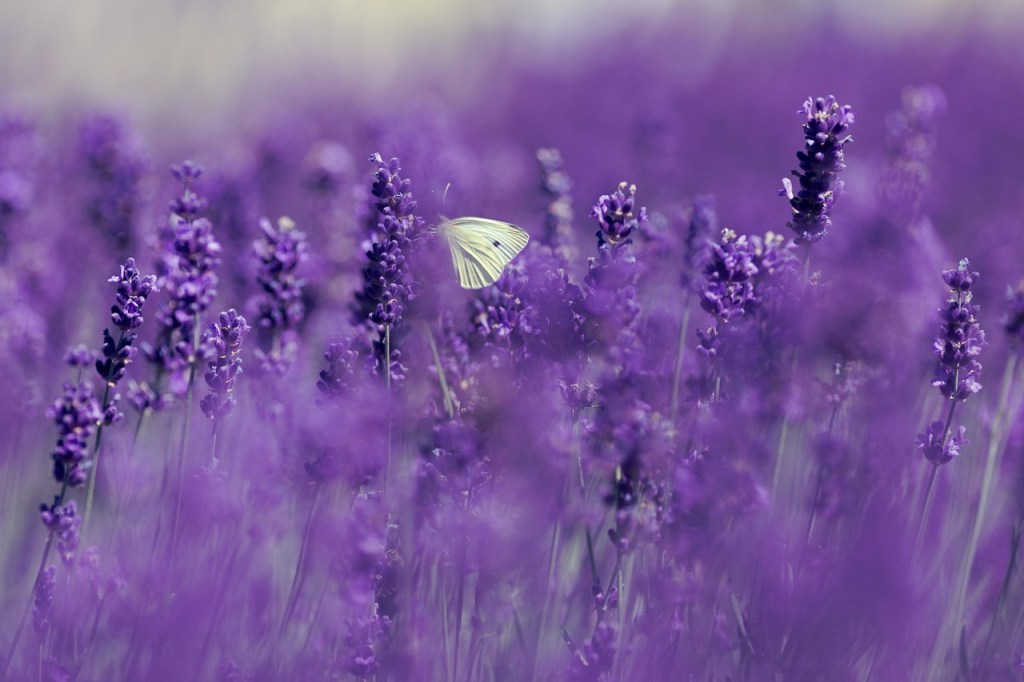
In the rage garden, lavender is your tactical ally:
- It survives drought like a desert witch, making it one of the top drought-tolerant herbs for resilient gardening.
- IIt shrugs off fertilizer like a cat ignoring your calls, aloof, self-sufficient, and gloriously unbothered. Perfect for low-maintenance herb gardens that thrive on grit, not pampering..
- It demands pruning with the precision of a rogue sharpening her daggers, a must-know for any lavender pruning guide.
This isn’t your grandma’s lavender patch. This is a strategic deployment of scent, soil, and spite. You’re not planting for aesthetics, you’re planting for resilience, rebellion, and a little bit of witchy garden magic. Whether you’re building a rage garden for pollinators, crafting herbal spell ingredients, or just tired of plants that ghost you after one season, lavender is your floral weapon of choice.
Lavender doesn’t want your coddling, it wants sun, grit, and space to breathe. Choose a site with full sun exposure (6–10 hours daily) and soil that drains faster than your patience with weak plants. For best results in your rage garden herb bed, amend heavy clay with gravel or perlite to create the kind of lean, alkaline soil (pH 6.7–7.3) that lavender thrives in. Raised beds or mounded rows are your tactical defense against root rot, especially in humid zones. When planting, skip the seeds and go straight for transplants, lavender doesn’t have time for your germination drama. Dig wide, shallow holes and space plants 2–3 feet apart to maximize airflow and prevent fungal ambushes. Water deeply but infrequently, letting the soil dry out between sessions like a true drought-tolerant herb. And forget the fertilizer, lavender rebels against rich soil. If you must feed it, a light compost top-dress in spring is all it needs to stay battle-ready. This isn’t ornamental fluff, it’s a strategic deployment of resilient herbs for pollinators, pest resistance, and floral defiance.
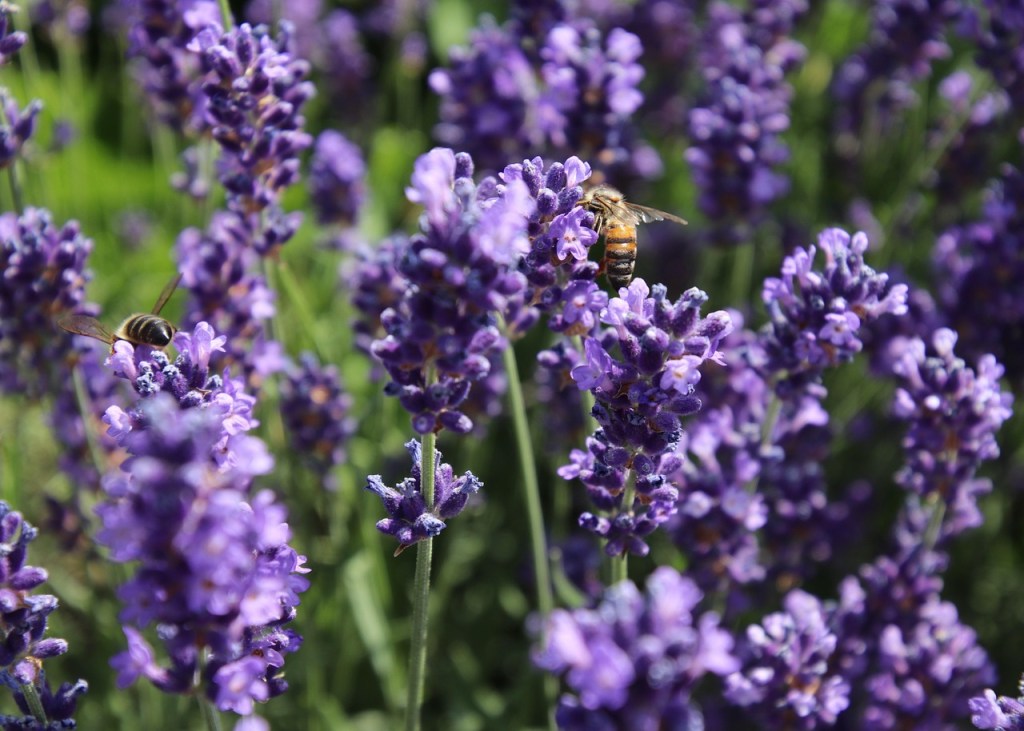
Lavender pruning isn’t optional, it’s tactical maintenance for a plant that thrives on discipline. Skip it, and you’ll end up with a leggy, woody mess that sulks instead of blooming. After the first flush of flowers, cut back about one-third of the foliage to encourage a second bloom and maintain shape. Never prune into old wood unless you’re staging a full comeback, lavender doesn’t forgive deep cuts easily. Annual spring shaping keeps your herb battle-ready, boosts airflow, and prevents fungal freeloaders. In the rage garden, pruning is your blade, wield it wisely.
Lavender isn’t a one-size-fits-all herb—it comes in a tactical lineup of varieties, each with its own strengths. English lavender (Lavandula angustifolia), like ‘Munstead’ and ‘Hidcote,’ is your go-to for cold-hardy, fragrant blooms perfect for oils and culinary rebellion. French lavender (Lavandula dentata) flaunts frilly leaves and thrives in heat, while Spanish lavender (Lavandula stoechas) sports bold “rabbit ear” bracts and blooms early, making it ideal for ornamental defiance. Choose your cultivar like you choose your allies: based on climate, purpose, and how much sass you want in your garden.
🧟♀️ Trouble-Shooting: Why Lavender Refuses to Grow
| Problem | Cause | Tactical Fix |
| No blooms | Too much nitrogen, poor pruning, low sun | Stop fertilizing, prune after bloom, relocate |
| Droopy foliage | Overwatering, poor drainage | Cut watering, amend soil, consider replanting |
| Woody, leggy growth | Skipped pruning seasons | Prune gradually over seasons torestore shape |
| Yellowing or wilting | Root rot, soggy soil | Improve drainage, dig up and replant if needed |
| Stunted growth | Wrong variety, transplant shock | Choose hardy types like ‘Munstead’ or ‘Hidcote’ |
🧪 What to Do With Lavender (Post-Harvest)
Once lavender has bloomed and you’ve harvested it like a seasoned rogue, snipping stems just before full bloom for peak oil content, it’s time to preserve the magic. Bundle stalks with twine and hang them upside down in a dark, dry space with good airflow; this keeps the color and potency intact. Once dry, strip the buds and store them in airtight containers for year-round rebellion. Use dried lavender in herbal sachets to repel moths and bad vibes, infuse oils for DIY salves and scrubs, or steep it into calming teas and bath soaks. For culinary flair, craft lavender sugar, syrups, or shortbread cookies that taste like floral defiance. In the rage garden, post-harvest lavender isn’t just a pretty scent, a tactical ingredient for wellness, sorcery, and war on stress.
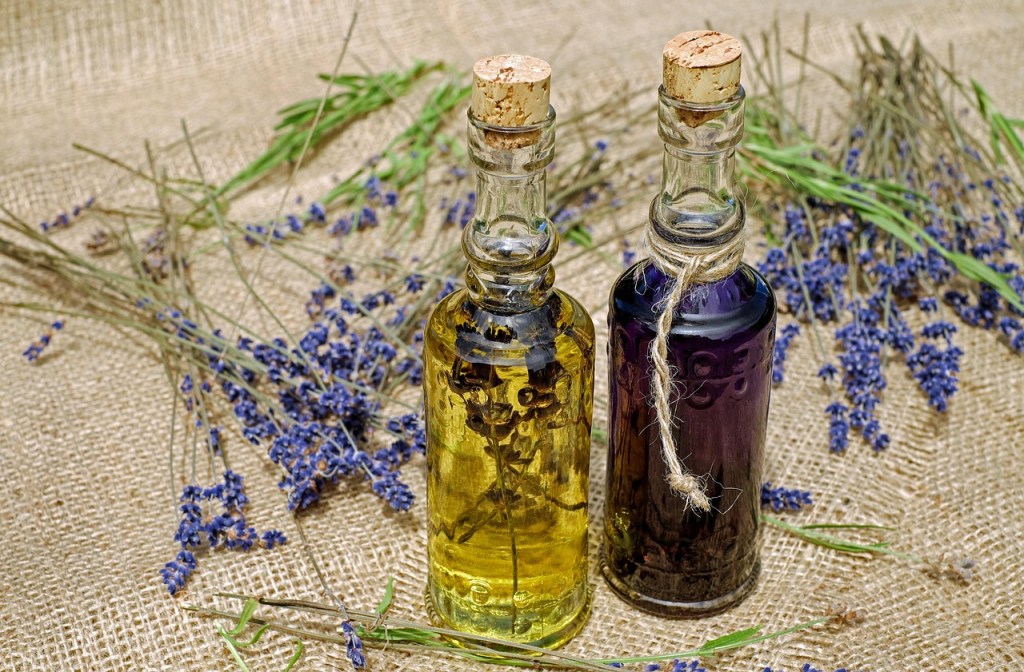
Lavender is more than a fragrant herb, it’s a tactical multitasker in your rage garden arsenal. In the home and body realm, lavender oil delivers calming, antiseptic relief and doubles as a bug bite remedy, making it a must-have for any herbal first aid kit. Dried buds tucked into sachets deodorize drawers, repel moths, and soothe stress, ideal for natural home remedies and self-care rituals. Steep buds in bath soaks like tea for a floral detox, or whip up body scrubs with salt, oil, and exfoliate with attitude. In the kitchen, lavender simple syrup elevates cocktails, lemonades, and iced teas, while lavender sugar adds a floral twist to baking or any kitchen spellwork. And don’t forget lavender shortbread, floral rebellion in cookie form. In the garden, lavender shines as a companion plant for rosemary and thyme, forming a protective herb spiral that deters pests and attracts pollinators. Dried stalks can be woven into wreaths, bundles, or rage garden altars, while stripped buds scattered in compost boost microbial health and add aromatic flair.
Special Powers of Lavender
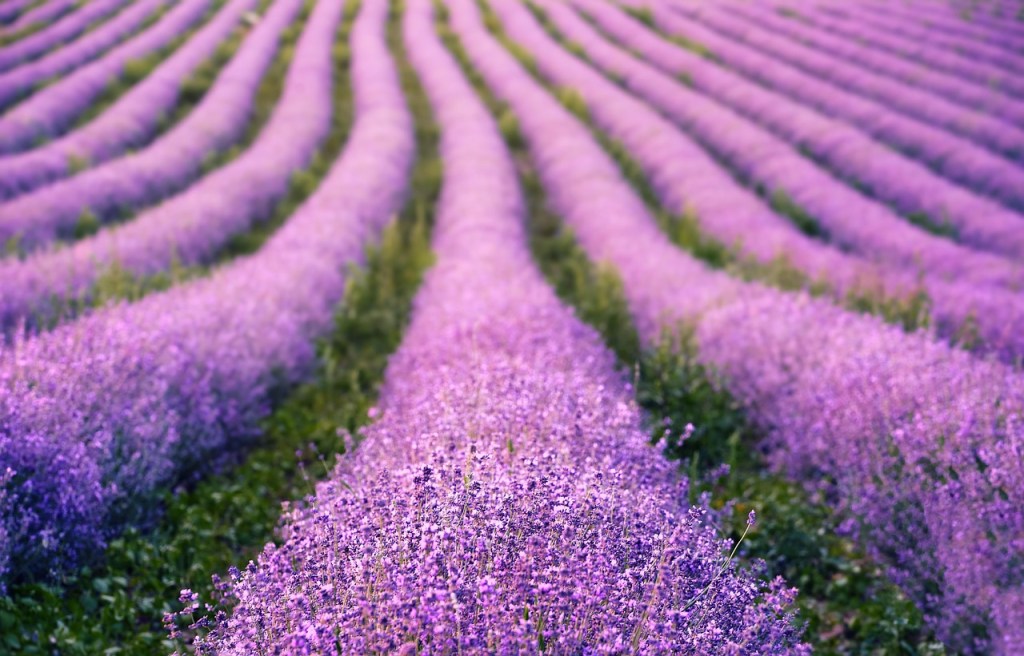
Lavender isn’t just versatile, it’s legendary. Known for its antimicrobial properties, drought tolerance, and pollinator magnetism, it’s a cornerstone of resilient herb gardens and low-maintenance landscaping. Folklore hails it as a protective herb, used in spells for peace, purification, and psychic defense. Its essential oils are prized in aromatherapy, while its blooms serve as both culinary delight and magical ingredient. Whether you’re crafting herbal remedies, baking with intention, or building a rage garden that bites back, lavender is your soft-spoken assassin, delicate in appearance, deadly in utility.
Your rage garden isn’t complete with just one strategist. Explore the full lineup of resilient, rebellious herbs:
How to Grow Mint Without Losing Your Garden: Tactical Tips to Tame the Chaotic Neutral Herb
Thyme to Rage: Tactical Herb Wisdom for the Resilient Garden
The Basil Offensive: Grow Hard, Harvest Smart, Preserve with Fury
Sage Against the Machine: Grow, Harvest, and Hex with Purpose
Rosemary Magic: Witchy Garden Wisdom for Resilient Herb Growing
DJoin the Rage Garden Inner Circle
Where the wise grow stronger, wealthier, and Smarter every season.
For just $10/month, you gain access to:
- Money‑saving homestead strategies that put thousands back in your pocket
- Time‑cutting systems that free up your days and sharpen your skills
- Seasonal guides, rituals, and plant allies you won’t find anywhere else
- Exclusive content crafted for people who refuse to shrink
- First access to new tools, printables, and resources
This is more than a newsletter; it’s power. A place to gather to rise, reclaim, and root deeper into their strength.
Every month you wait is knowledge, time, and money you don’t get back. Step into the circle now and grow wild
All Rights Reserved
Discover more from Anything Agriculture
Subscribe to get the latest posts sent to your email.

this blog is great. I do love gardening and gaming references.
LikeLike