

Thyme isn’t just a culinary herb; it’s a battle-hardened ally in the rage gardener’s arsenal. This plant thrives where others falter, shrugging off drought, frost, and general neglect like it’s training for herbal combat. Its resilience makes it a symbol of defiance, perfect for gardens built not for aesthetics but for survival, sovereignty, and sass. When thyme blooms, its tiny purple flowers don’t just look pretty—they summon pollinators like a spell cast from the soil itself, turning your garden into a buzzing fortress of productivity. And while it’s attracting allies, it’s also repelling enemies: thyme’s potent oils confuse and deter pests like cabbage moths, aphids, and whiteflies, making it a tactical companion for your more vulnerable crops. Historically, thyme was burned to ward off evil spirits—today, it’s used to banish bland dinners and weak soil from your homestead. In a rage garden, thyme isn’t a garnish. It’s grit. It’s a strategy. It’s the herb that refuses to die quietly.

Thyme in the Garden Realm: Warriors’ Guide to Hardy Herb Cultivation
Growing thyme like a tactical witch means embracing its stubborn independence and channeling its gritty magic into your soil strategy. This herb thrives in full sun and well-drained soil—think sandy, rocky, or borderline hostile terrain. Thyme doesn’t want pampering; it wants a challenge. Space plants 12 to 24 inches apart and let them sprawl like they own the place, because frankly, they do. Skip the seeds unless you enjoy watching paint dry. Instead, propagate with 3-inch cuttings dipped in rooting hormone and planted in sterile sand or vermiculite. Or divide older plants every few years before they get too woody and bitter—like a retired warlock. Water only when the soil is bone dry. Thyme hates wet feet, and root rot is its sworn enemy. Let it suffer a little—it likes it.
And don’t forget: not all thyme is created equal. English thyme (Thymus vulgaris) is your go-to for culinary chaos—earthy, bold, and perfect for meats, stews, and roasted root veggies. Lemon thyme (Thymus x citriodorus) brings a citrusy twist, ideal for fish, teas, and desserts that need a zing of rebellion. Creeping thyme (Thymus serpyllum) isn’t just ornamental—it’s a ground-covering, pollinator-attracting powerhouse that doubles as a living mulch and pest deterrent. Each variety has its own tactical edge, so choose your allies wisely and plant with intention. This isn’t just gardening—it’s herbal warfare.
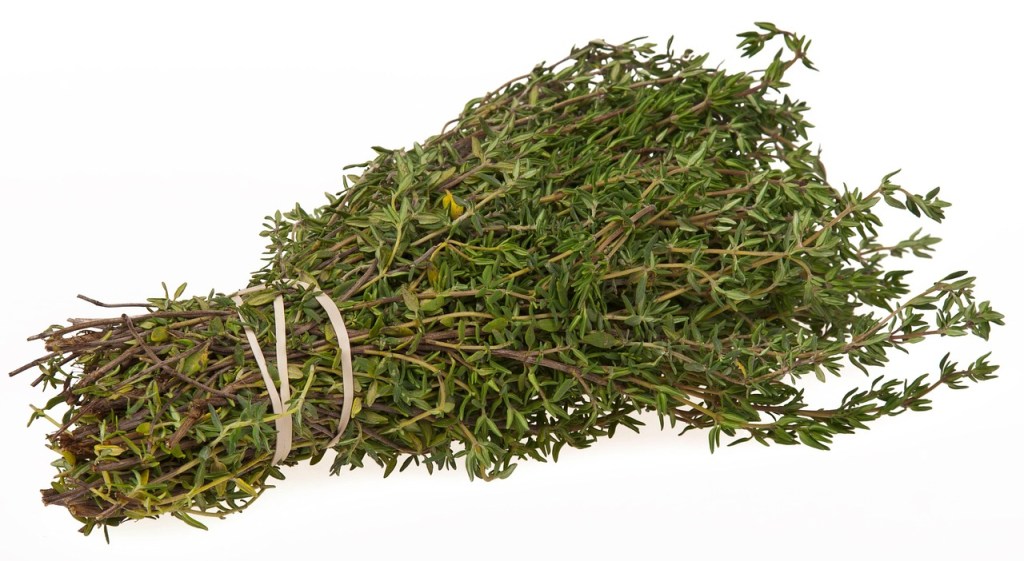
Thyme isn’t just a kitchen staple or a rage garden warrior—it’s also a stealthy landscape rebel. Creeping thyme (Thymus serpyllum and Thymus praecox) makes an excellent substitute for lawn grass, especially in low-traffic zones like between stepping stones, around patios, or along garden paths. It can handle light foot traffic with grace, releasing a subtle herbal scent when crushed underfoot like a botanical battle cry. While it’s not built for high-traffic areas (save that for clover or turf alternatives), thyme’s ability to sprawl and suppress weeds makes it a tactical choice for reducing traditional lawn space.
Thyme as a Companion Plant: Tactical Alliances
Thyme is more than a solo act ,it’s a strategic ally in the rage garden’s underground resistance. As a companion plant, thyme forms tactical alliances with tomatoes, cabbage, eggplant, potatoes, and strawberries, boosting their defenses and flavor profiles like a seasoned field medic. It also pairs seamlessly with fellow herbal warriors like rosemary, sage, lavender, and oregano, creating a multi-sensory fortress that confuses pests and seduces pollinators. Thyme’s aromatic oils repel cabbage moths, aphids, and whiteflies, while its low-growing habit suppresses weeds and improves soil structure. Whether it’s shielding your crops or enhancing their taste, thyme operates like a quiet insurgent—subtle, effective, and always working beneath the surface. In a rage garden, where every plant pulls its weight, thyme earns its place through grit, generosity, and tactical brilliance.
Creeping Thyme vs. Lawn Grass: Ground Cover for the Rebellious Gardener
And let’s talk benefits: replacing lawn grass with thyme slashes your water usage, eliminates the need for mowing, and boosts pollinator habitat. No more wasting weekends pushing a mower over a monoculture. Instead, you get a living mulch that feeds bees, fights erosion, and thrives in poor soil. It’s a quiet revolution—one fragrant step at a time. Rage gardeners don’t just grow food; they reclaim landscapes. Thyme helps you do both.

Harvesting Thyme Without Mercy: Timing, Tools, and Storage Hacks
Harvesting thyme in a rage garden isn’t a gentle affair—it’s a calculated strike. The best time to harvest is just before flowering, when the oils are at their peak potency and the plant is practically begging to be useful. Aim for early morning, after the dew has dried but before the sun gets smug. Snip the top 5–6 inches of growth with precision, leaving the woody stems intact like the backbone of your herbal militia. And remember: never take more than half the plant. Rage gardening is tactical, not reckless—we harvest with fury, but we also plan for regrowth and resilience.
Once you’ve gathered your fragrant spoils, it’s time to store them like a seasoned prepper. For fresh use, wrap sprigs in a damp towel and refrigerate—they’ll hold for up to two weeks. For long-term storage, hang them upside down in a dark, airy space until they’re dry enough to crumble. Then seal those leaves in an airtight container like the treasure they are. Want winter magic? Freeze chopped thyme in ice cube trays with water or olive oil. These herbal grenades are perfect for soups, stews, and skillet rebellions when the snow starts to fall. Whether you’re optimizing your harvest or stocking your pantry for the apocalypse, thyme delivers tactical flavor with zero tolerance for mediocrity.
Stripping Thyme Stems Like a Battle Sorcerer
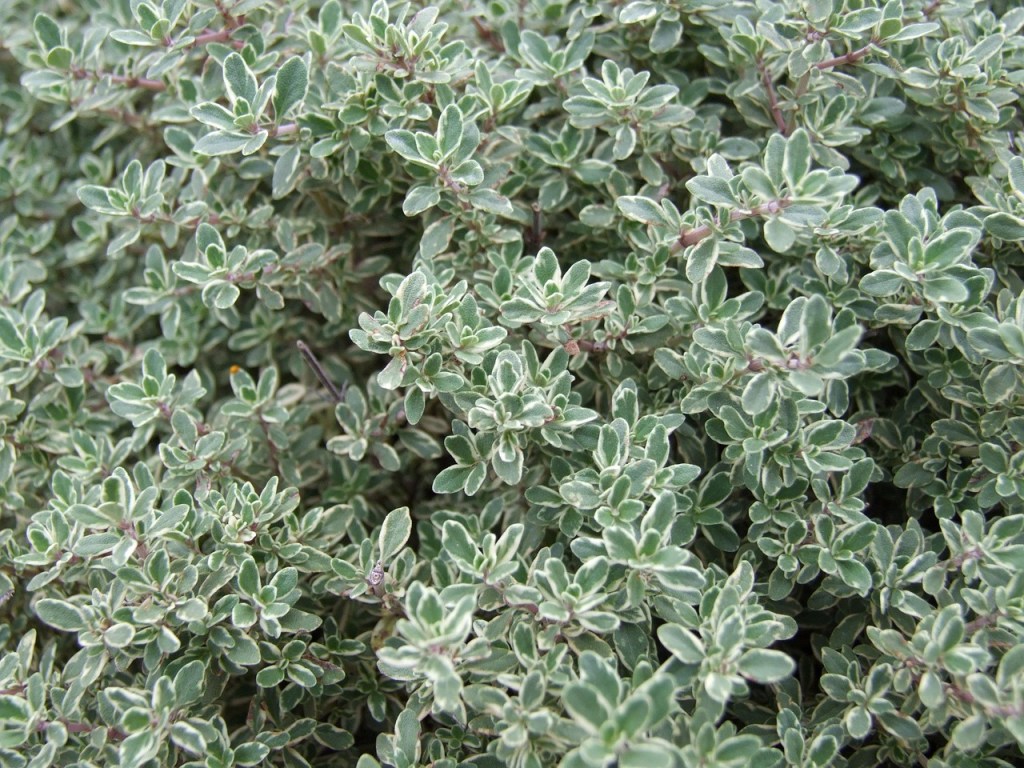
Stripping thyme stems is a ritual of power—no dainty plucking here. Channel your inner kitchen sorcerer and go bare-handed: pinch the stem about an inch below the tip and pull downward with purpose. The leaves cascade off like defeated enemies, ready to be deployed in your next culinary conquest. For a more mechanical approach, grab a mesh strainer. Feed the stem through one of the holes and yank—leaves collect below, stems surrender above. It’s efficient, satisfying, and just witchy enough to feel like spellwork. Pro tip: Use the tougher, woodier stems for stripping. The tender ones? Toss them whole into soups and stews where they’ll infuse flavor and vanish like herbal ghosts.
Tactical Thyme Deployment: Culinary Uses and Recipes for Overabundance
Once you’ve summoned your thyme stash, it’s time for tactical deployment. This herb is a flavor bomb in roasted meats, root vegetables, soups, stews, breads, and compound butters. It’s also a stealthy infuser—drop it into oils, vinegars, or syrups (especially with blackberry or lemon) and let it work its magic over time. Got a harvest that borders on excessive? Good. That’s when the rage gardener gets creative. Whip up thyme butter by blending fresh leaves into softened butter, then freeze in logs for winter warfare. Bake lemon-thyme rice with broth and zest for a citrusy sidekick. Crisp up skillet potatoes in cast iron and finish with a thyme flourish. Steep cinnamon thyme tea with honey for an immune-boosting brew that tastes like rebellion. And for dessert with bite, bake apples and pears with thyme and maple—where sweet meets savory and your garden’s fury finds its flavor.
Bringing Thyme Indoors for Winter Warfare
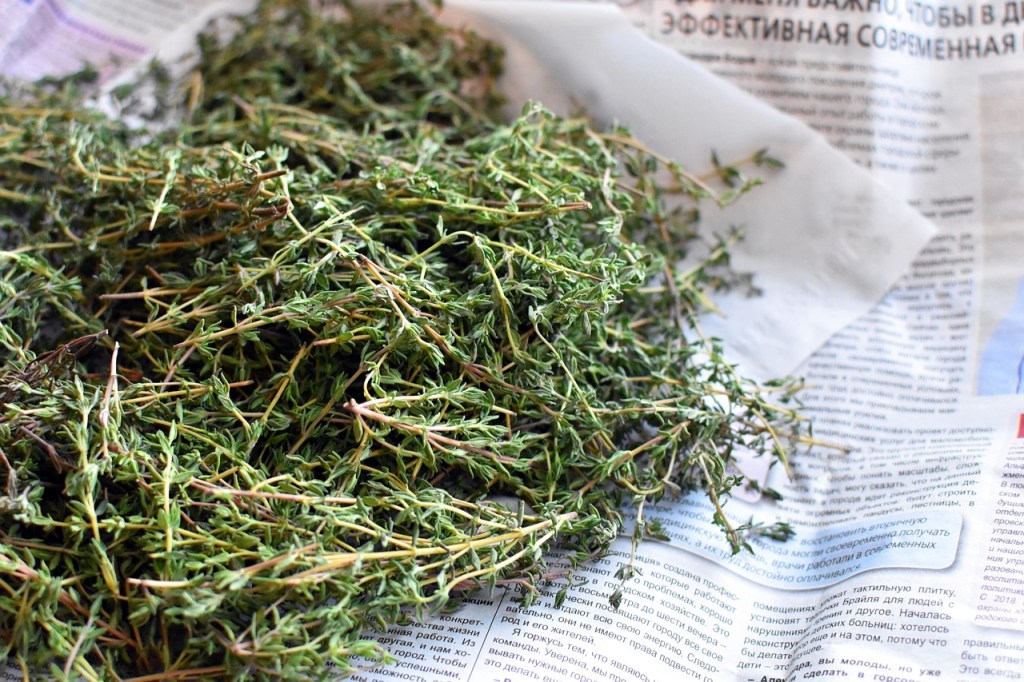
When the frost creeps in and the garden goes dormant, thyme doesn’t retreat—it relocates. Bringing thyme indoors for winter warfare is a strategic move for any rage gardener who refuses to surrender flavor or function to the cold. Start with containers that have at least six inches of soil depth to give those roots room to anchor and thrive. Position your pots near a sunny, south-facing window where the herb can soak up every ounce of winter light like a photosynthetic rebel. Water sparingly—thyme despises soggy roots and thrives on a bit of neglect. For maximum impact, pair it with rosemary, lavender, or sage to build a witchy windowsill arsenal that smells divine and fights seasonal gloom. Bonus: indoor thyme doesn’t just flavor your food—it freshens the air and boosts your mood, turning your kitchen into a sanctuary of scent and survival. This isn’t overwintering—it’s herbal insurgency.
Thyme is tactical, not decorative. In the rage garden, it’s more than a pretty sprig—it’s a resilient, pest-repelling, pollinator-attracting powerhouse that earns its place through grit and utility. Whether it’s creeping between stepping stones, flavoring your skillet rebellion, or standing guard beside your tomatoes, thyme operates with quiet strength and herbal precision. It’s a symbol of sovereignty, a tool of resistance, and a fragrant reminder that beauty and function can—and should—coexist in every inch of your growing space.
So plant thyme with purpose. Harvest it with fury. Use it like you mean it. From culinary creations to companion planting, thyme is the ultimate herb for gardeners who refuse to settle. If you’re searching for how to grow thyme, the best thyme varieties for cooking, or thyme as a lawn alternative—this is your tactical guide to herbal empowerment. Rage gardening isn’t just about survival. It’s about strategy, flavor, and reclaiming your soil with intention. Let thyme lead the charge.
Your rage garden isn’t complete with just one strategist. Explore the full lineup of resilient, rebellious herbs:
The Basil Offensive: Grow Hard, Harvest Smart, Preserve with Fury
Sage Against the Machine: Grow, Harvest, and Hex with Purpose
Rosemary Magic: Witchy Garden Wisdom for Resilient Herb Growing
Join the Rage Garden Inner Circle
Where the wise grow stronger, wealthier, and Smarter every season.
For just $10/month, you gain access to:
- Money‑saving homestead strategies that put thousands back in your pocket
- Time‑cutting systems that free up your days and sharpen your skills
- Seasonal guides, rituals, and plant allies you won’t find anywhere else
- Exclusive content crafted for people who refuse to shrink
- First access to new tools, printables, and resources
This is more than a newsletter; it’s power. A place to gather to rise, reclaim, and root deeper into their strength.
Every month you wait is knowledge, time, and money you don’t get back. Step into the circle now and grow wild
All Rights Reserved
Discover more from Anything Agriculture
Subscribe to get the latest posts sent to your email.

One thought on “Thyme to Rage: Tactical Herb Wisdom for the Resilient Garden”