

Your lawn is a thirsty, nutrient-sucking monoculture. It’s time we stop treating soil like dirt and start recognizing it as the living, breathing foundation of every resilient garden. The rage garden movement isn’t about aesthetics—it’s about rebellion. It’s about ripping out the ornamental grass and replacing it with purpose. And if you want to empower your soil to fight back against compaction, erosion, and chemical abuse, composting is your first act of defiance. This isn’t just gardening—it’s regeneration with attitude
2. Soil 101: What’s Actually Under There?
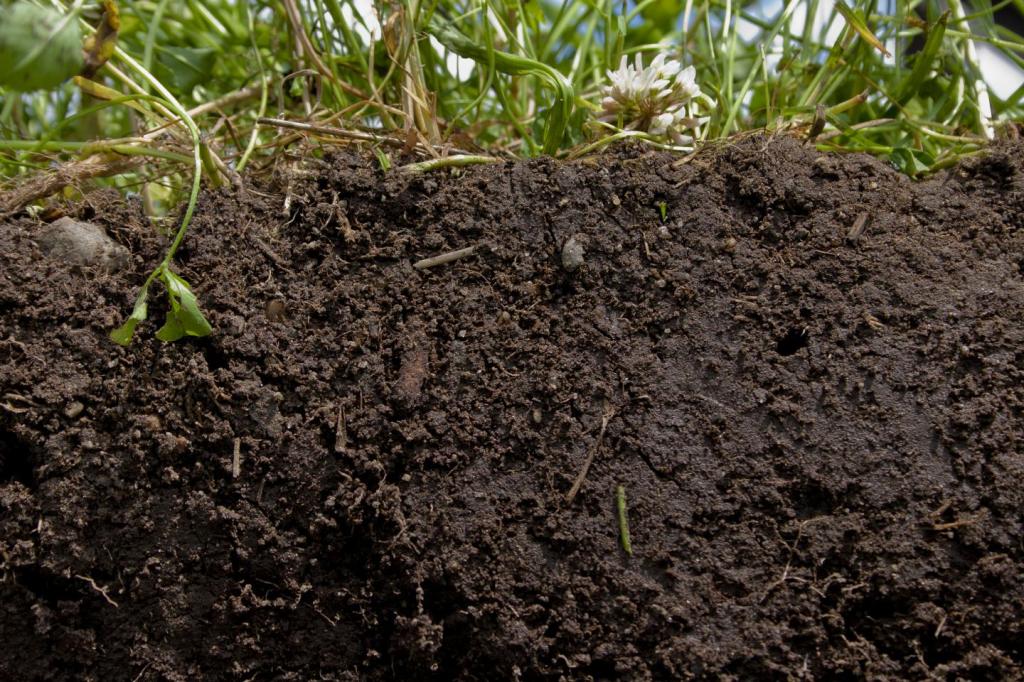
Soil isn’t dirt. Dirt is what you sweep off your porch or wipe off your shoes. Soil is a living, breathing system—an underground metropolis teeming with life, complexity, and purpose. It’s the foundation of every rage garden revolution, and if you treat it right, it’ll feed you, heal your land, and flip the bird to extractive agriculture. At its core, soil is a mix of minerals, organic matter, air, and water—but that’s just the scaffolding. The real magic lies in the living organisms that turn dead leaves and decomposed roots into nutrient-rich fuel.
Beneath the surface, soil is home to billions of microscopic powerhouses. Bacteria are the first responders—breaking down organic matter and releasing nutrients like nitrogen and phosphorus. Fungi weave through the soil like underground internet cables, forming mycorrhizal networks that connect plant roots and shuttle nutrients between them. These fungal allies even help plants communicate stress signals and share resources. Protozoa and nematodes join the party by feeding on bacteria and fungi, keeping populations in check and cycling nutrients back into the soil food web.
Then there are the macro-organisms—the ones you can actually see. Earthworms are the rage garden’s silent tillers, aerating the soil and leaving behind nutrient-rich castings. Beetles, ants, and decomposer insects break down organic debris and mix it into the soil layers. Even moles and voles, often cursed by gardeners, play a role in soil aeration and structure. Together, these organisms form a dynamic ecosystem where every player has a role, and every action contributes to soil health.
This living network doesn’t just support plants—it defends them. Healthy soil microbes outcompete pathogens, produce natural antibiotics, and trigger plant immune responses. They buffer pH, retain moisture, and build soil structure that resists erosion. When you compost and feed your soil, you’re not just adding nutrients—you’re recruiting allies. You’re building an underground resistance movement that turns your garden into a fortress of fertility and resilience.
Soil Abuse: What We’re Doing Wrong

Soil abuse isn’t just a farming issue—it’s happening in backyards, school gardens, and community plots every day. Tilling, for example, might feel productive, but it’s one of the fastest ways to wreck your soil’s structure and evict the microbial life that keeps it healthy. Every time you churn the earth, you expose delicate fungal networks to UV death rays, disrupt worm tunnels, and accelerate erosion. Add synthetic fertilizers to the mix, and you’re basically feeding your plants junk food while starving the soil. Overwatering, compacting with heavy tools, and leaving soil bare between seasons? All of it weakens your underground ecosystem and invites pests, disease, and nutrient loss. If your garden’s struggling, don’t blame the plants—look at how you’re treating the soil. Rage gardening means breaking these habits and rebuilding from the ground up. Literally.
Composting: The Gardener’s Weapon of Mass Regeneration
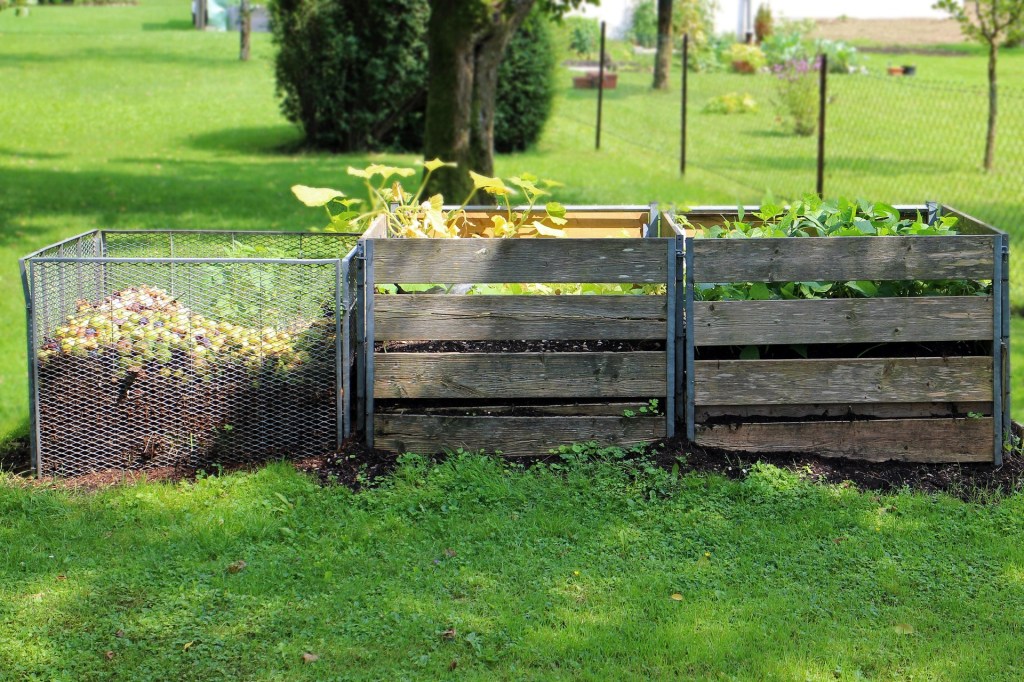
Composting is not a trend—it’s a biological uprising. At its core, compost is decomposed organic matter: kitchen scraps, garden clippings, shredded leaves, and all the stuff your trash bin doesn’t deserve. But what makes compost powerful isn’t just the ingredients—it’s the microbial magic that transforms waste into soil gold. Bacteria, fungi, and actinomycetes break down carbon and nitrogen-rich materials, cycling nutrients and generating heat as they work. This process not only neutralizes pathogens and weed seeds but also creates a stable, humus-rich material that feeds your soil instead of depleting it.
When you add compost to your garden, you’re not just tossing in nutrients—you’re rebuilding the architecture of your soil. Compost improves structure by binding particles into aggregates, which boosts aeration and root penetration. It increases water retention, helping plants survive droughts and reducing runoff. Nutrient density skyrockets, giving plants access to slow-release minerals without the chemical burn of synthetic fertilizers. And perhaps most importantly, compost supercharges microbial diversity, inviting beneficial bacteria, fungi, and invertebrates to set up shop and defend your soil from disease and degradation.
Let’s bust the myth: composting isn’t reserved for off-grid homesteaders or crunchy permaculture gurus. If you’ve got a banana peel, a shovel, and a patch of ground, you’ve got everything you need to start. Whether you’re in a city apartment with a worm bin or running a school garden with trench composting, this is a practice for anyone who’s tired of feeding landfills and ready to feed the future. Composting is rebellion with a purpose—and your soil is hungry for it.
How to Compost Like You Mean It
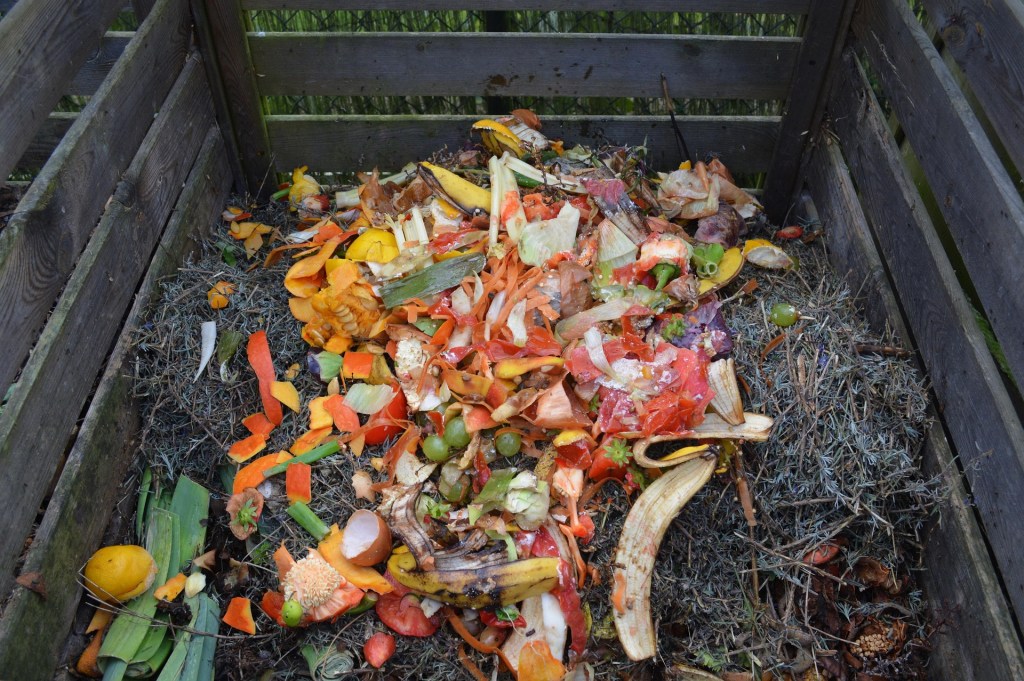
If you’re going to compost, do it like you mean it—no timid piles or half-rotted banana peels tossed in the corner. Start with intention: layer your greens (fruit scraps, veggie peels, coffee grounds) with browns (dry leaves, shredded cardboard, straw) like you’re building a lasagna for the soil gods. Keep it moist like a wrung-out sponge, turn it weekly to feed oxygen to your microbial army, and don’t be afraid to get your hands dirty. This is controlled decomposition, not a trash heap. Hot composting? Crank the pile to 130–160°F and let the bacteria throw a party. Cold composting? Let nature take its slow, steady course. Either way, you’re building black gold.
And don’t let anyone tell you composting is complicated or niche. You don’t need a fancy tumbler or a rural homestead—just a shovel, a spot, and the guts to start. Trench composting works wonders in rage gardens: dig a hole, dump your scraps, cover it up, and let the worms do the rest. Bokashi bins, worm towers, countertop crocks—there’s a method for every lifestyle. Composting is for city dwellers, suburban rebels, school gardens, and anyone ready to stop feeding landfills and start feeding life. It’s not a hobby. It’s a quiet revolution.
Real-World Wins: Compost in Action
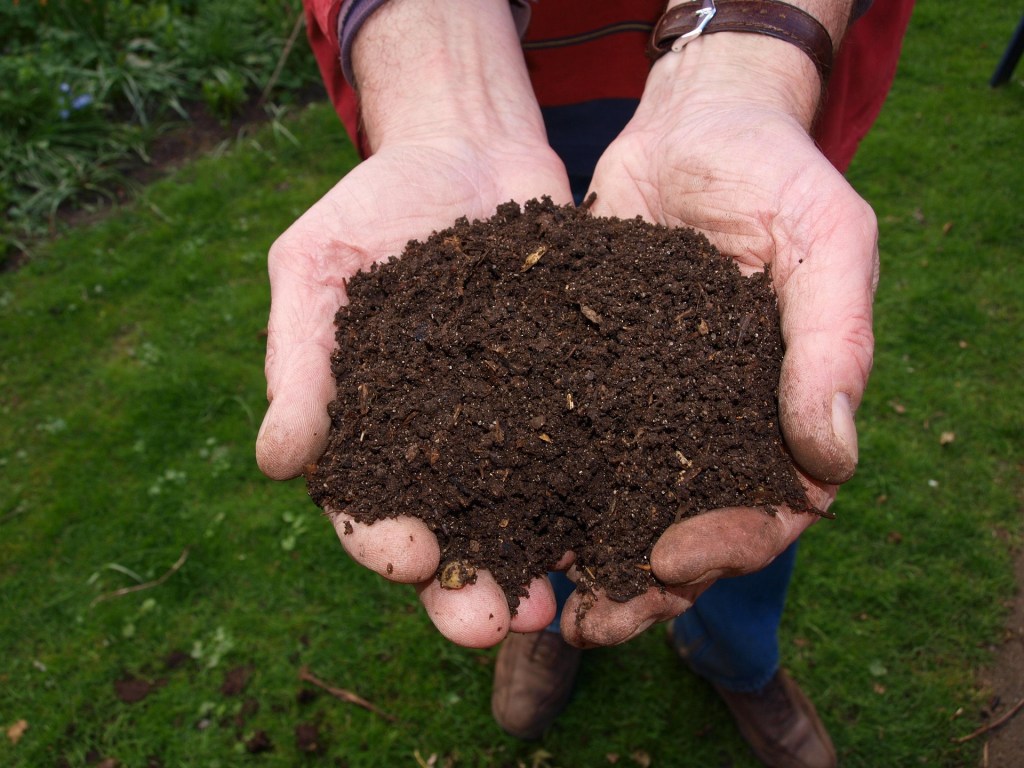
One of the most striking real-world wins in compost-powered gardening comes from a case study where a plot of compacted clay—so dense it repelled water and choked roots—was transformed into loamy, fertile soil in under a year. Through consistent trench composting, layering organic matter, and avoiding tilling, the soil structure shifted dramatically. What was once a lifeless slab became a thriving bed teeming with microbial activity, earthworms, and deep-rooted crops. Before composting, yields were sparse and stunted; after, the same garden produced robust tomatoes, leafy greens, and pollinator-friendly blooms with minimal inputs.
This transformation wasn’t just a solo effort—it became the centerpiece of a Master Gardener workshop focused on soil health and compost builds. Gardeners learned to identify soil types, build compost layers, and monitor decomposition with hands-on activities that connected science to real-world impact. They didn’t just learn about soil—they rebuilt it. The garden became a living lab, showing that compost isn’t just a pile of scraps—it’s a tool for regeneration, education, and empowerment.
Call to Action: Compost or Conform

So here’s the deal: you can keep pampering your lawn like it’s a Victorian debutante, or you can wake up, grab a shovel, and start feeding the soil that actually feeds you. Composting isn’t cute—it’s critical. Your soil is starving for organic matter, microbial diversity, and a break from the chemical abuse. So stop tossing scraps in the trash and start building black gold. Whether you’re trenching banana peels into your rage garden or running a worm bin in your garage, you’re part of the resistance.
This isn’t a hobby. It’s a full-blown soil uprising. Compost or conform. Feed the microbes, ditch the tiller, and test your soil like you mean it. Because if you’re not composting, you’re just landscaping. And rage gardeners don’t landscape—we regenerate.
Join the Rage Garden Inner Circle
Where the wise grow stronger, wealthier, and Smarter every season.
For just $10/month, you gain access to:
- Money‑saving homestead strategies that put thousands back in your pocket
- Time‑cutting systems that free up your days and sharpen your skills
- Seasonal guides, rituals, and plant allies you won’t find anywhere else
- Exclusive content crafted for people who refuse to shrink
- First access to new tools, printables, and resources
This is more than a newsletter; it’s power. A place to gather to rise, reclaim, and root deeper into their strength.
Every month you wait is knowledge, time, and money you don’t get back. Step into the circle now and grow wild
All Rights Reserved
Discover more from Anything Agriculture
Subscribe to get the latest posts sent to your email.
