
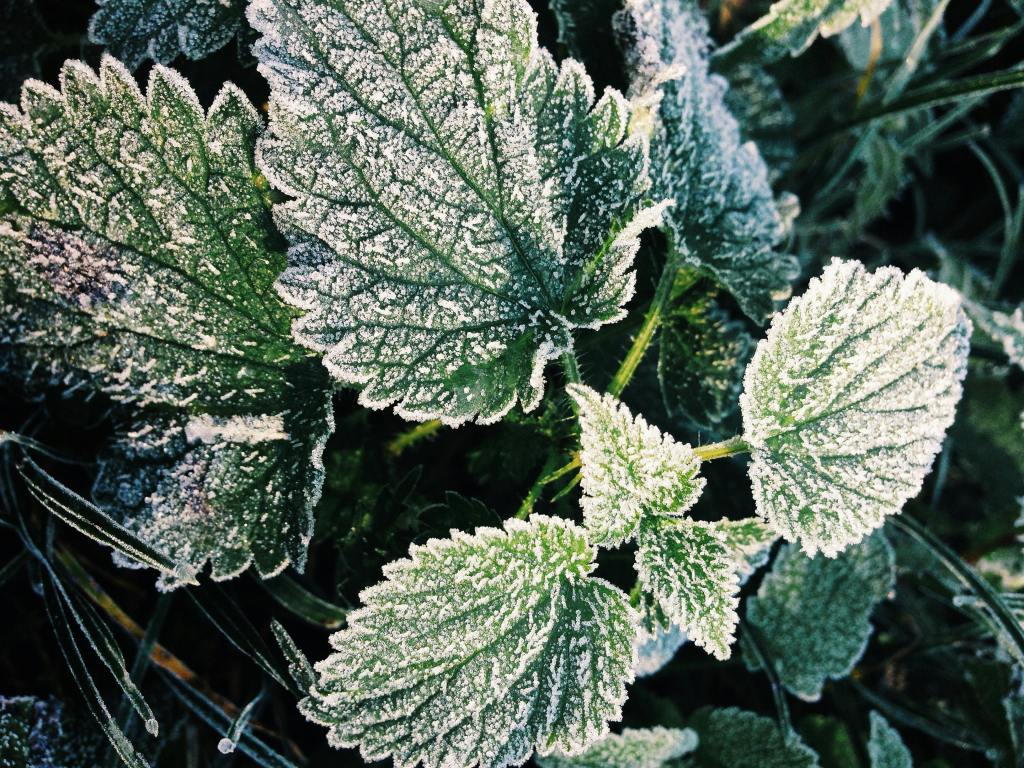
This week many will see our first frost of the Autumn. The first frost marks the end of the growing season. It signals it is time to put our outdoor endeavors to sleep for the winter. Some are still actively harvesting and caring for the last fruits or vegetables out of the garden. This late in the season there should only be a few crops left.
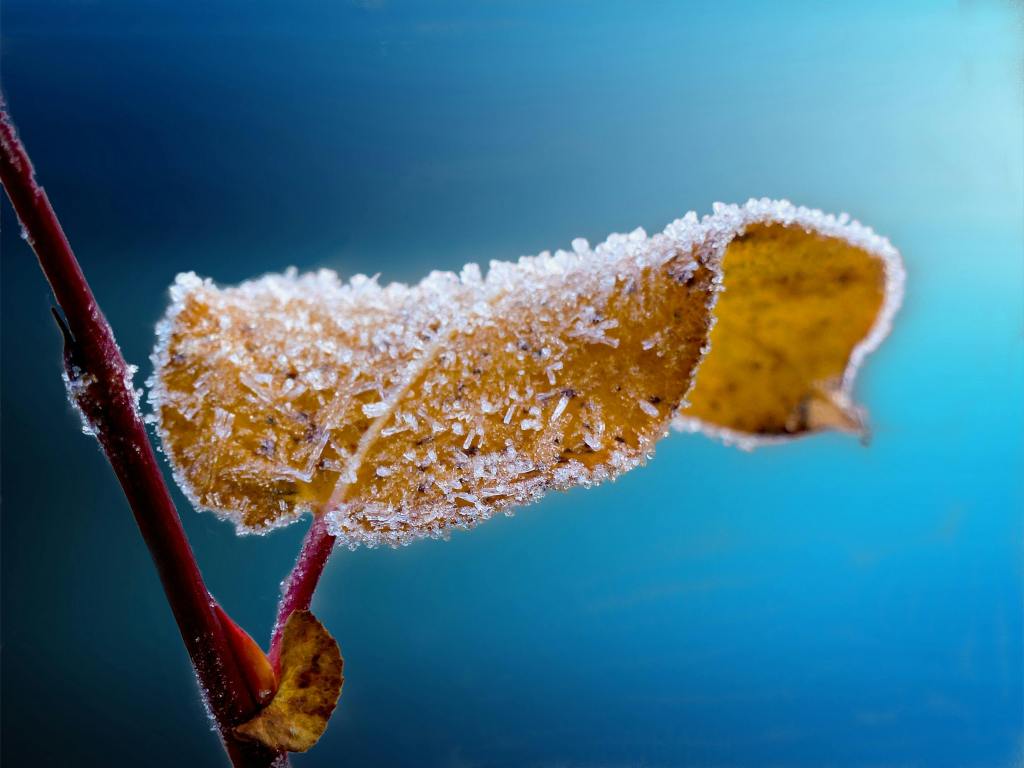
Frosts are inevitable in the Midwest. Locally, we have experienced a long period of warm weather. It is dry and giving us an extended summer this year. We are well within the normal period for the first frost. The first frost can happen anywhere from Oct 1 – Nov 1 and be well within average.
There is a difference between a frost and a freeze. Some people will use the two words interchangeably but there is a difference. A frost occurs when a thin layer of ice forms on a surface. This happens when the surface temperature is on or near 32 degrees F. A freeze occurs when the air temperature is 32 degrees or below for a significant period of time. A hard freeze happens when the air temperature is 28 degrees or lower for an extended period.
What will happen to the apples, pumpkins, and other late-season vegetable crops?
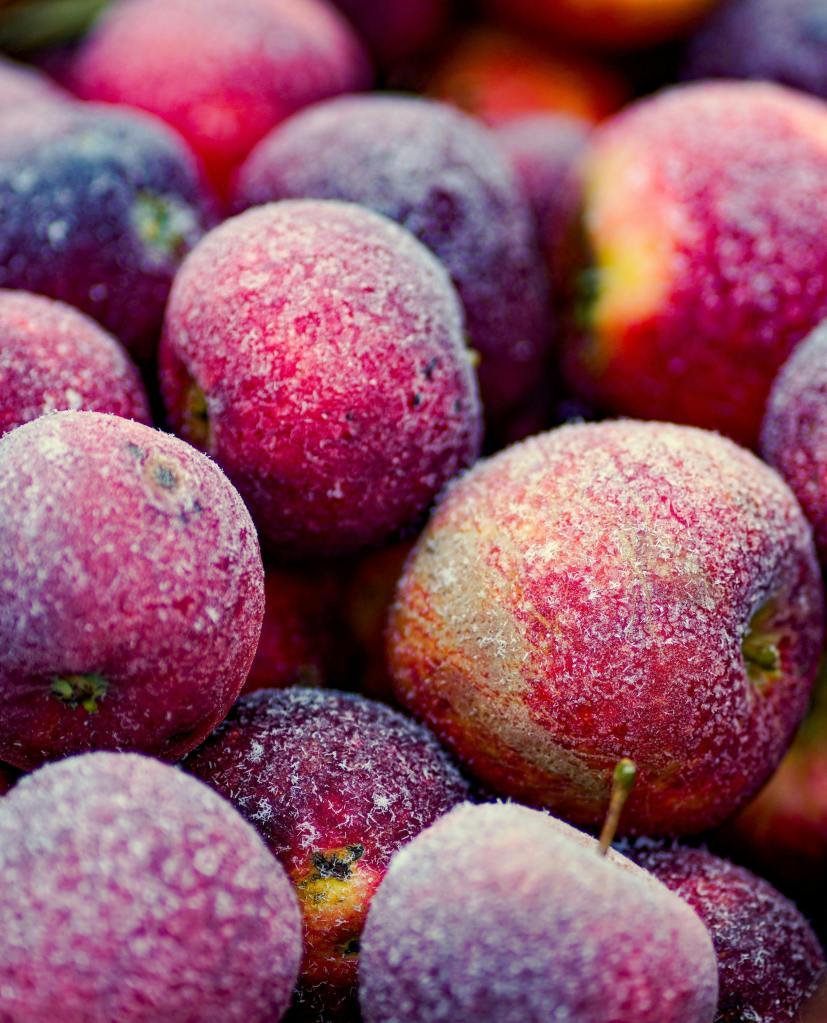
But what about the apples? Can we go to the apple orchard and still pick apples? I haven’t gotten my Apple Cider donuts yet this year. The answer is yes. Apples are pretty resilient to colder temperatures. Commercially, apples are stored 30-32 degrees F, so a little frost should not be of concern. Apples will freeze at a temperature between 27.8 and 29.4 *F, depending on the cultivar, and frozen fruit will deteriorate rapidly. By the time these temperatures happen we have already had some minor frosts and hopefully your apples have been harvested. If a freeze is predicted, there is not much one can do. It is impractical to try and protect large trees or if you have many trees. If frost is a huge concern, you should apply blankets or tarps over one or two dwarf trees. However, this would only give a couple of degrees of protection. This could be done to protect fruit if they are unripe and there are only one or two frosts predicted. This would be impractical for a longer amount of time. If the fruits are ripe, they should be picked and either used or stored. If fruit are not ripe, they will not mature substantially once they are removed from the tree. So it is important to keep the fruit on the tree to ripen.
What about the Pumpkin Spice?
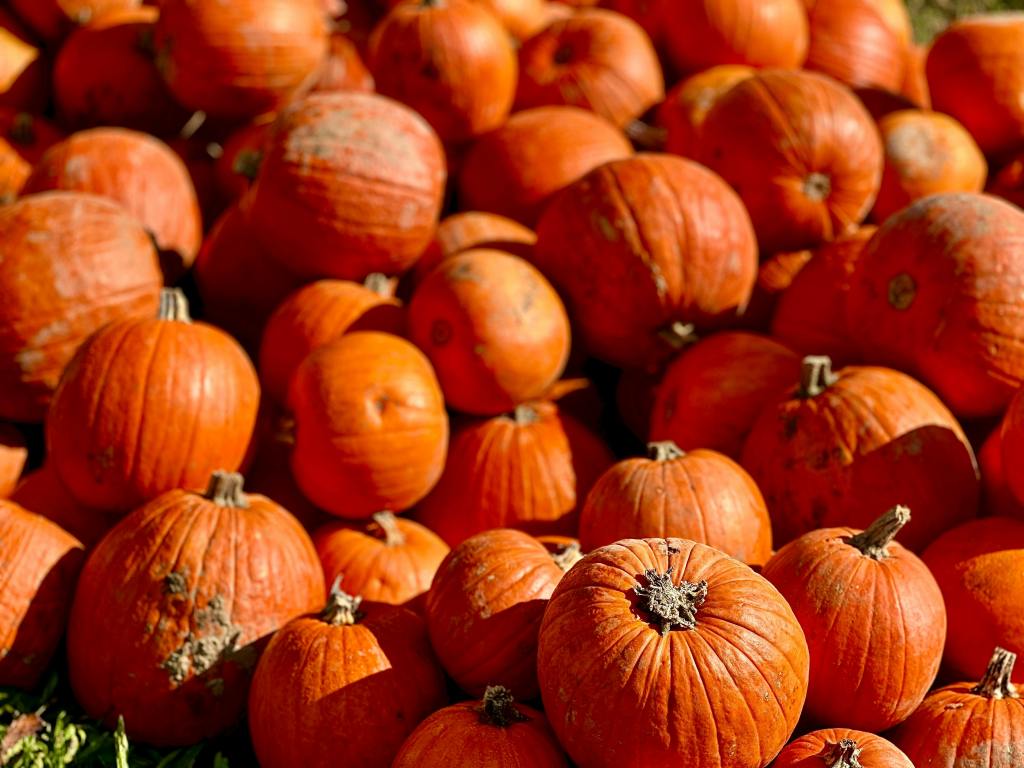
Pumpkins should be protected from frost. Pumpkins can tolerate a light frost. However, a hard frost or freeze will decrease their storage life. You will be left with mushy pumpkins. Most of the pumpkin vine has shriveled up by now so you should harvest your pumpkins. If you still have vines that are growing, you can offer a few degrees of protection. Cover the plants with blankets and such. However, it may not be worth the time and trouble. Pumpkins are best stored at 50-55º F if they want to keep them at their best until Halloween. And wait to carve pumpkins until closer to Halloween, once the outer skin has been opened up pumpkins deteriorate quickly and even quicker if it is freezing
What About My Garden?
Other vegetable plants vary in their sensitivity to cold temperatures. Tender crops, such as tomatoes, peppers, melons, and okra, might withstand light frost if protected. Blankets and tarps are only protective for a few degrees. If temperatures dip into the 20’s, covering the plants won’t likely provide enough protection and the plants will freeze. Harvest all the remaining fruit and vegetables of these plants. The frost will damage the fruit, making them mushy and unappetizing.
Some cool season crops such as beets, carrots, lettuce, and potatoes will stand a light frost even without covering. They can be harvested after frost. Some root crops can stay in the ground and be harvested throughout the winter. This only works in areas that are consistently cold. Otherwise, the root crops will rot in the ground with repeated freeze thaw cycles. Other cool season crops, like cabbage, broccoli, Brussels sprouts, and kohlrabi, will tolerate even a light freeze. These crops can actively grow in cooler temperatures and handle several frosts before the plant starts to have issues.
How Do I Protect My Garden?
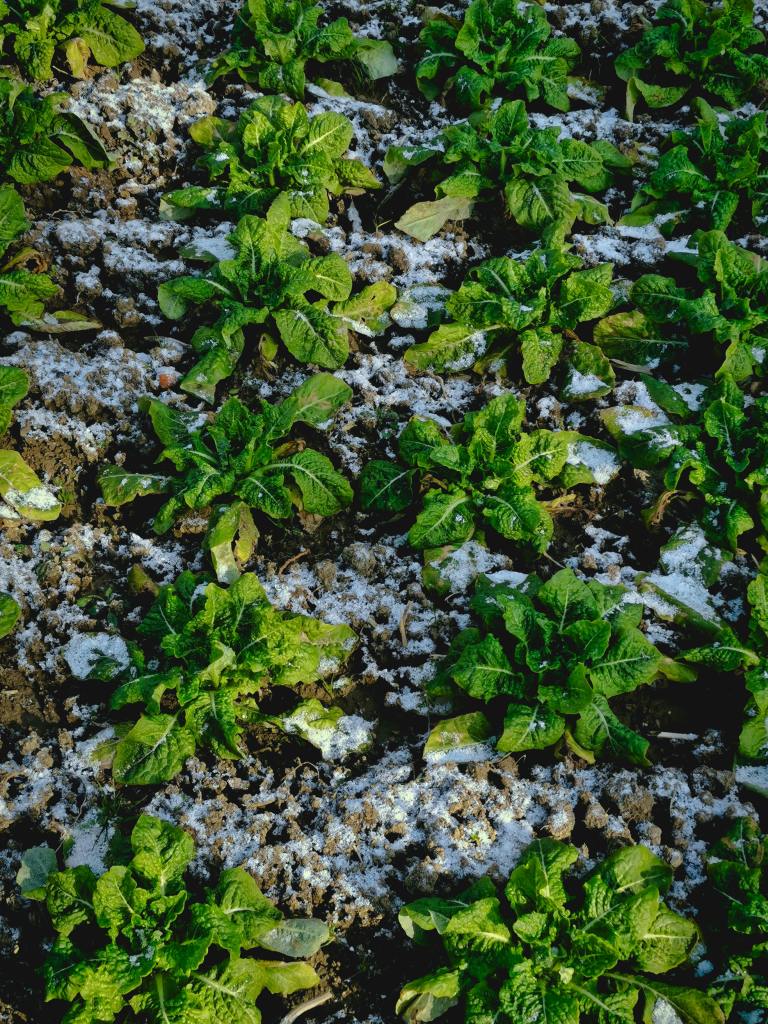
In my opinion mulching is the best way to protect your garden. Mulching is a good way to protect very small gardens. Use several layers of newspaper, straw or chopped corn stalks. For those with large gardens, it may be more practical to protect only a few plants of each crop. Blankets, tarps, floating row covers, or other large materials can be placed over rows of vegetables for protection. There are a lot of products on the market that can help you extend your gardening season. Most are very effective. Cloches, paper tents, hot caps, and plastic walls of water are the more effective but expensive ways for frost protection. All frost protection takes more time and effort on your part. You can cause more damage if these are left on when the days are warm, but the nights are cold. In cases of light frost, sometimes only the upper and outer foliage are damaged. The plants can still continue production.
If plant covering is not feasible, pick as much produce as possible if frost is predicted.
What About My Tomatoes?
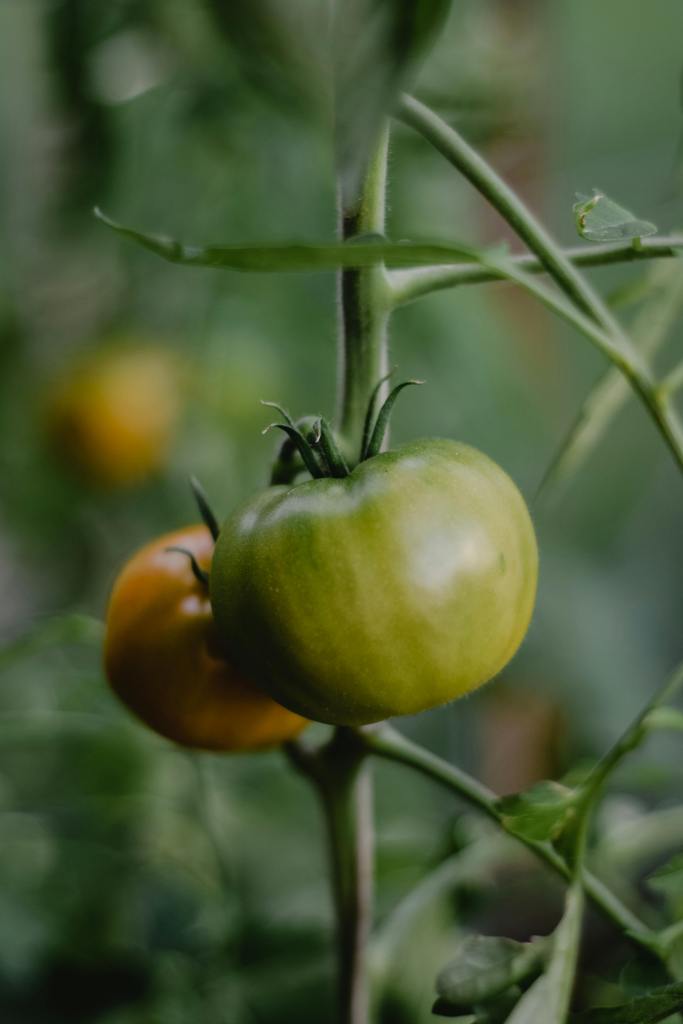
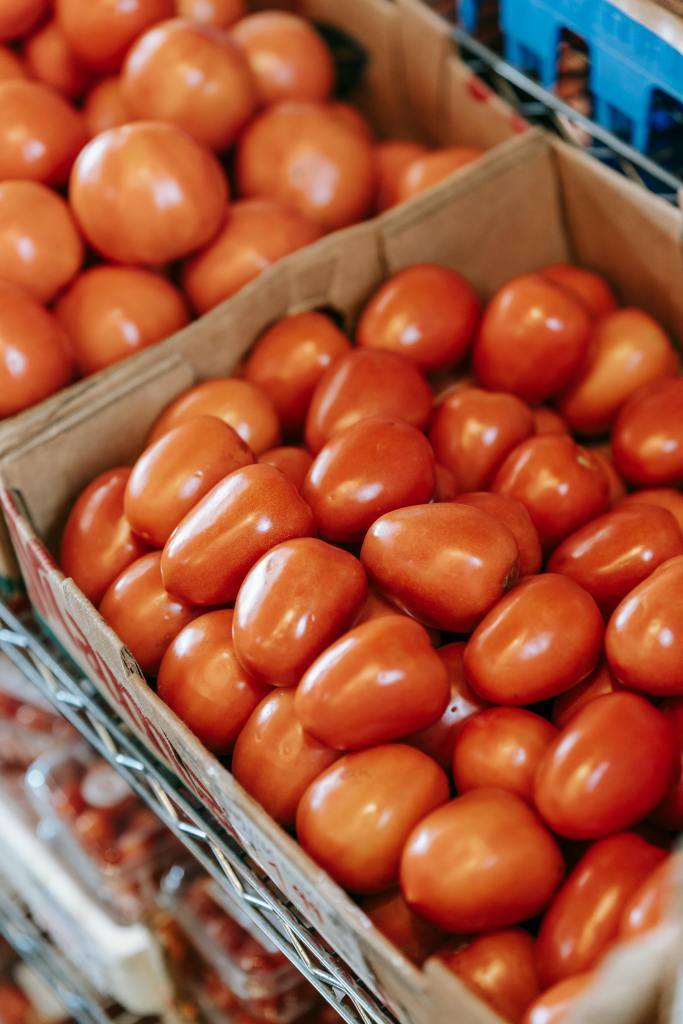
Most crops will not ripen any further once picked, but tomatoes are an exception. Mature green tomatoes can be ripened to full color indoors. Light is not necessary to ripen tomatoes. In fact, ripening of tomatoes is mostly affected by temperature. The warmer the temperature, the faster the ripening. Extensive warmth will over ripen your tomatoes before you get a chance to eat them. To store tomatoes for later use, wrap the fruit individually in newspaper and store at 55 degrees F. Make sure the tomatoes have no blemishes or soft spots. The fruits will gradually ripen in several weeks. This can give you garden fresh tomatoes well into the late fall, early winter. Some varieties of tomatoes store better then others varieties such as Roma or San Marzano. I once had a client that was so good at storing tomatoes that they would store them into January. They had a root cellar that had perfect temperatures. They were meticulous about getting rid of tomatoes with blemishes. They would take a few tomatoes out, warm them up and they would ripen. My client loved having fresh tomatoes in January. Many gardeners would envy them for having a fresh tomato during this time.
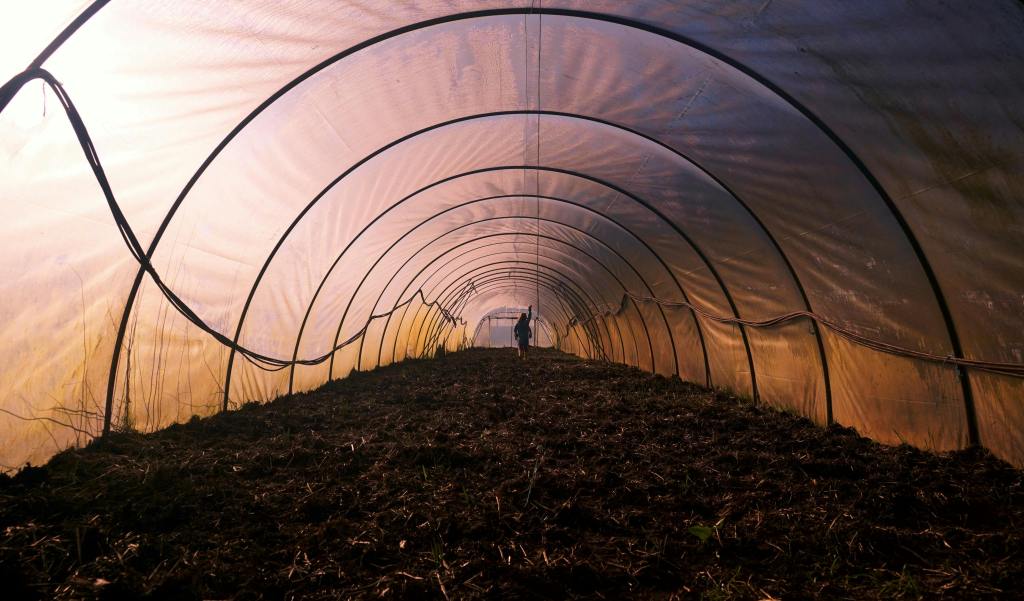
You can use this information to help plan next year’s garden. Plant fruit and vegetables that can extend your gardening season. Knowing which plants tolerate frost is important. It is also crucial to know which ones aren’t frost tolerant. This knowledge is key to being able to harvest your garden well into the Autumn. Your tender plants would need the most protection. Planting them so you can install hoops or some other way to easily put frost protection over the plants in the spring will make it much easier in the fall when you are extending your season.
Vegetable Tolerance Chart
The following chart lists most commonly grown vegetables and indicates their tolerance to frost.
| Tender (Damaged by light frost) | Semi-Hardy (Tolerant light frost) | Hardy (Tolerate hard frost) |
| Beans | Beets | Broccoli |
| Cucumber | Carrot | Brussels sprouts |
| Eggplants | Cauliflower | Cabbage |
| New Zealand Spinach | Celery | Collards |
| Okra | Chard | Kale |
| Pepper | Chinese Cabbage | Kohlrabi |
| Pumpkin | Endive | Mustard Greens |
| Squash | Lettuce | Onion |
| Sweet Corn | Parsnip | Parsley |
| Sweet potato | Potato | Peas |
| Tomato | Salsify | Radish |
| Watermelon | Spinach | |
| Melons | Turnip |
What About My Herb Garden?
Herbs can be more difficult to figure out which ones are frost tolerant and which ones are not. Several herbs are perennial, meaning they die back every year and come back in the spring. Herbs are a little different because they have some different modes of survival. Some Herbs are annuals but will sow their seeds and then come back each year from the seed from the previous year. These are not technically cold hardy plants but their seed survives. Some self sewing in cold temp are cilantro/coriander, dill, borage, calendula,
Another type of herb life cycle that can also come back are Biennials. Biennial plants are plants that come back and complete their life cycle in two seasons. Biennials herbs include angelica, caraway, clary, parsley, watercress. These will die back then come back in the spring to complete there life cycle.
The following chart lists most commonly grown herbs and indicates their tolerance to frost.
| Tender (Damaged by light frost) | Semi Hardy (Tolerate light frost) | Hardy (Tolerate hard frost) |
| Basil | Lavender | Chives |
| Rosemary | Catnip | Parsley |
| Rue | Hyssop | Mint |
| St. Johns wort | Comfrey | Sorrel |
| Valerian | Feverfew | Tarragon |
| Chamomile | Lemon Balm | Thyme |
| Lovage | ||
What About My Fruits Trees?
Fruit and cold tolerance has many different factors. There are three stages of cold hardiness. One stage, is the plant. Can the plant survive the cold temperature? The second, is the fruit, can the fruit deal with frost or cold temperature. Third, and perhaps most importantly, what stage is the plant in when the cold temperatures occur.
When we talk about the fruit plants, most fruit trees commonly found in the Midwest can handle pretty cold temperatures and survive. In the fall most of the fruit on plants have already been harvested except for apples and some pears. Apples are a special fruit as their fruit can withstand some frosts. Some people may have raspberry plants that has put on a second crop in the fall. These berries are very susceptible to a frost.
The plant stage has more to do with surviving frost than anything else. The flowering stage is the most sensitive for all fruiting plants. This is why we hear a lot about spring frosts hurting the fruit crops. Spring frost will kill flower tissue and hurt the plant’s pollination. So, for most fruit plant spring frost are the most dangerous.
Strawberries have other concerns about overwintering. They do best when mulched overwinter to help the crowns survive. Summer producing fruit only has to worry about frosts in the spring. Apricots, most berries, peaches, plums, and nectarines are very susceptible to frost injury in the spring, by the time autumn frost happens these plants have already been harvested.

Pears and apples can handle some frost in the fall and still produce good quality fruit.
A quick chart of cold tolerances in fruit. This is by no means a complete list of fruit or plants but it can be a starting point.
Common Fruit Frost Tolerances
The following chart lists most commonly grown fruit and indicates their tolerance to frost.
| Tender (Damaged by light frost) | Semi Hardy (Tolerate light frost) | Hardy (Tolerate hard frost) |
| Cherry fruit | Nut | Apple fruit |
| Peach fruit | Grapes | Pear fruit |
| Plum Fruit | Quince | Cherry tree |
| Nectarine fruit | pawpaw | Peach tree |
| Berries fruit | Plum Tree | |
| Strawberries fruit | Nectarine tree | |
| Citrus | Persimmons | |
All information is subject to copyright.
Thank you for reading! If you want more information and updates, please subscribe to my newsletter. Get the latest blog posts and new offers right in your email. It’s free to subscribe, and you’ll receive loads of information at no cost.
Don’t forget to check out Anything Agriculture on social media! Follow us on YouTube, Facebook, Instagram, and Pinterest for more great content. Like and subscribe to stay connected!
Ready to take your homesteading journey to the next level? Book an appointment with me today! With decades of experience, I provide personalized advice to solve any homesteading challenge. Whether you’re a newbie or a seasoned homesteader, I offer expert guidance to make your homestead thrive. Don’t miss out—schedule a chat and unlock the full potential of your homestead with Anything Agriculture. Let’s turn your dreams into reality!


Discover more from Anything Agriculture
Subscribe to get the latest posts sent to your email.
