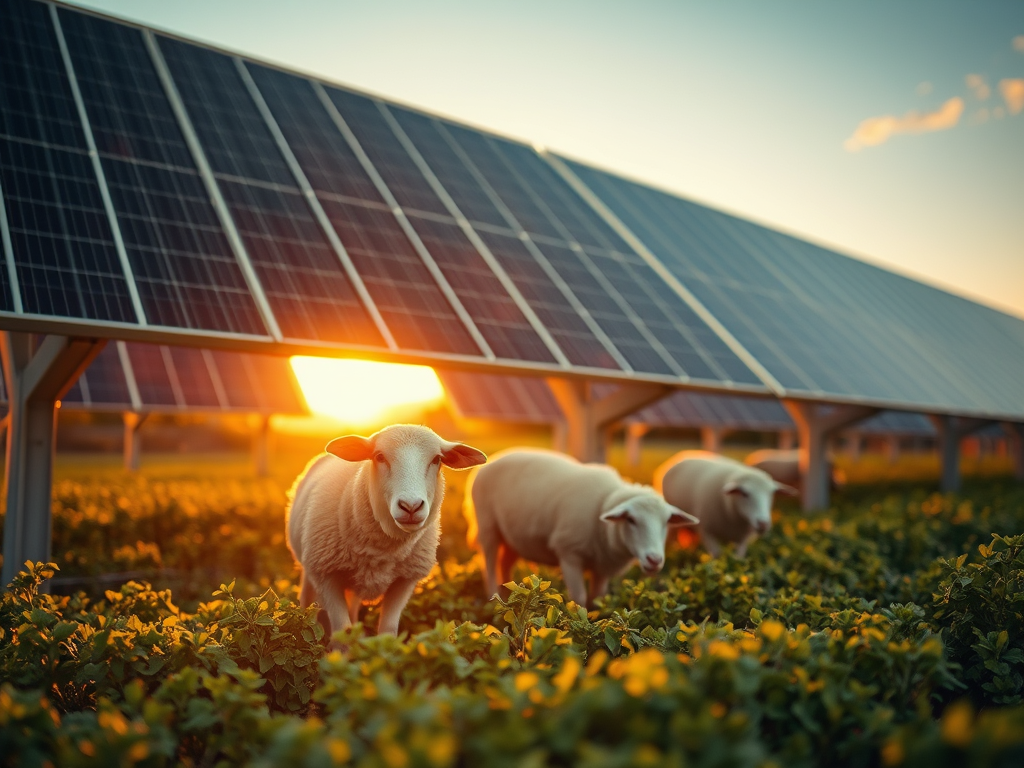
Agrivoltaics is a strategy for using land that is already in solar farm production for agriculture production. This is a new idea in the renewable energy circles. Dual use of farmland is not a new concept in agriculture.
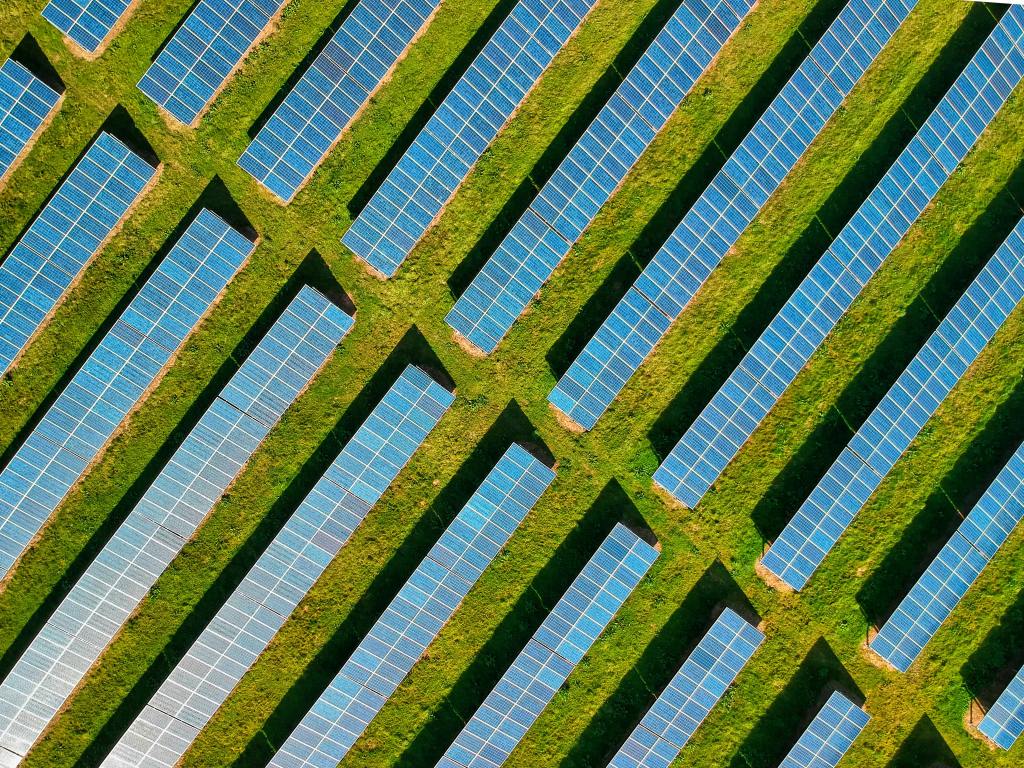
Agrivoltaics is a fancy world for using farmland for both agriculture and solar energy productions. Solar farms face criticism that solar panels are taking good farmland out of production. Solar farms are often criticized for causing environmental hazards. These include loss of habitat and interference with rainfall and drainage. They can directly impact wildlife, causing death due to injury, and create water quality issues. During construction, solar farms are criticized for lack of erosion control, runoff control, and dust in the environment. Solar farms can also create a lot of heat. Many consider solar farms an eyesore and worry about their property values. Solar farms face several challenges like vegetation management and animal damage. There may be other issues that a solar farm faces on a local level. Let’s look at some of the Pros and Cons and likely systems that can work for Agrivoltaics.

Pro of Agrivoltaics:
Agrivoltaics could lead to some great benefits for both agriculture and solar farms
Some of the Pros include:
- It can diversify income for agriculture enterprises
- It can reduce land use issues
- It can help reduce carbon footprint by being used for carbon sequestering
- Solar panel can create cooling of crops to help reduce water loss and heat stress
- The plants below the solar panels could help cool solar panel by plant respiration
- Could be use as pollinator habitats
- Could be used in grazing livestock.
- Could be used for horticulture crops like potatoes, garlic, leafy greens or herbs
The most intriguing and exciting use of solar farms is for grazing animals. There are various obstacles that need to be overcome when discussing putting animals with solar panels. Animal agriculture requires significant inputs and management. However, it also yields considerable profits. Some of the challenges are how to make animals work in a system with solar panels. We don’t have to reinvent the wheel. We just have to look at other agricultural systems and adapt them. Any systems implemented will need management. Systems with animals need additional management because we are dealing with living, breathing, moving animals.
Benefits of Animal Agriculture in Solar Farms
- Vegetation management
- Putting land back in farming production
- Shade for animals
- Shelter for animals
- Increase biodiversity
- Pollination friendly habitats
- Better soil health
- Improved erosion issues
- Improve water runoff issues
- Increase and diversify revenue streams
- Reduce emission costs
- Contribute to animal agriculture markets
Issues of Animal Agriculture Around Solar Farms
- Death and injury of animals due to excessive heat
- Habitat loss of clearing ground for solar panel farms
- Storm water runoff can pose an issue for local watersheds
- Water quality can be affected by construction
- It change foraging behaviors in animals both domestic and wild
- Animal damaging solar panels
There are four areas that need to be addressed in animal agriculture around solar farms. These areas include the location of land, the design of solar panels, fencing, and grazing of domestic animals. I believe there are already systems that can act as a road map to solve these many of issues.
Agroforestry has some great ideas that can be adapted for the Agrivoltaics.
Taking a Look at Agroforestry.
What is Agroforestry? It is the practice of growing trees and shrubs with crops or livestock. This method creates a sustainable and productive land use system. Some civilizations have been doing this for centuries and maybe even longer. So what does this have to do with solar panels?
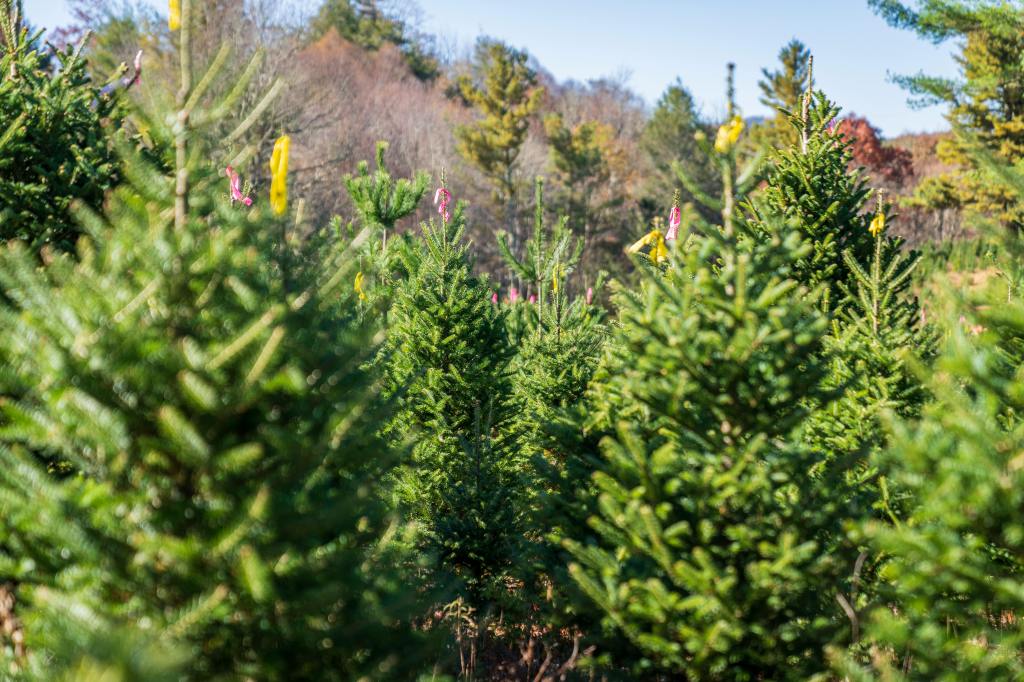
Solar panels and trees are pretty similar. Both harvest the sunlight and create energy. Trees turn the sunlight into wood or fruit that can be used. Solar panels harvest sunlight to create energy that we use to run our homes and businesses. Trees and solar panels are sensitive to their environments. Trees need good soils and adequate water. Solar panels need unimpeded access to sunlight and protection from the environment. Both need regular maintenance and vegetation management. Solar panels need regular maintenance to make sure they are working. Trees need regular management to make sure they are growing properly. There are many other parallels between solar panels and trees. Agroforestry is a good place to look for systems that can be adapted to Agrivoltaics.
What can we learn from Agroforestry?
Agroforestry has been used for centuries to use the land effectively. If we look at the system, can they be used with solar panels instead of trees?
Some solutions can come from modified Silviculture systems. Silviculture is the management of forests or woodlands to control their growth, composition, and health. Silviculture systems are used throughout the world and can be modified to fit the situations. It ensures the quality of woodlands while also providing wildlife habitat and timber resources. It supports land restoration and recreation on a sustainable basis. So how would this work in a solar farm?

One practice in Silviculture that shows promise with solar panel fields is the practice of Silvopasture. Silvopasture is an Agroforestry practice that integrates trees and pasture and forage crops into a system for raising livestock. This system would include vegetative management and soil management and be beneficial for livestock. Other factors that need to be taken in consideration are the type of livestock. Cows, horses, sheep, goats and chickens have been successful in Silvopasture practices. The choice of forages is important. It ensures the chosen animal is getting the necessary nutrients for a healthy product.
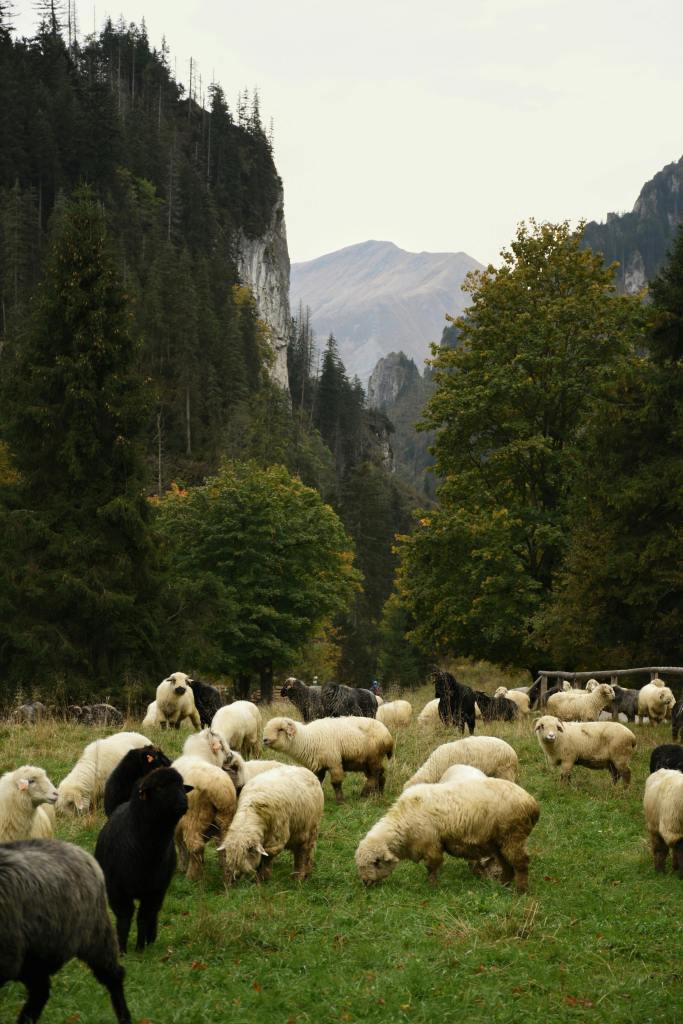
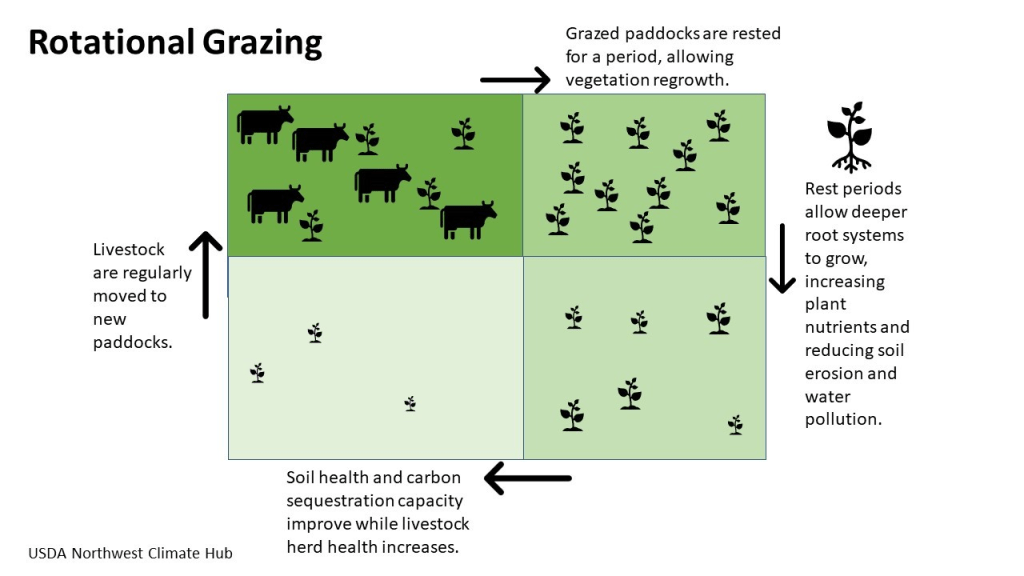
Rotational grazing would need to be implemented to have safe grazing of the animals and safety of the solar panels. Rotational grazing is a system where livestock is moved to a new field. This happens once the forages have been grazed. Rotations would be determined by the forages and animals and the size of side fields to be grazed. It may be necessary to bring in extra fencing to make the fields smaller for more efficient grazing. Water needs to be considered. Shelter and protection for the animals are also important in a rotational grazing system. Rotational grazing done right would be very beneficial to the farmers, animals and the solar panel farms. These are not built it and forget it systems; they need to me managed. If implemented incorrectly it could do more harm than good. A system needs good management to be successful.
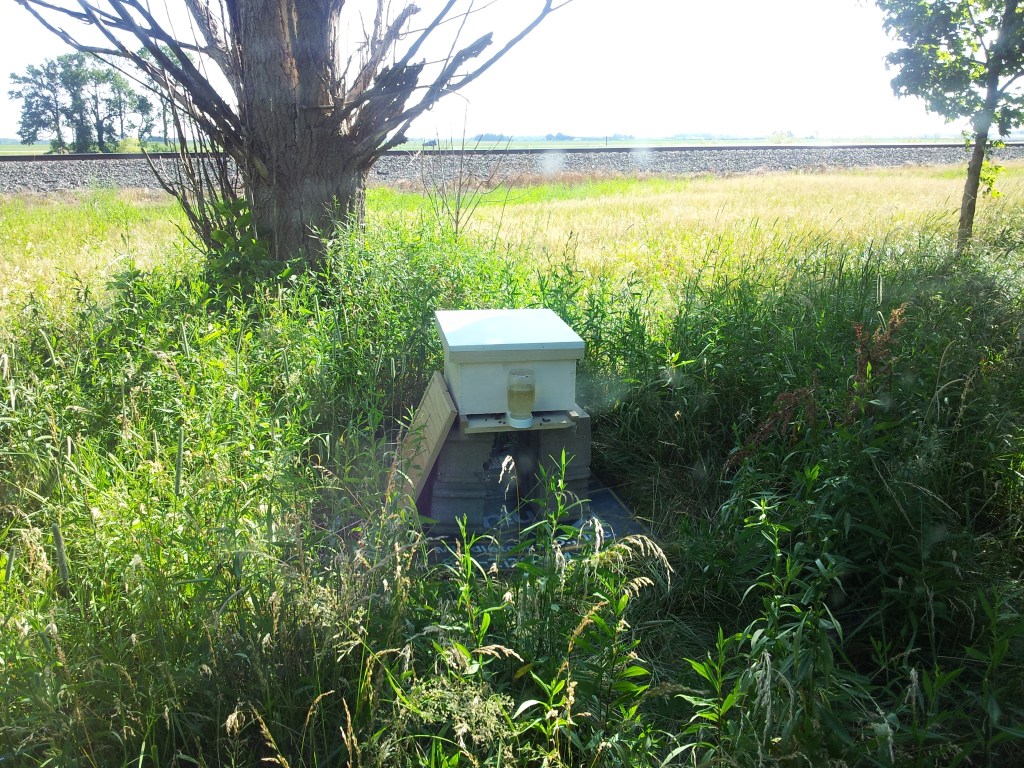
Are they other ideas that can work in a Solar panel field? Yes, there are some creative ideas that will work. What about turning them into bee forage areas? This is great for the local pollinators and a healthy bee population benefit everyone. It would increase biodiversity and help manage water runoff. This would still require management of the bee forages as bees also require healthy managed forages. Bees and pollinators will require flowers that bloom throughout the season so the bees can do their work. Local beekeepers need to be involved. They will take care of any bee colonies. This ensures they are healthy and producing honey. Forage would need management around the panel to make sure that forages don’t interfere with the panels. This would need to be figured out but I believe this idea has potential. I do believe that there are some solar farms that are experimenting with bee and bee forages.
Horticulture crops may be able to be adapted to grow around solar panels. A system with horticulture plants requires many inputs to start but could bring a larger profit then cereal crops. Can solar farms be used to grow ginseng? Or any other woodland herbs? How about vegetable crops that don’t need full sun like leafy vegetables. What about crops such as blueberries or low growing fruit? Several of these systems are being tried on a trial basis around the US. Several universities, including Rutgers University and University of Vermont, are conducting research. Others like University of Massachusetts and Cornell University are also involved in projects related to Agrivoltaics systems and horticulture crops. Adding Horticulture crops could benefit local communities and create unique markets. The local impact could be positive and the solar farms and farmers would be working together and bettering the environment.
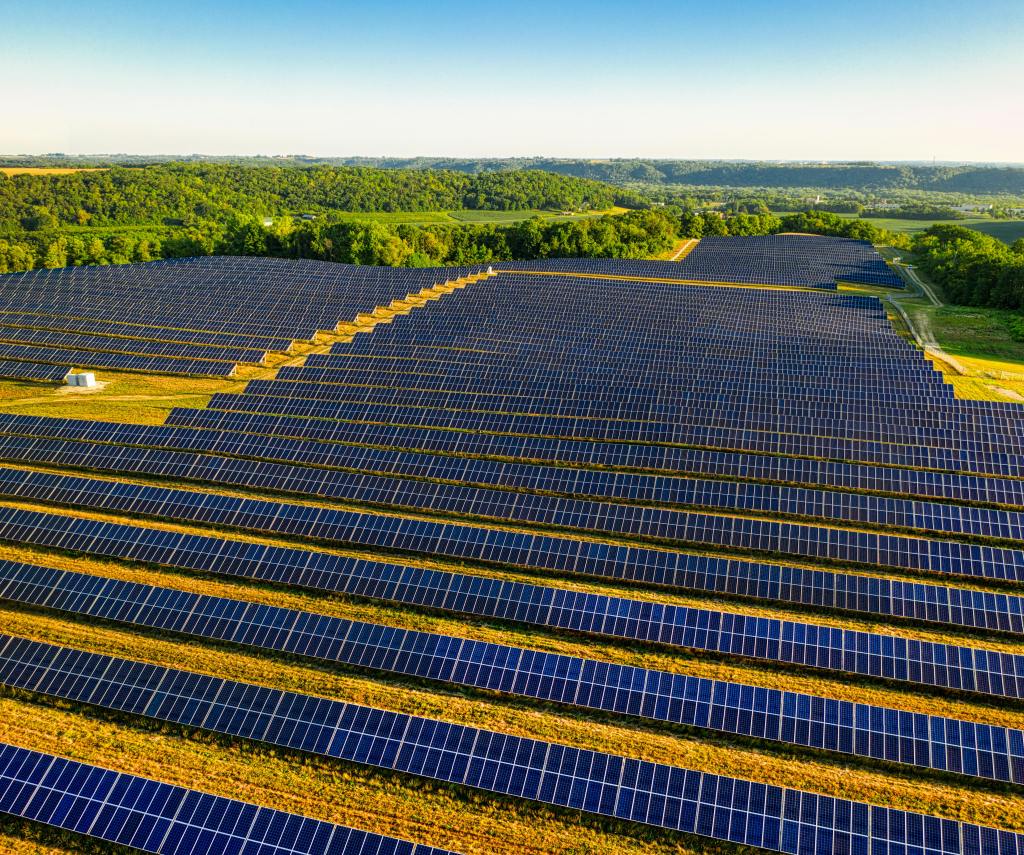
All of these ideas are being tried with varying degrees of success. The US department of energy is supporting this idea of solar farms and agriculture working together. They have projects across the country looking for ways to be mutually beneficial. This is cutting edge agriculture research. With refinement and creativity, these systems could positively impact our environment. They could also benefit local communities. Agrivoltaics being a new area of agriculture there are always some setbacks. It will require significant effort with dedicated people to ensure success. There will be some who will reject the whole idea. What do you think? What kind of system have you seen work? What kind of system do you think should be tried? So, do you support these types of ideas, or do you think we should try a different approach? This area is so new I would love to hear your thoughts.
Thank you for reading! If you want more information and updates, please subscribe to my newsletter. Get the latest blog posts and new offers right in your email. It’s free to subscribe, and you’ll receive loads of information at no cost.
Don’t forget to check out Anything Agriculture on social media! Follow us on YouTube, Facebook, Instagram, and Pinterest for more great content. Like and subscribe to stay connected!
Ready to take your homesteading journey to the next level? Book an appointment with me today! With decades of experience, I provide personalized advice to solve any homesteading challenge. Whether you’re a newbie or a seasoned homesteader, I offer expert guidance to make your homestead thrive. Don’t miss out—schedule a chat and unlock the full potential of your homestead with Anything Agriculture. Let’s turn your dreams into reality!


Discover more from Anything Agriculture
Subscribe to get the latest posts sent to your email.
