

Time-Saving Homestead Hacks: Get More Done with Less Effort!
This article has Affiliate links.
Homesteading is an adventure filled with hard work and passion. But let’s face it—there’s only so much time in the day! What if you could accomplish more without feeling overwhelmed? Whether you’re tending animals, growing food, or managing chores, time-saving strategies can turn your homestead into a well-oiled machine. I’m sure you can come up with more hacks that will help you on your farm. These hacks saved me the most time and effort.
1. Batch Processing
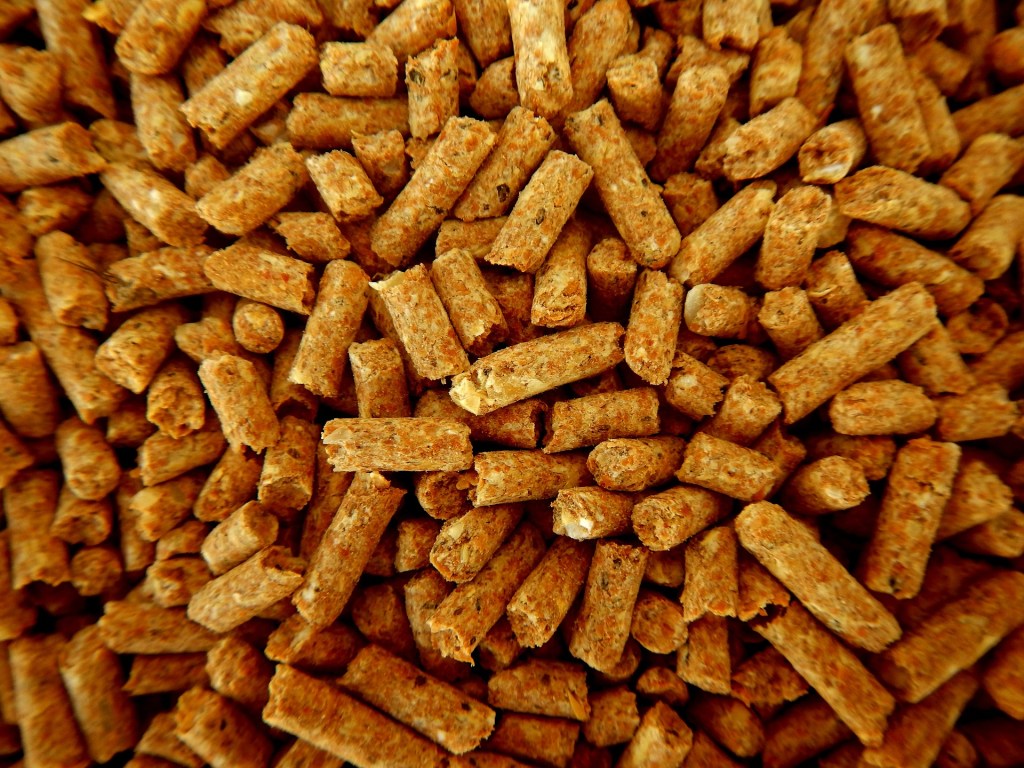
- What It Is: Grouping similar tasks together to maximize efficiency.
- Examples:
- Prep animal feed for the week in bulk rather than doing it daily.
- Bake multiple loaves of bread at once rather than one at a time.
- Wash and chop vegetables all at once for meals throughout the week.
- Meal prepping for an entire week. Rather than cooking everyday.
2. Automation

- What It Is: Using tools to reduce manual labor.
- Examples:
- Automatic feeders and waterers for livestock.
- Timed irrigation systems for gardens.
- Motion-sensor lights for security around the homestead.
For my flock automation was key. Automating my chicken coop door was a game-changer for both convenience and security! Instead of manually opening and closing the coop every morning and night, an automatic door opener ensures your flock is safe—whether you’re home or not.

3. Multi-Tasking
- What It Is: Combining tasks to save time.
- Examples:
- Listen to podcasts while working in the garden.
- Exercise while doing chores—use a weighted vest when feeding animals.
- Review farm-related videos while preparing food.
I love listening to audiobooks while doing chores is a brilliant way to maximize efficiency and enjoyment on the homestead! It turns routine tasks into an opportunity for learning, entertainment, and personal growth, all while keeping your hands busy.
4. Raised Garden Beds

What It Is: Elevated beds reduce bending and make gardening easier.
Examples:
- Less weeding due to controlled soil space.
- Improved drainage prevents root rot.
- Use recycled materials to create affordable raised beds.
Planting in raised beds offers several advantages over traditional in-ground gardening, making it a time-saving and more efficient option for homesteaders. Raised beds provide better soil control, allowing gardeners to customize the soil mix for optimal plant growth, unlike in-ground planting where soil quality may vary. They also offer superior drainage, reducing the risk of waterlogging and root rot, which is common in low-lying areas. Weed suppression is another key benefit, as raised beds create a defined planting area where mulch and barriers can effectively prevent unwanted growth, whereas in-ground gardens often require more frequent weeding. Additionally, raised beds are ergonomically friendly, reducing the need for excessive bending and kneeling, which helps protect knee and back health—an issue commonly faced in traditional ground-level gardening. They also extend the growing season, as the soil in raised beds warms up faster in spring, allowing earlier planting, while in-ground plots take longer to reach optimal temperatures. With less maintenance, healthier plants, and better efficiency, raised beds offer a more productive and manageable gardening experience compared to traditional in-ground planting.
5. Mulching
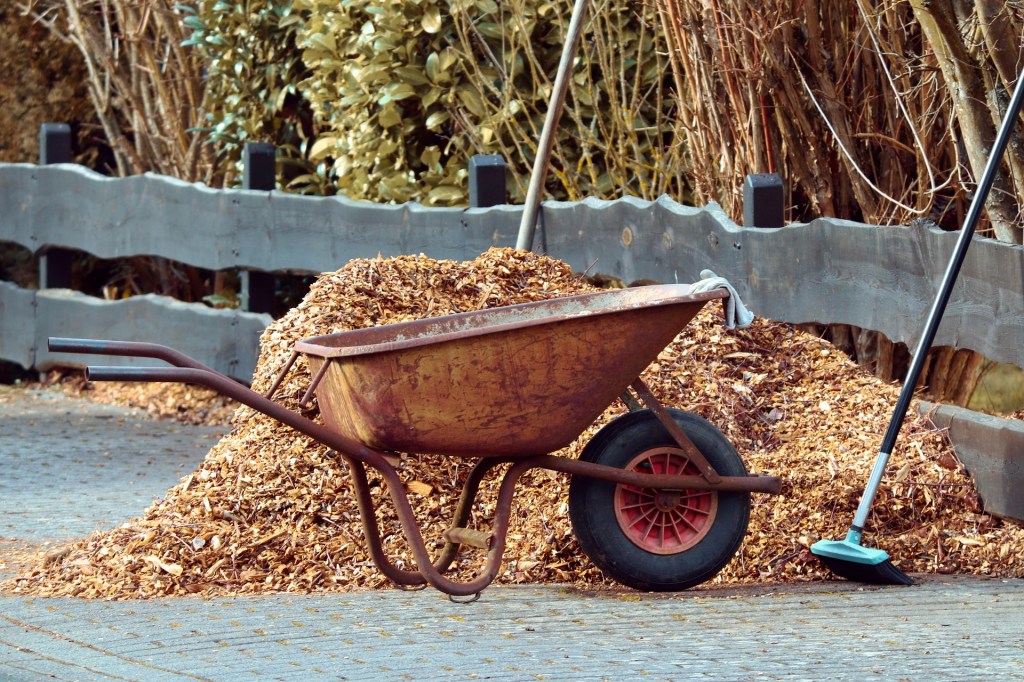
- What It Is: Using organic or natural to suppress weeds and retain moisture.
- Examples:
- Wood chips, straw, or leaves to keep moisture in the soil.
- Black plastic to warm soil for early planting.
- Cardboard sheets to suppress grass growth before planting.
Mulching has completely transformed how I manage my homestead, saving me time, effort, and resources while dramatically improving soil health and plant growth. Before mulching, I spent hours pulling weeds, but now a thick layer of wood chips, straw, or leaves keeps them under control, freeing up time for more important tasks. It also helps retain moisture, meaning I water less frequently, keeping my plants hydrated without the daily hassle. Over time, the organic mulch breaks down and enriches the soil naturally, improving fertility and reducing the need for constant fertilization. Additionally, it softens the ground, making gardening easier on my knees and back, allowing me to work longer with less discomfort. Mulch also provides year-round benefits, keeping soil warmer in winter and cooler in summer, so my plants thrive without requiring emergency interventions. By reducing weeding, watering, and soil maintenance, mulching has become one of the most effective time-saving hacks on my homestead, letting me focus on other important projects while maintaining a productive and healthy garden.
6. Rainwater Collection

- What It Is: Capturing rain for irrigation.
- Examples:
- Using rain barrels under gutters.
- Directing runoff to garden beds.
- Installing underground cisterns for long-term water storage.
Capturing rainwater is a game-changing homestead hack that provides a free, sustainable water source while reducing reliance on municipal supplies. By setting up rain barrels, underground cisterns, or gutter systems, homesteaders can store and use rainwater for irrigation, livestock, and household needs. This method lowers water bills, protects against droughts, and ensures a steady supply even during dry seasons. Plus, rainwater is salt-free, making it ideal for gardens and crops. With the right setup, every rainfall becomes an opportunity to boost self-sufficiency and efficiency on the homestead!.
7. Quick Tips for Efficient Composting:
is a simple yet powerful homestead hack that transforms kitchen scraps and yard waste into nutrient-rich soil. Instead of throwing away food scraps, leaves, and grass clippings, composting recycles organic matter to create healthy, fertile soil for gardens.
- Balance greens & browns—mix food scraps (nitrogen) with dry leaves or straw (carbon).
- Turn the pile regularly—aeration speeds up decomposition.
- Keep it moist—like a wrung-out sponge for best results.
- Avoid meat & dairy—these attract pests and slow down composting.
With minimal effort, composting reduces waste, enriches soil, and boosts plant health—making it a must-have homestead hack! 🌱♻️
8. Solar-Powered Lights

- What It Is: Using solar lights instead of wired electricity.
- Examples:
- Pathway lights for nighttime visibility.
- Motion-sensor solar lights for security.
- Solar lanterns for emergency preparedness.
Solar lights are a fantastic homestead hack, eliminating the need to run electrical wiring to far-off locations while providing reliable lighting for security, pathways, and outdoor workspaces. By harnessing free, renewable solar energy, these lights automatically charge during the day and illuminate at night, ensuring visibility without extra effort or costs. Whether lighting a remote barn, chicken coop, or garden paths, solar-powered solutions save time, reduce installation headaches, and eliminate ongoing electricity expenses. They also enhance safety, preventing trips and falls in dark areas without requiring constant maintenance. For homesteaders, solar lights offer simplicity, efficiency, and long-term savings, making them a must-have for practical, off-grid illumination
9. Portable Electric Fencing

- What It Is: Easily movable fencing for rotational grazing.
- Examples:
- Temporary pens for sheep rotation.
- Modular fencing for protecting gardens.
- Solar-powered electric fence units for livestock.
Using electric netting for my chickens has been one of the most successful additions to my homestead. It provides flexible, portable protection, keeping my flock safe from predators while allowing them to forage freely in different areas. The ease of moving the netting means I can rotate grazing spots, ensuring the chickens get fresh pasture while fertilizing the land naturally. Since installing electric netting, I no longer worry about digging predators like foxes or raccoons, and my birds stay safely contained without requiring a permanent fence. The setup was simple, and the solar-powered energizer keeps the fence running without constant adjustments. Not only has this system saved time and effort, but it has also improved flock health and land regeneration—making it an absolute game-changer for poultry management on my homestead!
10. DIY Greenhouse
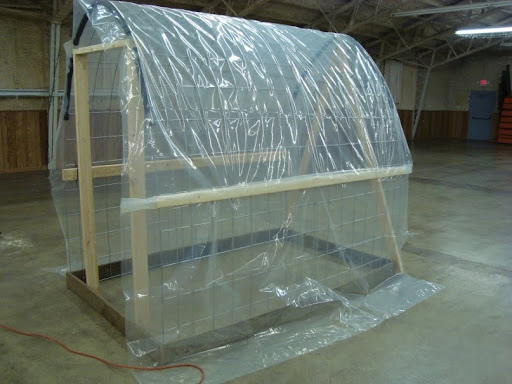
- What It Is: A homemade structure for extending growing seasons.
- Examples:
- Hoop houses with PVC and plastic.
- Cold frames for winter gardening.
- Repurposed windows for mini greenhouses.
Take a look at my read my article, Quick and Dirty Greenhouse that is quick to build and cheap to afford. See the My Youtube Video Quick and Dirty Greenhouse
11. Tool Organization

- What It Is: Keeping tools in dedicated places for easy access.
- Examples:
- Pegboards for hanging frequently used tools.
- Mobile tool carts or bags for portability.
- Magnetic strips for securing small metal tools.
Keeping tools organized and portable is essential for efficiency on the homestead. A mobile tool cart or bucket organizer allows you to carry essential tools wherever you’re working, preventing wasted time searching for misplaced items. Pegboards in sheds or barns keep frequently used tools visible and accessible, while magnetic strips securely hold small metal tools like wrenches and screwdrivers. To avoid losing tools in the field, designate a specific storage spot—such as a toolbox or belt pouch—so they always return to the same place after use. Brightly colored handles or labels make tools easier to spot in grass or dirt, and keeping a simple inventory list ensures nothing gets left behind. By implementing these strategies, you’ll spend less time hunting for tools and more time getting things done! Do you have a favorite tool organization method that works best for you?
15. Drip Irrigation

- What It Is: A slow-release watering system.
- Examples:
- DIY soda bottle drippers for small plants.
- Tubing systems for gardens to control water flow.
- Rain-fed drip systems that save water.
Soaker hoses and drip irrigation are game-changing homestead hacks that make watering efficient, effortless, and water-saving. Instead of manually hauling hoses or relying on wasteful sprinklers, these systems deliver water directly to plant roots, reducing evaporation and preventing overwatering. Soaker hoses slowly seep moisture along their length, making them perfect for raised beds, row crops, and flower gardens, while drip irrigation uses emitters to precisely control water flow, ideal for vegetable gardens and orchards. Both methods save time, cut down on water waste, and reduce weed growth by keeping moisture where it’s needed most. Plus, they eliminate the need to run long hoses across the homestead, making irrigation simple and hassle-free!
16. Homestead Calendar

- What It Is: Tracking seasonal chores for efficiency.
- Examples:
- Charting planting dates based on last frost.
- Logging livestock breeding cycles.
- Scheduling equipment maintenance to prevent breakdowns.
Creating a homestead chore calendar is a game-changer for staying organized and ensuring essential tasks get done on time without feeling overwhelming. Start by dividing chores into daily, weekly, monthly, and seasonal tasks—for example, daily tasks might include feeding animals, collecting eggs, and watering the garden, while weekly tasks could involve deep-cleaning animal pens, rotating pasture areas, or checking fences for damage. Monthly responsibilities might include sharpening tools, reviewing feed inventory, and maintaining irrigation systems, while seasonal tasks could involve planting schedules, winterizing buildings, or preparing for harvest. Using a physical planner, whiteboard, or digital app helps track these tasks efficiently, ensuring nothing gets forgotten. Color-coding different categories—such as livestock care, gardening, food preservation, and maintenance—makes it easy to see what needs attention at a glance. By mapping out chores ahead of time, you can balance workloads, prevent last-minute scrambling, and keep your homestead running smoothly!
Conclusion: Work Smarter, Not Harder
Homesteading is about building a life that is both productive and fulfilling. By embracing efficiency, automation, and smarter workflows, you can transform time-consuming tasks into quick and effortless routines.
The best part? These strategies free up time for what truly matters—spending moments with loved ones, learning new skills, and enjoying the beauty of your land.
So don’t get stuck in endless chores—implement these homestead hacks today and watch your productivity soar! Which time-saving strategy are you excited to try first?
Thank you for reading! I’d love for you to join my newsletter for just $10 a month. By subscribing, you’ll gain access to a wealth of valuable information that can save you thousands of dollars and hundreds of hours of time. Don’t miss out—sign up today and start benefiting from expert insights and exclusive content!
Don’t forget to check out Anything Agriculture on social media! Follow us on YouTube, Facebook, and Instagram, for more great content. Like and subscribe to stay connected!
Ready to take your homesteading journey to the next level? Book an appointment with me today! With decades of experience, I provide personalized advice to solve any homesteading challenge. Whether you’re a newbie or a seasoned homesteader, I offer expert guidance to make your homestead thrive. Don’t miss out—schedule a chat and unlock the full potential of your homestead with Anything Agriculture. Let’s turn your dreams into reality!


All Rights Reserved
Discover more from Anything Agriculture
Subscribe to get the latest posts sent to your email.
