

Story time
The Robinson Family Farm: A Story of Tradition and Transformation
The Robinson family had owned their farm for generations. Nestled in the countryside, it had been a steady source of income for James and Linda, who worked tirelessly to keep it running. However, as times changed, the farm faced new challenges—rising costs, unpredictable weather, and an evolving agricultural industry.
For years, James and Linda assumed their children, Emily and Mark, would seek careers elsewhere, away from the farm life. And for a time, that was true. Emily studied business and marketing, while Mark pursued agricultural engineering. But as they matured, both realized their hearts belonged to the land they grew up on.
The Return to the Farm
After graduation, Emily and Mark decided to return home—not just to help, but to make a living from the same farm their parents had sustained for decades. However, they quickly realized that continuing the farm’s legacy required more than hard work—it demanded adaptation.
James and Linda had spent years maintaining the land with traditional methods, but the economy had shifted. Profit margins were thinner, competition was fiercer, and modern technology was reshaping the industry. If the farm was going to support two generations, changes had to be made.
Blending Tradition with Innovation
At first, James and Linda resisted their children’s new ideas. Emily wanted to sell their produce directly to consumers through online platforms and farmers’ markets, while Mark insisted on integrating precision farming technology to improve efficiency. Their parents were skeptical—after all, they had kept the farm running successfully for decades without these advancements.
But Emily and Mark had one powerful argument: if the farm was to provide for their growing families, it had to evolve. They sat down together as a family, discussing concerns, compromises, and strategies. Slowly, James and Linda saw the value in integrating modern techniques without losing the essence of their legacy.
Working as a Team
Each family member took on a role suited to their strengths. James and Linda continued overseeing cultivation, ensuring that traditional methods were honored. Mark optimized operations, setting up automated irrigation systems and soil monitoring tools to increase yields. Emily built an online presence for the farm, marketing their products directly to consumers and expanding their reach beyond the local market.
The farm saw remarkable improvements. Profits increased, efficiency improved, and new customers from surrounding areas discovered their high-quality produce. With two generations working side by side, the Robinsons didn’t just preserve their farm—they secured its future. Emily and Mark, now raising their own families, looked ahead with optimism, knowing that the changes they implemented would make the farm viable for the next generation. Their hope was that someday, their children would have the same opportunity to build their lives on the land that had sustained the Robinsons for generations.
A Legacy of Success
Years later, the Robinson farm became a model for other family-run operations. People visited to learn about their methods, inspired by their ability to merge tradition with innovation. What had once been a simple family farm was now a thriving business, proving that with collaboration, adaptation, and shared vision, a farm could provide for multiple generations.
The farm wasn’t just land—it was a testament to the power of family working together, working though conflict, and working on shared goals to ensure that their legacy would endure.
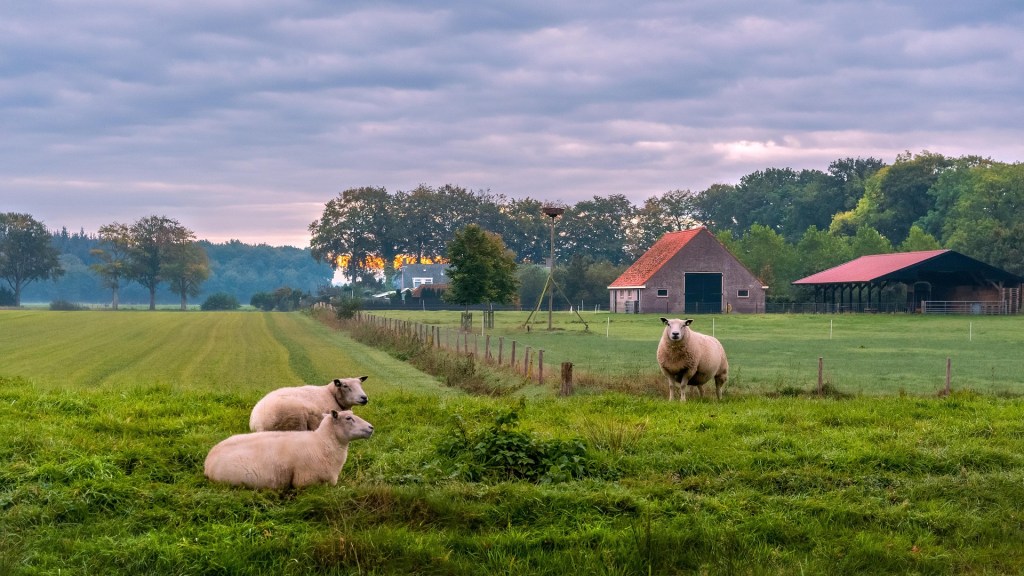
Challenges in Family Collaboration
- Emotional Bonds: Families share histories filled with both positive and challenging experiences, shaping trust, loyalty, and occasional conflicts. Strong emotional attachments can strengthen collaborations but also intensify disagreements. Addressing emotional aspects constructively is essential for maintaining unity.
- Shared Responsibilities: Household and farm-related tasks often overlap, blurring boundaries between personal and professional obligations. Finding balance requires open communication and structured responsibilities that prevent burnout, resentment and arguments.
- Generational Dynamics: Different generations bring varied perspectives and approaches to farm management. While older family members may value traditional methods, younger members may prefer innovation. Encouraging mutual respect and compromise ensures that generational wisdom and fresh ideas work together effectively.
- Personal Investment: Unlike a workplace team motivated by salaries and promotions, family members invest their time and energy out of personal commitment. This can drive passion but may also lead to to much stress if members feel overburdened or undervalued. Creating an environment where each person’s contribution is recognized fosters motivation and success.
- Informal Structure: Family-run farmsteads often lack a formal hierarchy, meaning roles and responsibilities shift as needed. While this flexibility can be beneficial, it can also cause misunderstandings. Establishing clear expectations helps streamline collaboration.
Treat your Homestead as a business.
- Professional Boundaries: Team members in a workplace or other settings maintain professional relationships with clear boundaries, which can help manage conflicts more objectively in a family homestead as it makes it clear where everyone stands.
- Defined Roles: Teams often have well-defined roles and responsibilities, with specific job descriptions and performance expectations. It is a good idea to define these roles in the family homestead too. This eliminate resentment and arguments over trivial issues.
- Hierarchical Structure: Workplace teams typically operate within a hierarchical structure, with clear lines of authority and reporting. Setting this up with your homestead will also improve communication between all the family members.
- External Motivations: Team members may be motivated by external factors such as salary, promotions, or professional development, rather than personal or emotional investment. In a family homestead many times the Pay off is in less tangible but no less important items. be sure to identify these for each person working on the homestead.
- Diverse Backgrounds: Teams in other settings often comprise individuals from diverse backgrounds, bringing varied skills and perspectives to the table. Don’t be afraid to bring in some out side help. they may have some great idea you a haven’t thought of. Also getting outside help when things are busy helps reduce stress.
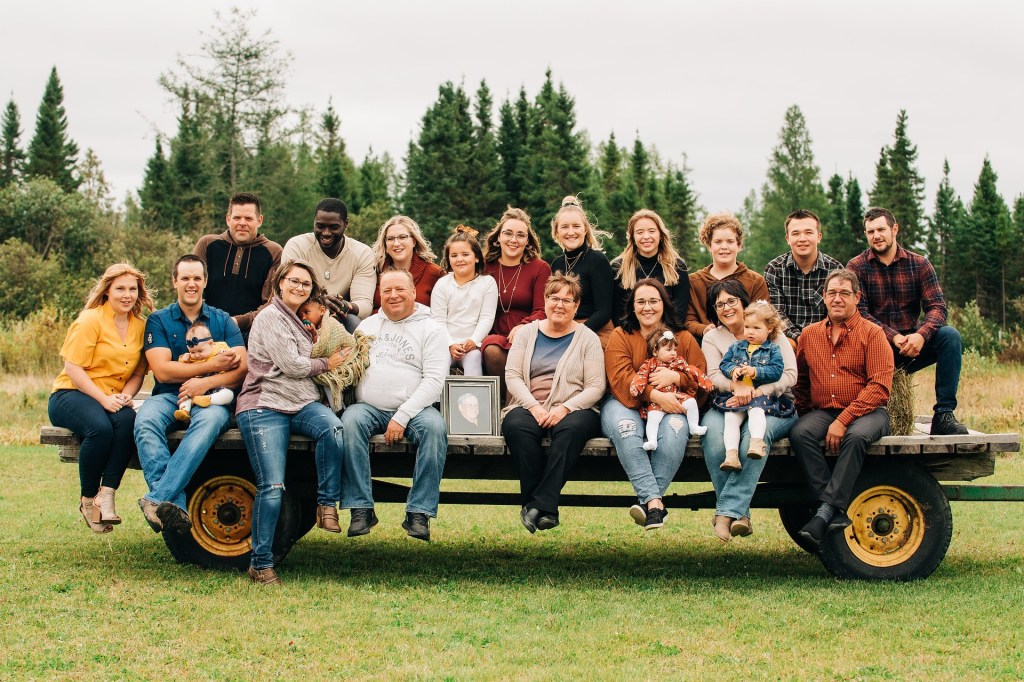
Conflict Resolution in Family Settings
Family Collaboration
- Emotional Intensity: Conflicts in family settings can be more emotionally charged due to strong personal bonds and long histories. Unlike professional disagreements resolved through structured methods, family disputes may require patience, empathy, and active listening. Resolving such conflicts often requires addressing underlying emotional issues and maintaining sensitivity to family dynamics.
- Personal Investment: Conflicts often arise due to different priorities or approaches. Reinforcing shared goals—such as the success and sustainability of the farmstead—helps align perspectives. Family members are personally invested in the success of the farmstead, which can intensify conflicts. Resolution strategies should focus on finding common ground and reinforcing shared goals to maintain unity.
- Informal Processes: Unlike professional environments where HR departments mediate conflicts, family disputes may be resolved through heartfelt conversations at the dinner table or in casual settings. Encouraging honest dialogue and mediation ensures that conflicts don’t linger. Family conflict resolution may involve more informal, flexible approaches, such as family meetings or discussions around the dinner table. Emphasis is often placed on maintaining harmony and preserving relationships.
- Generational Differences: Clashes between generations often stem from differing opinions on tradition versus innovation. Respecting older members’ experience while allowing younger members the freedom to introduce fresh ideas leads to healthy collaboration. Conflicts may arise due to differing perspectives between generations. Effective resolution requires understanding and respecting these differences, fostering open communication, and finding mutually acceptable solutions.
- Blurring of Roles: Family members often juggle multiple roles, making it difficult to set clear boundaries. Establishing designated responsibilities reduces miscommunication and promotes efficiency. In family settings, roles and responsibilities can overlap, leading to misunderstandings. Clear communication and defined boundaries are essential to prevent and resolve conflicts.
Strategies to Encourage Family Collaboration

Here are some strategies to encourage family collaboration on your farmstead:
1. Set Clear Goals
Establish shared objectives and communicate the long-term vision for the farmstead. Ensure everyone understands the goals and their roles in achieving them. Begin by outlining the farmstead’s mission and objectives. Whether it’s expanding agricultural production or improving efficiency, clearly defining goals ensures everyone works toward a unified vision
2. Involve Everyone in Decision-Making
Include family members in planning and decision-making processes. This gives everyone a sense of ownership and commitment to the farmstead’s success. Encouraging participation in planning increases commitment and engagement. Holding regular meetings where each voice is heard fosters inclusivity.
3. Assign Roles Based on Interests and Skills
Identify each family member’s strengths and interests, and assign tasks accordingly. This can make the work more enjoyable and efficient. Matching tasks to individual strengths creates a sense of accomplishment. When members work in roles suited to their abilities, efficiency improves while fostering enjoyment.
4. Create a Schedule
Develop a clear and realistic schedule that outlines everyone’s responsibilities. Make sure to consider individual availability and existing commitments. Having a structured schedule prevents task overload. Assign duties based on availability to maintain balance between work and personal life.
5. Foster Open Communication
Encourage regular family meetings to discuss progress, challenges, and any necessary adjustments. Ensure everyone feels heard and valued. Regular discussions provide opportunities to address concerns and celebrate achievements. Encouraging open dialogue strengthens relationships and minimizes misunderstandings.
6. Offer Training and Support
Provide training and resources to help family members learn new skills and feel more confident in their roles. This can also include support for any difficulties they might encounter. Providing resources helps family members develop skills needed for farmstead success. Ongoing training ensures adaptability in changing agricultural conditions.
7. Celebrate Achievements
Acknowledge and celebrate milestones and accomplishments, no matter how small. Positive reinforcement can boost morale and motivation. Recognizing contributions promotes motivation and satisfaction.
8. Encourage Flexibility
Be open to adjusting roles and responsibilities as needed. Flexibility can help accommodate changing interests and availability. Roles and responsibilities may shift over time. Allowing room for adaptation ensures evolving interests and skill sets are accommodated.
9. Promote Work-Life Balance
Ensure that everyone has time for relaxation and personal activities. Avoid overburdening anyone with excessive tasks. Balancing work with relaxation prevents burnout. Prioritizing downtime fosters productivity.
10. Lead by Example
Demonstrate dedication, hard work, and a positive attitude. Leading by example can inspire and motivate others to follow suit. Demonstrating commitment and dedication sets the tone for collaboration. Positive leadership encourages teamwork.
Taking Time Before Making Decisions: Reducing Family Drama

In any family collaboration, decisions—big or small—can stir emotions. Unlike professional teams, where choices are often made based on policies and structured discussions, family members bring personal histories and emotional investments into the decision-making process. This can sometimes lead to impulsive reactions, misunderstandings, or unnecessary conflict.
The Value of Thoughtful Decision-Making
Rushing into decisions, especially in emotionally charged situations, can create frustration and resentment. Taking time to reflect allows each family member to process information, consider different perspectives, and evaluate the long-term impact of the choice. When individuals feel pressured to make immediate decisions, tensions can rise, leading to arguments or regret over choices made in haste.
Allowing time for reflection encourages more reasoned discussions, ensuring that all voices are heard and concerns are addressed before finalizing any course of action.
How to Implement a Thoughtful Decision-Making Process
- Set a Cooling-Off Period – If a disagreement arises, establish a waiting period before making a decision. This allows emotions to settle and prevents impulsive reactions.
- Encourage Private Reflection – Give each family member the space to process their thoughts independently before returning to the discussion. Writing down concerns or weighing options privately can lead to more constructive conversations.
- Schedule a Follow-Up Discussion – Instead of rushing into a decision during a single conversation, plan a second meeting or discussion. This ensures that no one feels pressured and allows time for deeper consideration.
- Listen Without Interrupting – When discussing decisions, encourage each person to voice their thoughts without immediate responses or corrections. Active listening can lead to better understanding and cooperation.
- Weigh Long-Term Effects – Ask, “How will this decision affect the farm and family five or ten years from now?” Considering future impacts often leads to wiser choices.
Building a Culture of Patience and Understanding
Families that prioritize patience and thoughtful decision-making experience fewer conflicts. Creating a habit of slowing down and considering all aspects before making choices ensures that decisions are made collaboratively rather than reactively.
By fostering an environment where reflection is valued, family members will feel respected and understood, strengthening overall cooperation and making working together much smoother
By implementing these strategies, you can foster a collaborative and supportive environment on your farmstead, making the journey more enjoyable and rewarding for everyone involved.
Conclusion
Strong family collaboration is essential for a thriving farmstead. By understanding the emotional, generational, and structural dynamics of working with family, conflicts can be minimized, and teamwork can be strengthened. Implementing clear communication, structured roles, and ongoing support ensures a harmonious working environment. A successful farmstead isn’t just about agricultural efficiency—it’s about fostering a cooperative and connected family unit.
Ready to take your homesteading journey to the next level? Book an appointment with me today! With decades of experience, I provide personalized advice to solve any homesteading challenge. Whether you’re a newbie or a seasoned homesteader, I offer expert guidance to make your homestead thrive. Don’t miss out—schedule a chat and unlock the full potential of your homestead with Anything Agriculture. Let’s turn your dreams into reality!
hank you for reading! I’d love for you to join my newsletter for just $10 a month. By subscribing, you’ll gain access to a wealth of valuable information that can save you thousands of dollars and hundreds of hours of time. Don’t miss out—sign up today and start benefiting from expert insights and exclusive content!
Don’t forget to check out Anything Agriculture on social media! Follow us on YouTube, Facebook, Instagram,


Discover more from Anything Agriculture
Subscribe to get the latest posts sent to your email.
