
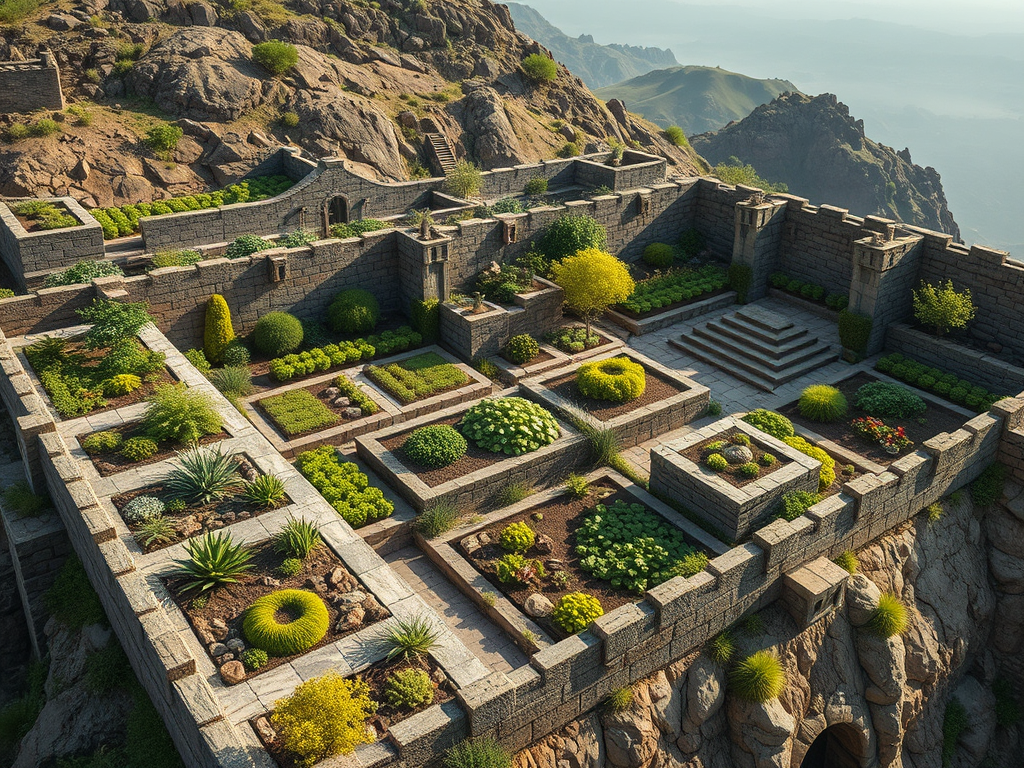
Know Your Battlefield: Soil Is Your Weapon, Not Dirt

Dirt is weakness, cluttering your boots and clouding the mind of those who fail to understand the war beneath their feet. Soil, on the other hand, is power. It is the foundation upon which your rage garden stands or crumbles, the difference between victory and defeat.
A garden that thrives under adversity does not grow in neglected earth—it rises from a carefully fortified battlefield, built with air, water, sand, silt, clay, and organic matter. And organic matter is your greatest ally—decomposed remains of plant and animal warriors that fuel the next generation of fighters.
If you fail to command your soil, your garden will fall before it even begins. Command it. Strengthen it. Build it into an impenetrable foundation.
Testing Your Ground: Tactical Soil Analysis
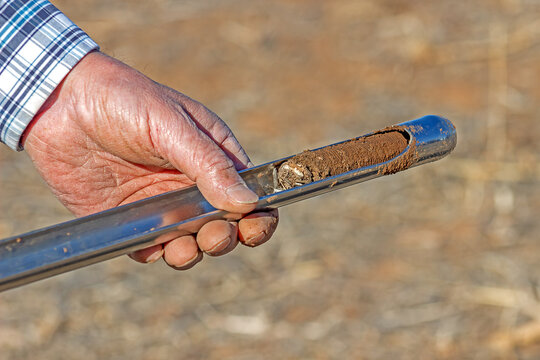
A rage garden does not charge blindly into battle—it knows its terrain, its weak points, its composition. A soil test is your reconnaissance mission. It identifies nutrient levels, pH balance, and what reinforcements are needed before the first seed is sown. Do not skip this step. Do not fight without intel.
- Soil testing reveals weaknesses—too acidic? Too alkaline? Low in nitrogen? Know your deficiencies before they compromise your campaign.
- Choose a trusted lab—not a weak, unreliable store-bought kit—failure to get proper data could result in disaster for your forces. Intelligence is key to winning the war. Make sure your intelligence is the best.
- A $10-$20 soil test saves far more than it costs—invest in your victory.
- County extension agents can guide you—use the wisdom of experienced strategists to read your results. You can always contact Anything Agriculture to help interpret your tests
A rage garden is built on preparation—not assumption. Get the test. Read the battlefield. Adapt before engaging.
How to Perform a Soil Test: Command Your Battlefield Before Planting
A rage garden does not guess—it gathers intel, identifies weaknesses, and fortifies the ground before engaging in battle. A soil test is your reconnaissance mission, revealing exactly what your garden needs for maximum strength and survival. Follow these steps to ensure your soil is battle-ready.
Step 1: Gather Your Equipment
You’ll need the right tools to collect a proper sample without contamination.
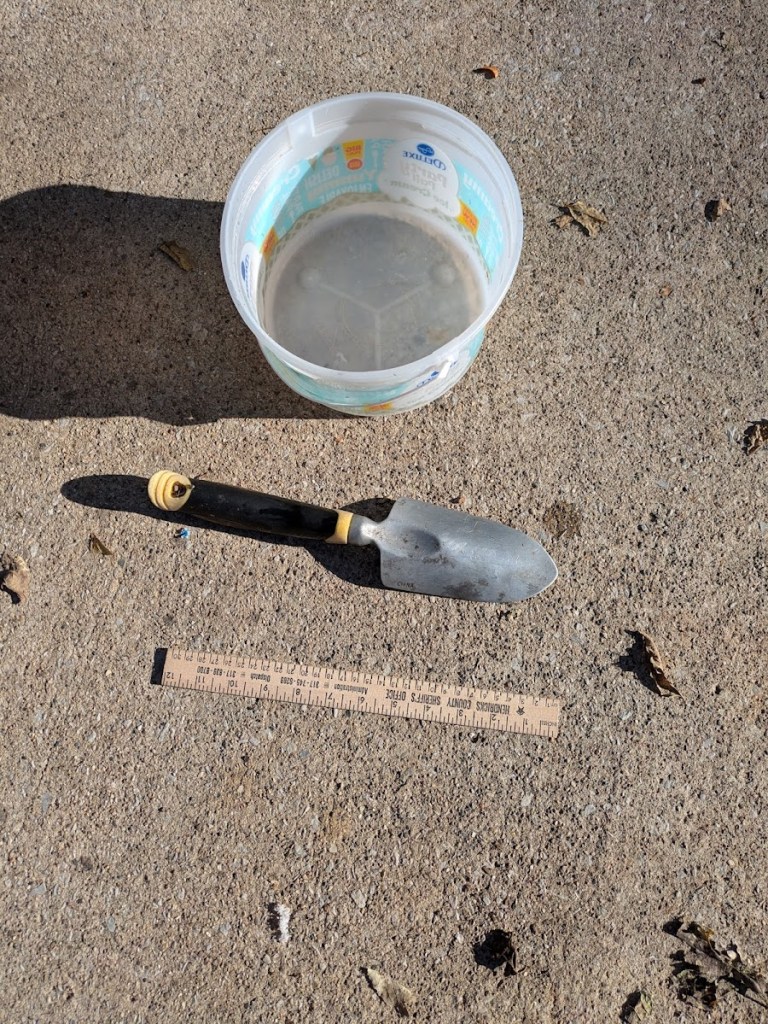
✅ Soil probe, garden knife, or trowel—for extracting samples. ✅ Plastic bucket or non-metal container—metal can alter test results—never use zinc-coated buckets. ✅ Paper bag or lab-provided sample bag—for safe packaging and transport.
Step 2: Identify Your Battle Zones
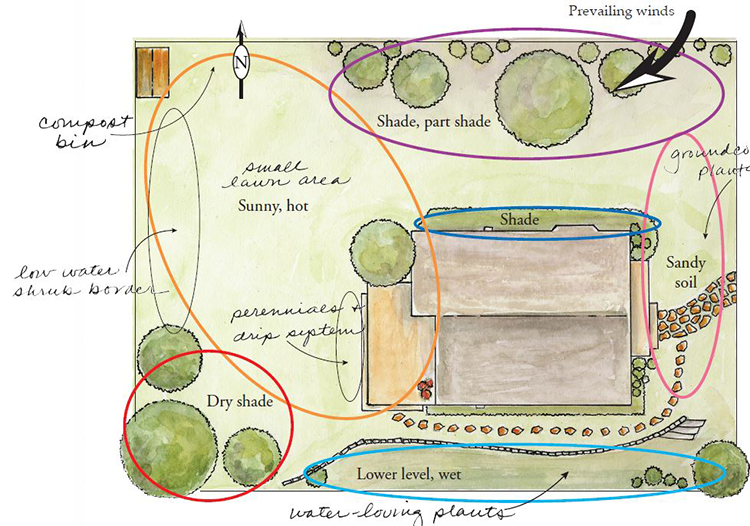
Different areas of your property may have different soil conditions. Test each zone separately to ensure precise adjustments for maximum effectiveness.
✔ Vegetable garden—its soil requires nutrient-rich reinforcements for crop production. ✔ Flower beds—balance pH and organic matter for strong blooms. ✔ Lawn soil—often compacted, needing aeration and amendments for resilience.
Each section is its own battleground—test them separately for targeted improvements.
Step 3: Collect Soil Samples
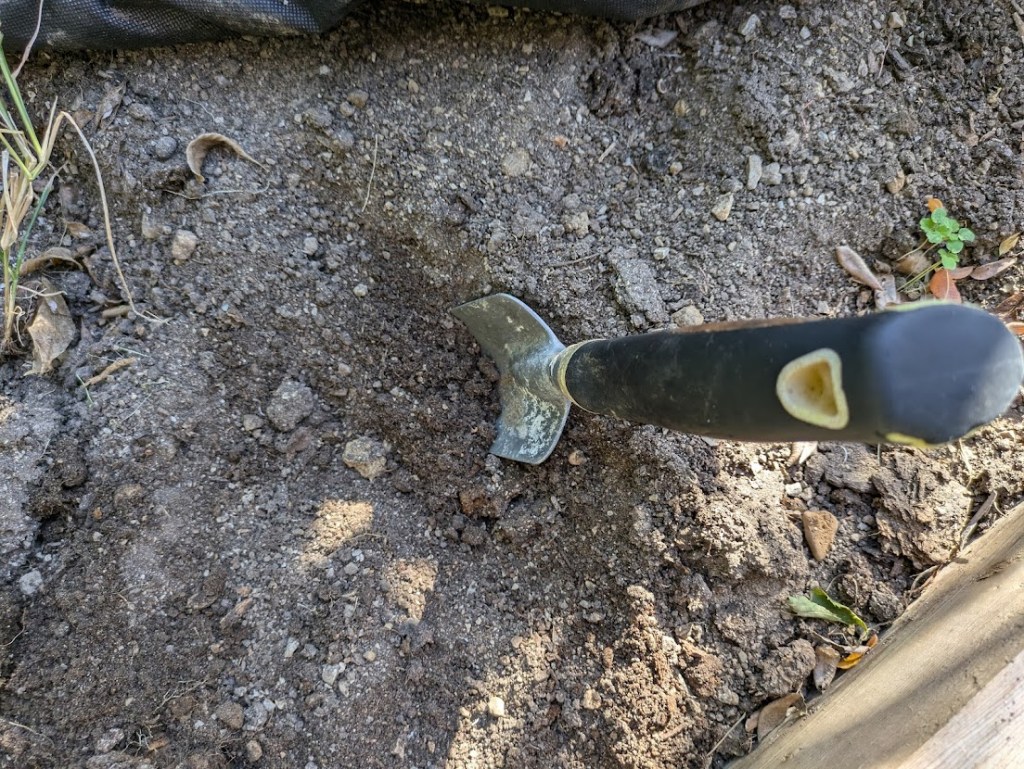
Your soil test must represent the full battlefield. Follow these tactics to ensure accuracy:
- Choose 3-8 locations within the testing zone.
- Remove surface debris—clear away mulch, sod, or rocks before sampling.
- Dig deep enough—extract 6-8 inches below surface level for accurate results.
- Take multiple cores—each sample should be about 1 inch wide by 6-9 inches long (larger if using a trowel).
- Mix cores together—ensuring a uniform sample that represents the entire zone.
✅ DO NOT take just one sample—it will give an inaccurate reading! ✅ DO NOT contaminate the soil with hands or metal tools—use only clean, non-metal containers.
Step 4: Preparing and Sending Your Sample
To ensure a reliable test result, your sample must be properly handled before shipping.
✔ Let wet soil air dry—excess moisture can interfere with analysis. ✔ Package in a paper bag or lab-provided container—seal with tape. ✔ Send to a trusted lab—not a cheap store-bought testing kit. ✔ Expect results within one to two weeks—longer in peak seasons.
Fall is an ideal time to test—giving you time to amend your soil before spring planting begins.
Step 5: Interpreting the Results & Preparing for Battle
When your test results arrive, analyze them like a war report:
✔ Check pH balance—if too low, add lime; if too high, use sulfur. ✔ Identify nutrient deficiencies—reinforce with compost, phosphorus, potassium, and nitrogen as needed. ✔ Adjust soil texture—if too compact, incorporate organic matter to improve aeration.
If you need help deciphering your soil report, your local county extension agent can guide you—they are your tactical advisors for ultimate garden success.
Final Command: Prepare Your Ground, Secure Victory
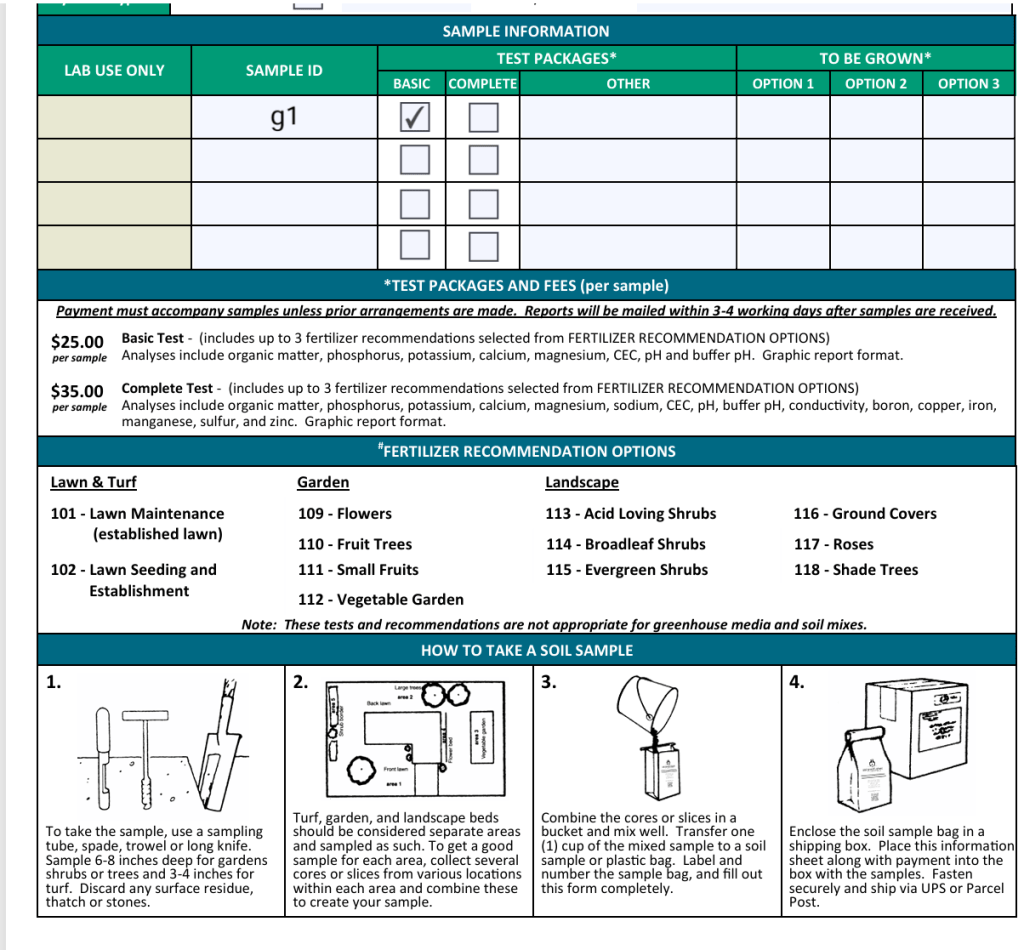
A rage garden does not plant in weakness—it strengthens its foundation first. Before engaging in battle with the elements, ensure your soil is fortified, balanced, and nutrient-rich.
Perform the soil test. Read the results. Adjust accordingly. Then plant with confidence.
Would you like to expand on specific soil amendments based on test outcomes?
Soil Structure: Reinforce Your Fortress
Your ground must be solid, fertile, and built to endure. An army cannot march on unstable terrain, and plants cannot grow in weak soil. Strength comes from organic matter, reinforcing the battlefield, making nutrients available to every warrior planted in its depths.
- Sand + Clay = Bricks—compact, useless ground that suffocates growth. Break it apart with organic matter and restore balance.
- Microorganisms are your hidden army—feed them, and they will strengthen your soil.
- Mulch shields the ground from moisture loss—a defense against drought and enemy invasions.
The Battle of pH: Chemical Warfare in the Soil

A rage garden must control its chemical balance—if the pH is off, micronutrients become trapped, locked away from the plants that need them.
- pH 1-6: Acidic Territory—Too low? Micronutrients are bound tight, starving your forces.
- pH 8-14: Alkaline Warzone—Too high? Your plants struggle to extract what they need, weakening the battlefield.
- Optimal battle conditions pH: 6.5-7.5—A neutral ground where plants can absorb nutrients with full strength.
- Correcting the imbalance—Use lime to raise pH, sulfur to lower it, but apply gradually for maximum effectiveness. Shock treatment weakens the army—strategic corrections ensure long-term stability.
A rage garden does not guess—it tests, adapts, and fortifies until the soil is battle-ready.
Essential Nutrients: Fuel for the Fight
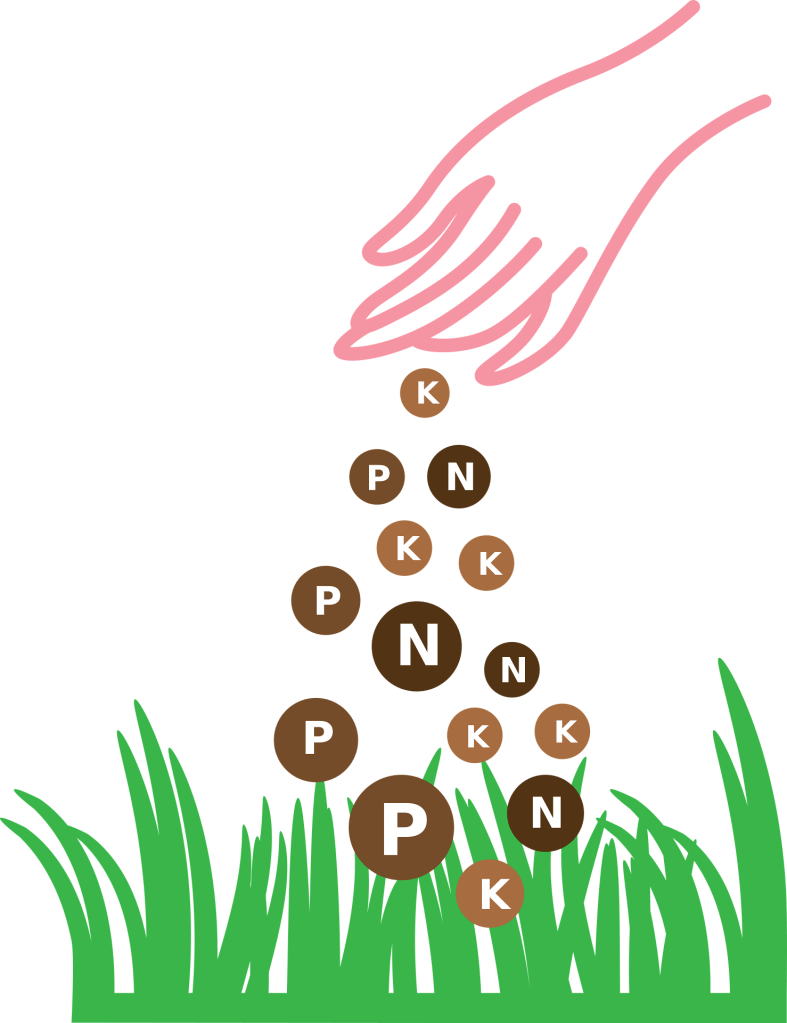
Your plants do not grow on luck—they need the right fuel to become warriors capable of enduring hardship.
N = Nitrogen
- Vital for leafy growth, but must be applied wisely.
- Too much before a storm? The rain will strip it away, wasting resources.
- Wait until plants are established before adding nitrogen—strategy over excess.
P = Phosphorus
- Without it, plants are weak, stunted, and vulnerable.
- Deficiency turns leaves purple, signaling distress.
- Available in fertilizers, compost, and organic sources.
K = Potassium
- The backbone of plant health—without it, yields suffer, plants weaken, and disease strikes faster.
- An army without strength will fall—ensure potassium levels are fortified.
Micronutrients: Small but Crucial Warriors
A micronutrient deficiency may not seem significant, but ignoring it leaves the door open for weakness. Iron, magnesium, calcium—these elements fuel endurance, resistance, and structural integrity.
- Iron deficiency in plants leads to yellowing leaves and failure to thrive.
- Correct micronutrient issues with compost, pH adjustments, or targeted amendments.
- Sometimes, only a few ounces per acre are needed to restore balance—precision is key.
Compost: The Ultimate War Asset
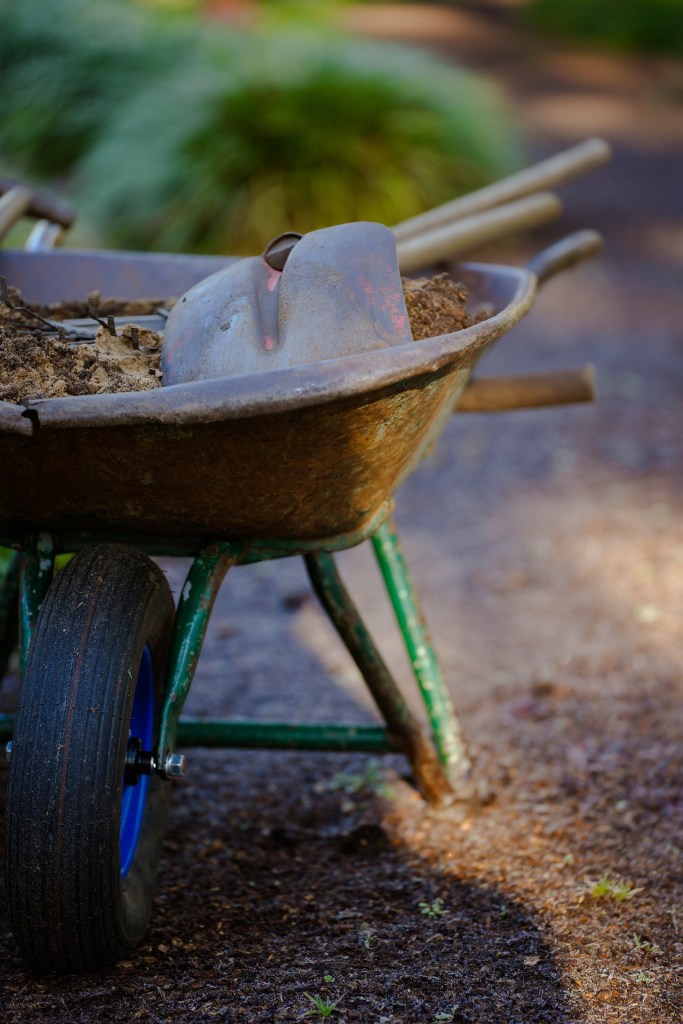
Nothing fortifies the battlefield like organic matter. Compost is not optional—it is armor, it is reinforcements, it is fuel for victory.
- Improves soil structure, preventing compaction and allowing roots to expand.
- Feeds microorganisms, ensuring nutrients are properly processed for absorption.
- Increases moisture retention, preventing vital water from escaping the battlefield.
A rage garden does not let nutrients leach into the void—it locks them in, securing long-term survival. Compost can help with the leach. Avoid excessive fertilization, as it can cause nutrients to leach away from the battlefield, weakening your garden’s defenses. and give your enemies an advantage. Every resource is precious—nothing should go to waste. A true Rage Garden maximizes every available element, transforming adversity into strength. This is how victories are secured—through strategic resourcefulness and unwavering resilience.
Command the Soil, Command the Battle
A rage garden does not happen by accident—it is built with strategy, foresight, and mastery over the terrain. Every choice affects the war ahead—every amendment, every structure, every chemical balance determines victory or failure.
Your soil is not dirt—it is the battlefield, the foundation, the key to your success. Know your ground, strengthen your resources, and prepare before engaging.
Victory does not come from chance—it is built beneath your feet, in the soil of the rage garden you command. Take a look at my YouTube Video on Soil.
Join the Rage Garden Inner Circle
Where the wise grow stronger, wealthier, and Smarter every season.
For just $10/month, you gain access to:
- Money‑saving homestead strategies that put thousands back in your pocket
- Time‑cutting systems that free up your days and sharpen your skills
- Seasonal guides, rituals, and plant allies you won’t find anywhere else
- Exclusive content crafted for people who refuse to shrink
- First access to new tools, printables, and resources
This is more than a newsletter; it’s power. A place to gather to rise, reclaim, and root deeper into their strength.
Every month you wait is knowledge, time, and money you don’t get back. Step into the circle now and grow wild
All Rights Reserved
Discover more from Anything Agriculture
Subscribe to get the latest posts sent to your email.
