

Homesteading Help: Managing Your Time and Family Collaboration
Taming the Wild Homestead
The Johnson family had dreamed of a quiet life on their farmstead, surrounded by rolling green fields and the comforting sounds of nature. But soon after they moved in, their dream turned into chaos. The chickens wandered into the vegetable patch, the cows repeatedly got out of the pasture, and the garden was consumed by weeds faster than they could pull them. Every day felt like a battle against time, and exhaustion loomed over them like a storm cloud.
One evening, around the dinner table, they faced the truth—things were spiraling out of control. “We need a plan,” Sarah, the mother, finally said. “We can’t keep running around like a chicken with its head cut off.”
So, they began by prioritizing their tasks. They listed everything that needed attention, ranking them by urgency. The cow’s feeding schedule, protecting the garden, and securing the chicken coop topped the list.
Next, they created a schedule—milking at sunrise, gardening before lunch, and evening animal care before dinner. With a structured plan in place, the panic started to fade.
They soon realized they couldn’t do everything alone, so they delegated responsibilities. Jake, the oldest son, took charge of the livestock; Sarah focused on gardening and making sure the schedule was being followed; David, the father, handled the repairs and projects. Even little Ellie, just ten years old, had her role—collecting eggs each morning.
They set realistic goals for improvement, celebrating small successes instead of dwelling on setbacks. “One weed at a time,” Sarah said with a grin as she pulled another stubborn intruder from the soil and worked on other weed control strategies such as mulching and weed cloth.
The family discovered time-saving techniques too. Treating the farm as a business the learned that. Batch processing made meal prep easier, automated watering systems kept the garden and animal thriving, and Jake multitasked by listening to farming podcasts for more livestock tips and tricks while tending to the animals.
Burnout was a lurking enemy, so they scheduled breaks and downtime—Sunday afternoons became a time for family walks and picnics by the creek. Every night it was scheduled to sit down as a family to enjoy a meal together. It is so important to take time to enjoy what you have worked so hard for.
At the end of each week, they scheduled a family meeting that discussed the week ahead and wrote the schedule down and put it on the refrigerator so everyone could see it throughout the week. At first the weekly meeting seemed to take a lot of time but as they got better at the scheduling and figuring out what needed to be done the meeting got shorter and more productive. During this meeting they monitored and adjusted their schedule. Some tasks needed more time, while others required less effort than expected.
They prepared for the unexpected—an illness, bad weather, or a stubborn rooster that refused to cooperate—by having contingency plans and the family agreeing to help pick up the necessary tasks. .
Days turned into weeks, and finally, their homestead wasn’t a mess—it was a thriving, well-balanced home. Sitting on their porch one evening, watching the sunset over their now-organized farm, Jake grinned and said, “We did it.” Sarah smirked and said “its better to work smarter then harder.”
Managing your time effectively is crucial for a successful homesteading journey. Here are some detailed strategies to help you navigate and balance your time:

1. Prioritize Tasks
Create a list of tasks and prioritize them based on their urgency and importance. This can help you focus on high-priority activities and avoid getting overwhelmed by less critical tasks. Not everything is a priority everyday. Set up daily, weekly and monthly plans. Have a plan for your homestead that is 1 year, 5 year and 10 year plans. These plans can change but at least you have a direction to keep going.
2. Create a Schedule
Develop a daily, weekly, and monthly and yearly schedule to allocate specific times for various activities. The difference between a plan and a schedule is that a plan is what you want to accomplish and a schedule is how that plan is going to get accomplished. A schedule needs to take the weather and time of year into consideration to be effective. A schedule can include time for milking, gardening, animal care, cleaning out animals and any other homestead duties. Having a set routine helps you stay organized and ensures that essential tasks are not overlooked.
3. Delegate Responsibilities
Involve family members and share the workload. Assign specific tasks to each person based on their strengths and availability. This not only lightens your burden but also fosters a sense of teamwork and shared responsibility. Also be realistic when you need to hire help. You may only need seasonal help or year around help. Be aware when you can’t get it all done.

4. Set Realistic Goals
Be honest about what you can realistically achieve within a given timeframe. Set achievable goals that align with your available time and resources. This helps prevent burnout and keeps you motivated.
5. Use Time-Saving Techniques

Incorporate time-saving techniques into your daily routines. For example:
Batch Processing: Group similar tasks together to complete them more efficiently. For instance, prepare animal feed for the entire week at once.

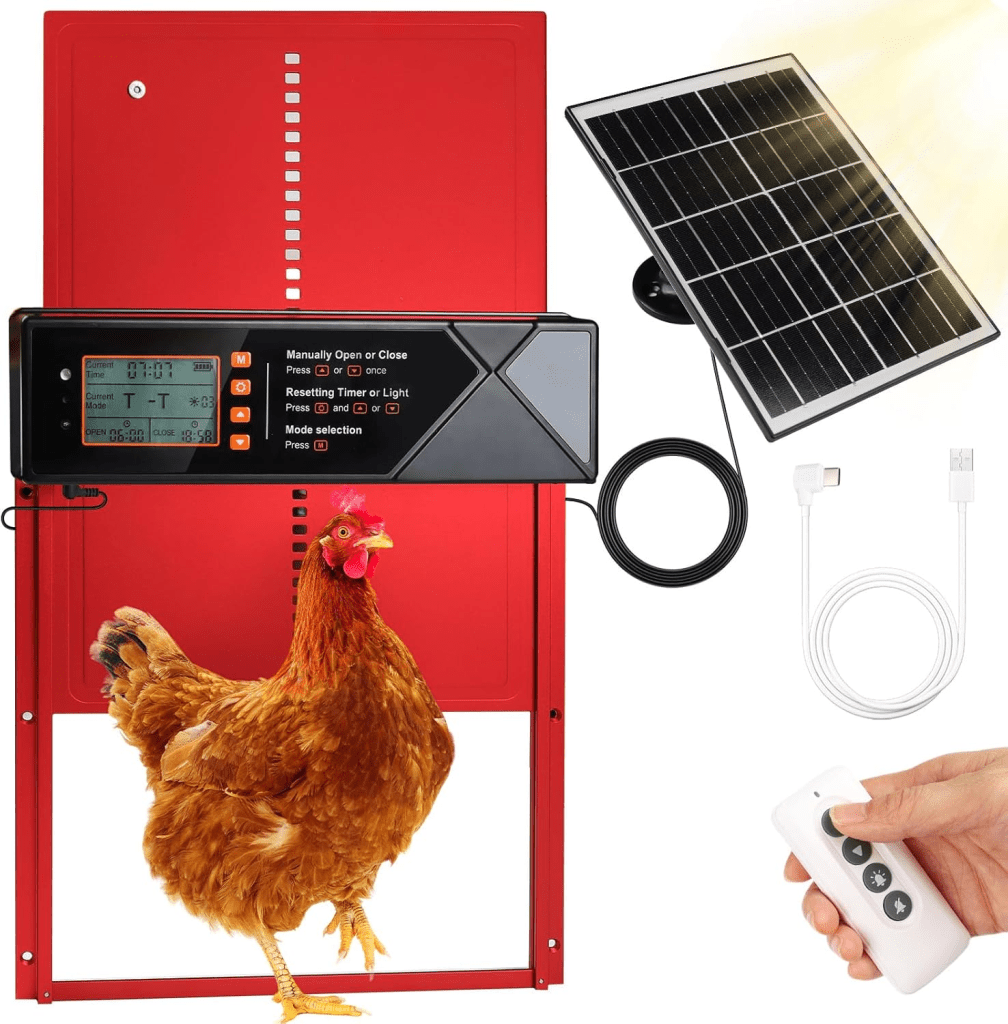
Automation: Use automatic feeders, timers for watering systems, automatic chicken doors and other automation tools to save time and reduce manual labor.
Multi-Tasking: Combine tasks where possible, such as listening to educational podcasts while working in the garden.
Raised Garden Beds – Reduce weeding and improve drainage, making gardening more manageable.

Mulching – Use mulch to suppress weeds and retain moisture, cutting down on watering and maintenance.
Rainwater Collection – Set up rain barrels to collect water for irrigation, reducing reliance on manual watering.

Composting Bins – Create a simple composting system to recycle organic waste and enrich soil without extra effort.

Solar-Powered Lights – Use solar lights around the homestead to eliminate the need for electrical wiring and maintenance.

Portable Electric Fencing – Easily move fencing for rotational grazing, saving time on pasture management.

DIY Greenhouse – Extend the growing season and protect plants from harsh weather, reducing crop loss. Quick and Dirty Greenhouse DIY Blog and YouTube Video
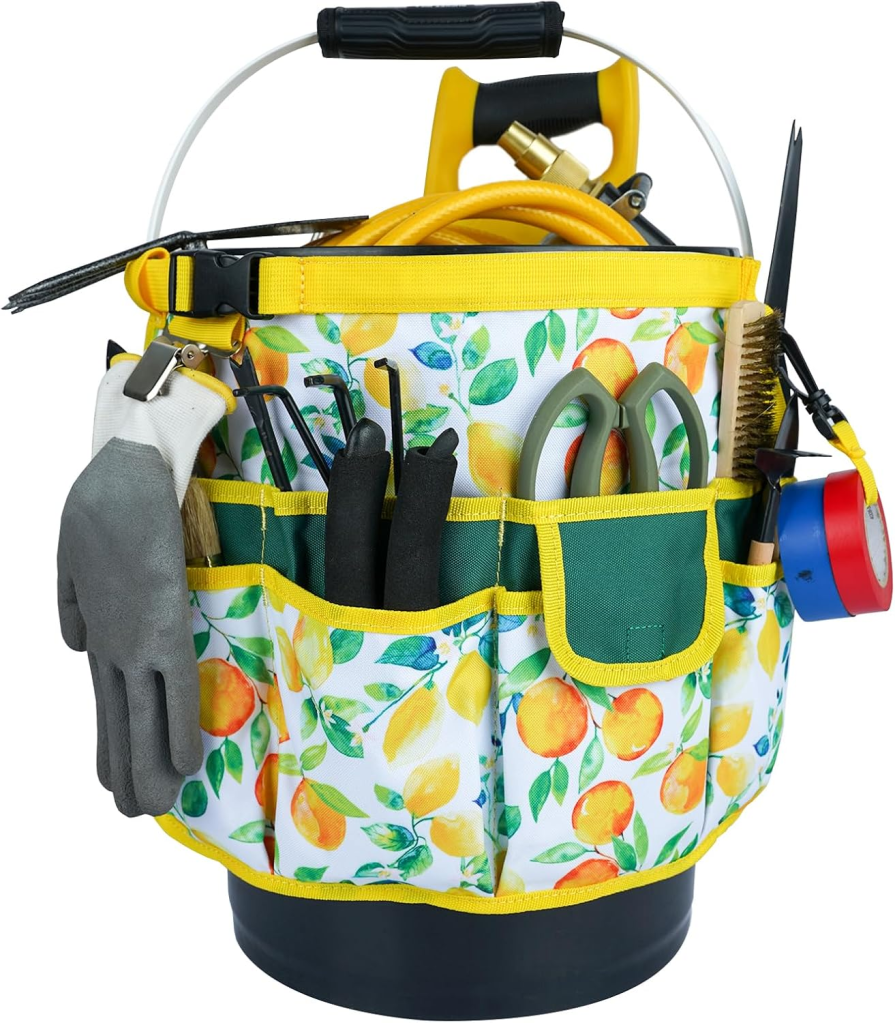
Tool Organization – Keep frequently used tools in a designated area to avoid wasting time searching for them.
Livestock Guardian Animals – Use dogs or geese to protect livestock, reducing the need for constant monitoring.

Preserving Food Efficiently – Use dehydrators, vacuum sealers, and canning methods to store food for longer periods.

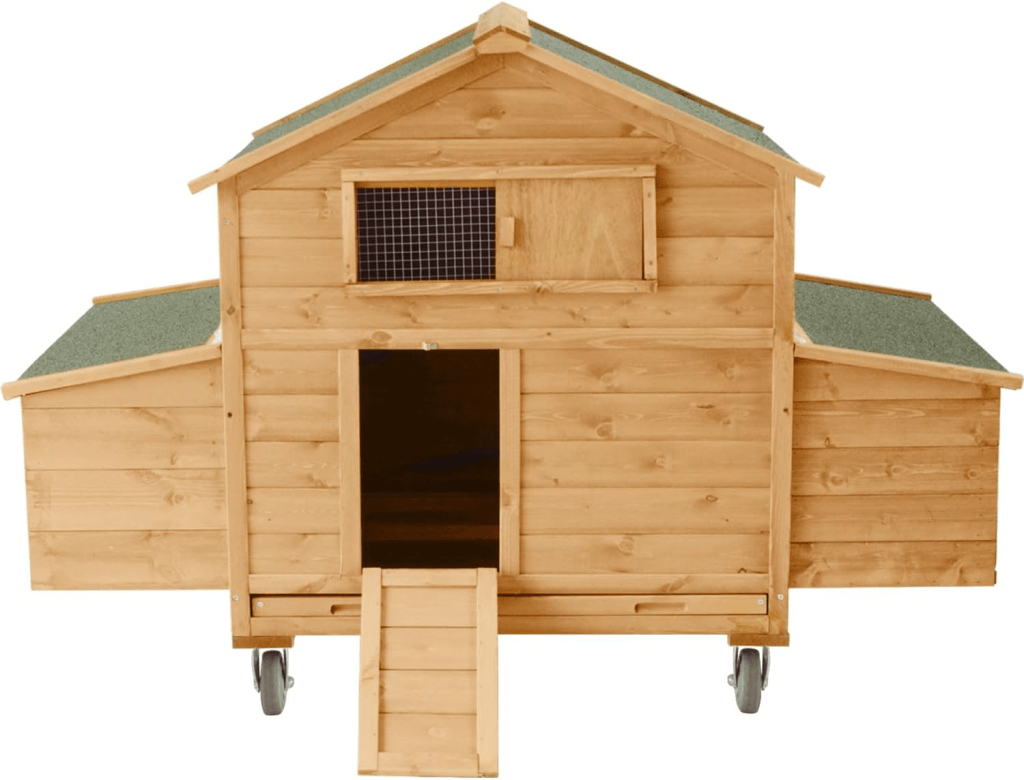
Mobile Chicken Coops – Move coops around to fertilize different areas of the land while keeping chickens safe.
Drip Irrigation – Install a drip irrigation system to water plants efficiently without manual labor.
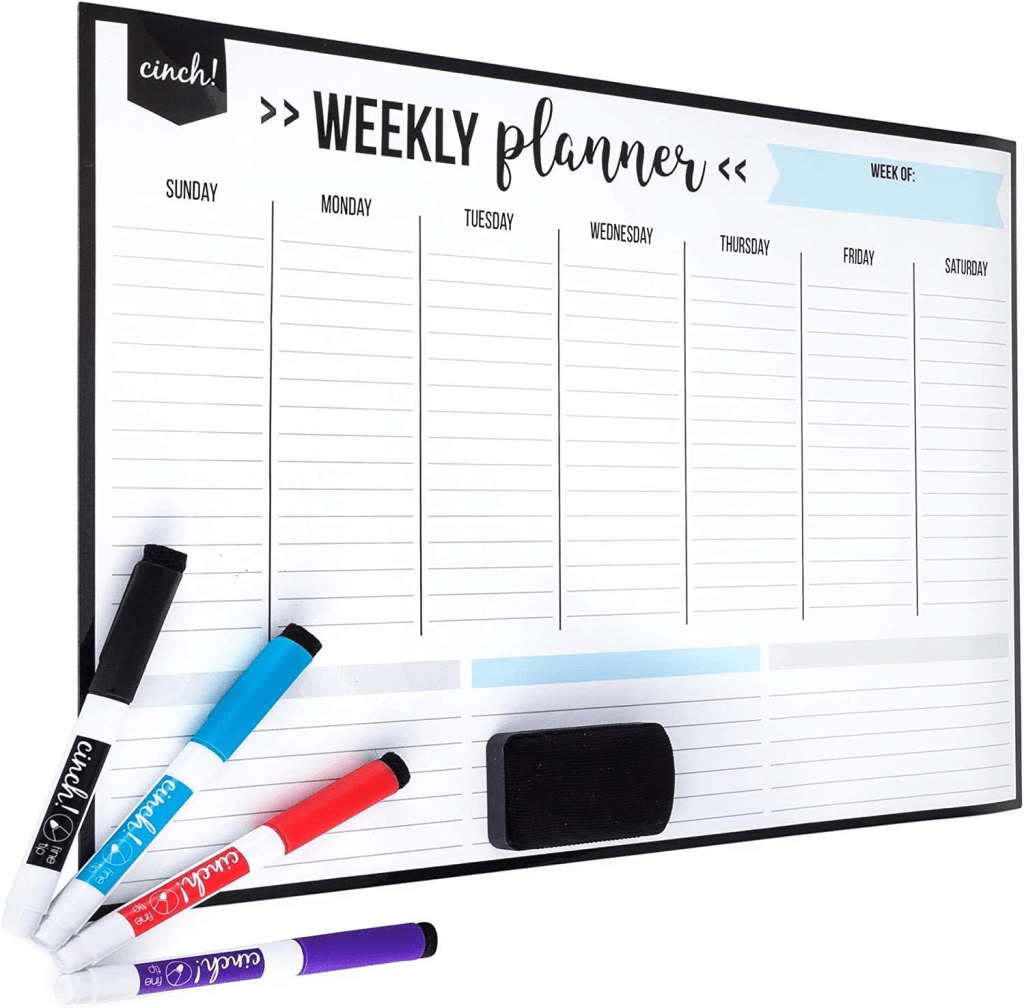
Homestead Calendar – Keep a seasonal calendar to track planting, harvesting, and animal care schedules.
These are just a few examples of time saving hacks for you homestead.
6. Plan for Breaks and Downtime
Schedule regular breaks and downtime to rest and recharge. Self-care is essential to avoid burnout and maintain overall well-being. Allocate time for hobbies, family activities, and relaxation. Schedule them in like there are another task. Rest is a priority and doing things you love are part of the reason you wanted a homestead in the first place.

7. Monitor and Adjust
Regularly review your schedule and assess what is working and what isn’t. Be flexible and adjust your time management strategies as needed. This allows you to adapt to changing circumstances and improve efficiency.
8. Prepare for Emergencies
Have contingency plans in place for unexpected events, such as illnesses, family emergencies, or farm crises. Identify backup caregivers for your animals and alternative arrangements for essential tasks. Not everything is an emergency but sometime when you are felling overwhelmed everything feels like an emergency. Here is a small list of bonafide emergencies that will thought off your schedule. This is just as short list. You list might look different depending on your operation.
When to Consider Something an Emergency
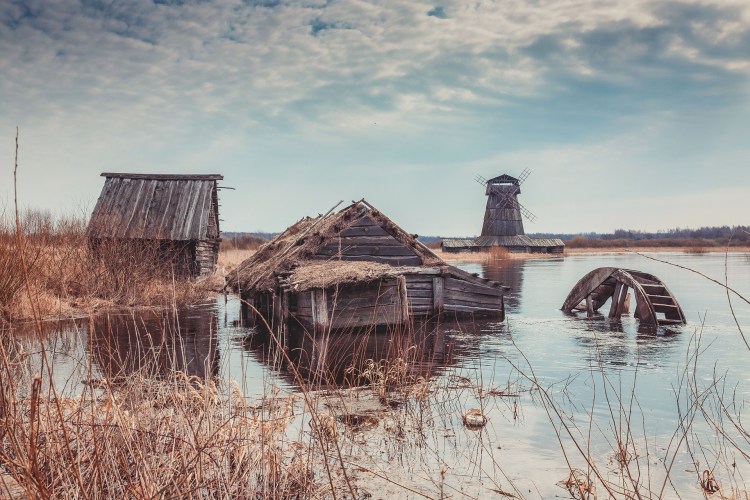
An emergency is any situation that poses an immediate threat to life, property, or essential resources. Here are some examples:
- Severe Weather – Tornadoes, hurricanes, floods, or blizzards that could damage your homestead.
- Medical Emergencies – Serious injuries, sudden illnesses, or allergic reactions requiring urgent care.
- Fire or Structural Damage – House fires, barn collapses, or gas leaks that require evacuation.
- Animal Health Crisis – Disease outbreaks or injuries among livestock that need immediate attention.
- Power or Water Failure – Extended outages that threaten food storage, heating, or hydration.
- Security Threats – Trespassers, theft, or dangerous wildlife that could harm your family or animals.
Emergency Preparedness Steps
- Stock Essential Supplies – Keep a well-stocked emergency kit with food, water, medical supplies, flashlights, batteries, and backup power sources.
- Create an Emergency Plan – Establish clear procedures for different scenarios, such as extreme weather, medical emergencies, or equipment failures.
- Secure Livestock and Crops – Have a plan to protect animals and crops from natural disasters, including shelters and backup feeding systems.
- Backup Power and Water – Invest in generators, solar panels, and rainwater collection systems to maintain essential functions during outages.
- Fire Prevention and Safety – Keep fire extinguishers accessible, clear brush around buildings, and have an evacuation plan in case of wildfires.
- Communication Plan – Ensure you have reliable ways to contact emergency services and neighbors, such as radios or satellite phones.
- First Aid and Medical Training – Learn basic first aid and CPR to handle medical emergencies until professional help arrives.
- Emergency Drills – Practice emergency scenarios with your family to ensure everyone knows what to do in different situations.
9. Track Progress

Keep track of your progress and accomplishments. This helps you stay motivated and provides a clear picture of what you’ve achieved. Celebrate small victories and milestones along the way.
In the end, the Johnson family learned that managing a homestead wasn’t just about working hard—it was about working smart. By the time they have fully implemented these principles their homestead looked totally different than when they started. It wasn’t what they had originally envision but they were accomplishing more and everyone was much happier. By prioritizing tasks, creating schedules, and delegating responsibilities, they transformed overwhelming chaos into structured success. Time-saving techniques and emergency preparedness ensured they could handle any challenge, while breaks and downtime kept them refreshed and motivated.
Through teamwork and strategic planning, their farmstead thrived, becoming a place of harmony rather than stress. As they watched the sunset from their porch, they knew they had conquered the homestead—not through sheer force, but through thoughtful, organized effort. Their journey was a testament to the power of resilience, adaptability, and family collaboration.
With the right approach, any homestead, no matter how overwhelming at first, can be brought under control. The Johnsons had done it—and so can anyone willing to plan, adapt, and work together.
Be sure to sign up for my Newsletter
Find out more Save time and money. Don’t forget to check out Anything Agriculture on social media! Follow us on YouTube, Facebook, Instagram, for more great content. Like and subscribe to stay connected!
Ready to take your homesteading journey to the next level? Book an appointment with me today! With decades of experience, I provide personalized advice to solve any homesteading challenge. Whether you’re a newbie or a seasoned homesteader, I offer expert guidance to make your homestead thrive. Don’t miss out—schedule a chat and unlock the full potential of your homestead with Anything Agriculture. Let’s turn your dreams into reality!


All rights reserved
Discover more from Anything Agriculture
Subscribe to get the latest posts sent to your email.
