
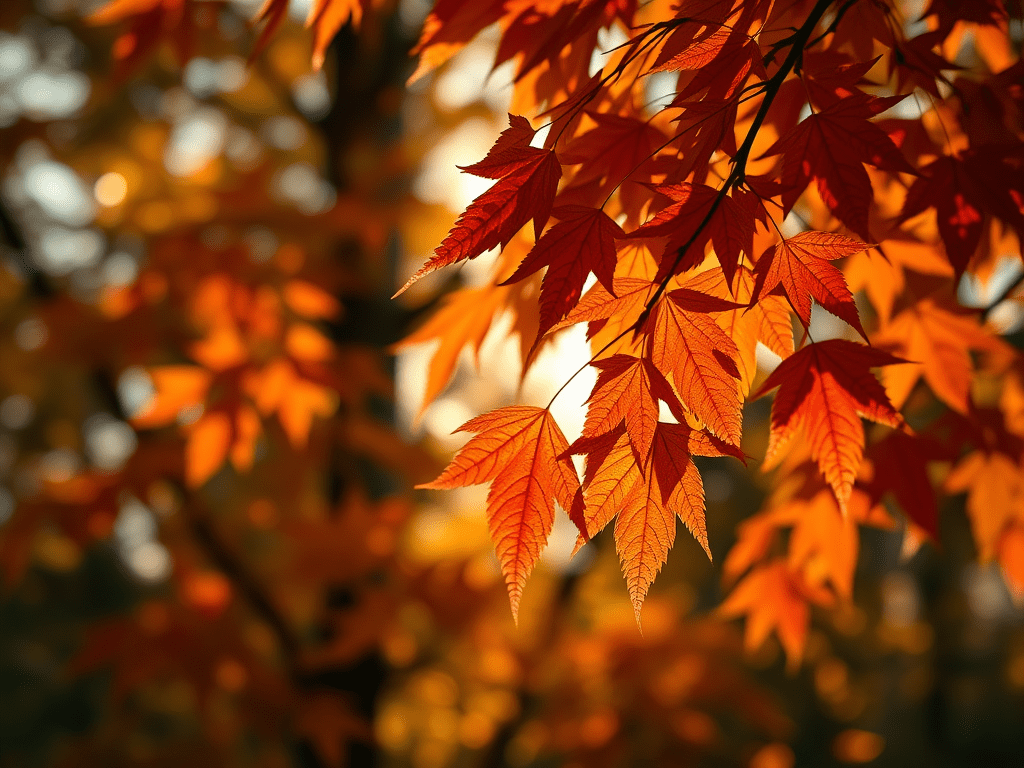
Fall officially arrived in the Midwest! I am totally looking ahead to the cool weather and of course pumpkin spice. What I’m most excited about more than anything else is fall color. Despite the fact we have had very warm days. We are seeing some signs of Fall. Some fall colors have already started. Black walnuts and their leaves have been raining down. Burning bushes have started to turn a brilliant red. Soon Autumn will be a riot of color. Unfortunately, this year, we may find our colors a little muted since we spent a late summer in drought conditions.
Why do the trees and shrubs change colors?
Trees and shrubs that lose their leaves are starting to ready themselves for winter. The days start getting shorter and the night longer. This change signals the plants to start the process of breaking down the chlorophyll in the leaves. The chlorophyll is what causes the leaves to be green. Without chlorophyll, the plant can no longer produce its own food. The plant is forced to go into storage mode. Storage mode helps the plant store its food to help it through the winter.
Old wives tales
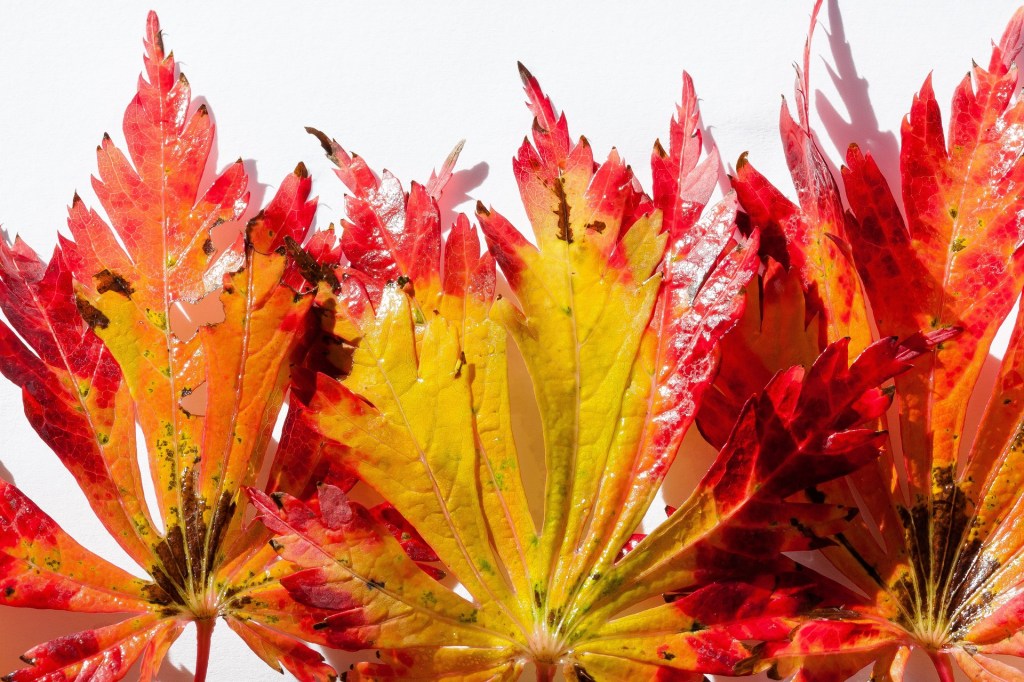
There are many factors that contribute to Fall color. There are also old wives tales about fall color. One old wife’s tail is that dry weather and frost promote the brightest leaf color. This is unfortunately untrue but there are other factors that can give the most spectacular fall color. The three factors are the pigments in the leaf, the length of night and weather.
The best fall colors
The best fall coloration occurs when we have cool nights in the forties. Warm afternoons in the sixties and seventies also contribute. Adequate rainfall is essential for bright fall colors. The sugars that promote the bright reds and oranges are produced in these weather conditions. The pigment is the leaves that cause the bright colors are carotenoids and anthocyanins. Drought conditions can cause the leaves to become duller than when we have abundant rain. When we have more rain in the fall, the leaves tend to get knocked off the plants. This may shorten the fall color window. Fall leaf color will likely peak in about two weeks in the Midwest.
What’s up with evergreens?
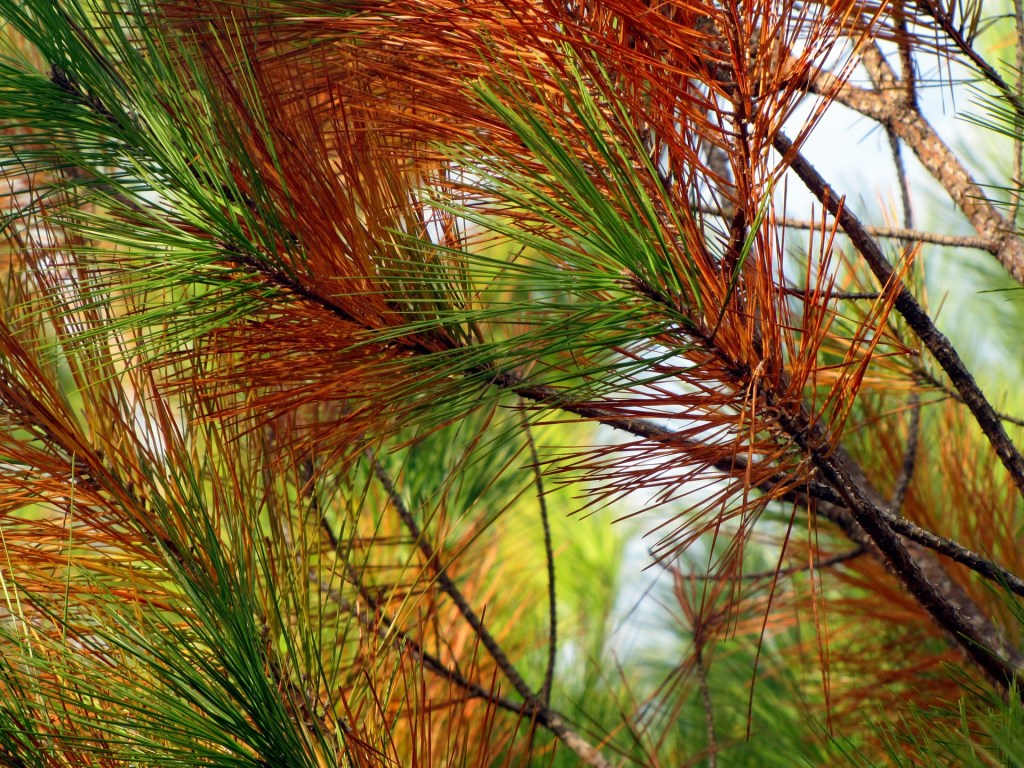
Evergreens are also preparing for winter and losing any needles that aren’t going to help them through the winter. This phenomenon that happens in the fall is called Needle Drop. Although evergreen don’t lose all their leaves in the fall, they do drop needles that are damaged or necessary. If all of the needles drop off the evergreen, you may have a disease problem that needs to be addressed. Or you may have a Bald Cypress or Larch. These trees lose all their needles every year. So, before you cut down that dead tree make sure it not a just dormant. I had a client once who had a beautiful bald cypress grove. Thinking they were dead trees because they moved to the property in winter. They had planned to cut all the “dead” trees down. Luckily, they had sustained an injury and could not deal with the trees until spring. In spring, they discovered that their dead trees came back to life!
Evergreens have shallow roots and are very sensitive to environmental pressure like soil compaction and moisture. Too wet and the tree can drown, too dry and the tree can wither. Both conditions can lead to needle drop that is not normal.
Why doesn’t all the leaves look beautiful?
Why are some trees and bushes so bright and other trees don’t have any color at all? Some trees or shrubs have various fungi and/or diseases on the leaves. If a plant has been battling a fungus or disease issue, it is common for the leaves to drop early. The leaves may also look brown or shriveled. The best course of action is to gather these early dropped leaves. You should compost them or get rid of them off your property. Sometimes diseases will show up at the end of the growing season. There is little reason for concern since the leaves will be dropping soon anyway. Tulip poplar trees in particular have powdery mildew on leaves. These will not hurt the tree and will be going away shortly.
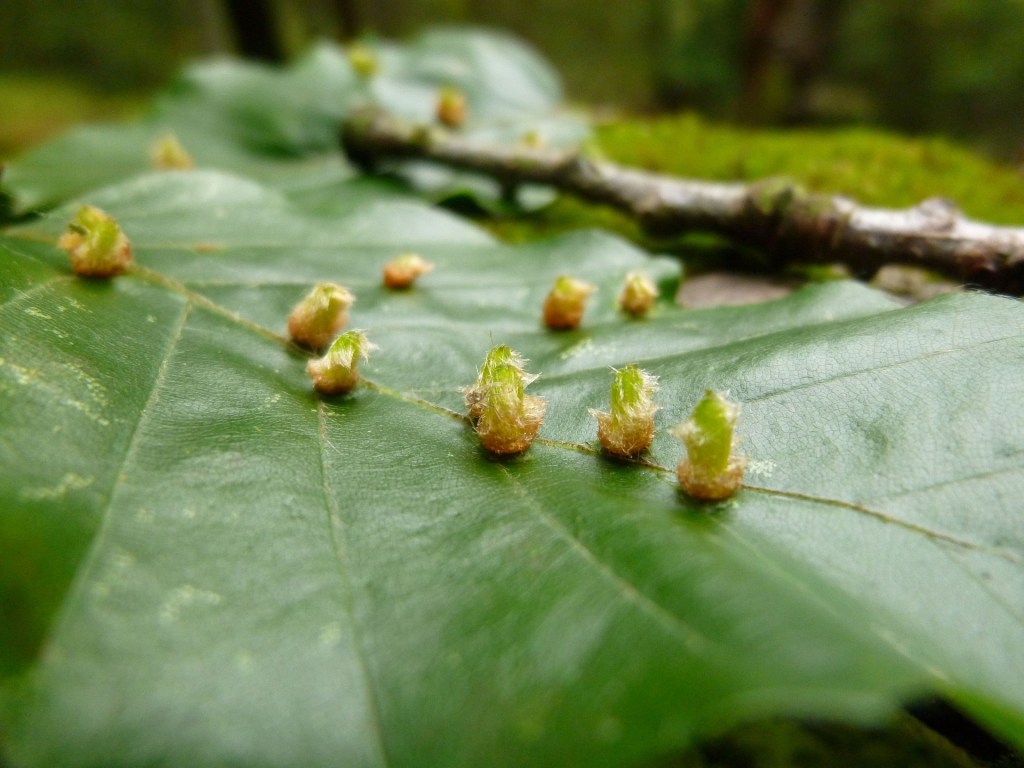
Lumpy bumpy leaves
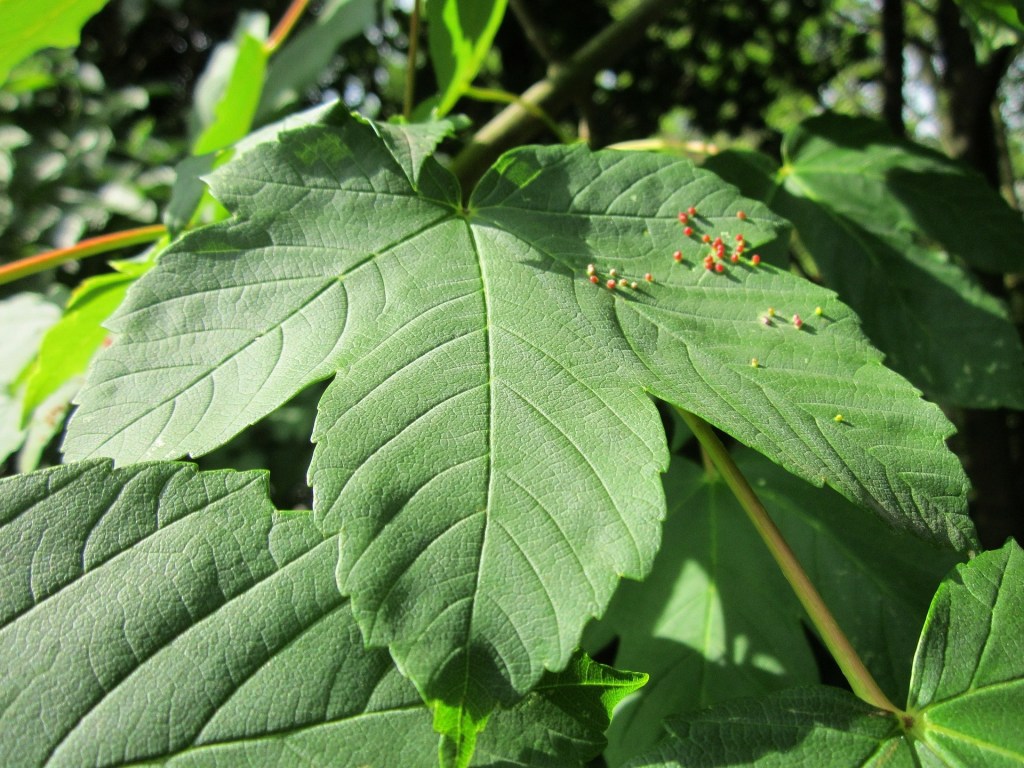
You may notice on the fallen leaves that there are bumps or growths on the leaves. These are usually no cause for concern. These are usually insects that have laid eggs on the leaf. The leaf has grown a structure around it called a Gall. The insects and the galls are harmless and you are witnessing part of the life cycle of that particular insect. Gall can also be produced if the plant has a particular disease. Most of the time the galls do not affect the health of the plant. They are a neat curiosity to see in the fall.
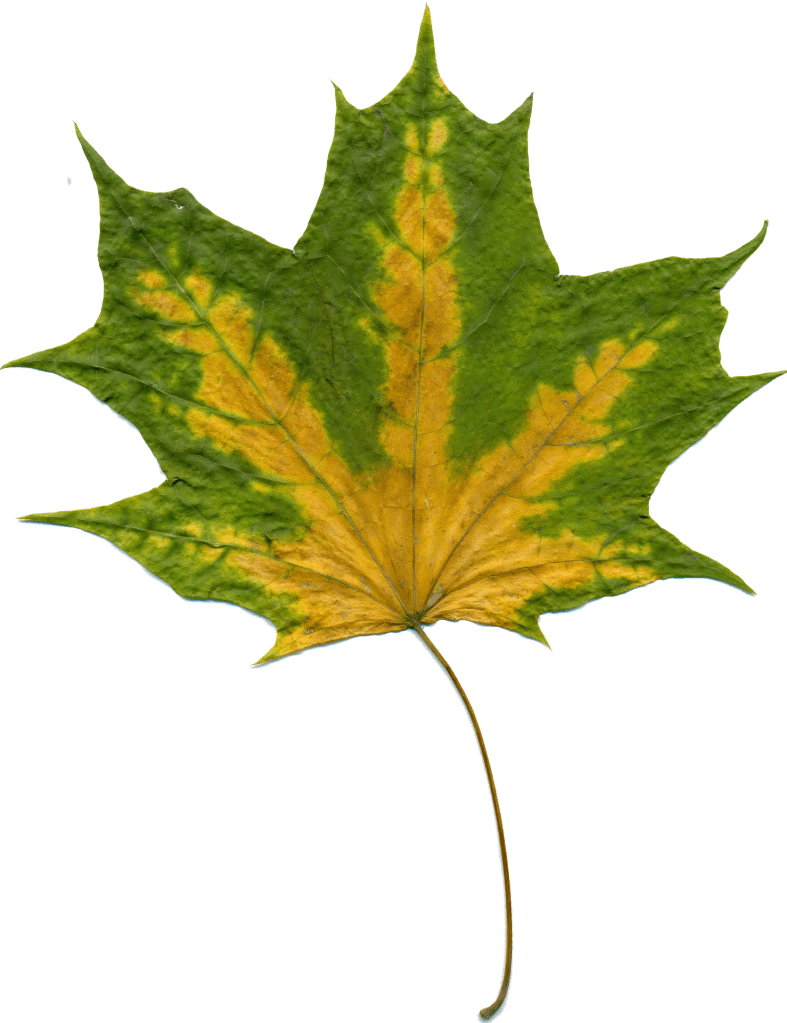
Why are the veins so green?
Red maples in the landscape can have a condition called interveinal chlorosis. This is where the veins are bright green, and the rest of the leaf is yellow. This commonly happens when they are showing a manganese deficiency due to too high of a soil pH. This condition can be corrected by lowering soil pH. Fall is a great time to soil test.
Fall is the best time to amend you soils for the coming year. Take a look at my article Soil is not dirt. for more information.
I hope you enjoy all that fall has to offer. Apple cider, pumpkins, and bonfires await you. Best of all are the fall colors.
Subject to copyright
Thank you for reading! If you want more information and updates, please subscribe to my newsletter. Get the latest blog posts and new offers right in your email. It’s free to subscribe, and you’ll receive loads of information at no cost.
Don’t forget to check out Anything Agriculture on social media! Follow us on YouTube, Facebook, Instagram, and Pinterest for more great content. Like and subscribe to stay connected!
Ready to take your homesteading journey to the next level? Book an appointment with me today! With decades of experience, I provide personalized advice to solve any homesteading challenge. Whether you’re a newbie or a seasoned homesteader, I offer expert guidance to make your homestead thrive. Don’t miss out—schedule a chat and unlock the full potential of your homestead with Anything Agriculture. Let’s turn your dreams into reality!


Discover more from Anything Agriculture
Subscribe to get the latest posts sent to your email.
